1973年9月11日、南米チリで発生した軍事クーデターは、冷戦時代の世界情勢を象徴する悲劇的な出来事でした。民主的に選出された社会主義政権が武力によって転覆され、その後17年間にわたる過酷な軍事独裁体制へと移行したこの事件は、今なおチリ社会に深い傷跡を残しています。
Key Facts
- 発生日:1973年9月11日
- 転覆された政権:サルバドール・アジェンデ大統領率いる人民連合(UP)政府
- 権力を掌握した勢力:アウグスト・ピノチェト将軍を中心とする軍事評議会(フンタ)
- 国際的背景:米ソ冷戦下におけるイデオロギー対立と、米国の政権交代への介入
- 結果:アジェンデ大統領の死亡と、長期にわたる軍事独裁体制の確立
クーデターへの道:政治的混乱と国際的な圧力
サルバドール・アジェンデ大統領は、選挙を通じて社会主義的な改革を目指しましたが、その政策は国内の保守層や右派勢力の強い反発を招きました。同時に、冷戦構造の中で社会主義の拡大を警戒していた米国は、CIAなどを通じてアジェンデ政権の不安定化を画策し、間接的に政権転覆を支援していました。
アジェンデ大統領はキューバのフィデル・カストロらと親密な関係を築いていましたが、これがさらに米国の警戒心を強める結果となりました。
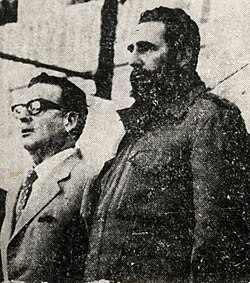
国内では経済危機と政治的対立が激化し、下院による政権批判や軍内部での不満が高まっていました。アジェンデ大統領は抵抗を試みましたが、軍の大部分が反旗を翻したことで、政権維持は不可能となりました。
9月11日の軍事行動とアジェンデの最期
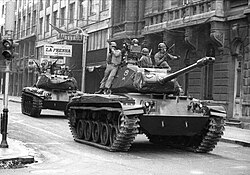
1973年9月11日、チリ軍(陸・海・空軍)およびカラビネロス(国家警察)による大規模な軍事行動が開始されました。軍は首都サンティアゴの政府中枢であるモネダ宮殿を包囲し、激しい攻撃を仕掛けました。
宮殿周辺では、政府側を守ろうとしたGAP(大統領警護隊)や労働者民兵が軍と衝突し、多くの犠牲者が出ました。兵士たちはM1ガランドなどのライフルを手に、徹底的な制圧作戦を展開しました。
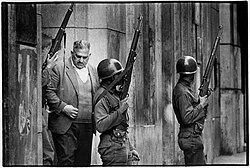
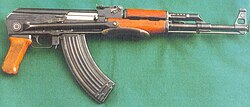
軍の猛攻の中、サルバドール・アジェンデ大統領は降伏を拒否し、自らの手でAKMSアサルトライフルを用いて自決しました。これにより、人民連合政府は完全に崩壊しました。
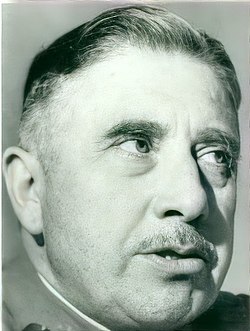
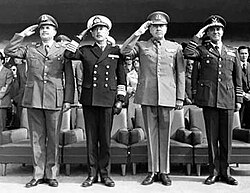
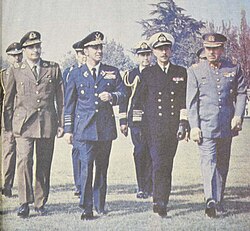
軍は速やかに権力を掌握し、アウグスト・ピノチェト将軍を中心とする軍事評議会(フンタ)を設置しました。彼らは秩序の回復を掲げ、国家の再編に着手しました。
軍事独裁体制と人権侵害の闇
ピノチェト政権下で、政府に反対する人々への激しい弾圧が始まりました。国家情報局(DINA)などの諜報機関が主導し、政治犯の拘束、拷問、そして「強制失踪」が組織的に行われました。
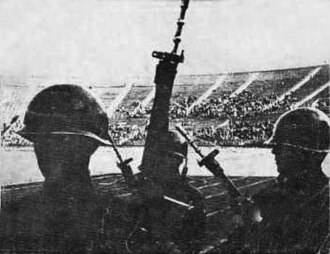
国立競技場などの公共施設は、一時的に拘禁所や拷問センターとして利用され、数多くの市民が非人道的な扱いを受けました。
さらに、この弾圧はチリ国内に留まらず、南米の他の軍事政権(アルゼンチン、ブラジル、ウルグアイなど)と連携して反対派を追跡・抹殺する「コンドル作戦」へと発展しました。これにより、国境を越えて多くの人々が犠牲となりました。
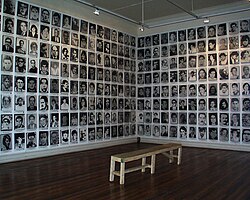
後世への影響と記憶の継承
ピノチェト政権は経済面で「シカゴ・ボーイズ」と呼ばれる経済学者を起用し、新自由主義的な改革を断行しましたが、その代償として深刻な格差と人権侵害という負の遺産を残しました。
1990年に民主化へと移行した後、レッティグ報告書やバレチ報告書などの調査を通じて、独裁時代に行われた凄惨な人権侵害の実態が明らかにされました。現在でも、当時の被害者の遺族による追悼行事や、独裁への反省を促す活動が続いています。
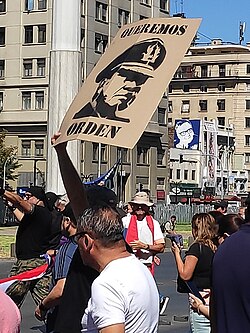
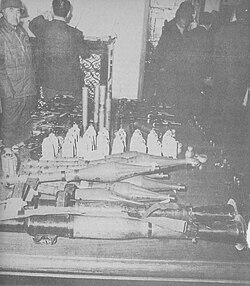
また、軍事政権時代の象徴的な兵器や、当時の混乱を物語る遺品などは、歴史の教訓として記録されています。

クーデターの概要まとめ
| 項目 | 詳細 |
|---|---|
| 主要指導者(政府側) | サルバドール・アジェンデ |
| 主要指導者(軍事側) | アウグスト・ピノチェト |
| 支援勢力(政府側) | キューバ、ソ連 |
| 支援勢力(軍事側) | 米国(CIA等)、ブラジル、英国など |
| 主な結果 | アジェンデ政権崩壊、ピノチェトによる軍事独裁の開始 |
| 関連作戦 | コンドル作戦(南米諸国連携の弾圧) |
Frequently Asked Questions
なぜ米国はチリのクーデターを支援したのですか?
冷戦下において、米国は南米に社会主義政権が誕生し、ソ連やキューバの影響力が強まることを極端に恐れていました。そのため、民主的に選出されたアジェンデ政権であっても、そのイデオロギーを排除し、親米的な政権を樹立させるために介入を行いました。
「コンドル作戦」とは具体的にどのようなものですか?
南米の右派軍事政権(チリ、アルゼンチン、ブラジル、パラグアイ、ウルグアイ、ボリビア)が結成した秘密の協力ネットワークです。国境を越えて左派活動家や政治的反対者を監視、拘束、殺害することを目的としていました。
アジェンデ大統領の死についてどのような議論がありますか?
公式には、軍の攻撃を受けたモネダ宮殿内で自決したとされています。しかし、その過程や詳細については、長年にわたり様々な証言や調査が行われ、歴史的な議論の対象となってきました。
ピノチェト政権はどのようにして終わりましたか?
1988年に実施された大統領信任投票において、国民がピノチェトの続投に反対する結果となりました。これにより、1990年に民政移管が実現し、軍事独裁体制は終焉を迎えました。
この事件が現代のチリに与えている影響は何ですか?
失踪者の捜索や、人権侵害に対する法的責任の追及は今も続いています。また、独裁時代に導入された経済モデルへの反発が、近年の社会不安や政治改革を求める運動の根底にあると言われています。
References
- In fact, the movement is traced back to the late 1950s, when economist and two other professionals from the traveled to the , a key center of neoliberal economic thought, to pursue doctoral studies in economics. Ten years later, in early 1967, the same year as the takeover of the Catholic University and the beginning of university reform, the Faculty of Economics of the UC had moved to its new campus in the precordilleran Los Dominicos area. A large house surrounded by trees and gardens, with tennis and football courts, located on Charles Hamilton Avenue, was purchased thanks to a generous donation from business groups and former students who formed the Foundation of Economic Sciences of the Catholic University. Among the benefactors were the owned by the group led by , the company S.A. of the same owner, La Papelera (as the of the Matte group was known), and the . Sergio de Castro became dean of that faculty, which functioned as a semi-autonomous territory during the rectorship of . At that time, after the takeover of the Catholic University by students, Sergio de Castro met , a young law student and admirer of Spanish dictator who founded the Student Guild Movement and later became the main ideologue of . Both were firm opponents of the student movement led by the , which led Castillo to become the first secular rector of the institution.
- Kelly and Cubillos were effective contacts between the high command of the Navy and the economists led by Sergio de Castro, who had close ties with the owner of .
📸 フォトギャラリー