1973年から1990年にかけて、チリはアウグスト・ピノチェト将軍率いる軍事独裁政権という暗黒時代を経験しました。この期間、国家権力による組織的な政治弾圧、拷問、そして「強制失踪」と呼ばれる凄惨な人権侵害が日常的に行われました。軍隊や警察、そして秘密警察が一体となり、政権に反対する人々を排除することで、社会全体に恐怖を植え付けた時代でした。
この悲劇は単なる政治的な対立ではなく、国家が制度としてテロリズムを運用した事例であり、その傷跡は現代のチリ社会にも深く刻まれています。
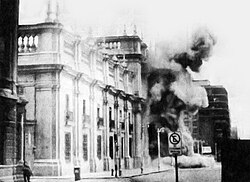
主要な事実(Key Facts)
- 犠牲者数: レティグ報告書およびバレッチ報告書によると、直接的な被害者は約3万人(拷問被害者27,255人、処刑された2,279人)。
- 亡命者: 約20万人もの人々が国外への逃亡を余儀なくされた。
- 弾圧機関: 国家情報局(DINA)などの秘密警察が拷問や監視の中核を担った。
- 手法: 電気ショック、ウォーターボーディング(水責め)、身体的・精神的虐待、および遺体を隠匿する「強制失踪」が組織的に行われた。
- 期間: 1973年のクーデターから1990年の民主化まで、約17年間にわたる独裁体制。
独裁体制の構造:官僚的権威主義
ピノチェト政権は、政治学で「官僚的権威主義」と呼ばれる形態をとっていました。これは、高度な専門知識を持つ技術官僚(テクノクラート)による政策決定と、強力な抑圧装置を組み合わせた統治スタイルです。ピノチェト将軍は、前任のサルバドール・アジェンデ大統領率いる人民連合(PU)などの左派勢力を徹底的に排除することを目的としていました。
政権は、形式的な民主主義を装うために1980年に新憲法を制定しましたが、実際には大統領に絶大な権限を与え、人身保護令状(ハベアス・コーパス)の利用を制限するなど、法的な枠組みを用いて弾圧を正当化しました。
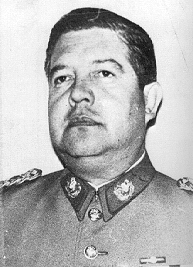
恐怖の制度化と弾圧機関
「死のキャラバン」による粛清
政権発足直後、ピノチェトは「死のキャラバン(Caravana de la Muerte)」と呼ばれる軍の処刑部隊を派遣しました。わずか3日間で68人を殺害したこの作戦は、反対派を沈黙させるだけでなく、軍内部にさえ恐怖を植え付け、政権への絶対的な忠誠を強いるための見せしめとして機能しました。
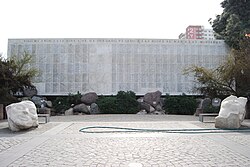
国家情報局(DINA)の役割
1974年に設立された国家情報局(DINA)は、実質的な秘密警察として機能しました。DINAは全国に監視網を張り巡らせ、大学、教会、地域社会に至るまで徹底的に監視し、反体制派とみなされた人々を秘密拘禁施設へと連行しました。後にDINAは国家情報センター(CNI)へと名称変更されましたが、その抑圧的な機能は維持されました。
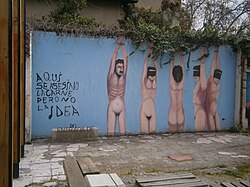
拷問センターと凄惨な実態
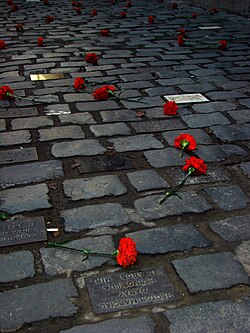
政権は、一般に公開されない秘密の拘禁施設を多数運営していました。ここでは、身体的な苦痛だけでなく、精神的な破壊を目的とした拷問が体系的に行われました。
- ロンドレス38: サンティアゴ中心部にあった秘密施設。電気ショックによる拷問や、家族の前で親族を虐待させるなどの残酷な手法が用いられました。
- ヴィラ・グリマルディ: 組織的な拷問が行われた代表的な施設の一つです。
- エスメラルダ号: 訓練船でありながら、拘禁および拷問の場として利用されました。

精神的弾圧と強制失踪
拷問の目的は情報の抽出だけでなく、人間の尊厳を破壊することにありました。子供や家族の命を脅かす心理的拷問が多用され、被害者は極限状態に追い込まれました。また、政権は「強制失踪」という手法を用い、拘束した人物を秘密裏に殺害し、遺体を隠匿することで、遺族に絶望を与え、社会的な恐怖を最大化させました。
犠牲者の記憶と正義への道
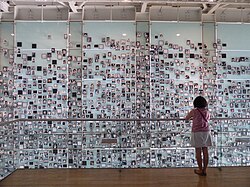
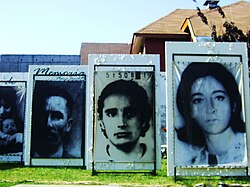
1988年の国民投票によるピノチェトの敗北後、チリは真実の究明に乗り出しました。レティグ報告書やバレッチ報告書を通じて、数千人の殺害・失踪と数万人の拷問被害が公式に認められました。しかし、1978年に制定された「恩赦法」が壁となり、多くの加害者が法的な責任を逃れました。
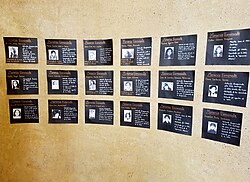
多くの犠牲者の中には、歌手のビクトル・ハラやジャーナリストのダイアナ・アロンなど、文化・知的活動に従事していた人々も含まれていました。現在でも、行方不明となった人々の遺体捜索が続いており、記憶の継承が重要な課題となっています。
人権侵害の概要まとめ
| 項目 | 詳細・数値 |
|---|---|
| 直接的な被害者数 | 約30,000人(拷問:27,255人 / 処刑:2,279人) |
| 国外亡命者 | 約200,000人 |
| 主要な弾圧機関 | DINA(国家情報局)、CNI(国家情報センター) |
| 代表的な拷問手法 | 電気ショック、水責め、身体的・精神的虐待 |
| 特筆すべき作戦 | 死のキャラバン、コンドル作戦(南米諸国間連携) |
Frequently Asked Questions
「強制失踪(Desaparecidos)」とは具体的にどのような状態を指しますか?
国家機関によって秘密裏に拘束され、その後、当局がその人物の所在や生死について回答を拒否し続ける状態を指します。多くの場合、殺害された後に遺体が秘密裏に処分され、遺族は死を確信しながらも遺体に会えないという精神的苦痛を強いられました。
DINAとはどのような組織でしたか?
1974年に設立された国家情報局のことで、ピノチェト政権の「目と耳」として機能した秘密警察です。反体制派の監視、拘束、拷問を専門に行い、政権の維持に不可欠な恐怖政治の実行部隊となりました。
コンドル作戦とは何ですか?
チリ、アルゼンチン、パラグアイ、ウルグアイなどの南米右派独裁政権が連携し、国境を越えて政治的反対派を追跡、拘束、殺害した秘密の協力ネットワークのことです。
ピノチェト将軍は法的に処罰されましたか?
1998年に英国で拘束されるなど、国際的な追及を受け、後にチリ国内でも家宅拘禁となるなど捜査が進められました。しかし、彼が制定した「恩赦法」や健康状態による制限もあり、最終的な有罪判決が確定する前に2006年に死去しました。
レティグ報告書とバレッチ報告書の違いは何ですか?
レティグ報告書(真実和解委員会)は主に「殺害および失踪」の事実究明に焦点を当てたものであり、バレッチ報告書(政治拘禁・拷問国家委員会)はより広範な「政治的拘禁と拷問」の被害実態を明らかにしたものです。
References
- ↑ "Thomas Skidmore, Modern Latin America, Oxford University Press., 2004, p. 134
- ↑ "Report of the Chilean National Commission on Truth and Reconciliation" (PDF). Archived from the original (PDF) on July 15, 2009. Retrieved 2020-10-21.
- ↑ Pinochet Is History: But how will it remember him? Symposium, December 11, 2006
- ↑ Roniger, Luis; Sznajder, Mario (July 15, 1999). The Legacy of Human Rights Violations in the Southern Cone: Argentina, Chile, and Uruguay. OUP Oxford. – via Google Books.
- ↑ Stern, Steve J. (2009). Remembering Pinochet's Chile: On the Eve of London 1998. 2004-09-30: Duke University Press. pp. 32, 90, 101, 180–81. . Retrieved 2013-07-12.
{{}}: CS1 maint: location () - ↑ "Finding Chile's disappeared". January 10, 2001 – via news.bbc.co.uk.
- ↑ Thinking About Terrorism: The Threat to Civil Liberties in a Time of National Emergency, Michael E. Tigar, pp. 37-38, American Bar Association, 2007
- ↑ Chile: an Amnesty International report, p. 16, Amnesty International Publications, 1974.
- ↑ "El campo de concentración de Pinochet cumple 70 años". Retrieved 2021-12-17.
{{}}: CS1 maint: deprecated archival service () - ↑ "Foreign Relations of the United States, 1969–1976, Volume E–11, Part 2, Documents on South America, 1973–1976 - Office of the Historian". history.state.gov. Retrieved 2023-11-01.
📸 フォトギャラリー