Cheyenne hide dress, c. 1920, Gilcrease Museum
← ホームへ戻る

シャイアン族の歴史と文化大平原を駆け抜けた誇り高き戦士たち

🗓 2026年8月15日

北米大陸の広大な大平原を舞台に、独自の文化と強靭な精神を築き上げたシャイアン族。彼らはもともと五大湖周辺の森林地帯に暮らしていましたが、時代の荒波に押されるように西へと移動し、やがて馬を操る平原の民へと変貌を遂げました。勇猛な戦士としての名声と、深い精神性を併せ持つ彼らの歩みは、アメリカ先住民の苦難と誇りの歴史を象徴しています。

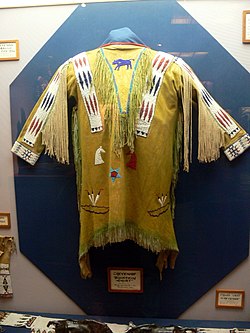
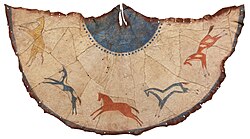
かつての彼らは、精巧なビーズ細工を施した衣服や、バッファローの皮を用いたティピー(円錐形テント)で生活し、自然と共生する高度な文化を持っていました。
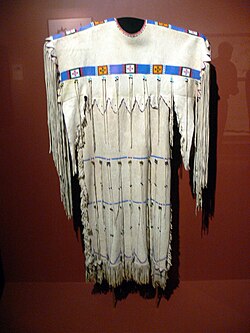
Cheyenne hide dress, c. 1920, Gilcrease Museum
Cheyenne beaded hide shirt, Woolaroc
Cheyenne model tipi, buffalo hide, 1860

Key Facts

  • 人口: 総数約22,970人(北シャイアン:10,840人、南シャイアン:12,130人)。
  • 主要居住地: アメリカ合衆国のモンタナ州およびオクラホマ州。
  • 言語: シャイアン語、英語、および平原手話。
  • 信仰: 伝統的な部族宗教に加え、ネイティブアメリカン教会やキリスト教が信仰されている。
  • 親族関係: アラパホ族やブラックフット族など、アルゴンキン語族に属する。

大平原への進出と生活様式の変遷

16世紀にヨーロッパ人と初めて接触した当時、シャイアン族は現在のミネソタ州付近に居住していました。しかし、17世紀から18世紀にかけて、アッシニボイン族やオジブウェ族などの他部族との衝突により、ミズーリ川を越えて現在のノースダコタ州やサウスダコタ州へと押し出されました。

この移動過程で彼らは馬文化を取り入れ、生活様式を劇的に変化させました。1730年頃には、彼らがもたらした馬の文化がラコタ族にも伝播したと言われています。その後、ブラックヒルズやパウダーリバー流域に定住し、広大な平原を自在に駆け巡る狩猟採集民としての地位を確立しました。
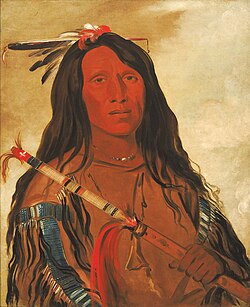
Chief Wolf-on-the-Hill (Cheyenne), portrait by George Catlin, 1832, in Fort Pierre, South Dakota

部族の分断と構成

かつてのシャイアン族(ツェヘスタノ)は10のバンド(集団)で構成されていましたが、19世紀半ばになると、地理的・政治的な理由から大きく2つのグループに分かれました。ブラックヒルズ付近に留まった北シャイアン(「北の食い手」を意味する)と、コロラド州のプラット川流域に定住した南シャイアン(「縄の人々」を意味する)です。
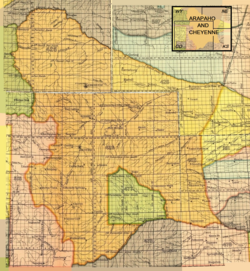
Arapaho and Cheyenne 1851 treaty territory. (Area 426 and 477). Area 477 is the reserve established by treaty of Fort Wise, February 18, 1861.

戦士の文化と対立の歴史

シャイアン族は、アラパホ族と密接な同盟関係を築き、共同で行動することが多くありました。一方で、クロウ族などの敵対部族とは激しい争いを繰り広げました。彼らの戦士文化は非常に高度で、戦功を称える「クー(Coup)」という習慣や、特定の社会組織(クレイジー・ドッグ・ソサエティなど)が存在していました。

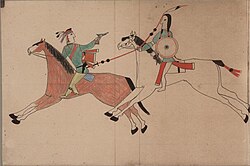
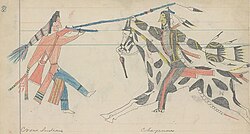
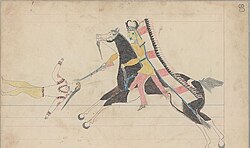
当時の戦いの様子は「レジャー・ドローイング(帳簿への素描)」として記録されており、メキシコ軍の槍騎兵や他部族との激突シーンが詳細に描かれています。
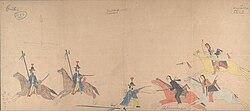
Ledger drawing by Hubble Big Horse showing a battle between Cheyenne warriors and Mexican lancers.
Ledger drawing showing a battle between a Cheyenne warrior (right) and an Osage or Pawnee warrior (left).
Ledger drawing of a mounted Cheyenne warrior counting coup with lance on a dismounted Crow warrior.
Ledger drawing of a Cheyenne warrior with pronghorn horned headdress, symbol of the Crazy Dog Society.

軍装と象徴

戦士たちは自らの地位や勇猛さを示すため、独特の装束を身にまといました。中には鎧のような防具を着用した戦士もおり、その勇姿は当時の記録に残されています。
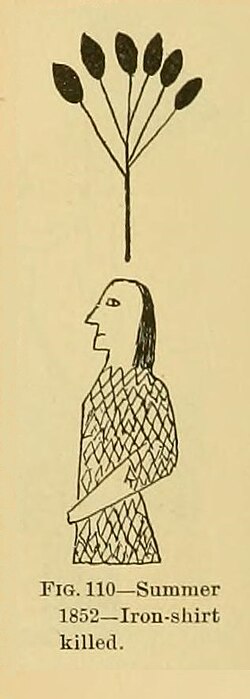
Cheyenne warrior Alights on the Cloud in his armor. He was killed during an attack on a Pawnee hunting camp in 1852

アメリカ政府との衝突と悲劇

19世紀、西進を続けるアメリカ合衆国政府との間で、土地と生存権をかけた激しい衝突が起こりました。1851年のフォートララミー条約などで一時的な和平が模索されましたが、ゴールドラッシュによる入植者の急増が状況を悪化させました。

サンドクリーク虐殺とワシタ川の戦い

1864年、平和的な解決を望んでいたブラックケトル酋首率いるキャンプが、コロラド民兵によって襲撃されました。これがサンドクリーク虐殺であり、多くの中立的な女性や子供が犠牲となりました。その後も、カスター将軍によるワシタ川の戦いなど、政府軍による苛烈な攻撃が続きました。
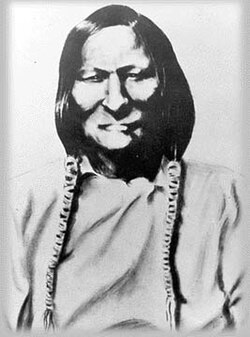
Chief Black Kettle of the Southern Cheyenne, an advocate of peace among his people.

リトルビッグホーンの戦いとその後

1876年、北シャイアンはラコタ族らと共に、ジョージ・アームストロング・カスター将軍率いる第7騎兵連隊を撃破しました。これが有名なリトルビッグホーンの戦いです。しかし、この勝利は政府側の激しい反発を招き、さらなる弾圧へとつながりました。
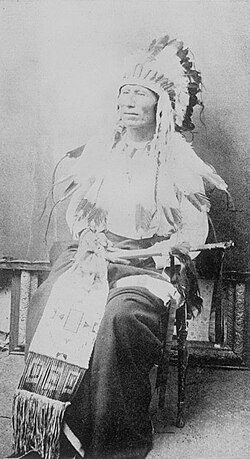
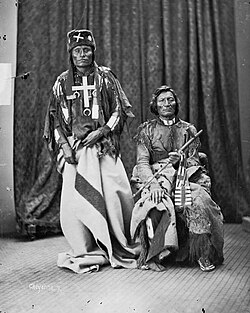
Morning Star (aka Dull Knife) (Cheyenne: Vóóhéhéve or Lakota: Tamílapéšni), Chief of Northern Cheyenne at Battle of Little Bighorn
Little Coyote (Little Wolf) and Morning Star (Dull Knife), chiefs of the Northern Cheyenne

苦難の旅と現代への継承

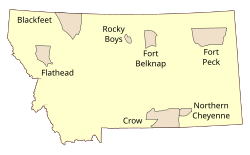
戦後、北シャイアンは南部の保留地への強制移住を命じられましたが、故郷へ戻るために過酷な脱出劇(エグゾダス)を繰り広げました。多くの犠牲を払いながらも、彼らの不屈の精神は受け継がれ、最終的にモンタナ州に現在の北シャイアン保留地が設立されました。
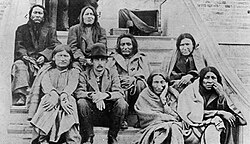

Cheyenne prisoners in Kansas involved in escape northward. From left to right: Tangle Hair, Wild Hog, Strong Left Hand, George Reynolds (interpreter), Old Crow, Noisy Walker, Porcupine, and Blacksmith. All prisoners were released free from charges.
Flag of the Northern Cheyenne Tribe of the Northern Cheyenne Indian Reservation in Montana
Map of Indian Reservations in the state of Montana including the Northern Cheyenne Reservation.

現代のシャイアン族は、伝統的な儀式や言語の保存に努めると同時に、教育や政治を通じて自立した道を歩んでいます。かつての戦士たちが守ろうとした誇りは、今も彼らのアイデンティティの核となっています。

W. Richard West Jr., former director and cofounder of the Smithsonian's National Museum of the American Indian
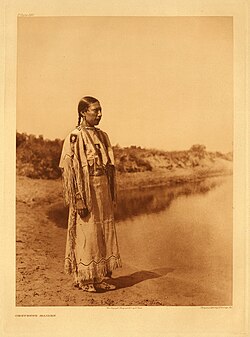
Cheyenne woman photograph by Edward S. Curtis, 1930
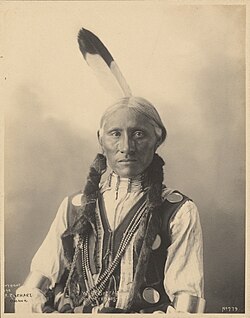
White Buffalo, a Northern Cheyenne chief who received the rank of sergeant in the United States Army.
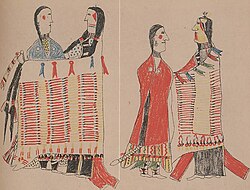
Cheyenne courting scenes, by Big Back, before 1882

シャイアン族の概要まとめ

シャイアン族の基本データ
項目 北シャイアン (Northern Cheyenne) 南シャイアン (Southern Cheyenne)
主な居住地 モンタナ州 オクラホマ州
人口(概数) 約10,840人 約12,130人(アラパホ族含む)
自称の意味 「北の食い手」 「縄の人々」
歴史的特徴 リトルビッグホーンの戦いに参戦 ブラックケトル酋首による平和交渉

Frequently Asked Questions

シャイアン族はもともとどこに住んでいたのですか?

彼らはもともと現在のミネソタ州を含む五大湖周辺の森林地帯に住んでいましたが、他部族との衝突により西へ移動し、最終的に大平原の文化に適応しました。

馬文化」が彼らに与えた影響は何ですか?

馬の導入により、移動能力と狩猟効率が飛躍的に向上しました。これにより、定住生活から広大な平原を移動する遊牧的な生活様式へと移行し、強力な戦士集団としての地位を築きました。

北シャイアンと南シャイアンの違いは何ですか?

主に地理的な分断によるものです。北シャイアンはモンタナ州を中心に活動し、ラコタ族と強い結びつきを持っていました。一方、南シャイアンはオクラホマ州付近でアラパホ族と共に活動し、政府との平和的な共存を模索した傾向があります。

リトルビッグホーンの戦いでの役割は?

北シャイアンはラコタ族やアラパホ族と連合し、カスター将軍率いる米軍を撃破する重要な役割を果たしました。これは先住民側にとって最大級の勝利の一つとされています。

現在、シャイアン語は話されていますか?

はい、現在も話されていますが、英語の普及により話者は減少しています。そのため、部族の大学などで言語の保存と継承のための取り組みが行われています。

References

  1. "Northern Cheyenne Tribe website". Archived from the original on February 2, 2011. Retrieved November 11, 2013.
  2. Oklahoma Indian Affairs. Oklahoma Indian Nations Pocket Pictorial Directory. Archived 2009-02-11 at the 2008:7
  3. "Dictionary and Thesaurus - Merriam-Webster". Archived from the original on January 16, 2025. Retrieved April 27, 2025.
  4. "Cheyenne, Southern." Archived 2009-02-28 at the Oklahoma History Center's Encyclopedia of Oklahoma History and Culture. Retrieved 3 July 2013.
  5. Walker, James R. & DeMallie, Raymond J. "Lakota Society" 1992.
  6. "Northern Cheyenne Tribe website". Archived from the original on February 2, 2011. Retrieved February 22, 2009.
  7. Chief Dull Knife College "Cheyenne Dictionary" 2007-09-05. Retrieved June 10, 2013
  8. Grinnell, The Cheyenne Indians, p. 10
  9. Grinnell, The Fighting Cheyenne, p. 2.
  10. "What is the origin of the word "Cheyenne"?". Cheyenne Language Web Site. March 3, 2002. Archived from the original on August 7, 2009. Retrieved September 21, 2007.

📸 フォトギャラリー

Cheyenne hide dress, c. 1920, Gilcrease Museum
Cheyenne beaded hide shirt, Woolaroc
Cheyenne model tipi, buffalo hide, 1860
W. Richard West Jr., former director and cofounder of the Smithsonian's National Museum of the American Indian
Cheyenne woman photograph by Edward S. Curtis, 1930
Chief Wolf-on-the-Hill (Cheyenne), portrait by George Catlin, 1832, in Fort Pierre, South Dakota
Ledger drawing by Hubble Big Horse showing a battle between Cheyenne warriors and Mexican lancers.
Ledger drawing showing a battle between a Cheyenne warrior (right) and an Osage or Pawnee warrior (left).
Ledger drawing of a mounted Cheyenne warrior counting coup with lance on a dismounted Crow warrior.
Ledger drawing of a Cheyenne warrior with pronghorn horned headdress, symbol of the Crazy Dog Society.
Arapaho and Cheyenne 1851 treaty territory. (Area 426 and 477). Area 477 is the reserve established by treaty of Fort Wise, February 18, 1861.
Cheyenne warrior Alights on the Cloud in his armor. He was killed during an attack on a Pawnee hunting camp in 1852
Morning Star (aka Dull Knife) (Cheyenne: Vóóhéhéve or Lakota: Tamílapéšni), Chief of Northern Cheyenne at Battle of Little Bighorn
Chief Black Kettle of the Southern Cheyenne, an advocate of peace among his people.
Little Coyote (Little Wolf) and Morning Star (Dull Knife), chiefs of the Northern Cheyenne
Cheyenne prisoners in Kansas involved in escape northward. From left to right: Tangle Hair, Wild Hog, Strong Left Hand, George Reynolds (interpreter), Old Crow, Noisy Walker, Porcupine, and Blacksmith. All prisoners were released free from charges.
Flag of the Northern Cheyenne Tribe of the Northern Cheyenne Indian Reservation in Montana
White Buffalo, a Northern Cheyenne chief who received the rank of sergeant in the United States Army.
Map of Indian Reservations in the state of Montana including the Northern Cheyenne Reservation.
Cheyenne courting scenes, by Big Back, before 1882