私たちの身近なパートナーである猫ですが、その本能的な狩猟行動が地球規模で野生動物に深刻な影響を与えていることは意外に知られていません。飼い猫であっても、屋外に出る機会があればその本能は失われず、小動物や鳥類を捕食します。一部ではネズミ駆除などの害獣管理に利用されることもありますが、科学的な視点からは、都市部のラット対策としての効果は限定的である一方、在来種への被害が極めて大きいことが指摘されています。
猫は環境適応能力が高く、多様な獲物を狙うため、世界各地の生態系において「侵略的な捕食者」として機能してしまいます。この問題の解決を難しくしているのは、人間と猫の深い感情的な結びつきであり、環境保護の必要性とペットへの愛情の間で社会的な葛藤が生じている点にあります。
Key Facts
- 絶滅への寄与: オーストラリアでは少なくとも20種の在来哺乳類が猫の影響で絶滅し、さらに124種以上が絶滅の危機にあります。
- 世界的な被害: 2023年の調査では、猫が2,084種もの動物を捕食しており、そのうち約16.5%が保全上の懸念がある種でした。
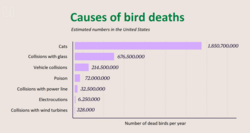
- 鳥類への甚大な影響: 米国では毎年、数十億羽の鳥が猫によって殺されていると推定されています。
- 島嶼部の脆弱性: 島という閉鎖的な環境では、大陸よりも保全対象種の被害が3倍多くなる傾向があります。
捕食の実態と地域別の被害状況
北米および欧州での影響
米国における研究では、人間活動に起因する鳥類および小哺乳類への最大の脅威として、屋外に出る飼い猫や野良猫が挙げられています。年間で13億〜37億羽の鳥、そして63億〜223億匹の哺乳類(ネズミ、トガリネズミ、リス、ウサギなど)が犠牲になっているという衝撃的な推計があります。
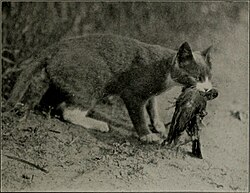
西欧においても、庭に訪れる鳥の死亡原因の12.8%から26.3%を猫が占めており、近年の傾向としてその死亡率は上昇しています。
オーストラリアと島嶼生態系
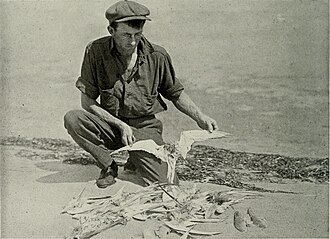
オーストラリアでは、特に爬虫類への被害が顕著です。年間約6億5,000万匹のトカゲやヘビが捕食されており、絶滅危惧種を含む250種以上の爬虫類が標的となっています。ある個体の胃からは、一度に40匹分ものトカゲの残骸が見つかった事例もあります。
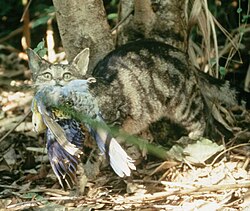
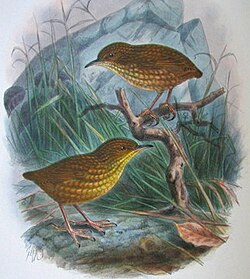
また、島嶼部への猫の導入は壊滅的な結果を招きます。例えば、スティーブンス島では猫の導入からわずか2年でライアリーズ wren(ライアリーズシジュク)が絶滅しました。世界全体で、島に固有の少なくとも33種が猫によって絶滅に追い込まれています。
その他の地域(中国・南アフリカ・カナダ)
中国では、屋外の猫が年間で数十億単位の無脊椎動物、魚類、両生類、爬虫類、鳥類、哺乳類を捕食していると推定されています。南アフリカのケープタウン近郊では、都市の縁に住む猫がテーブルマウンテン国立公園内で年間20万匹以上の動物を殺しており、その半数が爬虫類でした。

カナダにおいても、年間1億から3億5,000万羽の鳥が犠牲になっていると考えられています。
攻撃による直接的・間接的なダメージ
致死率の高い負傷と感染症
猫に襲われた野生動物は、たとえ専門的な治療を受けたとしても生存率が極めて低くなります。哺乳類の70%以上、鳥類の80%以上が治療後も死亡するというデータがあります。外傷がない場合でも、多くの個体が死亡に至ります。
主な死因は、猫の口内に常在するパステレラ・ムルティシダ(Pasteurella multocida)という強力な細菌による全身感染症です。この感染症は、小動物をわずか15時間で死に至らしめることがあります。また、皮膚が剥がれる「デグロービング」や深い刺し傷など、羽毛や毛に隠れて見えにくい傷が致命傷となります。
「恐怖の生態学」と二次被害
直接的な攻撃を免れたとしても、猫の存在自体が野生動物に強いストレスを与え、行動を制限させます。また、攻撃から生き延びた個体は衰弱しているため、他の捕食者に狙われやすくなったり、病気にかかりやすくなったりするという二次的なリスクにさらされます。
疾病の媒介と公衆衛生への影響
猫は単なる捕食者ではなく、病原体のキャリア(媒介者)としても機能します。特にトキソプラズマ症を引き起こす寄生虫は、猫を終宿主として広がり、陸上の動物だけでなくラッコなどの海洋生物にまで被害を及ぼしています。
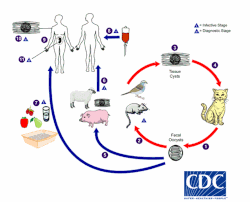
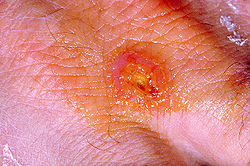
また、野兎病(Tularemia)などの人獣共通感染症を媒介する可能性もあり、野生動物、ペット、そして人間の健康に影響を与えるリスクを孕んでいます。
環境負荷を軽減するための対策
個体数管理と物理的遮断
野良猫の個体数管理としてTNR(捕獲・不妊去勢手術・元の場所に戻す)が行われていますが、一部の専門家は、十分な手術率が達成されない限り個体数の減少には繋がらず、限定的な効果しかないと指摘しています。

より抜本的な対策として、物理的なフェンスの設置が有効です。オーストラリアのニューヘイブン野生動物保護区では、1,600kmに及ぶ捕食者排除フェンスを建設し、650平方キロメートルの「猫ゼロ地帯」を創出することで、絶滅危惧種の再導入を目指しています。
生息域からの完全排除と回復
アセンション島では、19世紀に導入され海鳥のコロニーを崩壊させた猫を、2002年から2004年にかけて完全に排除しました。その結果、2007年までに5種の海鳥が再び島に営巣し始めたことが確認されており、徹底した排除が生態系回復に直結することが証明されています。
飼い主による行動改善
飼い猫による被害を減らすためには、室内飼育の徹底が最も効果的です。また、肉含有量の高い食事の提供や、おもちゃを用いた遊びによる刺激(行動学的エンリッチメント)を与えることで、狩猟本能を充足させ、屋外での捕食行動を抑制できる可能性が示唆されています。
まとめ:猫と野生動物の共生に向けて
| 影響項目 | 主な被害・リスク | 特筆すべき地域・事例 |
|---|---|---|
| 生物多様性 | 数百種の捕食、多数の種を絶滅へ導く | オーストラリア、世界各地の島嶼部 |
| 鳥類・哺乳類 | 年間数十億単位の個体が犠牲 | 米国、カナダ、西欧 |
| 健康被害 | パステレラ菌による急性感染、トキソプラズマ症 | 野生動物および海洋生物 |
| 対策手法 | 室内飼育、排除フェンス、完全駆除 | ニューヘイブン保護区、アセンション島 |
Frequently Asked Questions
猫を屋外に放すと、なぜ野生動物に大きな被害が出るのですか?
猫は非常に優れた狩猟本能を持っており、空腹でなくても獲物を追う習性があるためです。また、環境適応力が高く、鳥類から爬虫類まで幅広い種を効率的に捕食できるため、特に天敵のいない島嶼部などでは在来種にとって壊滅的な脅威となります。
猫に襲われた鳥や小動物は、治療すれば助かるのでしょうか?
残念ながら生存率は非常に低いです。猫の口内にいるパステレラ菌などの強力な細菌が原因で、外傷がなくても短時間で全身感染症を起こし、死に至るケースが多く報告されています。
野良猫によるネズミ駆除は、都市部の衛生管理に有効ですか?
科学的な根拠は乏しく、推奨されていません。猫が都市部のラット個体数を効果的に制御できているという証拠はなく、むしろ希少な野鳥や在来の小動物を不必要に殺してしまうデメリットの方が大きいと考えられています。
飼い主として、野生動物を守るためにできることは何ですか?
最も有効なのは「完全室内飼育」です。どうしても屋外に出す場合は、鈴をつけるなどの対策もありますが、室内で十分な食事と遊び(おもちゃでの運動)を提供し、狩猟本能を適切に満たしてあげることが重要です。
TNR(不妊去勢手術)は環境保護に役立ちますか?
個体数の急増を抑える効果はありますが、すでに存在する猫による捕食は止まりません。また、十分な割合の個体に手術が行われない限り、地域全体の個体数を減少させることは難しいため、環境保護の観点からは不十分であるという意見があります。
References
- Kobilinsky, Dana (3 October 2018). "Rats! Feral cats fail at urban rodent control". The Wildlife Society. Retrieved 28 February 2020.
- Parsons, Michael H.; Banks, Peter B.; Deutsch, Michael A.; Munshi-South, Jason (27 September 2018). "Temporal and Space-Use Changes by Rats in Response to Predation by Feral Cats in an Urban Ecosystem". Frontiers in Ecology and Evolution. 6 146. :10.3389/fevo.2018.00146.
- Solly, Meilan. "Cats Are Surprisingly Bad at Killing Rats". Smithsonian Magazine. Retrieved 28 February 2020.
- "Cats Are No Match for New York City's Rats". . 28 September 2018.
- Calver, Michael C.; Cherkassky, Linda (19 September 2023). "The animal welfare, environmental impact, pest control functions, and disease effects of free-ranging cats can be generalized and all are grounds for humanely reducing their numbers". Conservation Science and Practice. 5 (10) e13018. :10.1111/csp2.13018.
- Loss, Scott R.; Marra, Peter P. (October 12, 2017). "Population impacts of free-ranging domestic cats on mainland vertebrates". . 15 (9): 502–509. :2017FrEE...15..502L. :10.1002/fee.1633. 44989405. 89648301.
- Price Persson, Charlotte (26 November 2017). "Scientist: Australia's feral cats should be eradicated". ScienceNordic.
- Nogales, Manuel; Vidal, Eric; Medina, Félix M.; Bonnaud, Elsa; Thershy, Bernie R.; Campbell, Karl J.; Zavaleta, Erika S. (1 October 2013). "Feral Cats and Biodiversity Conservation: The Urgent Prioritization of Island Management" (PDF). BioScience. 63 (10): 804–810. :10.1525/bio.2013.63.10.7.
- Loss, Scott R.; Boughton, Brooke (2022). "Review and synthesis of the global literature on domestic cat impacts on wildlife". Journal of Animal Ecology. 91 (7): 1361–1372. :2022JAnEc..91.1361L. :10.1111/1365-2656.13745. 35593055.
- Crowley, Sarah L; Cecchetti, Martina; McDonald, Robbie A (3 September 2020). "Diverse perspectives of cat owners indicate barriers to and opportunities for managing cat predation of wildlife". Frontiers in Ecology and the Environment. 18 (10): 544–549. :2020FrEE...18..544C. :10.1002/fee.2254. :10871/122799. 1540-9295.
📸 フォトギャラリー