洗練された物腰、完璧なタイミングのユーモア、そして時代を超越したエレガンス。ケーリー・グラントは、ハリウッド黄金時代において「最も完璧なスター」と称された俳優です。コメディからサスペンスまで、あらゆるジャンルで頂点を極めた彼の魅力は、単なる演技力にとどまらず、彼自身が作り上げた「スクリーン上の人格(ペルソナ)」にありました。
Key Facts
- 本名:アーチボルド・アレック・リーチとしてイギリスのブリストルに誕生。
- キャリア:1932年から1966年までに70本以上の映画に出演。
- 評価:アメリカ映画協会(AFI)により、黄金時代の男性スター第2位に選出。
- 代表作:『北北西へ』『氷上の楽園』『フィラデルフィア・ストーリー』など。
- 栄誉:アカデミー名誉賞(1970年)およびケネディセンター名誉賞(1981年)を受賞。
早年の歩みと舞台での研鑽
1904年、イギリスのブリストルで生まれた彼は、もともとアーチボルド・アレック・リーチという名でした。少年時代の彼は地元のフェアフィールド・グラマー・スクールで学び、そこで知的な基礎を築きました。
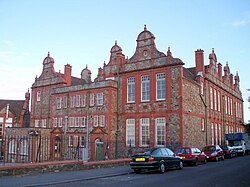
その後、彼はヴォードヴィル(寄席のような演芸場)の世界に飛び込み、パフォーマンスのスキルを磨きます。ニューヨークのヒポドロームなどの大舞台で経験を積み、観客を惹きつける術を身につけていきました。
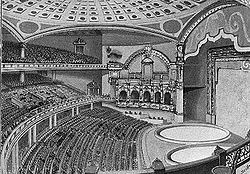
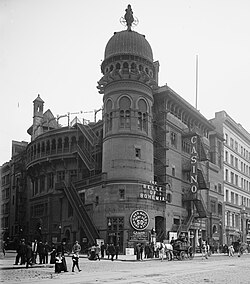
ブロードウェイのキャシーノ劇場で出演したシュベルトの『ブーム・ブーム』などの舞台経験は、後の映画キャリアにおける完璧なコメディ・タイミングの礎となりました。
映画界への進出とスターダムへの道
1932年に映画デビューを果たしたグラントは、当初からその端正なルックスと天性の才能で注目を集めました。1930年代半ばには、すでにハリウッドの主要なスターとしての地位を確立し始めていました。
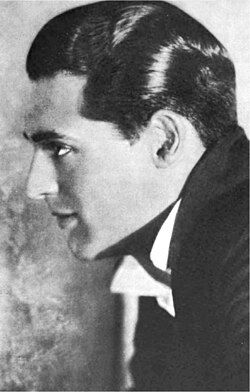
デビュー作『This is the Night』では、ロランド・ヤングやリリ・ダミタらと共に共演し、スクリーンでの存在感を証明しました。
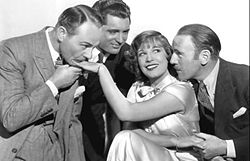
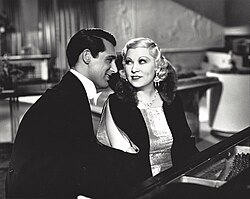
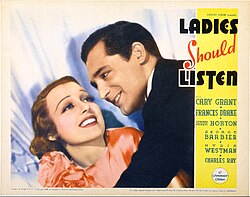
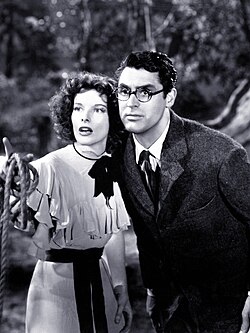
その後、メイ・ウェストとの共演作『She Done Him Wrong』などで、大人の色気とユーモアを兼ね備えたキャラクターを確立。1930年代後半には、キャサリン・ヘプバーンとの黄金コンビによる『Bringing Up Baby』や『Holiday』などのスクリューボール・コメディ(テンポの速い会話劇が特徴の喜劇)で絶頂期を迎えます。
成熟期とヒッチコックとの邂逅
1940年代に入ると、グラントはコメディだけでなく、深い心理描写を必要とするドラマやサスペンスでも高い評価を得るようになります。ジョアン・フォンテインとの『Suspicion』では、その演技の幅を広げました。
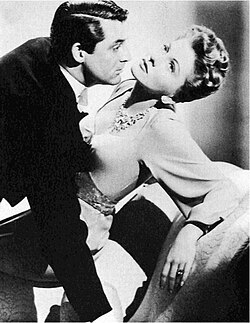
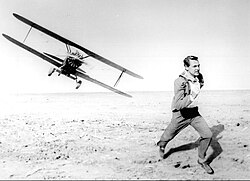
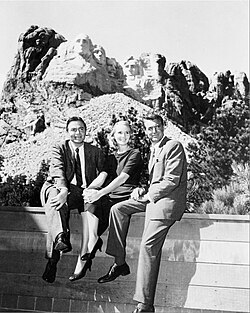
特に、巨匠アルフレッド・ヒッチコック監督とのタッグは伝説的です。『Notorious』や、後年の『North by Northwest』において、彼は知的な緊張感と軽妙さを同時に表現し、映画史に残る名シーンを数多く創り出しました。
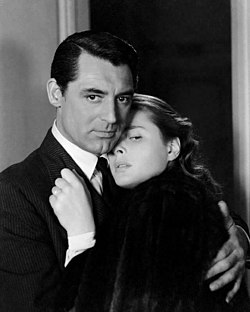
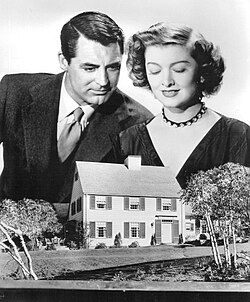
1940年代後半には、マイナ・ロイとの共演作『Mr. Blandings Builds His Dream House』など、成熟した大人の魅力を放つ作品に多く出演しました。
晩年の活動と私生活
1950年代から60年代にかけても、グレース・ケリーとの『To Catch a Thief』や、オードリー・ヘプバーンとの『Charade』など、洗練された作品に出演し続けました。1966年に俳優業から退いた後も、その影響力は衰えることがありませんでした。
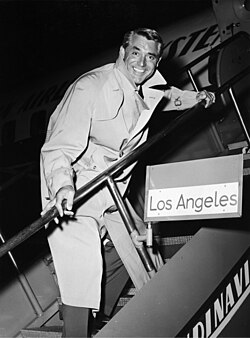
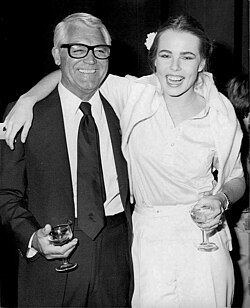
私生活では5度の結婚を経験しましたが、1965年に結婚したダイアン・キャノンとの間に、唯一の子供である娘ジェニファーを授かりました。彼は娘のことを「人生で最高の作品」と呼ぶほど深く愛していました。
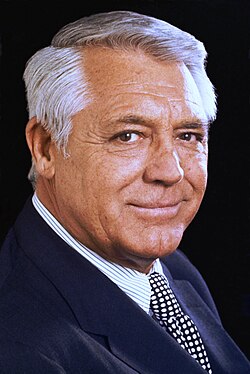
また、政治的な関心も高く、1976年の共和党全国大会で演説を行うなど、公的な場でもそのカリスマ性を発揮しました。
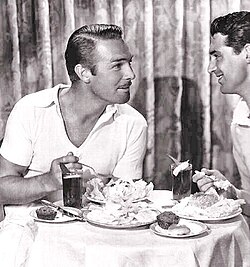
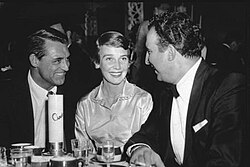
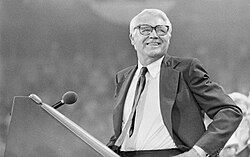
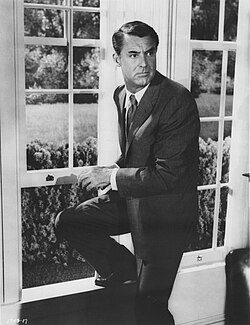
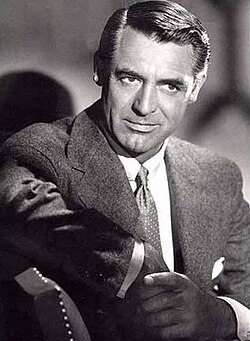
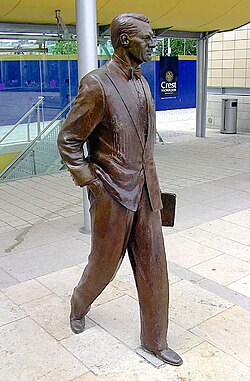
1986年11月29日、アイオワ州ダベンポートにて82歳でこの世を去りました。彼の故郷であるブリストルには、現在、彼の功績を称える像が建てられています。
ケーリー・グラントの足跡まとめ
| 項目 | 詳細 |
|---|---|
| 活動期間 | 1932年 〜 1966年 |
| 主なジャンル | スクリューボール・コメディ、サスペンス、ドラマ |
| 国籍 | イギリス(出生)、アメリカ(1942年より) |
| 主要な受賞 | アカデミー名誉賞、ケネディセンター名誉賞 |
| 代表的な共演者 | キャサリン・ヘプバーン、イングリッド・バーグマン、オードリー・ヘプバーン |
Frequently Asked Questions
本名は何でしたか?
本名はアーチボルド・アレック・リーチ(Archibald Alec Leach)です。映画界に入る際に「ケーリー・グラント」という芸名を名乗りました。
どのような映画ジャンルで特に有名ですか?
特に1930年代から40年代にかけての「スクリューボール・コメディ」と呼ばれる快活な喜劇で絶大な人気を誇りましたが、アルフレッド・ヒッチコック監督作品などのサスペンス映画でも高く評価されています。
アメリカ国籍はいつ取得しましたか?
1942年にアメリカ合衆国の市民権を取得しました。
子供はいましたか?
はい、4番目の妻であるダイアン・キャノンとの間に、娘のジェニファー・グラントさんが一人います。
映画界での評価はどうでしたか?
アメリカ映画協会(AFI)によって、ハリウッド黄金時代の男性スターの中で、ハンフリー・ボガートに次いで2番目に偉大なスターであると認定されています。
References
- His middle name was recorded as "Alec" on birth records, although he used "Alexander" on his naturalization application form in 1942.
- Among the reasons that he gave for believing so was that he was circumcised, and was and still is rare in Britain outside the Jewish community. In 1948, he donated a large sum of money to help the newly established State of Israel, declaring that it was "in the name of his dead Jewish mother". He also speculated that his appearance, with brown curly hair, could be due to his father's partly Jewish descent. There is no genealogical or substantial evidence about possible Jewish ancestry, however. He turned down the leading role in Gentleman's Agreement in the 1940s, playing a non-Jewish character who pretends to be Jewish, because he believed that he could not effectively play the part. He donated considerable sums to Jewish causes over his lifetime. In 1939, he gave Jewish actor $25,000.
- Wansell states that John was a "sickly child" who frequently came down with a fever. He had developed gangrene on his arms after a door was slammed on his thumbnail while his mother was holding him. She stayed up night after night nursing him, but the doctor insisted that she get some rest—and he died the night that she stopped watching over him.
- Wansell notes that Grant hated mathematics and Latin and was more interested in geography, because he "wanted to travel".
- Grant likely made further changes to his accent after electing to remain in the United States, in an effort to make himself more employable. The slight Cockney accent that Grant had picked up during his time with the Pender troupe, blended with his efforts to sound American, resulted in his unique manner of speaking.
- The play's success prompted a screen test for Grant and MacDonald by Paramount Publix Pictures at in New York, which resulted in MacDonald being cast opposite in (1929). Grant was rejected, and informed that his neck was "too thick" and his legs were "too bowed".
- The productions included , Music in May, Nina Rosa, , and .
- Grant was later so embarrassed by the scene and he requested that it be omitted from his 1970 Academy Award footage.
- Grant later worked with Gering in and (both 1932).
- Grant agreed that "Archie just doesn't sound right in America. It doesn't sound particularly right in Britain either". While having dinner with Fay Wray, she suggested that he choose "Cary Lockwood", the name of his character in Nikki. Schulberg agreed the name "Cary" was acceptable, but was less satisfied with "Lockwood" as it was too similar to another actor's surname. Schulberg then gave Grant a list of surnames compiled by Paramount's publicity department, out of which he chose "Grant".
📸 フォトギャラリー