ホウ素(B)は、周期表の第13族に属する非金属元素であり、その特異な化学的性質から、最先端の工業材料から高度な医療技術まで幅広く活用されています。自然界では単体で存在することはなく、主にホウ酸塩などの化合物として鉱床に蓄積しています。
この元素の最大の特徴は、炭素に近い性質を持ちながらも、電子不足の構造を持つため、非常に複雑で多様な化合物やクラスターを形成することにあります。

Key Facts
- 原子番号5のpブロック元素で、標準原子量は約10.81。
- 極めて高い硬度を持ち、特にホウ素化合物はダイヤモンドに次ぐ硬度を示すものがある。
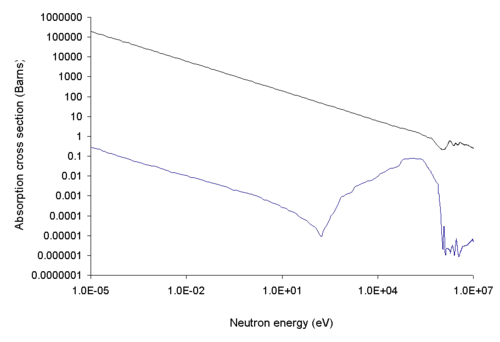
- 中性子吸収能に優れ、原子力発電所の制御棒などに利用される。
- ホウケイ酸ガラスの主原料となり、耐熱性に優れたガラス製品を実現する。
- BNCT(ホウ素中性子捕捉療法)として、がん治療への応用が進んでいる。
ホウ素の物理的・化学的性質
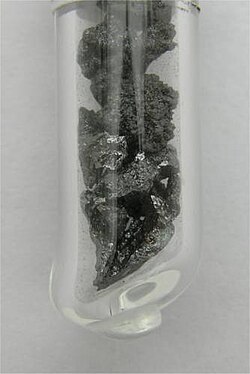
ホウ素は黒褐色の固体として現れ、融点は2076°C、沸点は3927°Cという非常に高い熱的安定性を誇ります。また、モース硬度は約9.5に達し、極めて硬い物質であることがわかります。
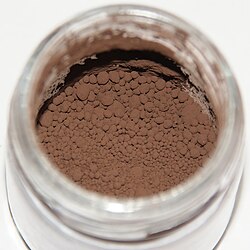
結晶構造には複数の同素体が存在し、α-菱面体晶、β-菱面体晶、β-正方晶などが知られています。これらの構造の違いにより、密度や硬度、バンドギャップなどの物理的特性が変化します。
原子構造と結合の特性
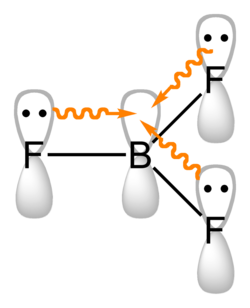
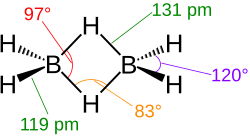
ホウ素は価電子を3個持ち、sp2混成軌道による平面三角形構造や、sp3混成軌道による正四面体構造を形成します。特に、電子が不足しているため、3中心2電子結合などの特殊な結合様式をとり、ボラン(ホウ素水素化物)のような複雑なクラスター構造を作り出します。
![Ball-and-stick models showing the structures of the boron skeletons of borane clusters. The structures can be rationalised by polyhedral skeletal electron pair theory.[58]](/images/93/de/93de5b7a76a9b95e383ac06190468f72d04444d654506d6adf4d2a20288d18f7.png)
主要な化合物と産業利用
ホウ素は単体よりも化合物としての利用価値が高く、多岐にわたる分野で不可欠な素材となっています。
耐熱ガラスとセラミックス
ホウ素を酸化ケイ素に加えたホウケイ酸ガラスは、熱膨張係数が低いため、急激な温度変化による破損が少なく、理化学用器具(ビーカーや試験管)に広く採用されています。
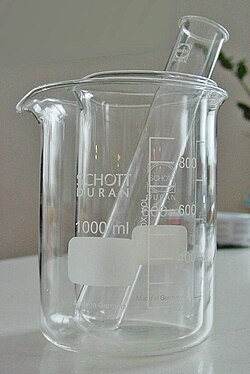
また、ホウ素と炭素が結合した炭化ホウ素(B4C)は、超硬質セラミックスとして知られ、耐摩耗性の高い工業用研磨剤や防弾プレートなどに利用されています。
![Unit cell of B4C. The green sphere and icosahedra consist of boron atoms, and black spheres are carbon atoms.[69]](/images/d2/92/d292d7d42db08361c83ac23e7a123dc385e6b8226af765f84c8440426f42b851.png)
天然鉱物と資源
自然界では、ホウ砂(ボラックス)やウレキサイトなどの鉱物として存在します。世界的な生産拠点の一つにカリフォルニア州のリオティント・ボラックス鉱山があり、世界の供給量の約4分の1を担っています。
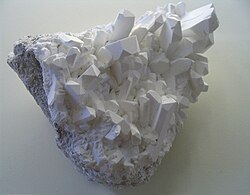
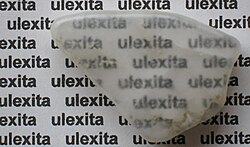
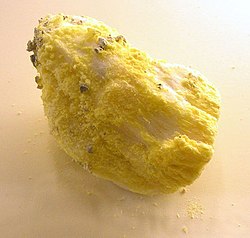
![Ball-and-stick model of tetraborate anion, [B4O5(OH)4]2−, as it occurs in crystalline borax, Na2[B4O5(OH)4]·8H2O. Boron atoms are pink, with bridging oxygens in red, and four hydroxyl hydrogens in white. Note two borons are trigonally bonded sp2 with no formal charge, while the other two borons are tetrahedrally bonded sp3, each carrying a formal charge of −1. The oxidation state of all borons is III. This mixture of boron coordination numbers and formal charges is characteristic of natural boron minerals.](/images/17/be/17be863322aae22a989380aa9b48cd26de44f11adefcd27c179fca5ea3ea0cd8.png)
特殊材料とエネルギー分野
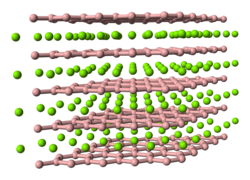
ホウ素は中性子を吸収する能力が非常に高いため、核原子炉の遮蔽材や中性子吸収材として極めて重要です。また、二ホウ化マグネシウム(MgB2)のような超伝導材料の研究も進んでいます。
生物学的役割と安全性
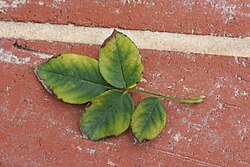
植物にとってホウ素は微量ながら必須の栄養素であり、欠乏すると成長に影響が出ます。しかし、過剰に摂取すると毒性を示すため、適切な濃度管理が必要です。
人間への影響については、一般的に低毒性ですが、高濃度のホウ酸塩などの摂取は健康リスクを伴います。NFPA 704の危険性指標では、火災・健康・反応性の各項目で低い数値が割り当てられています。

ホウ素の基本特性まとめ
| 項目 | 値・特性 |
|---|---|
| 原子番号 / 原子量 | 5 / 10.81 ± 0.02 |
| 融点 / 沸点 | 2076 °C / 3927 °C |
| モース硬度 | 約 9.5 |
| 主な同素体 | α-菱面体晶, β-菱面体晶, β-正方晶 |
| 主な酸化状態 | +3 (一般的), -5, -1, 0, +1, +2 |
| 電気抵抗率 | 約 10 Ω⋅m (20 °C) |
Frequently Asked Questions
ホウ素中性子捕捉療法(BNCT)とはどのような治療法ですか?
ホウ素化合物のがん細胞への選択的な集積性を利用した治療法です。ホウ素を投与した後に低エネルギーの中性子を照射すると、がん細胞内のホウ素が中性子を吸収して核反応を起こし、アルファ粒子とリチウム原子核を放出します。これにより、周囲の正常組織への影響を抑えつつ、がん細胞のみをピンポイントで破壊することが可能です。
ホウケイ酸ガラスが熱に強いのはなぜですか?
ガラスの主成分である二酸化ケイ素に三酸化ホウ素を加えることで、ガラスネットワークの構造が変化し、熱膨張係数が大幅に低下するためです。これにより、加熱や冷却による体積変化が小さくなり、熱衝撃による割れが発生しにくくなります。
ホウ素は自然界に単体で存在しますか?
いいえ、ホウ素は反応性が高く、自然界では単体で存在することはありません。通常はホウ酸塩(ボレート)などの化合物として、蒸発岩などの鉱床に存在しています。
炭化ホウ素(B4C)の主な用途は何ですか?
極めて高い硬度を持つため、工業用の研磨剤や切削工具の素材として利用されます。また、軽量で強度が高いため、防弾チョッキのプレートや装甲板などの防護材料としても活用されています。
ホウ素の同位体にはどのようなものがありますか?
天然には安定同位体として、ホウ素10(約20%)とホウ素11(約80%)の2種類が存在します。特にホウ素10は中性子吸収断面積が非常に大きいため、核燃料制御などの特殊な用途に濃縮して利用されます。
References
- The and three billion years ago had oxygen levels than Earth's modern climate.
📸 フォトギャラリー