Pearl Harbor on October 30, 1941, a month before the attack, with Ford Island visible (in the center)
← ホームへ戻る

真珠湾攻撃太平洋戦争の幕開けとなった奇襲作戦の全貌

🗓 2026年8月14日

1941年12月7日(日本時間8日)、ハワイ・オアフ島の真珠湾(パールハーバー)で発生した日本軍による大規模な奇襲攻撃は、世界史の転換点となりました。この作戦は、アメリカ合衆国の太平洋艦隊を無力化し、東南アジアへの進出を容易にすることを目的としていました。

当時のアジア太平洋地域の情勢は極めて緊迫しており、日本は資源確保と戦略的優位性を求めて大胆な軍事行動に出ました。
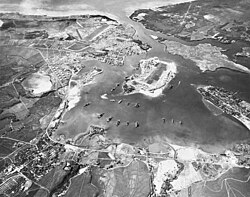
Pearl Harbor on October 30, 1941, a month before the attack, with Ford Island visible (in the center)
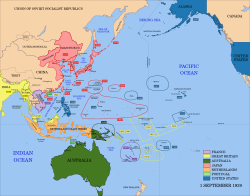
Political Map of the Asia-Pacific Region, 1939

Key Facts

  • 作戦目的:アメリカ太平洋艦隊の主力である戦艦を撃破し、制海権を確保すること。
  • 攻撃規模:6隻の航空母艦から出撃した計353機の航空機による2波の攻撃。
  • 米軍の被害:戦艦4隻が沈没、4隻が損傷し、軍民合わせて2,403名が犠牲となった。
  • 日本軍の被害:航空機29機を喪失し、129名が戦死した。
  • 歴史的結果:アメリカの対日参戦を招き、太平洋戦争へと突入した。

作戦の立案と実行プロセス

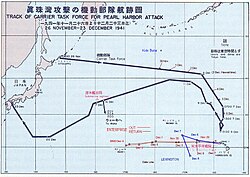
日本海軍山本五十六司令長官らが主導したこの計画は、航空主兵主義に基づいた極めてリスクの高い作戦でした。日本軍は、航空母艦を中心とした機動部隊を編成し、北太平洋のルートを通って密かにハワイへ接近しました。
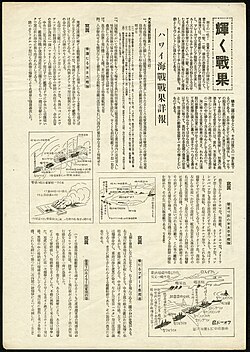
The Empire of Japan's 1941 attack plan on Pearl Harbor
The route followed by the Japanese fleet to Pearl Harbor and back

攻撃の主力となったのは、当時の最新鋭機であった三菱 A6M 零式艦上戦闘機(ゼロ戦)を含む航空部隊です。これらの機体は、航空母艦「赤城」などの甲板から出撃し、米軍の不意を突きました。
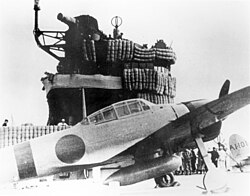
An Imperial Japanese Navy Mitsubishi A6M Zero fighter on the aircraft carrier Akagi
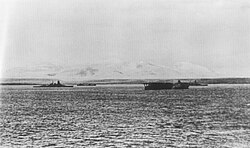
Part of the Japanese task force on November 22, 1941, before its departure

攻撃の展開と波状攻撃

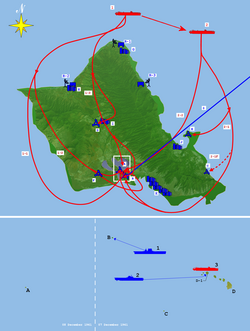
攻撃は2回に分けて行われました。第1波では、魚雷攻撃機、急降下爆撃機、および戦闘機が同時に襲撃し、戦艦が並ぶ「戦艦列(Battleship Row)」を重点的に攻撃しました。米軍のレーダーは攻撃機を検知していましたが、本土からのB-17爆撃機であると誤認したため、十分な警戒がなされませんでした。
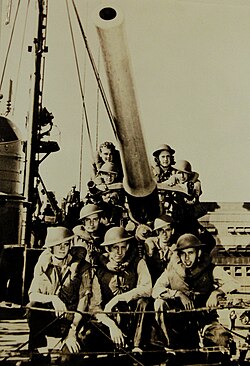
The gun crew of the Ward's number three, 4-inch gun fired the first shots of the Pacific War, sinking a Japanese midget submarine attempting to enter Pearl Harbor.
The Japanese attacked in two waves. The first wave was detected by United States Army radar at 136 nautical miles (252 km), but was misidentified as United States Army Air Forces bombers arriving from the American mainland.Top: A: Ford Island NAS. B: Hickam Field. C: Bellows Field. D: Wheeler Field. E: Kaneohe NAS. F: Ewa MCAS. R-1: Opana Radar Station. R-2: Kawailoa RS. R-3: Kaaawa RS. G: Kahuku. H: Haleiwa. I: Wahiawa. J: Kaneohe. K: Honolulu. 0: B-17s from mainland. 1: First strike group. 1-1: Level bombers. 1–2: Torpedo bombers. 1–3: Dive bombers. 2: Second strike group. 2-1: Level bombers. 2-1F: Fighters. 2-2: Dive bombers.Bottom: A: Wake Island. B: Midway Islands. C: Johnston Island. D: Hawaii. D-1: Oahu. 1: Lexington. 2: Enterprise. 3: First Air Fleet.

第2波では、航空機や格納庫などの地上施設が標的となりました。ヒカム飛行場などの軍事基地が激しく攻撃され、米軍の航空能力に大きな打撃を与えました。一方で、燃料タンクや潜水艦基地などの重要インフラは攻撃対象から外れていました。
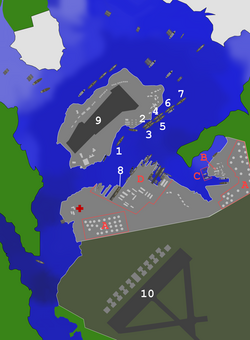
City Army base Navy baseAttacked targets: 1: USS California. 2: USS Maryland. 3: USS Oklahoma. 4: USS Tennessee. 5: USS West Virginia. 6: USS Arizona. 7: USS Nevada. 8: USS Pennsylvania. 9: Ford Island NAS. 10: Hickam field.Ignored infrastructure targets: A: Oil storage tanks. B: CINCPAC headquarters building. C: Submarine base. D: Navy Yard.
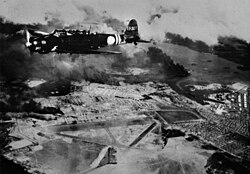
Second wave B5N2 Bomber Kate Over Hickam Field

被害状況と戦後の影響

この奇襲により、アメリカは戦艦アリゾナなどの主力艦を失い、甚大な人的・物的損害を被りました。しかし、米軍の主力である航空母艦が不在であったことは、後の戦局に大きな影響を与えることになります。

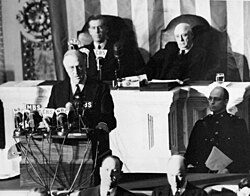
攻撃直後、アメリカ国内では衝撃が走り、フランクリン・D・ルーズベルト大統領は議会で「恥辱の日」としてこの出来事を演説し、日本への宣戦布告を求めました。
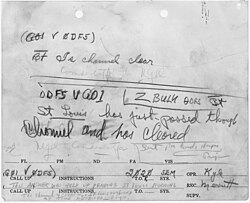
This message, in response to the question "Is channel clear?" denotes the first US ship, relates to orders for St. Louis to clear Pearl Harbor. It is now housed with the National Archives and Records Administration.
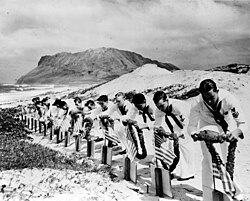
Memorial service at NAS Kaneohe for men killed during the attack on Pearl Harbor
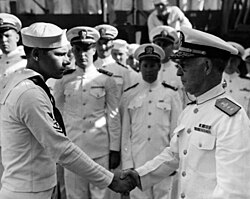
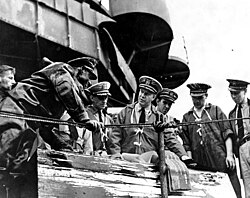
Rear Admiral Ernest G. Small (right) presents Purple Heart medals to enlisted men wounded in the Pearl Harbor attack

戦後、日本軍のパイロットの中には米軍によって軍礼をもって埋葬された例もあり、戦時下における複雑な人間模様も記録されています。また、沈没した艦船の引き揚げ作業は、翌1942年から本格的に開始されました。
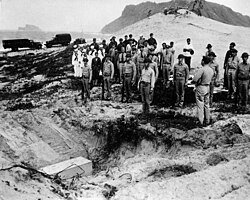
The body of Japanese fighter pilot Fusata Iida was buried with military honors by US troops on December 8, 1941.
Captain Homer N. Wallin (center) supervises salvage operations aboard USS California in early 1942.
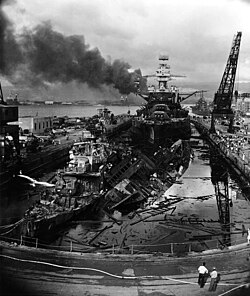
The Pennsylvania behind the wreckage of Downes and Cassin

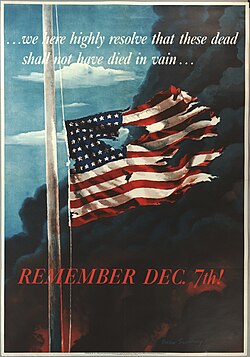
この出来事は、アメリカ国民の戦意を激しく燃え上がらせ、戦時体制への移行を加速させました。プロパガンダポスターや新聞の号外が飛び交い、国全体が戦争へと突き進むこととなりました。
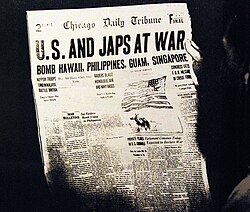
The front page of the Chicago Tribune, December 8, 1941
A 1942 poster by Allen Saalburg issued by the United States Office of War Information
President Franklin D. Roosevelt delivering the "Infamy Speech" to Congress, requesting a declaration of war, December 8, 1941.

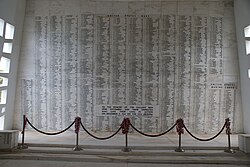
現在、真珠湾にはUSSアリゾナ記念館が建てられており、犠牲者を追悼し、戦争の悲劇を後世に伝える場所となっています。
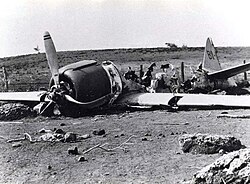
Petty Officer Shigenori Nishikaichi's aircraft ten days after it crashed
The USS Arizona Memorial

戦力および被害のまとめ

以下に、攻撃に関与した両軍の戦力と被害状況をまとめます。

真珠湾攻撃における戦力・被害比較
項目 アメリカ合衆国(太平洋艦隊) 大日本帝国(第一航空艦隊)
投入戦力 戦艦8, 巡洋艦8, 駆逐艦30, 航空機390 空母6, 戦艦2, 巡洋艦3, 駆逐艦9, 航空機414
艦船被害 戦艦4隻沈没、4隻損傷、他多数 潜水艦4隻沈没、1隻座礁
航空機被害 188機破壊、159機損傷 29機破壊、74機損傷
人的被害 死者 2,403名(軍民合計) 死者 129名

Frequently Asked Questions

なぜアメリカ軍は攻撃を事前に察知できなかったのですか?

レーダーで航空機の接近を検知していましたが、それを本土から到着するB-17爆撃機であると誤認したため、適切な警告が出されませんでした。

日本軍が攻撃を避けた施設はありましたか?

はい。燃料貯蔵タンクや潜水艦基地、太平洋艦隊司令部などのインフラ施設は、今回の攻撃計画では意図的に無視されていました。

この攻撃による戦略的な成果は何でしたか?

短期的にはアメリカの戦艦戦力を大幅に削り、太平洋における日本の行動範囲を広げましたが、航空母艦を撃破できなかったため、長期的な制海権の確保には至りませんでした。

攻撃に使用された主な航空機は何ですか?

主に三菱 A6M 零式艦上戦闘機、愛知 D3A 急降下爆撃機、中島 B5N 攻撃機(魚雷・爆弾搭載)が使用されました。

攻撃後のアメリカの反応はどうでしたか?

ルーズベルト大統領が「恥辱の日」として演説を行い、即座に日本に対して宣戦布告し、全面的な戦争体制へと移行しました。

References

  1. Total includes , , and .
  2. Unless otherwise stated, all vessels listed were salvageable.
  3. For the Japanese designator of Oahu.
  4. In 1941, Hawaii was half an hour different from the majority of other time zones. See .
  5. ; the former battleship Utah was moored in the space intended to have been occupied by the aircraft carrier Enterprise which, returning with a task force, had been expected to enter the channel at 0730 on December 7; delayed by weather, the task force did not reach Pearl Harbor until dusk the following day.
  6. After it was announced in September that iron and steel scrap export would also be prohibited, Japanese Ambassador Horinouchi protested to Secretary Hull on October 8, 1940, warning this might be considered an "unfriendly act".
  7. This was mainly a Japanese Navy preference; the Japanese Army would have chosen to attack the Soviet Union.[][]
  8. "The Dorn report did not state with certainty that Kimmel and Short knew about Taranto. There is, however, no doubt that they did know, as did the Japanese. Lieutenant Commander Takeshi Naito, the assistant to Berlin, flew to Taranto to investigate the attack first hand, and Naito subsequently had a lengthy conversation with Commander about his observations. Fuchida led the Japanese attack on December 7, 1941."
  9. "A needed a long, level flight, and when released, its conventional torpedo would plunge nearly a hundred feet deep before swerving upward to strike a hull. Pearl Harbor deep averages 42 feet. But the Japanese borrowed an idea from the British carrier-based torpedo raid on the Italian naval base of Taranto. They fashioned auxiliary wooden tail fins to keep the torpedoes horizontal, so they would dive to only 35 feet, and they added a breakaway "nosecone" of soft wood to cushion the impact with the surface of the water."
  10. Noted by in the 1890s.

📸 フォトギャラリー

Pearl Harbor on October 30, 1941, a month before the attack, with Ford Island visible (in the center)
Political Map of the Asia-Pacific Region, 1939
The Empire of Japan's 1941 attack plan on Pearl Harbor
The route followed by the Japanese fleet to Pearl Harbor and back
An Imperial Japanese Navy Mitsubishi A6M Zero fighter on the aircraft carrier Akagi
Part of the Japanese task force on November 22, 1941, before its departure
The gun crew of the Ward's number three, 4-inch gun fired the first shots of the Pacific War, sinking a Japanese midget submarine attempting to enter Pearl Harbor.
The Japanese attacked in two waves. The first wave was detected by United States Army radar at 136 nautical miles (252 km), but was misidentified as United States Army Air Forces bombers arriving from the American mainland.Top: A: Ford Island NAS. B: Hickam Field. C: Bellows Field. D: Wheeler Field. E: Kaneohe NAS. F: Ewa MCAS. R-1: Opana Radar Station. R-2: Kawailoa RS. R-3: Kaaawa RS. G: Kahuku. H: Haleiwa. I: Wahiawa. J: Kaneohe. K: Honolulu. 0: B-17s from mainland. 1: First strike group. 1-1: Level bombers. 1–2: Torpedo bombers. 1–3: Dive bombers. 2: Second strike group. 2-1: Level bombers. 2-1F: Fighters. 2-2: Dive bombers.Bottom: A: Wake Island. B: Midway Islands. C: Johnston Island. D: Hawaii. D-1: Oahu. 1: Lexington. 2: Enterprise. 3: First Air Fleet.
City Army base Navy baseAttacked targets: 1: USS California. 2: USS Maryland. 3: USS Oklahoma. 4: USS Tennessee. 5: USS West Virginia. 6: USS Arizona. 7: USS Nevada. 8: USS Pennsylvania. 9: Ford Island NAS. 10: Hickam field.Ignored infrastructure targets: A: Oil storage tanks. B: CINCPAC headquarters building. C: Submarine base. D: Navy Yard.
Second wave B5N2 Bomber Kate Over Hickam Field
This message, in response to the question "Is channel clear?" denotes the first US ship, relates to orders for St. Louis to clear Pearl Harbor. It is now housed with the National Archives and Records Administration.
Memorial service at NAS Kaneohe for men killed during the attack on Pearl Harbor
Rear Admiral Ernest G. Small (right) presents Purple Heart medals to enlisted men wounded in the Pearl Harbor attack
The body of Japanese fighter pilot Fusata Iida was buried with military honors by US troops on December 8, 1941.
Captain Homer N. Wallin (center) supervises salvage operations aboard USS California in early 1942.
The Pennsylvania behind the wreckage of Downes and Cassin
The front page of the Chicago Tribune, December 8, 1941
A 1942 poster by Allen Saalburg issued by the United States Office of War Information
President Franklin D. Roosevelt delivering the "Infamy Speech" to Congress, requesting a declaration of war, December 8, 1941.
Petty Officer Shigenori Nishikaichi's aircraft ten days after it crashed
The USS Arizona Memorial