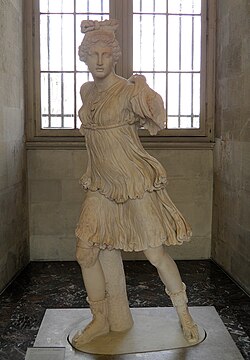
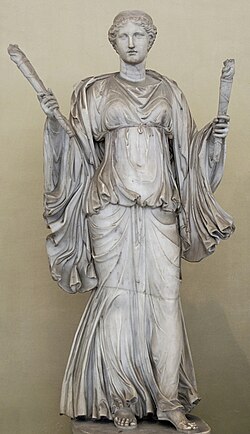
Artémis (Diane), the huntress. Roman copy of a Greek statue, 2nd century. Galleria dei Candelabri – Vatican Museums
← ホームへ戻る

アルテミス野生と純潔を司るギリシャ神話の狩猟の女神

🗓 2026年8月10日

古代ギリシャの世界において、自然の荒々しさと静謐な純潔という相反する側面を併せ持つ女神、それがアルテミスです。彼女はオリンポス十二神の一員であり、弓矢を手に野生動物や森、そして人生の転換期にある人々を保護する強力な守護神として崇められてきました。

アルテミスは単なる狩人の神ではなく、出産や子供の保護、植物の成長など、生命のサイクルに深く関わる多面的な役割を担っています。ローマ神話ではディアナとして知られ、その影響力は地中海全域に及びました。
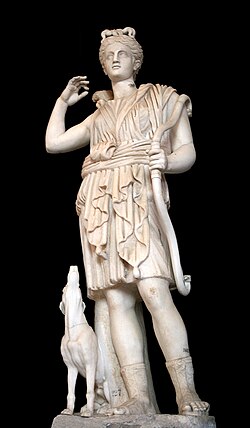
Artémis (Diane), the huntress. Roman copy of a Greek statue, 2nd century. Galleria dei Candelabri – Vatican Museums

Key Facts

  • 主な役割: 狩猟、野生動物、自然、純潔、出産、弓術の司祭。
  • 家族構成: 父は最高神ゼウス、母はレト。双子の兄にアポロンを持つ。
  • 象徴的なアイテム: 弓と矢、たいまつ。
  • 聖なる動物: 鹿、熊。
  • ローマ神話での名: ディアナ

神聖なる出自と役割

アルテミスは、ゼウスとレトの間に生まれました。彼女の誕生にまつわる物語は、母レトがヘラから逃れ、出産できる場所を求めて彷徨った苦難の旅と共に語られます。
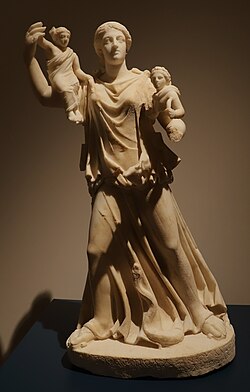
Leto on the run with Artemis and Apollo, Roman statue circa 350–400 CE

彼女は兄のアポロンと共に、光と調和、そして自然の秩序を象徴する存在となりました。特にアルテミスは、文明の手が及ばない「野生(ウィルダネス)」の支配者であり、森の動物たちを導くポトニア・テロン(動物たちの主)としての性格を強く持っています。
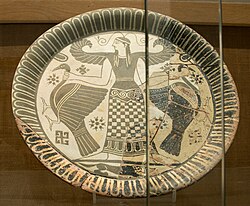
Artemis as Mistress of Animals, Parian pottery, 675–600 BCE. Hypothetical restoration (only some parts have been preserved). Archaeological Museum of Mykonos.

また、彼女は処女の女神としての純潔を貫き、若き女性たちの成長や、危険を伴う出産時の保護者としても信仰されました。このため、彼女の聖域では少女たちが成人前の儀式を行う習慣がありました。
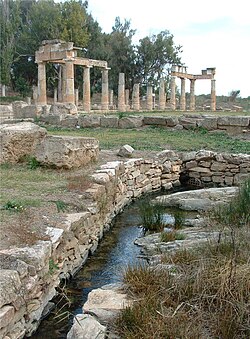
Temple of Artemis at Brauron. The stoa and the sacred spring from the SW.

神話に刻まれた厳格さと慈悲

アルテミスは慈悲深い守護神である一方、自らの純潔や聖域を侵した者には容赦ない報復を下す恐ろしい側面も持っています。彼女の怒りに触れた者たちの物語は、古代の人々に神への敬意(エウセベイア)の重要性を説きました。

アクテオンの悲劇

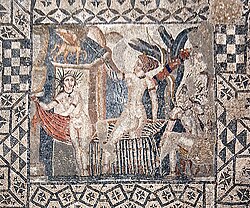
狩人アクテオンは、偶然にもアルテミスが水浴びをしている姿を目撃してしまいました。この禁忌を犯した彼は、女神によって鹿の姿に変えられ、皮肉にも自らが連れていた猟犬たちに襲われるという残酷な運命を辿りました。
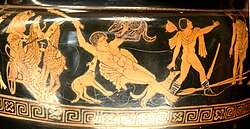
Artemis drives a chariot drawn by a team of deer next to the dying Actaeon. Attic red-figure volute crater, c. 450–440 BCE by the Painter of the Wooly Satyrs. Louvre, Paris.

Mosaic depicting Diana and her nymph surprised by Actaeon.Mosaic, 2nd century CE Ruins of Volubilis, Morocco

ニオベの傲慢

自らの子供の数でレトを侮辱したニオベに対し、アルテミスはアポロンと共に弓を射て、彼女の子供たちをすべて討ちました。これは、神に対する不遜な態度(ヒュブリス)がどのような結末を招くかを示す象徴的なエピソードです。
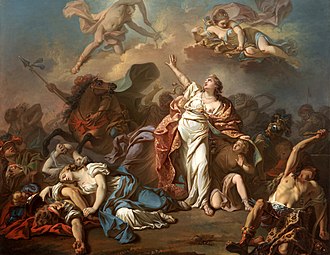
A 1772 painting by Jacques-Louis David depicting Niobe attempting to shield her children from Artemis and Apollo. Dallas Museum of Art, Dallas.

カリストーの変容

ゼウスに誘惑され熊に変えられたニンフのカリストーを、アルテミスが狩ろうとした物語も有名です。最終的に彼女は星空に昇り、おおぐま座となりました。
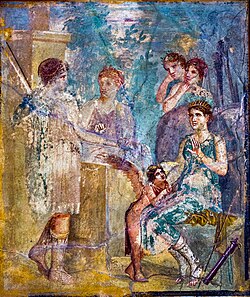
Artemis (seated and wearing a radiate crown), the beautiful nymph Callisto (left), Eros and other nymphs. Antique fresco from Pompeii. National Archaeological Museum, Naples.

信仰の形態と芸術的表現

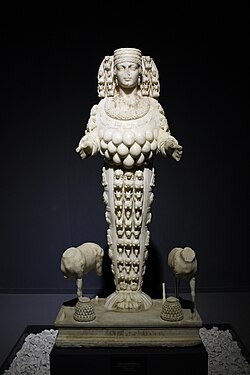
アルテミスへの信仰は地域によって多様であり、特にエフェソスのアルテミス神殿は、古代世界七不思議の一つに数えられるほど巨大で豪華なものでした。ここでの彼女は、多くの乳房を持つ(あるいは卵を持つ)独特な姿で描かれ、豊穣の女神としての性格が強調されていました。
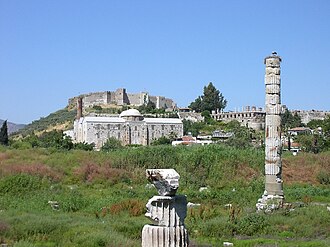
The site of the Temple of Artemis at Ephesus. Its final form was one of the Seven Wonders of the Ancient World.

The Artemis of Ephesus, second century CE. Ephesus Archaeological Museum, Izmir, Turkey

一方で、古典的な芸術作品では、短いチュニックを身にまとい、肩に矢筒をかけた活動的な狩人の姿で描かれることが一般的です。彼女が持つたいまつは、夜の闇を照らす月神としての側面や、冥界の女神ヘカテとの関連性を示唆しています。
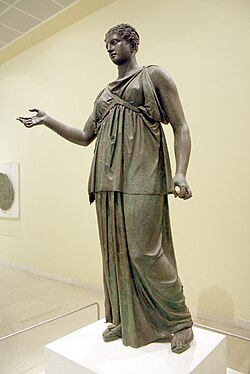
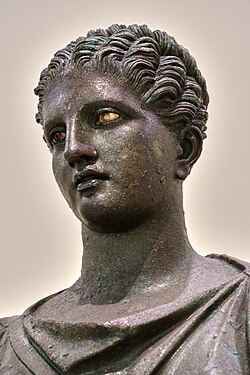
Bronze statue of Artemis (Piraeus Artemis), with a quiver at the back and the pose of the fingers which held a bow. A classicistic work, 4th century BCE attributed to Euphranor. Archaeological Museum of Piraeus.

Artemis holding torches. Marble, Roman copy of the 2nd century CE after a Greek original of the 4th century BCE. Museo Chiaramonti, Vatican Museums

また、彼女はしばしば鹿の引く戦車に乗った姿で表現され、自然界の頂点に立つ支配者としての威厳を放っています。
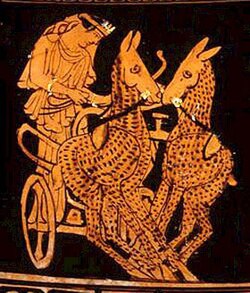
Artemis on her chariot drawn by two hinds. Detail from an Attic red figure crater 460–440 BCE. Attributed to the Painter of the Wooly Satyrs. Louvre, Paris.

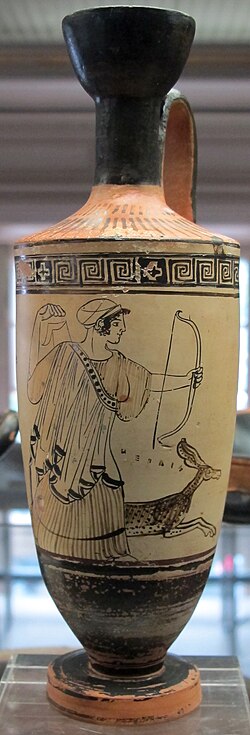
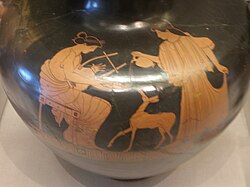
Artemis with a bow and a deer. Attic lekythos 460–450 BCE

アルテミスの概要まとめ

アルテミスの属性と象徴一覧
項目 詳細
司る領域 狩猟、野生動物、純潔、出産、自然、月
家族 父:ゼウス、母:レト、兄:アポロン
象徴物 弓矢、たいまつ、鹿、熊
主要な聖地 デロス島、エフェソス、ブラウロン
ローマ名 ディアナ

Artemis (Diana) from the "Rospigliosi type", Roman copy of the 1st–2nd centuries CE after a Hellenistic original, Louvre Museum.

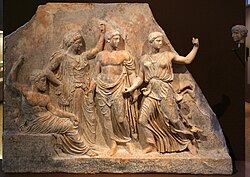
Leto with Zeus and their children, 420–410 BCE, marble, Archaeological Museum of Brauron

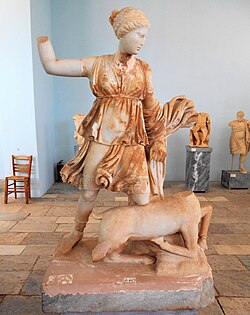
Artemis slaying a deer, from the courtyard of House III, 125–100 BCE. Archaeological Museum of Delos, Greece.

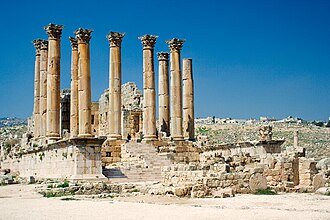
The Roman Temple of Artemis in Jerash, Jordan, built during the reign of Antoninus Pius

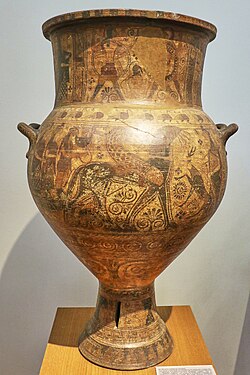
Apollo's return to Delos from Hyperboreans. Artemis holding a deer welcomes Apollo. Cycladic krater (7th cent. BCE) National Archaeological Museum, Athens.

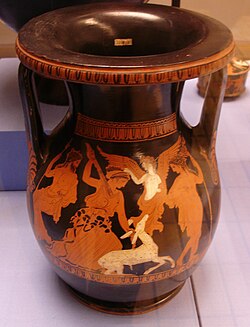
Artemis hunting a stag, surrounded by Zeus (left), Nikê (top) and Apollo (right). The goddess is wielding a torch. Attic red-figured pelike 370–350 BCE. From Campania, South Italy. British Museum, London

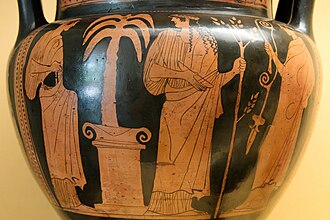
From left to right: Artemis holding an oinochoe, Apollo holding a laurel branch and a phiale, about to pour a libation on the altar. Attic red-figure column-krater 450 BCE. National Archaeological Museum (Madrid)

This bronze statue of Artemis in the Archaeological Museum of Piraeus (Athens) dates from the mid-fourth century BCE and was given to sculptor Euphranor.

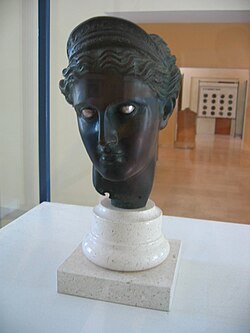
Praxitelean bronze head of a goddess (probably Artemis), wearing a lunate crown, 4th century BCE. Found at Issa, Vis, Croatia).

Detail of an Attic red-figure hydria depicting Apollo and Artemis. 480–450 BCE by the Pan Painter. Legion of Honor (museum), San Francisco.

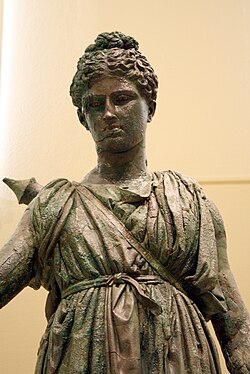
The small Piraeus Artemis, bronze statue of the 4th century

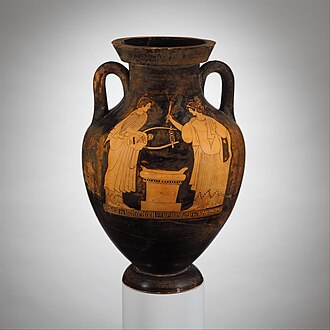
Apollo (left) and Artemis (right) carrying a torch and flanking an altar. Terracotta amphora (jar) 490 BCE. Metropolitan Museum of Art. Manhattan, New York

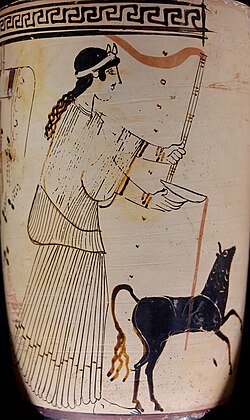
Artemis pouring a libation. Attic white-ground lekythos, c. 460–450 BCE. From Eretria. Attributed to Bowdoin Painter. Louvre, Paris

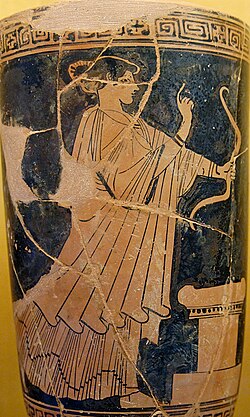
Artemis with bow and arrow in front of an altar. Attic red-figure lekythos, c. 475 BCE, from Selinunte, Sicily. Antonino Salinas Regional Archaeological Museum, Palermo

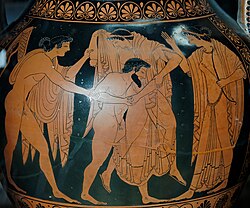
The rape of Leto by Tityos: Apollo (left), tries to grasp Tityos, Leto (middle) pushes him and Artemis (right), ready to stop him. Attic red-figure amphora from Vulci. c. 510–520 BCE, by Phintias Painter. Louvre, Paris.

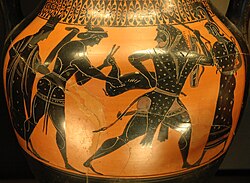
Artemis (left) and Apollo try to get the Ceryneian Hind from Heracles. Detail of an Attic black-figure amphora c. 530–520 BCE. Louvre, Paris

Frequently Asked Questions

アルテミスとアポロンはどのような関係ですか?

二人はゼウスとレトの間に生まれた双子の兄妹です。アポロンが太陽や理性を象徴するのに対し、アルテミスは月や野生を象徴し、対照的ながら補完し合う関係として描かれています。

なぜアルテミスは「純潔」を重視したのですか?

彼女は文明的な社会や結婚の束縛から離れ、自然の中で自由に生きる女性の象徴でした。そのため、処女であることを維持し、同じく純潔を誓ったニンフたちと共に森を駆け巡ったとされています。

エフェソスのアルテミス像が独特なのはなぜですか?

エフェソスでは、ギリシャ的な狩人のイメージよりも、アナトリア地方の古い母神信仰が融合していたためです。そのため、豊穣を象徴する多くの突起を持つ、独特な造形となりました。

アルテミスは月と関係があるのでしょうか?

はい。アポロンが太陽神とされるのと同様に、アルテミスはしばしば月神セレーネと同一視され、夜の森を照らすたいまつを持つ姿で描かれるなど、月の属性を強く持っています。

現代でもアルテミスの名前は使われていますか?

はい。天文学では小惑星や月のクレーターの名前に採用されているほか、NASAの有人月面探査計画「アルテミス計画」など、未知の領域へ挑む象徴としてその名が受け継がれています。

References

  1. "Artemis | Myths, Symbols, & Meaning". Encyclopedia Britannica. Retrieved 6 July 2021.
  2. Merriam-Webster's Encyclopedia of Literature. Merriam-Webster. 1995. p. 74.  .
  3. Apollodorus, Bibliotheca 1.21
  4. to (5), p.21–32
  5. Smith, s.v. Artemis
  6. "Artemis". .
  7. (2005). "Άρτεμις". . Athens, EL: Κέντρο Λεξικολογίας. p. 286.
  8. , 2009, Etymological Dictionary of Greek, Brill, p. 142
  9. Houwink ten Cate, 1961, The Luwian Population Groups of Lycia and Cilicia Aspera during the Hellenistic Period (Leiden) p 166, noted in this context by , p. 252
  10. Indogermanica et Caucasica: Festschrift fur Karl Horst Schmidt zum 65. Geburtstag (Studies in Indo-European language and culture), W. de Gruyter, 1994, Etyma Graeca, pp. 213–214.

📸 フォトギャラリー

Artémis (Diane), the huntress. Roman copy of a Greek statue, 2nd century. Galleria dei Candelabri – Vatican Museums
Artemis as Mistress of Animals, Parian pottery, 675–600 BCE. Hypothetical restoration (only some parts have been preserved). Archaeological Museum of Mykonos.
Artemis pouring a libation. Attic white-ground lekythos, c. 460–450 BCE. From Eretria. Attributed to Bowdoin Painter. Louvre, Paris
Artemis with bow and arrow in front of an altar. Attic red-figure lekythos, c. 475 BCE, from Selinunte, Sicily. Antonino Salinas Regional Archaeological Museum, Palermo
Leto on the run with Artemis and Apollo, Roman statue circa 350–400 CE
The rape of Leto by Tityos: Apollo (left), tries to grasp Tityos, Leto (middle) pushes him and Artemis (right), ready to stop him. Attic red-figure amphora from Vulci. c. 510–520 BCE, by Phintias Painter. Louvre, Paris.
Artemis (left) and Apollo try to get the Ceryneian Hind from Heracles. Detail of an Attic black-figure amphora c. 530–520 BCE. Louvre, Paris
Artemis drives a chariot drawn by a team of deer next to the dying Actaeon. Attic red-figure volute crater, c. 450–440 BCE by the Painter of the Wooly Satyrs. Louvre, Paris.
Mosaic depicting Diana and her nymph surprised by Actaeon.Mosaic, 2nd century CE Ruins of Volubilis, Morocco
A 1772 painting by Jacques-Louis David depicting Niobe attempting to shield her children from Artemis and Apollo. Dallas Museum of Art, Dallas.
Artemis (seated and wearing a radiate crown), the beautiful nymph Callisto (left), Eros and other nymphs. Antique fresco from Pompeii. National Archaeological Museum, Naples.
Artemis (Diana) from the "Rospigliosi type", Roman copy of the 1st–2nd centuries CE after a Hellenistic original, Louvre Museum.
Leto with Zeus and their children, 420–410 BCE, marble, Archaeological Museum of Brauron
Artemis slaying a deer, from the courtyard of House III, 125–100 BCE. Archaeological Museum of Delos, Greece.
Temple of Artemis at Brauron. The stoa and the sacred spring from the SW.
The Roman Temple of Artemis in Jerash, Jordan, built during the reign of Antoninus Pius
The site of the Temple of Artemis at Ephesus. Its final form was one of the Seven Wonders of the Ancient World.
Bronze statue of Artemis (Piraeus Artemis), with a quiver at the back and the pose of the fingers which held a bow. A classicistic work, 4th century BCE attributed to Euphranor. Archaeological Museum of Piraeus.
Artemis on her chariot drawn by two hinds. Detail from an Attic red figure crater 460–440 BCE. Attributed to the Painter of the Wooly Satyrs. Louvre, Paris.
Apollo's return to Delos from Hyperboreans. Artemis holding a deer welcomes Apollo. Cycladic krater (7th cent. BCE) National Archaeological Museum, Athens.
Artemis hunting a stag, surrounded by Zeus (left), Nikê (top) and Apollo (right). The goddess is wielding a torch. Attic red-figured pelike 370–350 BCE. From Campania, South Italy. British Museum, London
From left to right: Artemis holding an oinochoe, Apollo holding a laurel branch and a phiale, about to pour a libation on the altar. Attic red-figure column-krater 450 BCE. National Archaeological Museum (Madrid)
This bronze statue of Artemis in the Archaeological Museum of Piraeus (Athens) dates from the mid-fourth century BCE and was given to sculptor Euphranor.
The Artemis of Ephesus, second century CE. Ephesus Archaeological Museum, Izmir, Turkey
Praxitelean bronze head of a goddess (probably Artemis), wearing a lunate crown, 4th century BCE. Found at Issa, Vis, Croatia).
Artemis holding torches. Marble, Roman copy of the 2nd century CE after a Greek original of the 4th century BCE. Museo Chiaramonti, Vatican Museums
Artemis with a bow and a deer. Attic lekythos 460–450 BCE
Detail of an Attic red-figure hydria depicting Apollo and Artemis. 480–450 BCE by the Pan Painter. Legion of Honor (museum), San Francisco.
The small Piraeus Artemis, bronze statue of the 4th century
Apollo (left) and Artemis (right) carrying a torch and flanking an altar. Terracotta amphora (jar) 490 BCE. Metropolitan Museum of Art. Manhattan, New York