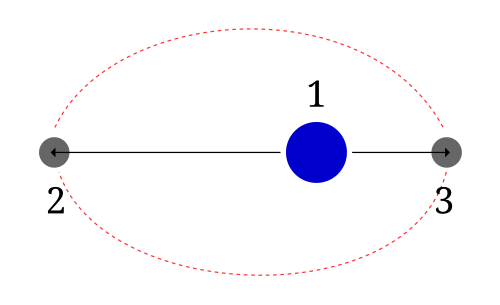
宇宙を漂う惑星や衛星、彗星などの天体は、完全な円ではなく、わずかに歪んだ楕円を描いて主星の周りを回っています。この楕円軌道において、主星に最も近づく点と最も遠ざかる点のことを、天文学ではアプシス(Apsis)と呼びます。アプシスを理解することは、天体の速度変化や季節の変動、さらには宇宙探査機の軌道設計を理解する上で不可欠な基礎知識となります。
アプシスは、ギリシャ語で「アーチ」や「円蓋」を意味する言葉に由来しています。軌道上の最も近い点(近点)と最も遠い点(遠点)を結ぶ直線は「アプシス線(通称:長軸)」と呼ばれ、天体の軌道特性を決定づける重要な指標となります。
Key Facts
- アプシスとは、楕円軌道における主星からの最短距離(近点)と最長距離(遠点)の総称。
- 主星の種類によって呼び方が異なり、太陽なら「近日点・遠日点」、地球なら「近地点・遠地点」となる。
- ニュートンの運動法則によれば、周期的な軌道はすべて楕円であり、速度は近点で最大、遠点で最小になる。
- 地球の近日点と遠日点は、ミルコビッチ・サイクルなどの要因で数万年かけてゆっくりと移動している。
- 地球の季節は太陽との距離(アプシス)ではなく、地軸の傾きによって決まる。
軌道の基本構造と力学
天体力学において、2つの天体が互いに引き合う系では、両者は共通の重心(バリセンター)を中心に回転します。例えば地球と月の系では、バリセンターは地球の中心から表面までの距離の約75%の位置に存在します。衛星のように質量が極めて小さい天体の場合、軌道パラメータは主星の質量にほぼ依存します。
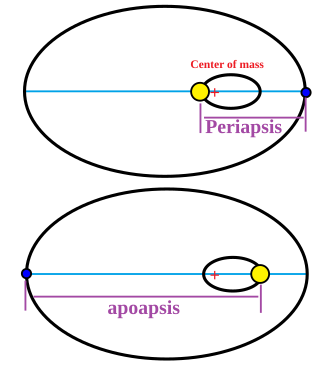
軌道の形状は「離心率(Eccentricity)」によって決まります。離心率が0であれば完全な円となり、近点と遠点の区別はありません。しかし、多くの天体は離心率を持っており、その結果として主星との距離が周期的に変動します。この距離の変動に伴い、天体の公転速度も変化し、主星に最も近づくときに加速し、最も遠ざかるときに減速します。
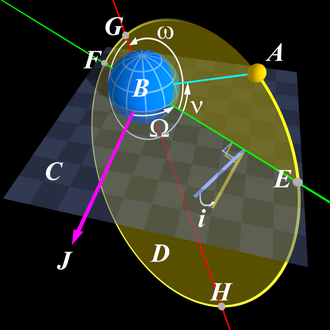
天体別の呼称まとめ
アプシスは、どの天体の周りを回っているかによって、接尾辞を変えて使い分けられます。これにより、どの天体に関する議論であるかを明確に区別しています。
| 主星(ホスト天体) | 近点(Nearest) | 遠点(Farthest) | 語源・備考 |
|---|---|---|---|
| 太陽 | 近日点 (Perihelion) | 遠日点 (Aphelion) | Helios(ギリシャ語で太陽) |
| 地球 | 近地点 (Perigee) | 遠地点 (Apogee) | Gaia(地球) |
| 月 | 近月点 (Perilune) | 遠月点 (Apolune) | Luna(月) |
| 火星 | 近火星点 (Periareion) | 遠火星点 (Apoareion) | Ares(アレス) |
| 木星 | 近木星点 (Perijove) | 遠木星点 (Apojove) | Jove(ジュピター) |
| ブラックホール | Peribothron / Perimelasma | Apobothron / Apomelasma | Bothron(穴)、Melas(黒) |
地球の近日点と遠日点:季節への影響
地球は太陽の周りを楕円軌道で回っており、21世紀においては通常1月初旬に近日点(太陽に最も近い点)を迎え、7月初旬に遠日点(太陽から最も遠い点)を迎えます。近日点での距離は約1億4710万km、遠日点では約1億5209万kmとなり、その差は約500万kmに及びます。
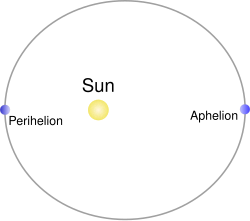
興味深いことに、北半球が夏を迎える時期は、地球が太陽から最も遠い「遠日点」付近にあります。太陽からの放射エネルギーは遠日点の方が近日点より約6.45%少なくなりますが、これが季節を決定づける要因ではありません。季節の変化は、地球の自転軸が公転面に対して約23.4度傾いているために起こります。つまり、太陽との距離よりも「太陽光がどれだけ直接的に地表に降り注ぐか」が重要であり、そのため遠日点であっても北半球は夏になります。
ただし、アプシスは季節の「長さ」に間接的な影響を与えています。ケプラーの法則により、地球は遠日点付近で公転速度が最も遅くなるため、北半球の夏(6月の至点から9月分点まで)は、南半球の夏よりも数日分(約93日 vs 89日)長くなる傾向があります。
高度な軌道解析と観測の課題
天文学者が天体の軌道を計算する場合、単純な2体問題(主星と天体のみの計算)では不十分なことがあります。実際には他の惑星の重力干渉(n体問題)があるため、計算の基準となる「エポック(基準時刻)」を近日点に近い日付に設定しないと、予測精度が低下します。特に周期の短い彗星などは、エポックの選択によって近日点の予測日が数週間ずれることがあります。
また、太陽から80AU以上離れた海王星外天体(TNO)の観測は非常に困難です。これらの天体は移動速度が極めて遅いため、短期間の観測データだけでは軌道を正確に特定できず、近日点の到達予測に数十年単位の誤差が生じることがあります。
Frequently Asked Questions
近日点にいるとき、地球の気温は上がるのですか?
いいえ、上がりません。地球の気温や季節を決定する主因は、太陽との距離ではなく地軸の傾きです。実際、北半球では太陽から最も遠い遠日点付近で夏を迎えます。
なぜ天体によって「近点」の呼び方が違うのですか?
どの天体の重力圏にあるかを一目で判別するためです。例えば「近地点」と言えば地球の周りを回る衛星のこと、「近日点」と言えば太陽の周りを回る惑星や彗星のことを指します。
アプシス線とは具体的に何ですか?
楕円軌道において、最も近い点(近点)と最も遠い点(遠点)を直線で結んだ線のことです。これは楕円の長軸に相当し、軌道の向きや形状を定義する基準となります。
離心率が0の軌道にアプシスはありますか?
理論上、離心率が0の完全な円軌道では、主星からの距離が常に一定であるため、特定の「最も近い点」や「最も遠い点」は存在せず、アプシスという概念は適用されません。
近日点での速度はなぜ速くなるのですか?
これはエネルギー保存の法則によるものです。主星に近づくにつれて重力による位置エネルギーが減少するため、その分が運動エネルギーに変換され、速度が増加します。
References
- Difference is defined as
- Insolation difference is defined as


📸 フォトギャラリー