私たちの食卓に欠かせないリンゴ(学名: Malus domestica)は、単なる果物以上の深い歴史と生物学的な多様性を持っています。バラ科リンゴ属に分類されるこの植物は、世界中で愛される味と栄養価を兼ね備え、文化的な象徴としても重要な役割を果たしてきました。
Key Facts
- 原産地:カザフスタンを中心とした中央アジアの野生種が起源。
- 主要生産国:中国が世界最大の生産量を誇り、次いで米国、トルコ、ポーランドなどが続く。
- 栄養的特徴:低カロリーで食物繊維やビタミンCを含み、健康的な果実として知られる。
- 多様な品種:生食用、料理用、シードル(飲料)用など、用途に応じて数多くの品種が開発されている。
リンゴの起源と生物学的特性
現代の栽培種リンゴのルーツは、カザフスタンに自生していた野生種 Malus sieversii にあります。長い年月をかけて自然交雑と人間による選別・栽培が繰り返されたことで、現在の多様な属性を持つ果実へと進化しました。
![Map of the origins of the cultivated apple. The wild origin is in Kazakhstan; hybridisations and repeated domestications followed, modifying many attributes of the fruit.[26]](/images/84/2c/842c7aa20cb0a23118a886367afb6b7d240e9772853ffa2faa88eca8dcd651d8.webp)
野生のリンゴは、現代の栽培種とは異なる外見や味を持っていましたが、それがベースとなり、世界各地で環境に適応した品種が誕生しました。
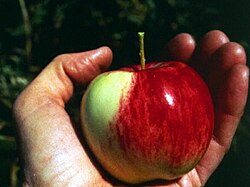
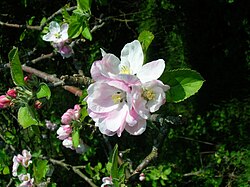
植物学的には、リンゴは被子植物のバラ科に属し、春には美しい花を咲かせます。この花が受粉し、成長することで私たちが口にする果実となります。
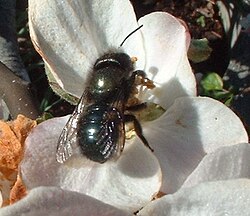
受粉には昆虫の助けが不可欠であり、特にハナバチなどの訪花昆虫が重要な役割を担っています。
栽培と品種の多様性
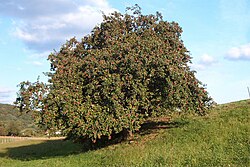
リンゴの栽培は、開花時期や成熟期の管理が重要です。例えば、イギリスでは5月上旬に咲く早咲き種から、5月下旬に咲く遅咲き種まで、グループ分けされた多様な開花サイクルが存在します。
また、用途によって大きく3つのカテゴリーに分けられます。新鮮なまま食べる「生食用」、加熱調理に適した「料理用」、そして発酵飲料の原料となる「シードル用」です。代表的な品種には、黄金色の「ゴールデンデリシャス」や、酸味の強い「グラニースミス」、甘みの強い「ガラ」などがあります。
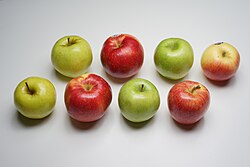
地域によっては、一般的ではない希少な在来種が保存されており、生物多様性の維持に寄与しています。
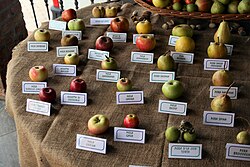
市場では、地域や文化に合わせて様々な品種が販売されており、消費者の好みに応じた選択が可能です。
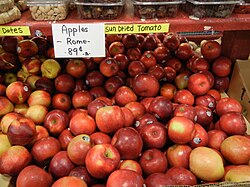
生産と管理の課題
世界的な生産量では中国が圧倒的なシェアを占めていますが、栽培には多くの困難が伴います。特に害虫や病気への対策は不可欠であり、例えばコドリングモス(リンゴ果実蛾)の幼虫による食害などは、品質を著しく低下させる要因となります。
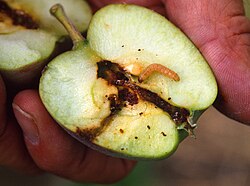
また、収穫後の保存技術も進化しており、温度や気体組成を制御した貯蔵法により、長期間の鮮度保持が可能になっています。近年では、切った後に茶色くならない「非褐変リンゴ」などのバイオテクノロジーを用いた研究も進んでいます。
栄養価と健康的側面
リンゴは水分が多く、適度な糖分と食物繊維を含んでいます。100gあたりのエネルギーは約52kcalと控えめで、カリウムやビタミンCなどの微量栄養素をバランスよく摂取できる食品です。
| 成分 | 含有量 | 備考 |
|---|---|---|
| エネルギー | 52 kcal | 低カロリー |
| 炭水化物 | 13.81 g | うち糖類 10.39 g |
| 食物繊維 | 2.4 g | 整腸作用に寄与 |
| ビタミンC | 4.6 mg | DVの約5% |
| カリウム | 107 mg | DVの約4% |
| 水分 | 85.56 g | 高い水分含有量 |
文化・神話における象徴
リンゴは古来より、多くの文化や宗教で象徴的な意味を持ってきました。ギリシャ神話では「不和のリンゴ」やヘラクレスの試練に登場し、北欧神話やケルト神話、アーサー王伝説においても重要なアイテムとして描かれています。
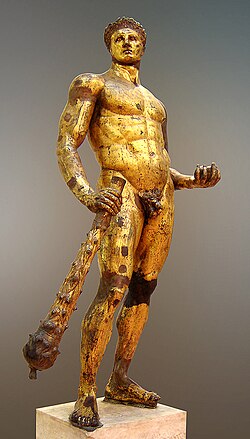
また、キリスト教の芸術においては、アダムとイヴが食べた「禁断の果実」として描かれることが多く、罪や誘惑の象徴とされることがあります。
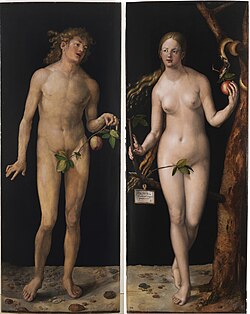
中世の物語や伝説でも、リンゴの木は知恵や予言と結びついて登場します。

現代においても、中国ではクリスマスイブに「平安果(ピンアングオ)」としてリンゴを贈る習慣があるなど、時代や地域を超えて独自の文化が根付いています。
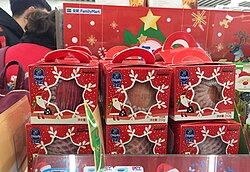
さらに、芸術作品の中では家庭的な幸福や美の象徴として描かれることもありました。
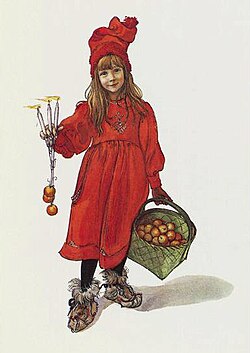
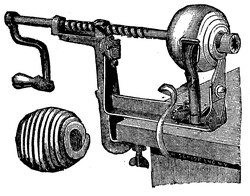
調理法も多岐にわたり、パイやソース、ジュースだけでなく、かつては機械を用いて効率的に皮をむき、芯を取る道具も開発されてきました。
Frequently Asked Questions
リンゴの原産地はどこですか?
野生のリンゴの起源はカザフスタンにあり、そこから交雑と栽培を経て世界中に広がりました。
世界で最もリンゴを生産している国はどこですか?
統計的に中国が世界最大の生産量を誇っており、次いでアメリカ合衆国、トルコ、ポーランドなどが続いています。
リンゴの種には毒性があるというのは本当ですか?
リンゴの種にはアミグダリンという物質が含まれており、これが体内で分解されるとシアン化合物(青酸)を生成するため、大量に摂取すると毒性を示す可能性があります。
なぜリンゴは切ると茶色くなるのですか?
リンゴに含まれるポリフェノール酸化酵素が酸素と反応することで褐変が起こります。これを防ぐために、酵素の働きを抑える処理や、遺伝的に褐変しにくい品種の開発が行われています。
リンゴの品種による使い分けはありますか?
はい。そのまま食べる生食用、加熱すると風味が引き立つ料理用、そして糖分や酸味のバランスが醸造に適したシードル用など、用途に合わせて品種が選ばれています。
References
- "Malus domestica (Suckow) Borkh., 1803". Global Biodiversity Information Facility. 2025. Archived from the original on 16 July 2025. Retrieved 14 July 2025.
- Dickson, Elizabeth E. (28 May 2021). "Malus domestica". . Archived from the original on 28 July 2024. Retrieved 27 July 2024.
- "Malus domestica (Suckow) Borkh". . . Retrieved 31 July 2024.
- "Origin and history of "apple" by Online Etymology Dictionary". . Archived from the original on 21 December 2019. Retrieved 12 July 2025.
- Lim, Lisa (6 July 2021). "Where the word 'apple' came from and why the forbidden fruit was unlucky to be linked with the fall of man". Language Matters. . Hong Kong, China: . Archived from the original on 28 June 2023. Retrieved 28 June 2023.
- "A pineapple is an apple (kind of). How did this tropical fruit get tied to the apple?". Word History. . 2025. Retrieved 11 April 2026.
- Rieger, Mark. "Apple - Malus domestica". HORT 3020: Intro Fruit Crops. . Archived from the original on 21 January 2008. Retrieved 22 January 2008.
- "Apples - Malus domestica". North Carolina Extension Gardener Plant Toolbox. . Archived from the original on 31 May 2024. Retrieved 31 July 2024.
- Heil, Kenneth D.; O'Kane, Jr., Steve L.; Reeves, Linda Mary; Clifford, Arnold (2013). Flora of the Four Corners Region: Vascular Plants of the San Juan River Drainage, Arizona, Colorado, New Mexico, and Utah (First ed.). St. Louis, Missouri: . p. 909. . 859541992. Retrieved 27 July 2024.
- Lim, Tong Kwee (2012). "Malus x domestica". Edible Medicinal and Non-Medicinal Plants. Vol. 4, Fruit (First ed.). Dordrecht, the Netherlands: . pp. 414–415. :10.1007/978-94-007-4053-2_49. . 795503871.
📸 フォトギャラリー