20世紀の芸術概念を根本から塗り替えたアンディ・ウォーホルは、大衆文化とハイアートの境界線を消し去ったポップアートの象徴的な人物です。彼は単なる画家にとどまらず、映画監督、写真家、出版人として多才に活動し、「芸術とはビジネスである」という哲学を体現しました。日常的な消費財やセレブリティを主題に据えた彼の作品は、現代社会における複製可能性と消費主義を鋭く描き出しています。
主要な事実(Key Facts)
- 代表的な手法:シルクスクリーンを用いた大量複製による芸術制作。
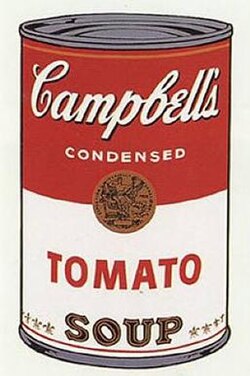
- 象徴的な作品:『キャンベルのスープ缶』や『マリリン・ディプティック』など。
- 活動拠点:ニューヨークのスタジオ「ザ・ファクトリー」で多くのアーティストや文化人を育成。
- 多角的な展開:絵画だけでなく、実験映画、写真、書籍出版など幅広いメディアを横断。
- 後世への影響:「15分間の名声」という言葉に代表される、名声とメディアのメカニズムを提示。
初期の歩みと商業芸術への道
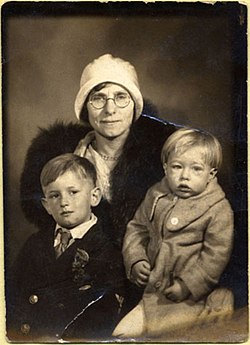
ウォーホルの芸術的感性は、ペンシルベニア州での幼少期に育まれました。家族と共に過ごした日々が、後の彼の視点に影響を与えています。
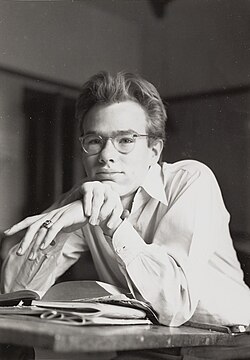
その後、ピッツバーグのカーネギー工科大学で学び、デザインの基礎を習得しました。この教育期間が、彼の緻密な構成力と商業的なセンスを形作ることになります。
大学卒業後の1949年から、彼は商業イラストレーターとして頭角を現します。広告業界で高く評価され、1952年と1956年にはアートディレクターズ・クラブから賞を授与されるなど、純粋芸術に転向する前からプロフェッショナルとしての地位を確立していました。
ポップアートの誕生と爆発的な成功
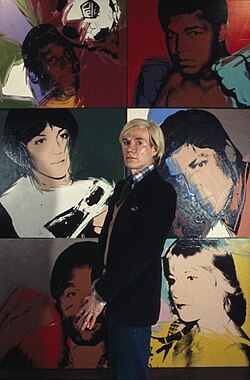
1960年代に入ると、ウォーホルはそれまでの商業的なスタイルを芸術へと昇華させます。特に、大量生産を可能にするシルクスクリーン(版画の一種)の技法を導入したことで、芸術作品の「唯一無二性」という伝統的な価値観に挑戦しました。
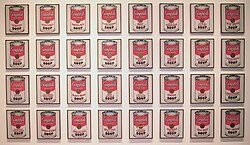
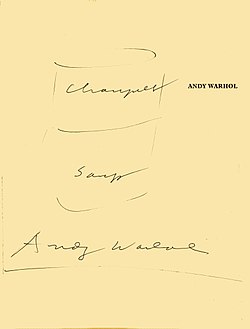
1962年に発表された『キャンベルのスープ缶』は、日常的なスーパーマーケットの商品を芸術の域にまで高め、世界的な衝撃を与えました。
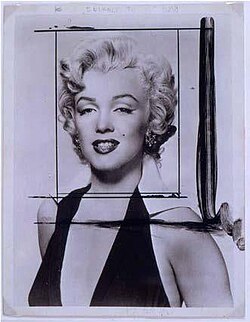
また、マリリン・モンローのような時代のアイコンを繰り返し描くことで、大衆が消費する「イメージ」としての人間を表現しました。これらの作品は、当時の消費社会を鏡のように映し出していました。
「ザ・ファクトリー」と文化的な実験
ウォーホルはニューヨークに「ザ・ファクトリー」と呼ばれるスタジオを構え、そこを芸術制作の場であると同時に、社会のあらゆる階層が集うサロンへと変貌させました。彼はここで「ウォーホル・スーパースター」と呼ばれる個性的な人々を囲い、映画制作やパフォーマンスに没頭しました。
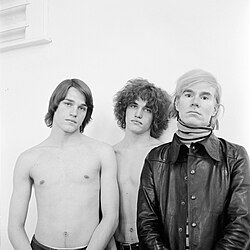
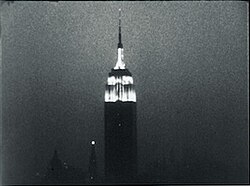
彼の映画作品は、極めて長い時間をかけた静止画に近い映像(『エンパイア』など)から、エロティシズムや社会の裏側を描いたものまで多岐にわたります。
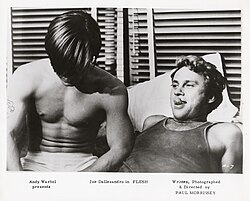
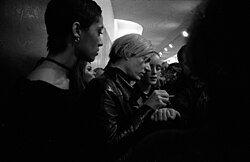
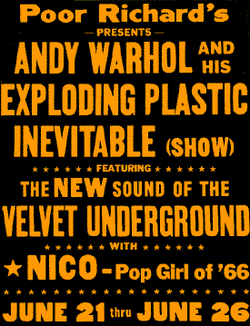
また、音楽グループ「ヴェルヴェット・アンダーグラウンド」をプロデュースし、『エクスプロージング・プラスティック・イネビタブル』というマルチメディア・ショーを演出するなど、視覚芸術と音楽、演劇を融合させた先駆的な試みを行いました。
波乱の人生と晩年の活動
1968年、ウォーホルは銃撃事件に巻き込まれ、死の淵をさまよいました。この出来事は彼の精神的な転換点となり、その後の作品や生活スタイルに影響を与えました。
回復後、彼はより社交的な生活へとシフトし、スタジオ54などのナイトクラブに頻繁に顔を出すようになります。また、ジミー・カーター大統領との面会や、世界各地への旅を通じて、自身のパブリックイメージをさらに拡大させました。
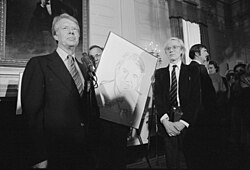
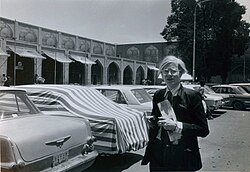
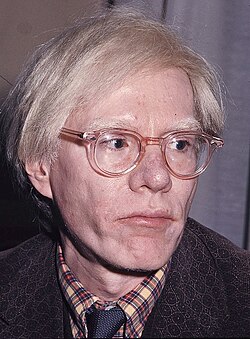
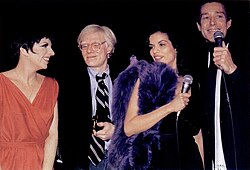
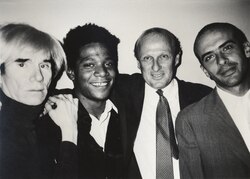
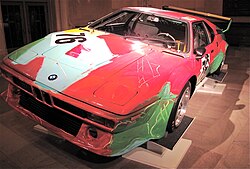
晩年には、ジャン=ミシェル・バスキアなどの若手アーティストとのコラボレーションを行い、再び絵画の世界で新たな方向性を模索しました。また、BMWの「アートカー」制作など、企業の商業プロジェクトにも積極的に取り組みました。
私生活と精神的な側面
公的なイメージとは裏腹に、ウォーホルは非常に内省的な一面を持っていました。パートナーのジェド・ジョンソンとの関係や、愛犬アーチーとの生活など、静かな私生活を大切にしていました。
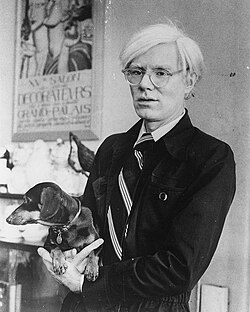
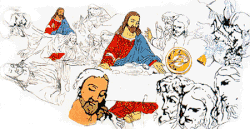
また、彼は深い信仰心を持っており、晩年には宗教的なテーマを扱った作品(『最後の晩餐』など)を制作しています。彼の人生における宗教的な探求は、消費社会への批評とは別の、精神的な救いを求める側面を示していました。
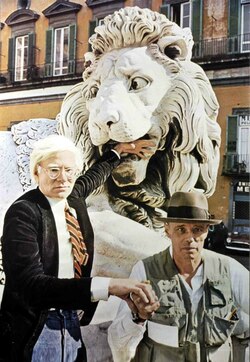
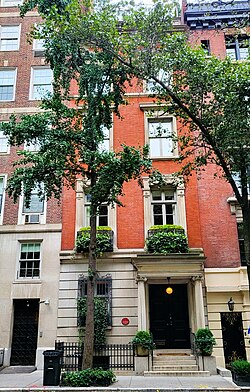
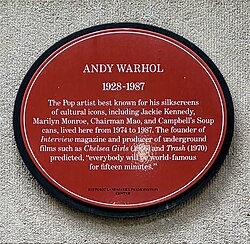
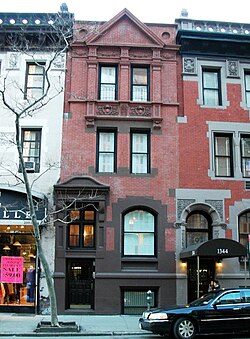
マンハッタンのレノックスヒルにある彼の邸宅は、現在文化的なランドマークとして指定されており、彼の生活の足跡を伝えています。
芸術的遺産と影響
1987年にこの世を去った後も、ウォーホルの影響は絶えません。彼の作品はオークションで高額で取引され、現代美術の市場価値を押し上げました。また、彼が残した膨大なアーカイブは「アンディ・ウォーホル財団」によって管理され、次世代のアーティストを支援し続けています。
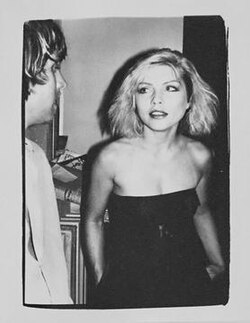
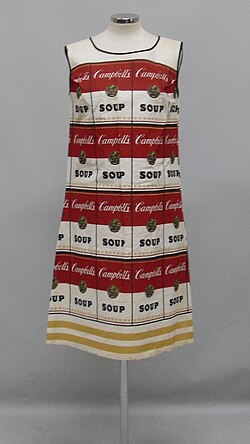
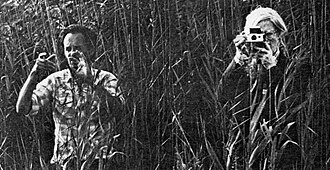
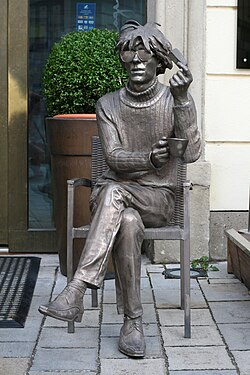
彼のルーツであるスロバキアでも、彼を称える記念碑や像が建てられており、世界的なアイコンとしての地位を不動のものにしています。
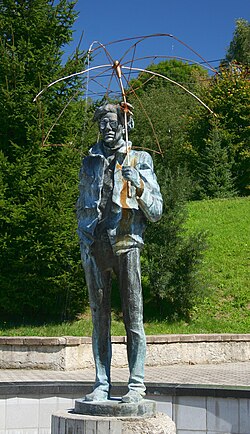
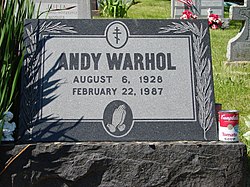
彼の最後は、故郷に近いペンシルベニア州の聖ヨハネ洗礼者ビザンチン・カトリック墓地に眠っています。
ウォーホルの活動概要まとめ
| 項目 | 詳細 |
|---|---|
| 活動期間 | 1949年 〜 1987年 |
| 主な芸術運動 | ポップアート |
| 主要技法 | シルクスクリーン、写真、映画、デジタルアート |
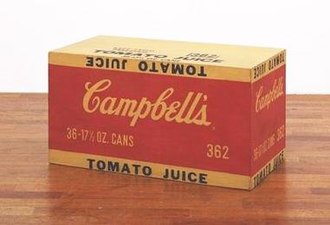
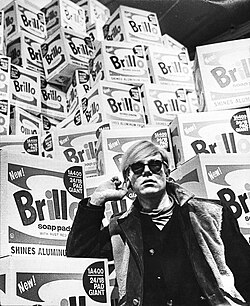
| 代表作 | キャンベルのスープ缶、マリリン・ディプティック、ブリロボックス |
| 重要拠点 | ザ・ファクトリー(ニューヨーク) |
| 受賞歴 | アートディレクターズ・クラブ賞、独立映画賞など |
Frequently Asked Questions
ポップアートとは具体的にどのような芸術ですか?
ポップアートは、広告、漫画、商品パッケージなどの大衆文化(ポピュラーカルチャー)を題材にした芸術運動です。ウォーホルはこの手法を用い、日常的なものを芸術に昇華させることで、エリート主義的な芸術観を打破しました。
「ザ・ファクトリー」とは何だったのでしょうか?
ニューヨークにあったウォーホルのスタジオであり、制作拠点であると同時に、アーティスト、モデル、音楽家、ドラッグ文化などが混ざり合う前衛的なコミュニティでした。ここでは作品の大量生産が行われ、現代のクリエイティブ・スタジオの先駆けとなりました。
なぜスープ缶や箱を繰り返し描いたのですか?
それは、現代社会における「大量生産」と「消費」という概念を表現するためです。誰にとっても同じに見える商品を描くことで、個人の感情を排除した機械的な美学を追求し、芸術の民主化を試みました。
ウォーホルは映画制作でも知られていますが、どのような特徴がありますか?
彼の映画は、伝統的な物語構造を無視した実験的なものが多く、長時間一つのシーンを捉え続けるなど、観客の時間感覚を揺さぶる手法が特徴です。また、自身の周囲にいた「スーパースター」たちを出演させ、彼らのありのままの姿を記録しました。
彼の作品が現在も高く評価されている理由は何ですか?
単に見た目が斬新だったからではなく、メディア、名声、消費主義という、現代人が避けて通れない社会構造をいち早く予見し、それを芸術として提示したからです。彼の視点は、現代のSNS社会における「自己演出」や「イメージ消費」にも通じています。
References
- Holden, Stephen (September 1, 2006). "A Portrait of the Artist as a Visionary, a Voyeur and a Brand-Name Star". The New York Times. Retrieved August 24, 2025.
- Cotter, Holland (November 8, 2018). "Meet Warhol, Again, in This Brilliant Whitney Show". The New York Times. Archived from the original on April 1, 2024. Retrieved April 1, 2024.
He's the most important American artist of the second half of the 20th century.
- Metcalf, Stephen (December 6, 2018). "Andy Warhol, Cold and Mute, Is the Perfect Artist for Our Times". The Atlantic. 2151-9463. Archived from the original on April 1, 2024. Retrieved April 1, 2024.
He's now widely regarded as the most important artist of the second half of the 20th century.
- Acocella, Joan (June 1, 2020). "Untangling Andy Warhol". The New Yorker. 0028-792X. Archived from the original on April 1, 2024. Retrieved April 1, 2024.
There was no huger reputation than Warhol's in the art of the sixties, and in late-twentieth-century art there was no more important decade than the sixties. Much of the art that has followed, in the United States, is unthinkable without him (...)
- Cotter, Holland (November 8, 2018). "Meet Warhol, Again, in This Brilliant Whitney Show". The New York Times. Archived from the original on April 1, 2024. Retrieved April 1, 2024.
- Many European-born Rusyns lacked official birth certificates, so exact birth dates were commonly uncertain. Church metrical books record Andrew Warhola's birth as December 7, 1886, but various documents give differing information: his 1909 marriage record lists his age as 24 (not 22), the 1930 U.S. Census reports his age at marriage as 21, a 1913 insurance application gives 1887 as his birth year, and Julia Warhola told Esquire in 1966 he was 20 at marriage. By his 1924 naturalization he used 1886 but with a different month and day; his citizenship papers, draft card, death certificate, and tombstone show November 28, 1886.
📸 フォトギャラリー