Aegeus at right consults the Pythia or oracle of Delphi. Vase, 440–430 BCE. He was told "Do not loosen the bulging mouth of the wineskin until you have reached the height of Athens, lest you die of grief", which at first he did not understand.
← ホームへ戻る
古代ギリシャ宗教オリンポス十二神ギリシャ神話古代ギリシャ 儀式デルポイの神託

古代ギリシャ宗教の体系神々と信仰、そして儀礼の全貌

🗓 2026年8月11日

古代ギリシャの宗教は、単なる神話の集積ではなく、人々の日常生活、政治、そして宇宙観と密接に結びついた複雑な信仰体系でした。自然現象や人間の感情を擬人化した多神教(ポリテイズム)を基盤とし、都市国家(ポリス)ごとの伝統と、ギリシャ全土で共有される共通の神々が共存していました。

主要な神々と宇宙の階層

ギリシャの神々は、世界の始まりを司る原初の神々から、その後の世代であるティタン、そして頂点に立つオリンポス十二神へと継承されていきました。最高神ゼウスを中心とする十二神は、それぞれが特定の領域(知恵、愛、戦争、狩猟など)を司り、人間社会のあらゆる側面に影響を与えると信じられていました。

例えば、知恵と戦略の女神アテナは、都市の守護神として深く崇拝され、その威厳は巨大な彫像や壮麗な神殿を通じて表現されました。
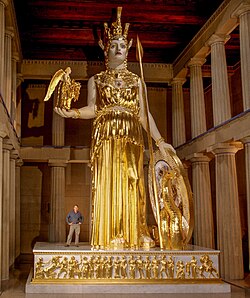
Reproduction of the Athena Parthenos cult image at the original size in the Parthenon in Nashville, Tennessee.

また、愛と美の女神アフロディーテは、芸術や文学において繰り返し描かれ、時代を超えて人々を魅了し続けています。
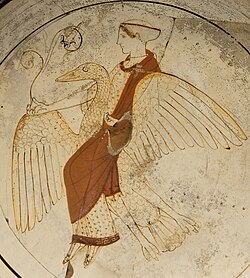
Aphrodite riding a swan: Attic white-ground red-figured kylix, c. 460, found at Kameiros (Rhodes)
The Birth of Venus (c. 1485) by Sandro Botticelli,[10] Uffizi, Florence

神々の世界は地上だけにとどまらず、死後の世界である冥界(ハデス)や、自然界に潜む精霊(ダイモン)、ニンフ、サテュロスといった多様な超自然的存在によって構成されていました。
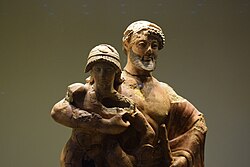
Zeus carrying away Ganymede (Late Archaic terracotta, 480-470 BCE)

信仰の実践と儀礼

古代ギリシャにおける宗教的行為は、教義への信仰よりも「正しい儀礼の遂行」に重点が置かれていました。神々の怒りを避け、加護を得るための具体的な実践が重視されたのです。

犠牲祭と供物

最も重要な儀式の一つが動物犠牲でした。牛や羊などが祭壇に捧げられ、その一部を焼いて神に捧げ、残りを共同体で分かち合うことで、神と人間の絆を確認しました。
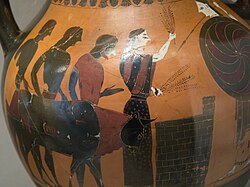
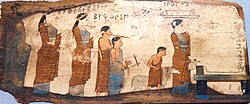
A bull is led to the altar of Athena, whose image is at right. Vase, c. 545 BCE.
Sacrifice of a lamb on a Pitsa Panel, Corinth, 540–530 BCE

また、液体を捧げる「献酒(リベーション)」や、感謝の印として神殿に奉納する「奉納品(ヴォーティヴ・オファリング)」も日常的に行われていました。
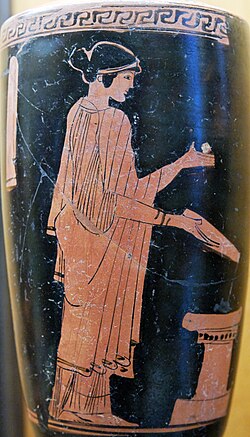
Woman pouring a libation on an altar

神託と聖域

未来を知るための「神託」は、国家の意思決定や個人の人生において極めて重要な役割を果たしました。特にデルポイの神託所では、ピュティアと呼ばれる巫女がアポロン神の言葉を伝えたとされています。
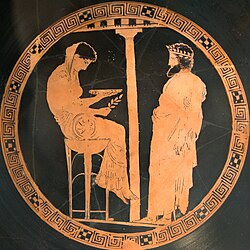
Aegeus at right consults the Pythia or oracle of Delphi. Vase, 440–430 BCE. He was told "Do not loosen the bulging mouth of the wineskin until you have reached the height of Athens, lest you die of grief", which at first he did not understand.

これらの儀式が行われる場所である神殿や聖域(テメノス)は、神が地上に降り立つ神聖な空間として厳格に管理されていました。
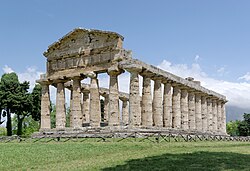
The Temple of Athena, Paestum

秘儀と精神的な探求

公的な宗教行事とは別に、選ばれた者だけが参加できる「秘儀(ミステリーズ)」が存在しました。エレウシスの秘儀やディオニュソスの秘儀などは、死後の救済や精神的な恍惚感、自然との一体感を追求するものでした。

また、医学の神アスクレピオスのように、特定の癒やしや救済を求める人々にとって、宗教は切実な希望の拠り所でもありました。
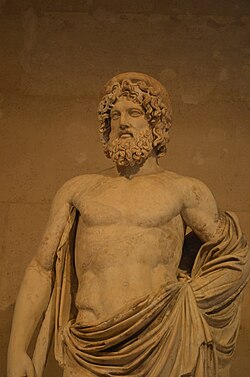
Asclepios, god of medicine. Marble Roman copy (2nd century CE) of a Greek original of the early 4th century BCE. Asclepios was not one of the Twelve Olympians, but popular with doctors like Pausanias, and their patients.

こうした信仰心は、後にソクラテスやプラトン、アリストテレスといった哲学者たちによる理性的な探求へと発展し、宇宙の根本原理(ロゴス)や徳(アレテー)の追求という哲学的な方向へと進化していきました。

Key Facts

  • 多神教の構造:ゼウスを頂点とするオリンポス十二神を中心に、原初の神々や精霊が共存する階層構造。
  • 儀礼の重視:教義よりも、犠牲祭や献酒などの正しい形式での儀式遂行が重視された。
  • 神託の役割:デルポイなどの神託所が、政治的・個人的な意思決定の重要な指針となった。
  • 秘儀の存在:一般の崇拝とは別に、死後の救済などを目的とした閉鎖的な宗教儀礼(エレウシスの秘儀など)があった。
  • 哲学への移行:神話的な世界観から、理性による宇宙の理解を目指す哲学へと発展した。

宗教的要素のまとめ

古代ギリシャ宗教の主要構成要素
カテゴリー 主な内容・例 目的・機能
神々 ゼウス、アテナ、アポロン、ハデス 自然現象の制御、社会秩序の維持
儀礼 動物犠牲、献酒、奉納 神との関係維持、加護の祈願
聖域 デルポイ、オリンピア、パルテノン神殿 神との交信、共同体の結束
秘儀 エレウシスの秘儀、オルフィス教 個人の精神的救済、死後の不安解消
概念 ヒュブリス(傲慢)、アレテー(徳) 道徳的規範の提示、人間としての在り方

時代が下るにつれ、これらの信仰はローマ宗教に吸収され、さらにキリスト教の台頭によって衰退していきましたが、その神話的想像力はルネサンス期の芸術や現代の文化にまで深い影響を与え続けています。
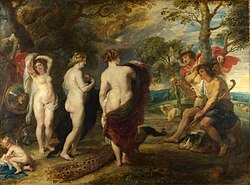
The Judgment of Paris by Peter Paul Rubens (c. 1636), depicting the goddesses Hera, Aphrodite and Athena, in a competition that causes the Trojan War. This Baroque painting shows the continuing fascination with Greek mythology
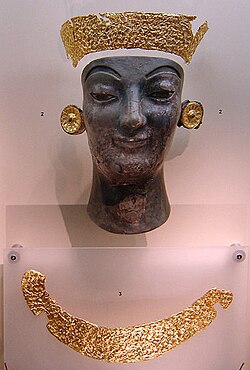
Gold and fire-blackened ivory fragments of a burnt Archaic chryselephantine statue - Delphi Archaeological Museum
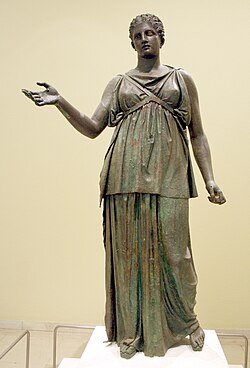
The (first) Piraeus Artemis, probably the cult image from a temple, 4th century BCE
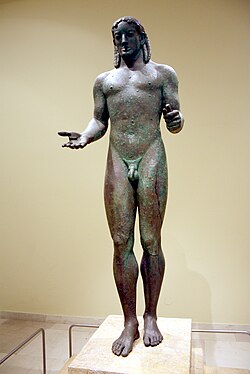
The Piraeus Apollo, c. 525 BCE
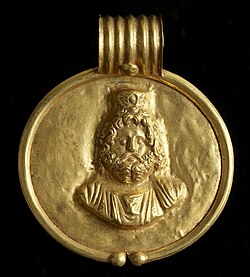
Pendant with Serapis, Egypt, 2nd century BCE
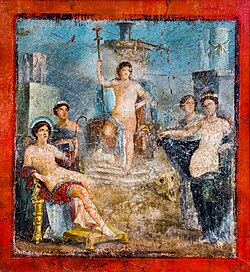
Dionysus with thyrsus sitting on a throne, with Helios, Aphrodite and other gods. Fresco from Pompeii.
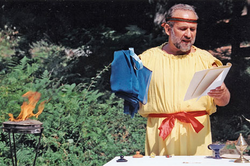
Modern Hellenic priest performing ritual.
ภาพประกอบบทความ

Frequently Asked Questions

古代ギリシャ人は一つの聖典を持っていましたか?

いいえ、現代の宗教のような単一の聖典は存在しませんでした。ホメロスの叙事詩やヘシオドスの詩などが神々の系譜や性質を伝える重要な資料となりましたが、信仰の内容は地域や時代によって多様でした。

「ヒュブリス」とはどのような概念ですか?

神々の領域を侵すような過剰な傲慢さや自信のことを指します。ヒュブリスを犯した人間は、神々の怒りを買い、必然的に破滅(ネメシス)へと導かれるという教訓が多くの神話に描かれています。

神殿の中でどのようなことが行われていましたか?

神殿は主に神の像( cult image)を安置する場所であり、一般的に礼拝や犠牲祭は神殿の外にある屋外の祭壇で行われました。内部は神の住まいとしての性格が強く、限られた権限を持つ者のみが入室できました。

オリンポス十二神以外にどのような神がいましたか?

河神、海の精霊(ネレイス)、風の神(アネモイ)、そして冥界を司るハデスやペルセポネなど、数え切れないほどの小神や精霊が存在し、自然界のあらゆる細部に神性が宿っていると考えられていました。

現代でも古代ギリシャの宗教は信仰されているのですか?

はい。歴史的な断絶はありましたが、古代の信仰を復興させようとする「ヘレニズム(現代ギリシャ多神教)」という宗教的運動が存在し、一部の人々が古代の儀礼や価値観を実践しています。

References

  1. (2013). The Cambridge companion to ancient Mediterranean religions. New York.  .  826075990.{{}}: CS1 maint: location missing publisher ()
  2. Esther Eidinow; Julia Kindt (2017). The Oxford handbook of ancient Greek religion. Oxford, United Kingdom.  .  987423652.{{}}: CS1 maint: location missing publisher ()
  3. Warrior, Valerie M. (2009). Greek religion : a sourcebook. Newburyport, MA: Focus.  .  422753768.
  4. Barbette Stanley Spaeth (2013). The Cambridge companion to ancient Mediterranean religions. New York.  .  826075990.{{}}: CS1 maint: location missing publisher ()
  5. , 2:1:4.
  6. , p. 129.
  7. Otto, W.F. (1954). . New York: Pantheon. p. 131.
  8. Rosivach, Vincent J. (1994). The System of Public Sacrifice in Fourth Century Athens. Atlanta: Scholars Press. p. 1.
  9. (1925) [1921]. Psyche: The Cult of Souls and Belief in Immortality among the Greeks. New York: Harcourt, Brace & company, inc.
  10. , p. 194.

📸 フォトギャラリー

Aegeus at right consults the Pythia or oracle of Delphi. Vase, 440–430 BCE. He was told "Do not loosen the bulging mouth of the wineskin until you have reached the height of Athens, lest you die of grief", which at first he did not understand.
Aphrodite riding a swan: Attic white-ground red-figured kylix, c. 460, found at Kameiros (Rhodes)
Asclepios, god of medicine. Marble Roman copy (2nd century CE) of a Greek original of the early 4th century BCE. Asclepios was not one of the Twelve Olympians, but popular with doctors like Pausanias, and their patients.
The Judgment of Paris by Peter Paul Rubens (c. 1636), depicting the goddesses Hera, Aphrodite and Athena, in a competition that causes the Trojan War. This Baroque painting shows the continuing fascination with Greek mythology
The Birth of Venus (c. 1485) by Sandro Botticelli,[10] Uffizi, Florence
A bull is led to the altar of Athena, whose image is at right. Vase, c. 545 BCE.
The Temple of Athena, Paestum
Sacrifice of a lamb on a Pitsa Panel, Corinth, 540–530 BCE
Reproduction of the Athena Parthenos cult image at the original size in the Parthenon in Nashville, Tennessee.
Gold and fire-blackened ivory fragments of a burnt Archaic chryselephantine statue - Delphi Archaeological Museum
The (first) Piraeus Artemis, probably the cult image from a temple, 4th century BCE
Woman pouring a libation on an altar
The Piraeus Apollo, c. 525 BCE
Zeus carrying away Ganymede (Late Archaic terracotta, 480-470 BCE)
Pendant with Serapis, Egypt, 2nd century BCE
Dionysus with thyrsus sitting on a throne, with Helios, Aphrodite and other gods. Fresco from Pompeii.
Modern Hellenic priest performing ritual.
ภาพประกอบบทความ