The Parthenon, a temple of Athena on the Acropolis in Athens.
← ホームへ戻る
古代ギリシャポリスアテナイアレクサンドロス大王ヘレニズム時代

古代ギリシャの歴史と文明暗黒時代からローマ支配まで

🗓 2026年8月11日

地中海北東部に栄えた古代ギリシャは、西洋文化の揺籃の地として知られています。紀元前12世紀頃の「暗黒時代」から、紀元後6世紀頃の古典古代の終焉まで、この文明は言語と文化を共有する独立した都市国家(ポリス)の集合体として発展しました。その歩みは、単なる国家の興亡ではなく、哲学、芸術、政治制度における人類史上の大転換点となりました。

ギリシャの地理的特徴である険しい山岳地帯は、各集落を自然に分断し、それが結果として独立性の強い小規模な政治単位である「ポリス」の形成を促しました。その後、マケドニア王国による短期間の統一や、アレクサンドロス大王による広大な帝国建設を経て、ギリシャ文化はオリエント世界へと浸透し、世界史に多大な影響を与えました。
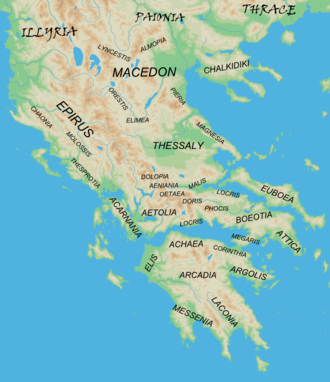
Major regions of mainland ancient Greece and adjacent "barbarian" lands

主要な歴史的事実(Key Facts)

  • 文明の期間: 紀元前12世紀頃から紀元後6世紀頃まで。
  • 政治形態: 独立した都市国家「ポリス」が中心となり、後にマケドニアやローマの支配下に入った。
  • 文化の拡大: アレクサンドロス大王の遠征により、ギリシャ文化が近東まで広がる「ヘレニズム時代」が到来した。
  • 経済的繁栄: 古典期の自由市民は、当時の世界で最も豊かな層の一つであり、高度な前工業経済を築いていた。
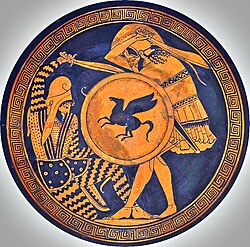
  • 軍事の特徴: 重装歩兵(ホプリタイ)による密集陣形(ファランクス)や、アテナイの強力な三段櫂船艦隊が特徴。

時代区分と文明の変遷

暗黒時代からアルカイック期へ

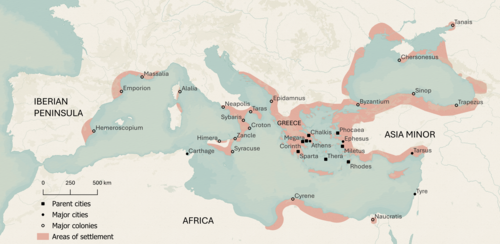
ミケーネ文明の崩壊後、紀元前1200年から800年頃までは「ギリシャの暗黒時代」と呼ばれます。この時期は考古学的に幾何学様式の土器が特徴的です。紀元前8世紀に入ると、都市国家ポリスが形成され始め、人口増加に伴い地中海全域へ植民活動が展開されました。この時期にアルファベットの導入や貨幣制度の採用が進み、近東文化との接触が芸術や建築に刺激を与えました。
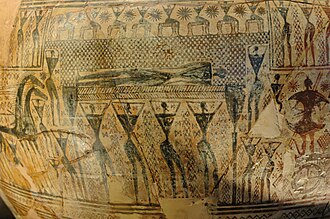
Dipylon Vase of the late Geometric period, or the beginning of the Archaic period, c. 750 BC.

Ancient Greek colonies in the archaic period

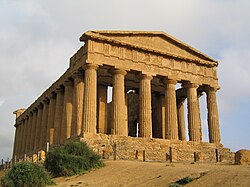
The Temple of Concordia, Valle dei Templi, Magna Graecia, present-day Italy

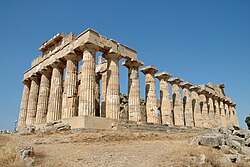
The Temple of Hera at Selinunte, Sicily

古典期:黄金時代と対立

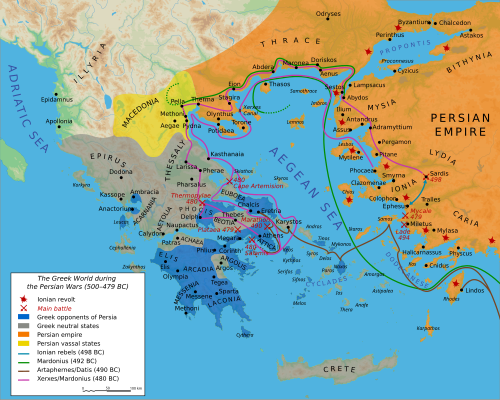
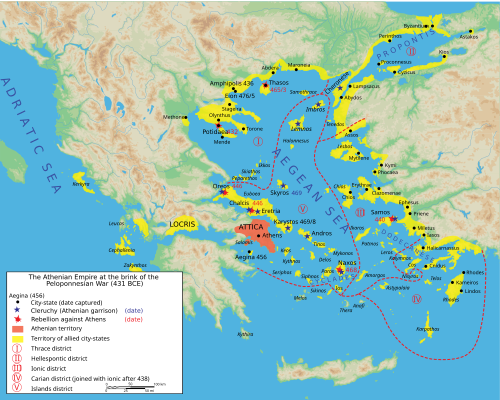
紀元前480年のペルシア侵攻から、紀元前323年のアレクサンドロス大王の死までを古典期と呼びます。アテナイを中心とするデロス同盟がペルシアを撃退し、アテナイは政治・文化の黄金時代を迎えました。しかし、その後はスパルタとの覇権争い(ペロポネソス戦争)へと発展し、ギリシャ世界は混乱に陥ります。最終的に、フィリッポス2世率いるマケドニアが台頭し、ギリシャ諸ポリスを統合しました。
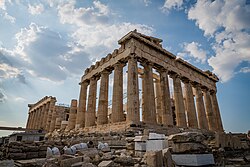
The Parthenon, a temple of Athena on the Acropolis in Athens.

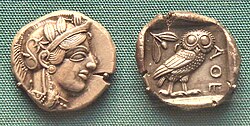
Early Athenian coin, depicting the head of Athena on the obverse and her owl on the reverse – 5th century BC

Events of the first phases of the Greco-Persian Wars

The Delian League immediately before the Peloponnesian War in 431 BC

Marble bust of Pericles with a Corinthian helmet, Roman copy of a Greek original, Museo Chiaramonti, Vatican Museums; Pericles was a key populist political figure in the development of the radical Athenian democracy.[80]

Greek hoplite and Persian warrior depicted fighting, on an ancient kylix, 5th century BC

ヘレニズム時代とローマによる吸収

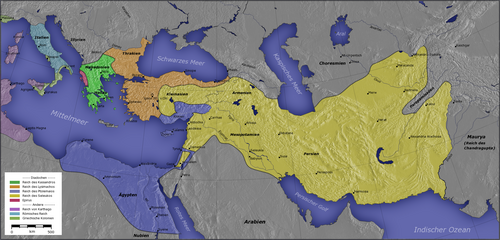
アレクサンドロス大王の死後、帝国は後継者(ディアドコイ)たちによって分割され、プトレマイオス朝やセレウコス朝などの王国が成立しました。これによりギリシャ文化が広範囲に普及しましたが、次第に台頭するローマ共和国の圧力にさらされます。紀元前146年のコリントス戦いでの敗北により、ギリシャの独立は事実上終わりを告げ、ローマの属州となりました。
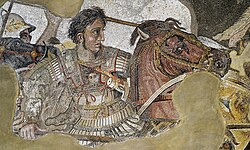
Alexander Mosaic, National Archaeological Museum, Naples

The major Hellenistic realms included the Diadochi kingdoms: Kingdom of Ptolemy I Soter Kingdom of Cassander Kingdom of Lysimachus Kingdom of Seleucus I Nicator Epirus Also shown on the map: Greek colonies Carthage (non-Greek) Rome (non-Greek) The orange areas were often in dispute after 281 BC. The Attalid dynasty occupied some of this area. Not shown: Indo-Greek Kingdom.

ローマ支配から後期古代へ

ローマ支配下のギリシャは、一部のポリスが自治を維持したものの、反乱は厳しく鎮圧されました。紀元前27年にはアカイア属州として整理されます。その後、帝国がキリスト教化し、529年にユスティニアヌス1世によってアテナイのアカデメイアが閉鎖されたことで、古典古代の時代は終焉を迎え、ビザンツ帝国へと移行しました。
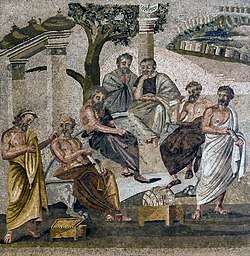
Mosaic from Pompeii depicting Plato's Academy

社会・経済と文化の遺産

政治構造と社会階層

ポリスの統治形態は多様で、民主政から寡頭政、あるいは僭主(ティラノス)による独裁まで存在しました。法制度も整備され、クレタ島のゴルティン法典などの断片が当時の社会規範を伝えています。また、経済を支えたのは自由市民だけでなく、銀山などで働く多くの奴隷層の存在もありました。
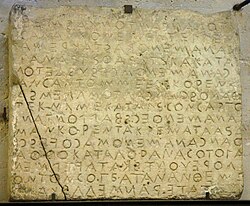
Inheritance law, part of the Gortyn code, Crete, fragment of the 11th column. Limestone, 5th century BC

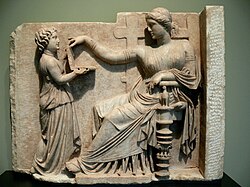
Gravestone of a woman with her slave child-attendant, c. 100 BC

知的探求と芸術の発展

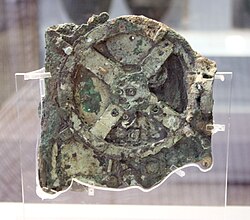
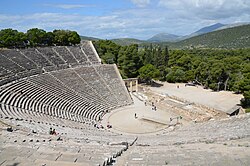
哲学においては、ソクラテス、プラトン、アリストテレスらが論理的思考の基礎を築きました。また、悲劇や喜劇などの演劇文化が発展し、エピダウロスの劇場のような大規模な施設が建設されました。科学技術面では、天体の位置を計算するアナログコンピュータ「アンティキティラ機械」のような驚異的な発明もなされていました。
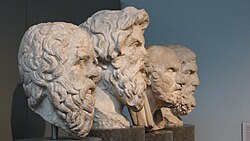
The carved busts of four ancient Greek philosophers, on display in the British Museum. From left to right: Socrates, Antisthenes, Chrysippus, and Epicurus.

The ancient Theatre of Epidaurus, 4th century BC

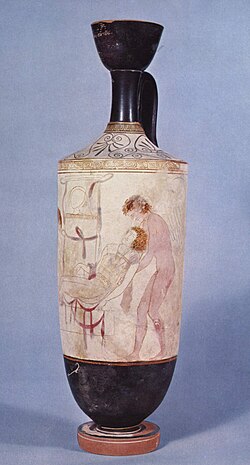
A scene from the Iliad: Hypnos and Thanatos carrying the body of Sarpedon from the battlefield of Troy; detail from an Attic white-ground lekythos, c. 440 BC

The Antikythera mechanism was an analog computer from 150 to 100 BC designed to calculate the positions of astronomical objects.

芸術と宗教

ギリシャ人はオリンポスの神々を中心とする多神教を信仰し、パルテノン神殿のような壮麗な建築物を捧げました。彫刻では、人間の肉体を理想的に表現する写実的なスタイルが追求され、ブロンズ像などの傑作が残されています。
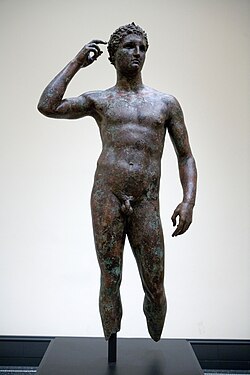

The Victorious Youth (c. 310 BC) is a rare, water-preserved bronze sculpture from ancient Greece.

Mount Olympus, home of the Twelve Olympians

古代ギリシャの概要まとめ

古代ギリシャ文明の時代別特徴
時代 期間(目安) 主な特徴・出来事
暗黒時代 BC 1200年 - BC 800年 ミケーネ文明崩壊後、幾何学様式の土器が主流。
アルカイック期 BC 800年 - BC 480年 ポリスの形成、地中海への植民活動、アルファベット導入。
古典期 BC 480年 - BC 323年 ペルシア戦争、アテナイの黄金時代、マケドニアの台頭。
ヘレニズム期 BC 323年 - BC 146年 アレクサンドロス大王による文化拡散、後継王国時代の繁栄。
ローマ支配期 BC 146年 - AD 600年頃 ローマ属州化、キリスト教の普及、古典古代の終焉。

Frequently Asked Questions

ポリスとは具体的にどのような組織でしたか?

ポリスは、単なる「都市」ではなく、都市とその周辺の農村地域を含む独立した「都市国家」を指します。独自の法律、軍隊、通貨を持ち、市民が政治に参加する共同体としての性格が強い組織でした。

アレクサンドロス大王が文化に与えた影響は何ですか?

大王の東方遠征により、ギリシャの言語(コイネー)や芸術、政治制度がエジプトや中央アジアまで伝播しました。これにより、ギリシャ文化とオリエント文化が融合した「ヘレニズム文化」が誕生しました。

当時の経済水準はどの程度だったのでしょうか?

古典期のアテナイなどの自由市民は、前工業社会としては極めて高い繁栄を享受していました。特に都市部の非熟練労働者の賃金は、後のローマ時代の農村労働者よりも大幅に高かったと推定されています。

ギリシャの軍事的な強さの秘密は何でしたか?

陸上では、重装歩兵が盾を並べて前進する「ファランクス」という密集陣形が強力でした。また、アテナイは豊富な銀山を背景に、高度な技術を持つ三段櫂船の艦隊を構築し、制海権を握ることで繁栄を維持しました。

なぜギリシャ文明はローマに吸収されたのですか?

ポリス同士の絶え間ない内紛(ペロポネソス戦争など)により、ギリシャ世界は政治的に分断され、弱体化していました。その隙に、組織的な軍事力と統治能力を持つローマ共和国が介入し、次第にその支配下に置かれることとなりました。

References

  1. This roughly 15-year-long unification, under and then his son , excludes certain independent Greek city-states in the western Mediterranean, around the Black Sea and Cyrenaica.

📸 フォトギャラリー

The Parthenon, a temple of Athena on the Acropolis in Athens.
Dipylon Vase of the late Geometric period, or the beginning of the Archaic period, c. 750 BC.
Early Athenian coin, depicting the head of Athena on the obverse and her owl on the reverse – 5th century BC
Events of the first phases of the Greco-Persian Wars
The Delian League immediately before the Peloponnesian War in 431 BC
The Victorious Youth (c. 310 BC) is a rare, water-preserved bronze sculpture from ancient Greece.
Alexander Mosaic, National Archaeological Museum, Naples
The major Hellenistic realms included the Diadochi kingdoms: Kingdom of Ptolemy I Soter Kingdom of Cassander Kingdom of Lysimachus Kingdom of Seleucus I Nicator Epirus Also shown on the map: Greek colonies Carthage (non-Greek) Rome (non-Greek) The orange areas were often in dispute after 281 BC. The Attalid dynasty occupied some of this area. Not shown: Indo-Greek Kingdom.
Major regions of mainland ancient Greece and adjacent "barbarian" lands
Ancient Greek colonies in the archaic period
The Temple of Concordia, Valle dei Templi, Magna Graecia, present-day Italy
Marble bust of Pericles with a Corinthian helmet, Roman copy of a Greek original, Museo Chiaramonti, Vatican Museums; Pericles was a key populist political figure in the development of the radical Athenian democracy.[80]
Inheritance law, part of the Gortyn code, Crete, fragment of the 11th column. Limestone, 5th century BC
Gravestone of a woman with her slave child-attendant, c. 100 BC
Mosaic from Pompeii depicting Plato's Academy
Greek hoplite and Persian warrior depicted fighting, on an ancient kylix, 5th century BC
The carved busts of four ancient Greek philosophers, on display in the British Museum. From left to right: Socrates, Antisthenes, Chrysippus, and Epicurus.
The ancient Theatre of Epidaurus, 4th century BC
A scene from the Iliad: Hypnos and Thanatos carrying the body of Sarpedon from the battlefield of Troy; detail from an Attic white-ground lekythos, c. 440 BC
The Antikythera mechanism was an analog computer from 150 to 100 BC designed to calculate the positions of astronomical objects.
The Temple of Hera at Selinunte, Sicily
Mount Olympus, home of the Twelve Olympians