北アフリカの広大な砂漠に囲まれながら、ナイル川という生命線によって繁栄した古代エジプト。紀元前3150年頃から紀元前30年に至るまで、この地では世界でも類を見ないほど長く、安定した文明が築かれました。巨大なピラミッドや精緻なヒエログリフ、そして死後の世界への強い信仰心など、現代の私たちを魅了してやまない文化の数々は、当時の高度な社会組織と精神性の結晶です。
主要な歴史的事実
- 統治期間: 紀元前3150年頃の上下エジプト統一から、紀元前30年のローマ帝国による併合まで。
- 社会構造: ファラオを頂点とする厳格な階級社会であり、行政、宗教、経済が密接に結びついていた。
- 経済基盤: ナイル川の定期的な氾濫を利用した高度な農業と、プントなどの遠方との交易。
- 知的遺産: 聖刻文字(ヒエログリフ)による記録文化、高度な数学、天文学、および医学の発展。
- 宗教観: 多神教を信仰し、ミイラ製作に代表される「永遠の生」への強い執着を持っていた。
文明の歩み:王朝の変遷と時代区分
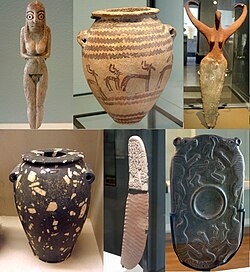
エジプトの歴史は、安定した「王国」時代と、混乱した「中間期」を繰り返しながら展開しました。始まりは紀元前4400年から3100年頃の先王朝時代にあり、この時期にすでに土器や装飾品などの文化的な基盤が形成されていました。
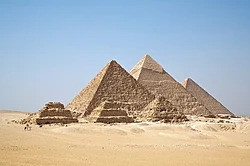
紀元前3150年頃、上下エジプトが統一されると、初期王朝時代へと移行します。その後、紀元前2686年から2181年までの「古王国時代」には、権力の象徴である巨大ピラミッドが建設され、中央集権体制が確立されました。
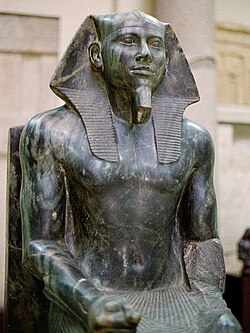
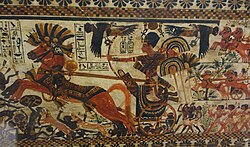
その後、第一中間期という混乱を経て、中王国時代(紀元前2134年〜1690年)には文学や芸術が花開きます。さらに、ヒクソスなどの外敵による支配(第二中間期)を乗り越えて成立したのが、新王国時代(紀元前1549年〜1077年頃)です。この時代はエジプトが帝国として最大版図を広げた黄金期であり、多くの著名なファラオが君臨しました。
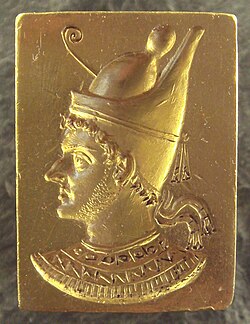
後世になると、クシュ王国による支配やペルシアの侵攻を経て、アレクサンドロス大王による征服後のプトレマイオス朝へと移ります。最終的に紀元前30年、クレオパトラ7世の死とともにローマ帝国の属州となり、古代エジプトの独立した歴史は幕を閉じました。
社会システムと経済の仕組み
統治と階級社会
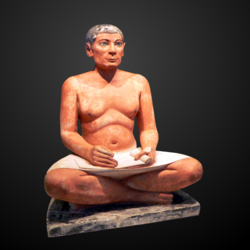
国家の最高権力者はファラオであり、神の化身として政治と宗教の両面を支配しました。その下には、行政実務を担う書記(スクライブ)や貴族、そして人口の大部分を占める農民や職人が位置していました。
農業と自然資源
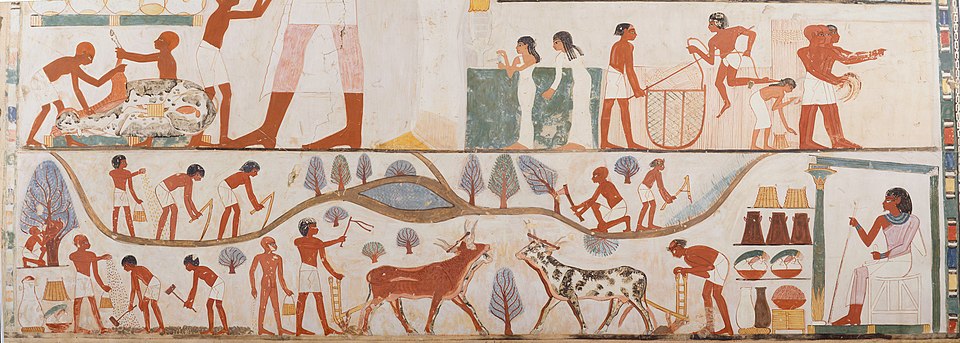
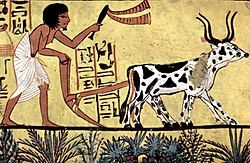
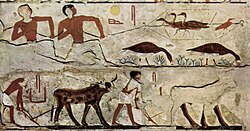
経済の根幹はナイル川の氾濫を利用した農業でした。小麦や大麦の栽培が行われ、効率的な灌漑システムが構築されていました。また、パピルスや金などの天然資源は、国内での利用だけでなく重要な交易品となりました。
交易と外交
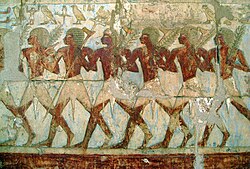
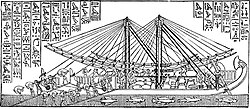
エジプトは閉鎖的な社会ではなく、積極的に外部と交流していました。特にプント(現在のソマリア付近)への遠征は有名であり、香料や金、象牙などを輸入していました。
文化・科学・芸術の到達点
言語と文字の進化
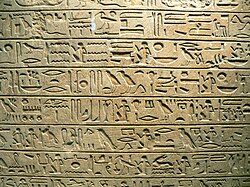
エジプト人は、聖なる文字であるヒエログリフ(聖刻文字)を用いて、神殿の壁面やパピルスに記録を残しました。後に実用的な草書体であるヒエラティックやデモティックへと進化し、行政や文学に利用されました。これらの解読を可能にしたのが、3つの言語で同じ内容が記されたロゼッタストーンです。
![The Rosetta Stone (c. 196 BC) enabled linguists to begin deciphering ancient Egyptian scripts.[128]](/images/39/82/39821cfab804b7f60ccb0b8af7a4be4bc02e387d6f438a3c098a0d2917d285b8.jpg)
科学技術と医学
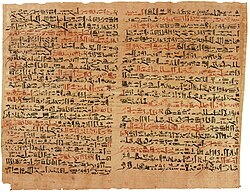
数学では、ピラミッド建設に不可欠な幾何学が発達し、天文学では星の動きに基づいた暦が作成されました。医学においても、解剖学的知識に基づいた外科手術や治療法がパピルスに記録されており、当時の水準を遥かに超える知見を持っていました。
芸術と建築の様式
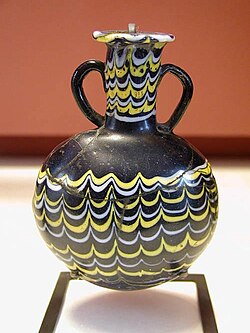
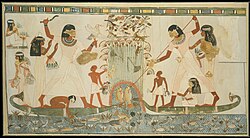
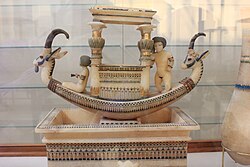
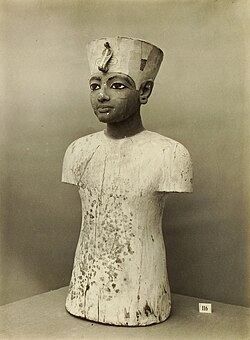
エジプト芸術は、宗教的な目的と結びついた厳格な様式美が特徴です。彫像や壁画は、単なる装飾ではなく、死後の世界で魂が宿るための依代としての役割を持っていました。また、ガラス工芸などの高度な技術も保持していました。
信仰と死生観:永遠への旅
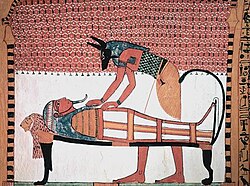
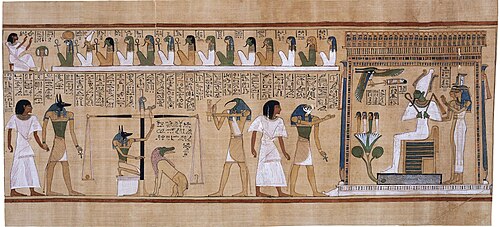
古代エジプト人にとって、死は終わりではなく、新しい生への始まりでした。彼らは魂が肉体に戻るために、遺体を保存するミイラ化という儀式を重視しました。アヌビス神などの神々がこのプロセスを司ると信じられていました。
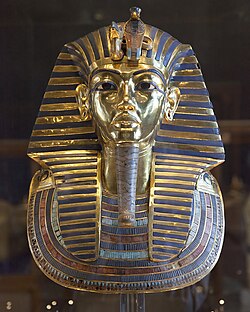
また、死者が冥界で迷わず旅ができるよう、呪文や指針を記した『死者の書』が副葬品として添えられました。王たちの墓であるピラミッドや王家の谷には、黄金のマスクをはじめとする膨大な財宝が納められ、来世での贅沢な生活が保障されると考えられていました。
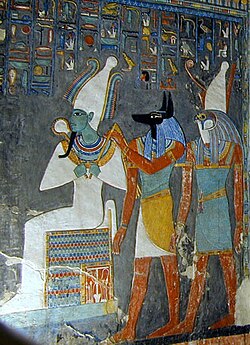
神々の世界では、オシリス(冥界の王)、ホルス(天空の神)、イシスなどが中心的な役割を果たし、宇宙の秩序(マアト)を維持することが至上の価値とされていました。
古代エジプトの時代区分まとめ
| 時代区分 | 概算期間(BC) | 主な特徴 |
|---|---|---|
| 先王朝時代 | 4400 〜 3100 | 初期の集落形成と文化の萌芽 |
| 初期王朝時代 | 3150 〜 2686 | 上下エジプトの統一、国家の成立 |
| 古王国時代 | 2686 〜 2181 | 巨大ピラミッドの建設黄金期 |
| 中王国時代 | 2134 〜 1690 | 文学の発展と地方行政の整備 |
| 新王国時代 | 1549 〜 1077 | 帝国主義的な拡大、王家の谷の造営 |
| 末期王朝時代 | 664 〜 332 | 外国勢力の浸透と王朝の交代 |
| プトレマイオス朝 | 332 〜 30 | ギリシャ文化との融合(ヘレニズム) |
その他の文化的側面
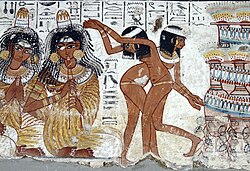
エジプトの日常は、ナイルの恵みによる豊かな食文化や、音楽、ダンスなどの娯楽に彩られていました。また、社会の下層にいた人々であっても、それぞれの職能を持って社会を支えていました。
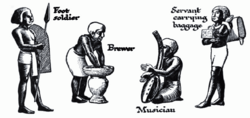
また、遺伝学的な研究によれば、古代エジプト人のルーツは東アフリカに根ざしたハプログループE1b1bなどが共通して見られ、アフリカ大陸の文脈の中で発展した文明であったことが示唆されています。
![E1b1b is the most common paternal haplogroup across Africa, including Egypt, with modern genetic studies rooting the origin of the E haplogroup in East Africa.[223]](/images/98/8c/988c17012dc4a282079af2e2906e631e87a8ecd7a86459de7b4678ebf1777d42.png)
後世にまで影響を与えたエジプトの遺産は、ナポレオンのエジプト遠征による詳細な記録などを通じて再発見され、現代の考古学や歴史学の基礎となりました。
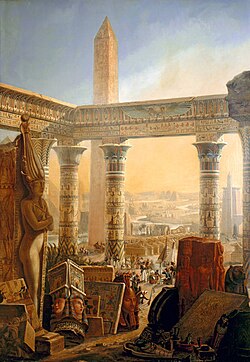
(以下、関連画像プレースホルダーの挿入)
![The Narmer Palette depicts the unification of the Two Lands.[24]](/images/e9/fd/e9fd5d2b647d37ac53425730b5ea50d8d9cc4602d6d633e47e1b6e746048e1d8.jpg)
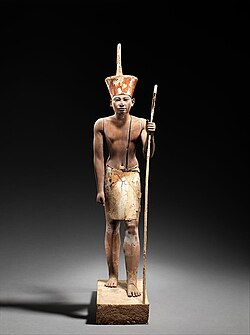
![Statues of two pharaohs of Egypt's Twenty-Fifth Dynasty and several other Kushite kings, Kerma Museum[52]](/images/e8/7d/e87dacadeca81d890e0d651d24366c4d0afe1b1738bebd257ec3870080dcdf2b.jpg)
![Egyptian gold stater of Nectanebo II: reverse with hieroglyphs nfr-nb minted in Egypt (around 360 BC).[106]](/images/8f/7b/8f7b5f9d971c4f64052c12b5931edaa7a433807a644d51dd6baf7704a7b51d4c.jpg)
![Facsimile of the Astronomical chart in Senemut's tomb, 18th dynasty[196]](/images/9b/42/9b42fbedc428b2e97aec4eb040700cc8894c45cf18c07abf1bc7006984c6c5c6.jpg)
![Ancestry model of Egyptian genome NUE001 from Nuwayrat (2855–2570 BC).[219]](/images/dc/28/dc28fd2df4a4e73187cb62267b4b3b5b98fb5702e8e9b72fe408cbc7cf9a8f73.png)
Frequently Asked Questions
ピラミッドは誰がどのようにして建設したのですか?
ピラミッドはファラオの権威を示す墓として建設されました。かつては奴隷による強制労働と考えられていましたが、近年の研究では、熟練した職人と、農閑期の農民たちが国家的なプロジェクトとして組織的に従事していたことが分かっています。
ヒエログリフはどのようにして解読されたのですか?
1799年に発見された「ロゼッタストーン」が決定的な役割を果たしました。この石碑には、同じ内容がヒエログリフ、デモティック(民衆文字)、ギリシャ語の3種類で記されていたため、既知のギリシャ語を手がかりに解読が進みました。
なぜミイラを作ったのですか?
古代エジプト人は、死後も魂(カやバ)が生存し続けると信じていました。魂が戻ってくるための「器」として肉体を保存しておく必要があったため、高度な防腐処理を施してミイラを作成しました。
古代エジプトの宗教における「マアト」とは何ですか?
マアトとは、宇宙の真理、正義、調和、秩序を意味する概念です。ファラオの最大の使命は、このマアトを維持し、世界に混乱(イスフェト)が起きないように統治することにあると考えられていました。
プトレマイオス朝とはどのような時代でしたか?
アレクサンドロス大王の死後、その将軍プトレマイオスが建てた王朝です。支配層はギリシャ系でしたが、エジプトの伝統的な宗教や文化を尊重し、融合させたヘレニズム文化が発展しました。最後を飾ったのが有名なクレオパトラ7世です。
References
- With the death of
- Depending on the definition, the end of ancient Egypt may be considered to have occurred either with the end of the in 332 BC or with the end of the in 30 BC.
- With his two principal wives and large harem, Ramesses II sired more than 100 children. (, p. 146)
- From , p. 2: "First coined in 1881 by the French Egyptologist G. Maspero (1896), the somewhat misleading term "Sea Peoples" encompasses the ethnonyms Lukka, Sherden, Shekelesh, Teresh, Eqwesh, Denyen, Sikil / Tjekker, Weshesh, and Peleset (Philistines). Footnote: The modern term "Sea Peoples" refers to peoples that appear in several New Kingdom Egyptian texts as originating from "islands"... The use of quotation marks in association with the term "Sea Peoples" in our title is intended to draw attention to the problematic nature of this commonly used term. It is noteworthy that the designation "of the sea" appears only in relation to the Sherden, Shekelesh, and Eqwesh. Subsequently, this term was applied somewhat indiscriminately to several additional ethnonyms, including the Philistines, who are portrayed in their earliest appearance as invaders from the north during the reigns of Merenptah and Ramesses III."
- From , pp. 48–61: "The thesis that a great "migration of the Sea Peoples" occurred ca. 1200 B.C. is supposedly based on Egyptian inscriptions, one from the reign of Merneptah and another from the reign of Ramesses III. Yet in the inscriptions themselves such a migration nowhere appears. After reviewing what the Egyptian texts have to say about 'the sea peoples', one Egyptologist (Wolfgang Helck) recently remarked that although some things are unclear, "eins ist aber sicher: Nach den agyptischen Texten haben wir es nicht mit einer 'Volkerwanderung' zu tun." Thus the migration hypothesis is based not on the inscriptions themselves but on their interpretation."
- Figures are given for adult life expectancy and do not reflect life expectancy at birth. (, p. 25)
- See .
- Understanding of Egyptian mathematics is incomplete due to paucity of available material and lack of exhaustive study of the texts that have been uncovered (, p. 13).
📸 フォトギャラリー