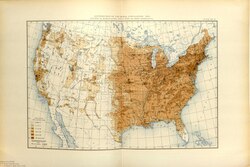
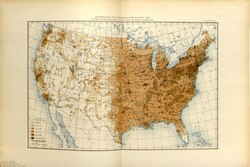
U.S. census map showing the extent of settlement and frontier line in 1900
← ホームへ戻る

アメリカン・フロンティアの歴史開拓時代の光と影

🗓 2026年8月15日

アメリカ合衆国のアイデンティティを形作った最大の要素の一つが、フロンティア(辺境)の開拓です。17世紀から20世紀初頭にかけて、入植者たちは東海岸から未知の西へと突き進み、広大な領土を拡大させました。このプロセスは単なる地理的な拡大ではなく、政治、経済、そして文化的な激変を伴う壮大なドラマでした。
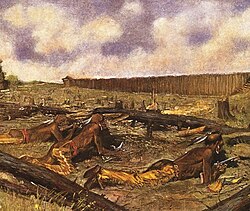
Siege of Fort Detroit during Pontiac's War in 1763

初期の開拓は、イギリスからの移民が農地を求めて内陸へ移動することから始まりました。彼らはフランス人や先住民との衝突を繰り返しながら、徐々に定住圏を広げていきました。
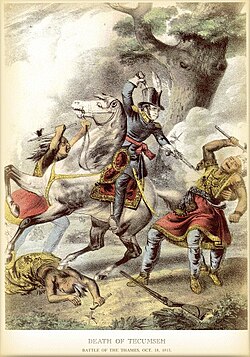
Native leader Tecumseh killed in battle in 1813 by Richard M. Johnson, who later became vice president
U.S. census map showing the extent of settlement and frontier line in 1900

Key Facts

  • 西進の原動力:「マニフェスト・デスティニー(明白な天命)」という、北米大陸全土を支配することが神から与えられた使命であるという信念が浸透していた。
  • 領土拡大の転換点:ルイジアナ買収やメキシコ・アメリカ戦争などを通じて、急速に領土が拡大した。
  • 経済的誘因:毛皮貿易や、カリフォルニアでのゴールドラッシュが多くの人々を西へと駆り立てた。
  • インフラの革命:大陸横断鉄道の完成により、移動時間が劇的に短縮され、フロンティアの終焉が加速した。
  • 先住民への影響:土地の奪い合いにより、多くの先住民が強制移住させられ、激しい紛争(インディアン戦争)へと発展した。

初期の開拓と領土の拡大

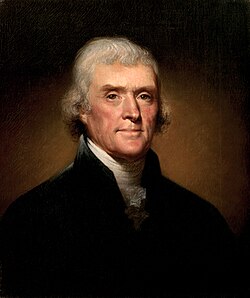
独立後のアメリカは、土地政策を通じて組織的に西への拡大を推進しました。特にトーマス・ジェファーソン大統領によるルイジアナ買収は、国家の規模を飛躍的に拡大させる決定的な出来事となりました。
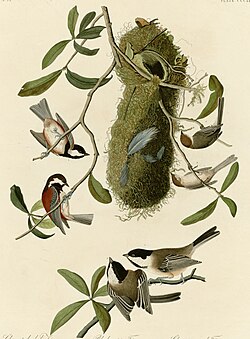
Plate from Audubon's Birds of America
Thomas Jefferson saw himself as a man of the frontier and a scientist; he was keenly interested in expanding and exploring the West.

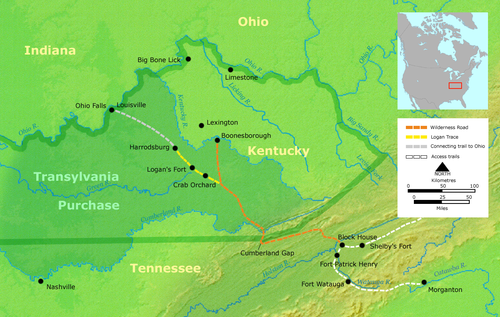
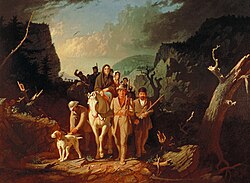
初期の開拓者たちは、ダニエル・ブーンのような熟練した案内人の導きにより、険しい山道を越えて未知の土地へと足を踏み入れました。彼らが切り拓いた「ウィルダネス・ロード」は、後の大規模な移住の道しるべとなりました。
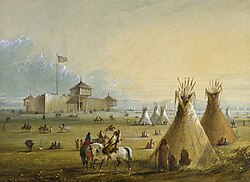
The first Fort Laramie as it looked before 1840. Painting from memory by Alfred Jacob Miller
Daniel Boone escorting settlers through the Cumberland Gap
Map of the Wilderness Road by 1785

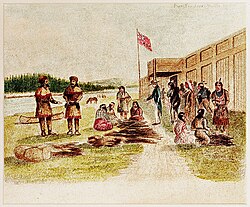
また、経済的な側面では毛皮貿易が先行し、多くの交易ポストが建設されました。これにより、ヨーロッパ人が足を踏み入れていなかった内陸部の地理情報が収集されていきました。
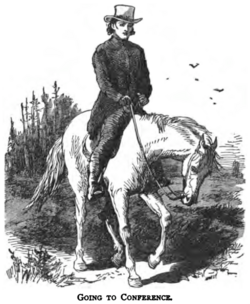
Illustration from The Circuit Rider: A Tale of the Heroic Age by Edward Eggleston. The well-organized Methodists sent the circuit rider to create and serve a series of churches in a geographical area.
Fur trading at Fort Nez Percés in 1841

マニフェスト・デスティニーと激動の19世紀

19世紀半ばになると、「マニフェスト・デスティニー」の思想が強まり、テキサスの独立やメキシコとの戦争を通じて、南西部への進出が加速しました。この時期、カリフォルニアで金が発見されたことで、世界中から「フォーティナイナーズ」と呼ばれる人々が押し寄せました。
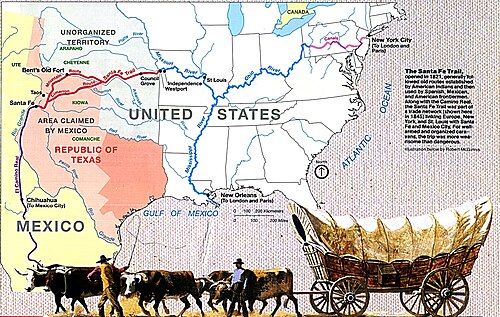
Map of the Santa Fe Trail
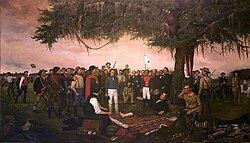
Sam Houston accepting the surrender of Mexican general Santa Anna, 1836
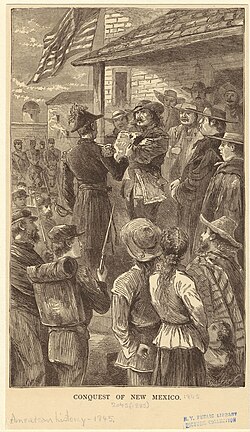
General Kearny's annexation of New Mexico, August 15, 1846

西への旅は過酷を極めました。オレゴン・トレイルなどのルートを辿り、幌馬車で数ヶ月かけて移動する人々にとって、病気や飢え、そして先住民との衝突は常に隣り合わせの危険でした。
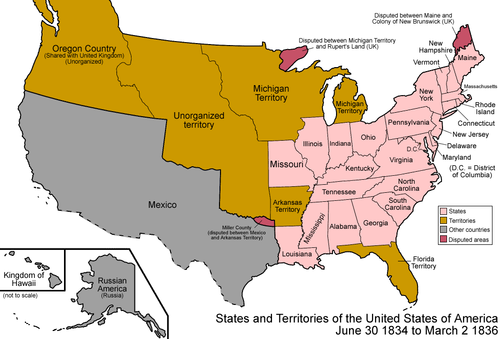
U.S. territories in 1834–1836
400,000 men, women, and children traveled 2,000 miles (3,200 km) in wagon trains during a six-month journey on the Oregon Trail.

一方で、宗教的な自由を求めてブリガム・ヤング率いるモルモン教徒たちがユタへと移住し、独自のコミュニティを築いたこともこの時代の特徴です。
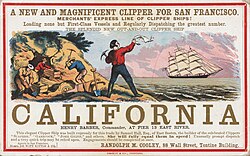
Clipper ships took five months to sail the 17,000 miles (27,000 km) from New York City to San Francisco.
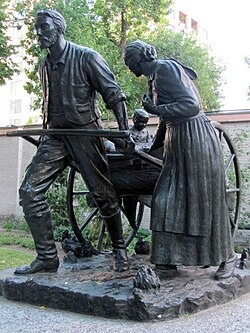
The Handcart Pioneer Monument, by Torleif S. Knaphus, located on Temple Square in Salt Lake City, Utah

フロンティアの社会と文化

開拓地では、東部の伝統的な社会構造とは異なる、より民主的で多様な社会が形成されました。そこには、ヨーロッパからの移民だけでなく、自由を求めて南から逃れてきたアフリカ系アメリカ人(エクソダスターズ)などの姿もありました。
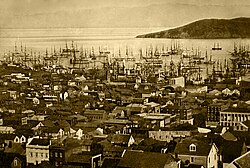
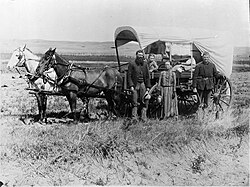
San Francisco harbor c. 1850. Between 1847 and 1870, the population of San Francisco exploded from 500 to 150,000.
Homesteaders, c. 1866

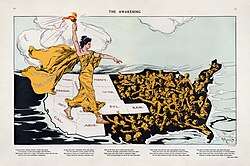
また、女性の権利意識も高まり、西部では北部や南部よりも早く女性参政権が認められる傾向にありました。
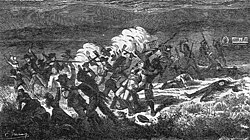
The Mountain Meadows Massacre was conducted by Mormons and Paiute natives against 120 civilians bound for California.
"The Awakening" Suffragists were successful in the West; their torch awakens the women struggling in the North and South in this cartoon by Hy Mayer in Puck February 20, 1915.

法と秩序が未整備な地域では、保安官やガンマンが治安を維持し、時には激しい抗争(レンジ・ウォー)が繰り広げられました。これが後の「西部劇」の原型となる伝説的な物語を生み出しました。
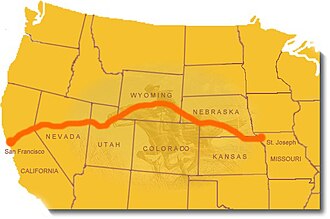
Map of Pony Express route
The "Dodge City Peace Commission" June 10, 1883. (Standing from left) William H. Harris (1845–1895), Luke Short (1854–1893), William "Bat" Masterson (1853–1921), William F. Petillon (1846–1917), (seated from left) Charlie Bassett (1847–1896), Wyatt Earp (1848–1929), Michael Francis "Frank" McLean (1854–1902), Cornelius "Neil" Brown (1844–1926). Photo by Charles A. Conkling.[274]
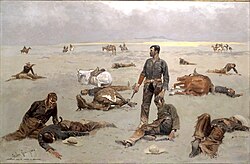
What An Unbranded Cow Has Cost by Frederic Remington, which depicts the aftermath of a range war between cowboys and supposed rustlers. 1895

カウボーイの時代と自然の変容

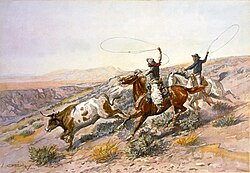
広大な平原での牛の放牧は、アメリカの象徴である「カウボーイ」という職業を生みました。彼らは牛を追い立てて鉄道の拠点まで運ぶ過酷な労働に従事していました。
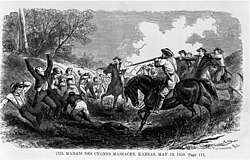
Men lined up along a tree line are shot by men on horseback.
A classic image of the American cowboy, as portrayed by C. M. Russell

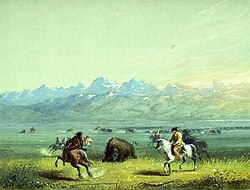
しかし、この経済発展の裏で、先住民の生活基盤であったバイソン(バッファロー)が乱獲され、生態系が激変しました。これは先住民に対する戦略的な打撃となり、彼らの伝統的な生活様式を破壊することに繋がりました。
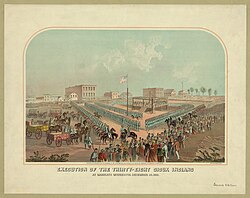
Mass hanging of Sioux warriors convicted of murder and rape in Mankato, Minnesota, 1862
Wounded buffalo, by Alfred Jacob Miller

フロンティアの終焉と遺産

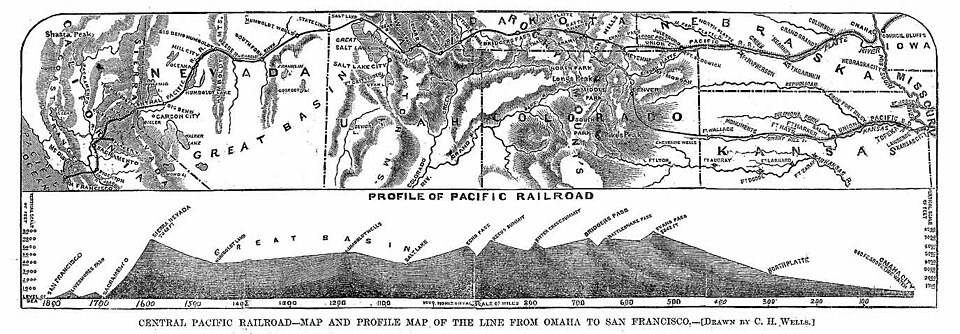
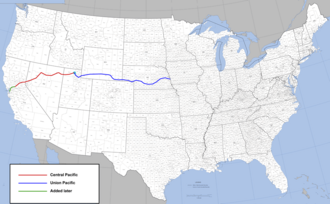
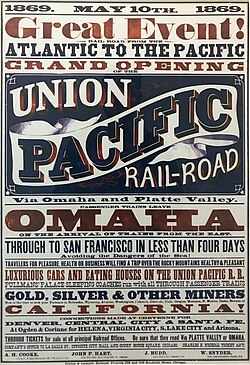
1860年代から始まった大陸横断鉄道の建設は、西部の風景を一変させました。かつて数ヶ月かかった旅が数日に短縮され、物資の輸送が効率化したことで、物理的な「辺境」は消滅しました。
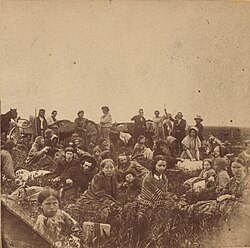
Settlers escaping the Dakota War of 1862
Profile of the Pacific Railroad from San Francisco (left) to Omaha. Harper's Weekly December 7, 1867
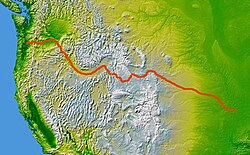
Route of the first transcontinental railroad across the western United States (built, 1863–1869)
Poster for the Union Pacific Railroad's opening-day, 1869

1890年の国勢調査では、もはや明確な「フロンティア・ライン」は存在しないと結論づけられました。これにより、物理的な開拓時代は幕を閉じましたが、その精神はアメリカ文化の中に深く刻まれました。
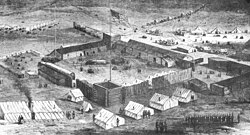
Camp Supply Stockade, February 1869
Map from 1910 U.S. census showing the remaining extent of the American frontier

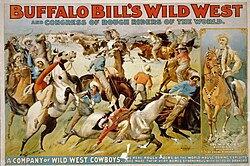
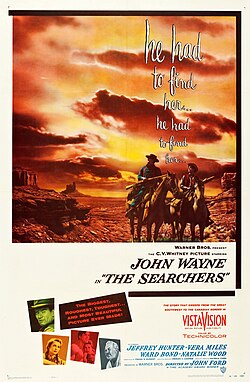
現代において、カウボーイやガンマンのイメージは、バッファロー・ビルなどのショーや映画を通じて、ロマンチックな神話として再構築されています。
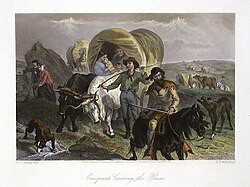
Emigrants Crossing the Plains, 1872, shows settlers crossing the Great Plains. By F. O. C. Darley and engraved by H. B. Hall.
Poster for Buffalo Bill's Wild West Show
The Searchers, a 1956 film portraying racial conflict in the 1860s

開拓時代の概要まとめ

アメリカン・フロンティアの展開
時代・要素 主な特徴・出来事 影響
初期開拓期 ルイジアナ買収、毛皮貿易 領土の基礎的な拡大
拡大加速期 ゴールドラッシュ、オレゴン・トレイル 人口の爆発的な西移住
紛争と定住期 インディアン戦争、テキサス独立 先住民の強制移住と領土確定
統合・終焉期 大陸横断鉄道の完成(1869年) フロンティアの消滅と近代化

Frequently Asked Questions

マニフェスト・デスティニーとは何ですか?

19世紀のアメリカで信じられていた、「北米大陸全体に民主主義と自由を広めることは、神から与えられた明白な使命である」という思想のことです。これが西進運動の強力な精神的根拠となりました。
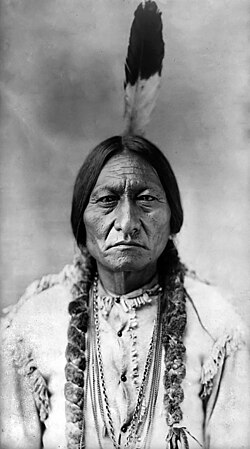
Sioux Chief Sitting Bull

なぜカウボーイという職業が生まれたのですか?

テキサスなどの広大な平原で育てられた大量の牛を、需要の高い東部の鉄道拠点まで移動させる必要があったためです。牛を追い立てて長距離を移動させる熟練の労働者がカウボーイとして知られるようになりました。
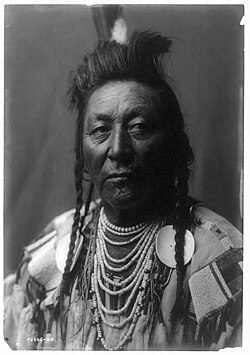
Crow Chief Plenty Coups

大陸横断鉄道はどのような役割を果たしましたか?

東海岸と西海岸を物理的に結んだことで、移動時間と輸送コストを劇的に削減しました。これにより、西部の資源が東部へ、東部の人口が西部へと効率的に流れ、国家としての統合が進みました。
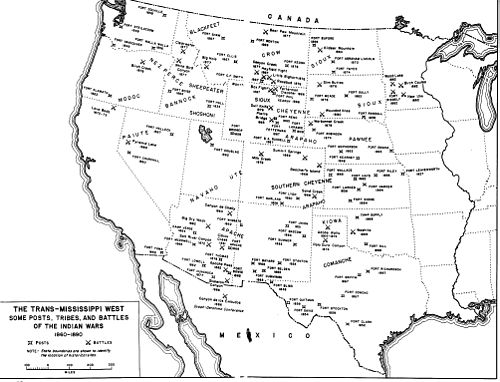
Indian battles in the Trans Mississippi West (1860–1890)

先住民(ネイティブ・アメリカン)はどのように影響を受けましたか?

入植者の拡大に伴い、先祖代々の土地を奪われ、保留地(リザベーション)への強制移住を強いられました。また、生活の糧であったバイソンの乱獲や、激しい軍事衝突により、甚大な被害を受けました。
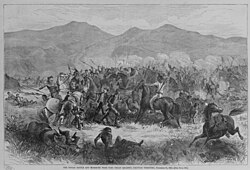
The battle near Fort Phil Kearny, Dakota Territory, December 21, 1866

フロンティアが「消滅した」とはどういう意味ですか?

1890年の国勢調査において、もはや人口密度の低い「未開拓の境界線」が大陸のどこにも存在しなくなったことを指します。これにより、物理的な拡大時代が終わり、内部的な発展の時代へと移行しました。
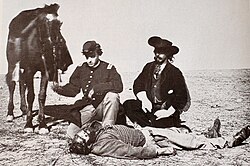
Scalped corpse of buffalo hunter found after an 1868 encounter with Cheyennes near Fort Dodge, Kansas
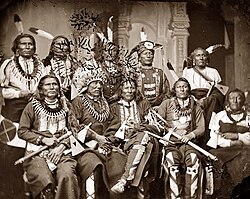
Native American chiefs, 1865
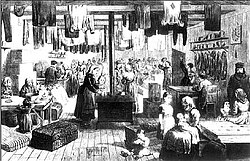
Temporary quarters for Volga Germans in central Kansas, 1875
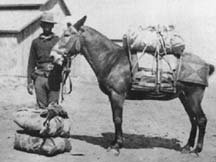
A Buffalo Soldier. The nickname was given to the black soldiers by the native tribes they controlled.
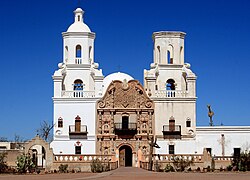
The Spanish mission of San Xavier del Bac, near Tucson, founded in 1700
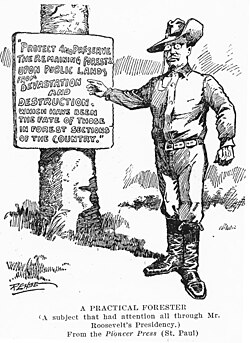
1908 editorial cartoon of President Theodore Roosevelt features his cowboy persona and his crusading for conservation.

References

📸 フォトギャラリー

U.S. census map showing the extent of settlement and frontier line in 1900
Daniel Boone escorting settlers through the Cumberland Gap
Siege of Fort Detroit during Pontiac's War in 1763
Map of the Wilderness Road by 1785
Native leader Tecumseh killed in battle in 1813 by Richard M. Johnson, who later became vice president
Thomas Jefferson saw himself as a man of the frontier and a scientist; he was keenly interested in expanding and exploring the West.
Fur trading at Fort Nez Percés in 1841
Plate from Audubon's Birds of America
The first Fort Laramie as it looked before 1840. Painting from memory by Alfred Jacob Miller
Illustration from The Circuit Rider: A Tale of the Heroic Age by Edward Eggleston. The well-organized Methodists sent the circuit rider to create and serve a series of churches in a geographical area.
Map of the Santa Fe Trail
U.S. territories in 1834–1836
Sam Houston accepting the surrender of Mexican general Santa Anna, 1836
General Kearny's annexation of New Mexico, August 15, 1846
Clipper ships took five months to sail the 17,000 miles (27,000 km) from New York City to San Francisco.
San Francisco harbor c. 1850. Between 1847 and 1870, the population of San Francisco exploded from 500 to 150,000.
400,000 men, women, and children traveled 2,000 miles (3,200 km) in wagon trains during a six-month journey on the Oregon Trail.
The Mountain Meadows Massacre was conducted by Mormons and Paiute natives against 120 civilians bound for California.
The Handcart Pioneer Monument, by Torleif S. Knaphus, located on Temple Square in Salt Lake City, Utah
Map of Pony Express route
Men lined up along a tree line are shot by men on horseback.
Mass hanging of Sioux warriors convicted of murder and rape in Mankato, Minnesota, 1862
Settlers escaping the Dakota War of 1862
Camp Supply Stockade, February 1869
Homesteaders, c. 1866
Profile of the Pacific Railroad from San Francisco (left) to Omaha. Harper's Weekly December 7, 1867
Route of the first transcontinental railroad across the western United States (built, 1863–1869)
Poster for the Union Pacific Railroad's opening-day, 1869
Emigrants Crossing the Plains, 1872, shows settlers crossing the Great Plains. By F. O. C. Darley and engraved by H. B. Hall.
Sioux Chief Sitting Bull
Crow Chief Plenty Coups
Indian battles in the Trans Mississippi West (1860–1890)
The battle near Fort Phil Kearny, Dakota Territory, December 21, 1866
Scalped corpse of buffalo hunter found after an 1868 encounter with Cheyennes near Fort Dodge, Kansas
Native American chiefs, 1865
"The Awakening" Suffragists were successful in the West; their torch awakens the women struggling in the North and South in this cartoon by Hy Mayer in Puck February 20, 1915.
Temporary quarters for Volga Germans in central Kansas, 1875
A Buffalo Soldier. The nickname was given to the black soldiers by the native tribes they controlled.
The Spanish mission of San Xavier del Bac, near Tucson, founded in 1700
The "Dodge City Peace Commission" June 10, 1883. (Standing from left) William H. Harris (1845–1895), Luke Short (1854–1893), William "Bat" Masterson (1853–1921), William F. Petillon (1846–1917), (seated from left) Charlie Bassett (1847–1896), Wyatt Earp (1848–1929), Michael Francis "Frank" McLean (1854–1902), Cornelius "Neil" Brown (1844–1926). Photo by Charles A. Conkling.[274]
What An Unbranded Cow Has Cost by Frederic Remington, which depicts the aftermath of a range war between cowboys and supposed rustlers. 1895
A classic image of the American cowboy, as portrayed by C. M. Russell
1908 editorial cartoon of President Theodore Roosevelt features his cowboy persona and his crusading for conservation.
Wounded buffalo, by Alfred Jacob Miller
Map from 1910 U.S. census showing the remaining extent of the American frontier
Poster for Buffalo Bill's Wild West Show
The Searchers, a 1956 film portraying racial conflict in the 1860s