19世紀半ば、アメリカ合衆国は建国以来最大の危機に直面しました。1861年から1865年にかけて繰り広げられた南北戦争は、単なる地域間の衝突ではなく、奴隷制の是非や国家のあり方を巡る思想的な激突でした。この戦争は、北部の連邦政府(Union)と、そこから離脱して独立を宣言した南部の連合国(Confederacy)の間で戦われ、最終的に合衆国の統一と奴隷制の完全な廃止という歴史的な転換点をもたらしました。
当時の北部は工業化が進み、自由労働を重視する社会へと移行していましたが、南部は広大なプランテーション農業に依存し、黒人奴隷制度を経済の基盤としていました。この根本的な社会構造の乖離が、政治的な対立を深めていったのです。
Key Facts
- 期間:1861年4月12日 〜 1865年5月26日
- 対立構造:北部(合衆国) vs 南部(アメリカ連合国)
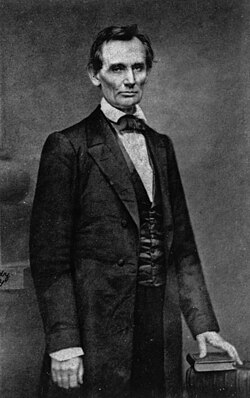
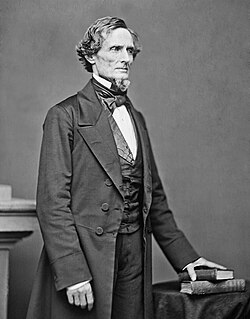
- 主要指導者:北部:エイブラハム・リンカーン、南部:ジェファーソン・デイヴィス
- 結果:北部の勝利による合衆国の再統一と奴隷制の廃止
- 人的被害:死者数は合計で60万人から100万人以上に達すると推定される甚大な犠牲
戦争の勃発と国家の分断
対立が決定定的となったのは、1860年の大統領選挙でエイブラハム・リンカーンが当選したことでした。奴隷制の拡大に反対するリンカーンの姿勢に危機感を抱いた南部諸州は、次々と連邦からの脱退(セセッション)を宣言し、独自の政府を樹立しました。
南部連合の指導者となったジェファーソン・デイヴィスは、州の権利と奴隷制の維持を掲げて独立を正当化しましたが、北部はこれを違法な反乱と見なしました。
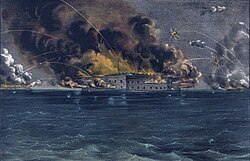
1861年4月、サウスカロライナ州のサムター要塞への攻撃によって、ついに武力衝突が始まりました。これにより、アメリカは物理的に二つの陣営に分断されることとなります。
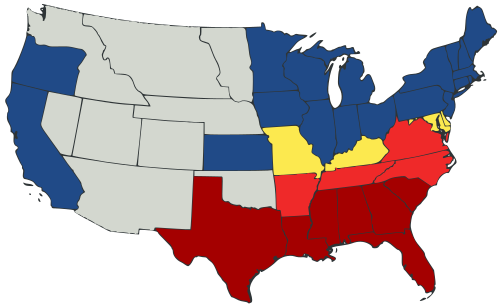
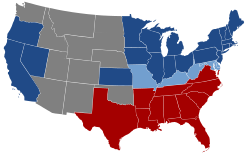
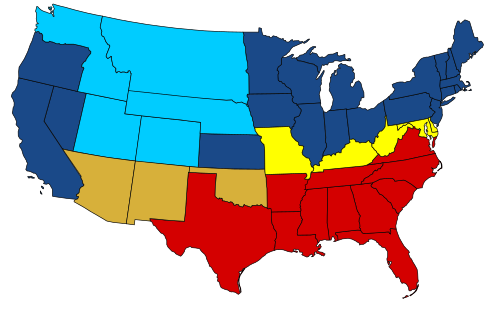
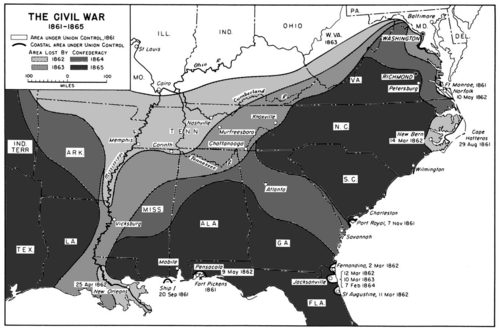
当時の地図を見ると、南部諸州が離脱した一方で、奴隷制を認めつつも連邦に留まった「境界州」の存在が、戦略的に極めて重要な意味を持っていたことがわかります。
軍事戦略と戦況の推移
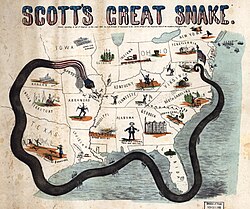
北部は圧倒的な工業力と人口を背景に、南部の港湾を封鎖して経済的に追い詰める「アナコンダ計画」を策定しました。この海上封鎖により、南部は武器や物資の調達に苦しむことになります。
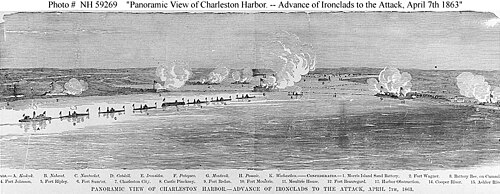
海戦では、装甲艦(アイアンクラッド)の登場という技術革新が起こり、海戦のあり方を根本から変えました。
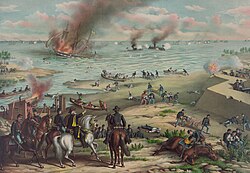
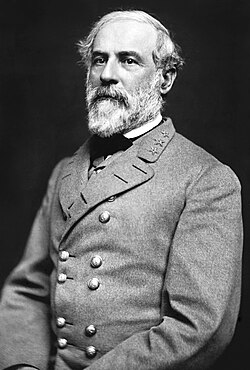
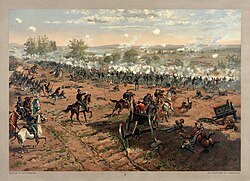
陸戦では、東部戦線でロバート・E・リー将軍率いる南部軍が優れた戦術で北軍を苦しめましたが、1863年のゲティスバーグの戦いでの北軍の勝利が、戦争の決定的な転換点となりました。この戦いは史上最も凄惨な激戦の一つとして記憶されています。
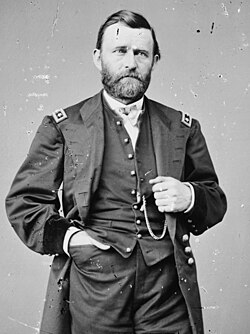
一方、西部戦線ではユリシーズ・S・グラント将軍が頭角を現し、ヴィックスバーグの戦いなどで重要な拠点を制圧しました。その後、グラントは総司令官に就任し、物量と持久戦による攻勢を強めました。
また、ウィリアム・T・シャーマン将軍による「海への行進」などの焦土作戦は、南部の戦意と経済基盤を徹底的に破壊しました。
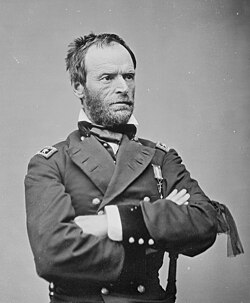
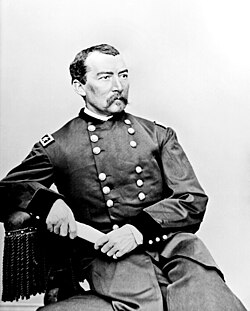
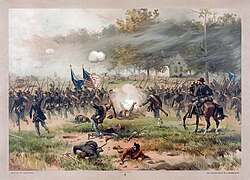
戦況の激化に伴い、戦場では凄まじい数の死傷者が出ました。アンティータムの戦いのような一日での大量死は、当時の社会に深い衝撃を与えました。
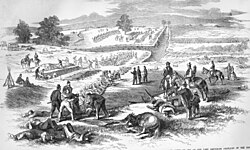
兵士たちは塹壕戦などの過酷な環境に置かれ、戦闘だけでなく、不衛生な環境による病死者が戦死者を上回るという悲劇的な状況もありました。
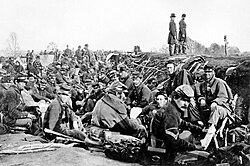
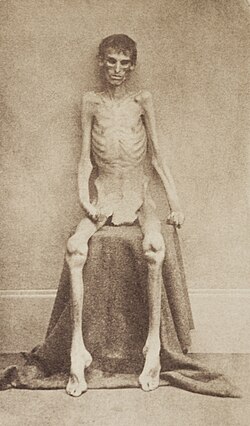
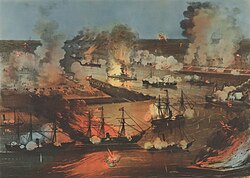
戦域は広大に及び、ミズーリ州などの西部や、ニューオーリンズなどの南部沿岸部でも激しい争奪戦が繰り広げられました。
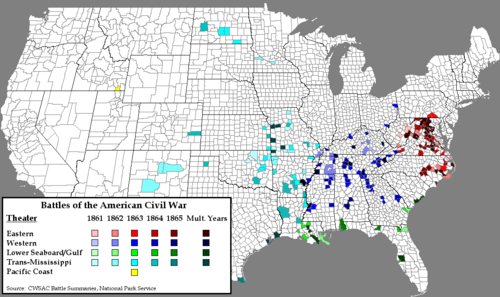
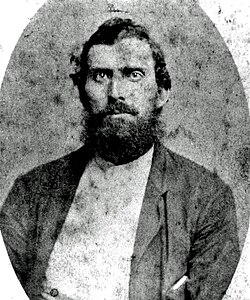
![Nathaniel Lyon secured docks and arsenal in St. Louis, leading Union Army forces to expel the Missouri Confederate forces and government.[186]](/images/1c/c9/1cc9d0a0c3244a576c784376071ac1cf06d4b196e77a7d6b55b178b41cf931fc.jpg)
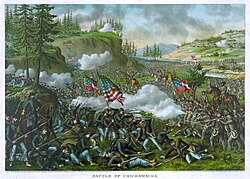
南部領土は年を追うごとに縮小し、最終的に1865年、リー将軍がグラント将軍に降伏したことで、長い戦いに終止符が打たれました。
社会への影響と奴隷解放
戦争の途中で、リンカーン大統領は「奴隷解放宣言」を発布しました。これにより、戦争の目的は単なる「連邦の維持」から「自由の追求」へと昇華され、多くの黒人が北軍の兵士として参戦することになりました。
![Abolition of slavery in the various states of the US over time: Abolition of slavery during or shortly after the American Revolution (Vermont, 1777; Massachusetts [including Maine], 1783) The Northwest Ordinance, 1787 Gradual emancipation in New York (starting 1799, ended 1827), Pennsylvania (1780–1857), New Hampshire (1783–1857), Connecticut [including the Western Reserve] (1784–1848), Rhode Island (1784–1853) and New Jersey (starting 1804; ended by Thirteenth Amendment, 1865) The Missouri Compromise, 1821 Effective abolition of slavery by Mexican or joint US/British authority Abolition of slavery by Congressional action, 1861 Abolition of slavery by Congressional action, 1862 Emancipation Proclamation as originally issued, 1 Jan 1863 Subsequent operation of the Emancipation Proclamation in 1863 Abolition of slavery by state action during the Civil War Operation of the Emancipation Proclamation in 1864 Operation of the Emancipation Proclamation in 1865 Thirteenth Amendment to the US constitution, 18 Dec 1865 Territory incorporated into the US after the passage of the Thirteenth Amendment](/images/70/76/7076c3ceba99799c9198146f1657071d87355b802e791398c552fba8069e4668.webp)
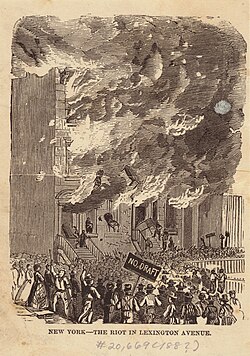
しかし、社会的な混乱は激しく、ニューヨークでは徴兵制度に反対する暴動が発生するなど、北部内部でも激しい対立がありました。
また、南部内部でも奴隷制に反対する人々が存在し、独自のコミュニティを形成して抵抗を試みた例もありました。
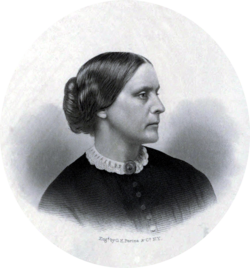
女性たちの役割も大きく変化しました。スーザン・B・アンソニーのような活動家は、奴隷制廃止と女性の権利拡大を同時に訴え、社会変革を後押ししました。
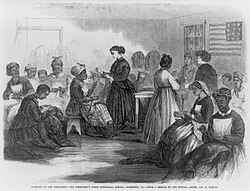
戦後、解放された人々への教育や支援を行うために「解放奴隷局(Freedmen's Bureau)」が設立され、南部の再建(リコンストラクション)が進められました。
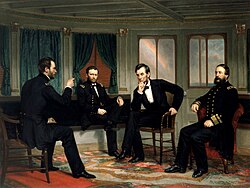
戦争末期、リンカーン、グラント、シャーマンら指導者たちは、いかにして平和的に国家を再統合させるかという困難な課題に向き合っていました。
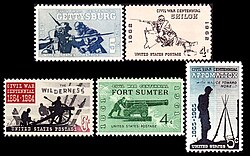
この戦争の記憶は、後の切手発行などの記念行事や、多くの文学・映画作品を通じて、アメリカ人のアイデンティティの一部として語り継がれています。
南北戦争の比較まとめ
| 比較項目 | 北部(連邦) | 南部(連合) |
|---|---|---|
| 人口 | 約2,210万人 (71%) | 約910万人 (29%) |
| 製造業比率 | 90% | 10% |
| 武器生産量 | 97% | 3% |
| 鉄道網(マイル) | 21,800 | 8,800 |
| 主要輸出物 | 工業製品 | 綿花(圧倒的シェア) |
Frequently Asked Questions
南北戦争が始まった直接的な原因は何ですか?
最大の要因は奴隷制度を巡る対立です。特に、新しく州に加わる地域で奴隷制を認めるかどうかの議論が激化し、1860年に奴隷制拡大に反対するリンカーンが大統領に当選したことで、南部諸州が連邦からの脱退を決意したことが直接的な引き金となりました。
ゲティスバーグの戦いがなぜ重要視されるのですか?
この戦いは戦争の「転換点」とされています。南部軍の北進を食い止めたことで、南部の戦略的優位が失われ、以降は北軍が主導権を握って勝利へと突き進む流れが確定したためです。
「解放宣言」はすぐにすべての奴隷を自由にしたのですか?
いいえ。1863年の宣言は主に反乱地域(南部)の奴隷を対象としたものでした。法的に完全に奴隷制が廃止されたのは、戦後の1865年に憲法修正第13条が批准されてからのことです。
戦争による犠牲者はどのくらいだったのでしょうか?
正確な数字は諸説ありますが、戦死、病死、事故死を合わせて合計60万人から100万人以上の死者が出たと推定されています。特に不衛生なキャンプでの病死者が非常に多かったのが特徴です。
北軍が勝利した最大の要因は何だと考えられていますか?
圧倒的な工業力と人口、そして鉄道網などのインフラ整備が進んでいたことです。これにより、兵器の大量生産と効率的な兵員輸送が可能となり、長期戦において南部を物量で圧倒することができました。
References
-
- "End of the Rebellion; The Last Rebel Army Disbands". . . May 29, 1865. Archived from the original on September 15, 2018. Retrieved July 29, 2022.
- , p. 31. "Lee's surrender left Johnston with no place to go. On April 26, near Durham, N.C., the Army of Tennessee laid down its arms before Sherman's forces. With the surrender of isolated forces in the Trans-Mississippi West on May 4, 11, and 26, the most costly war in American history came to an end."
- , p. 445. "[A]nd on May 26 he [E. Kirby Smith] surrendered and the war was over."
- , p. 308. "By 26 May, General Edward Kirby Smith had surrendered the Rebel forces in the trans-Mississippi west. The war was over."
- , p. 9. "The sheer weight of scholarship has leaned toward portraying the surrenders of the Confederate armies as the end of the war."
- Among the many other contemporary sources and later historians citing May 26, 1865, as the end date for the American Civil War hostilities are , who was a prominent New York lawyer; a founder, treasurer, and member of the Executive Committee of United States Sanitary Commission throughout the war; and a diarist. A diary excerpt is published in Gienapp, William E. (ed.). The Civil War and Reconstruction: A Documentary Collection. New York: W.W. Norton & Co., 2001, pp. 313–314 . A footnote in Gienapp shows the excerpt was taken from an edited version of the diaries by Allan Nevins and Milton Halsey Thomas, eds., The Diary of George Templeton Strong, vol. 2 (New York: The Macmillan Company), pp. 600–601, which differs from the volume and page numbers of the original diaries; the page in Strong's original handwriting is shown at "Volume 4, pages 124–125: diary entries for May 23 (continued)–June 7, 1865". Archived from the original on November 16, 2022 – via New-York Historical Society Museum & Library.
- 211,411 Union soldiers were captured, and 30,218 died in prison. The ones who died have been excluded to prevent double-counting of casualties.
- 462,634 Confederate soldiers were captured and 25,976 died in prison. The ones who died have been excluded to prevent double-counting of casualties.
- The Union was the US government and included the states that remained loyal to it, both the non-slave states and the (Missouri, Kentucky, Maryland, and Delaware) where slavery was legal. Missouri and Kentucky were also claimed by the Confederacy and given full state delegations in the Confederate Congress for the duration of the war.
- Appomattox is often referred to as the end of the war, although different dates for the war's conclusion have been considered. (See, Vorenberg, Michael. Lincoln's Peace: The Struggle to End the American Civil War. New York: Alfred A. Knopf, 2025.) Lee's surrender to Grant set off a wave of Confederate surrenders. The last military department of the Confederacy, the disbanded on May 26.
- This assumes that Union and Confederate deaths are counted together; more Americans were killed in than in either the Union or Confederate Armies if their death totals are counted separately.
- Unaware of the surrender of Lee, on April 16 the last major battles of the war were fought at the , and the .
-
- , p. 336
- , p. 207
- , p. 396. In United States v. Anderson, 76 U.S. 56 (1869), "The U.S. attorneys argued that the Rebellion had been suppressed following the surrender of the Trans-Mississippi Department, as established in the surrender document negotiated on May 26, 1865."
- , p. 397. The Supreme Court decided that the "legal end of the American Civil War had been decided by Congress to be August 20, 1866—the date of Andrew Johnson's final proclamation on the conclusion of the Rebellion."
- "Union population 1864" aggregates 1860 population, average annual immigration 1855–1864, and population governed formerly by CSA per Kenneth Martis source. Contrabands and after the Emancipation Proclamation freedmen, migrating into Union control on the coasts and to the advancing armies, and natural increase are excluded.
📸 フォトギャラリー