人類の生存を支える基盤である農業は、単なる食糧生産の手段を超え、文明の形成と社会構造の発展に決定的な役割を果たしてきました。野生の植物を採取していた時代から、計画的な栽培と家畜の飼育へと移行したことで、人類は定住生活を送り、複雑な都市社会を築くことが可能となりました。現代では、テクノロジーの進化により生産性は飛躍的に向上しましたが、同時に環境への負荷という新たな課題に直面しています。
Key Facts
- 起源: 西アジアなどの複数の地域で独立して発生し、新石器革命を通じて世界へ広がった。
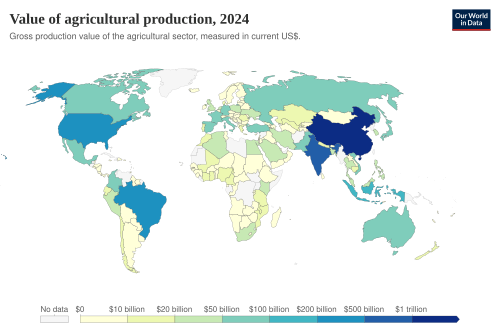
- 主要生産国: 中国、インド、米国、ブラジルなどが世界的な農業生産量を牽引している。
- 技術革新: 機械化、化学肥料の導入、そして現代のバイオテクノロジーや精密農業へと進化。
- 環境課題: 温室効果ガスの排出、水資源の枯渇、土壌汚染などが深刻な問題となっている。
- 未来の方向性: 持続可能な食糧システム、有機農業、細胞農業などの代替手法への移行が進んでいる。
農業の起源と文明の発展
農業の始まりは、約2万3000年前の中東における小規模な栽培の痕跡にまで遡ります。その後、西アジア、メソアメリカ、南米ペルー、中国などの地域で独立して農耕が始まりました。これらの「起源地」から、作物の栽培技術が世界各地へ伝播していきました。
![Centres of origin, as numbered by Nikolai Vavilov in the 1930s Area 3 is no longer recognized as a center of origin. New Guinea (area P) was identified more recently.[13][14]](/images/3c/04/3c04c6bf734f5af31809b192bfccada64b151898246d228bcc52bc3c2585b8d9.jpg)
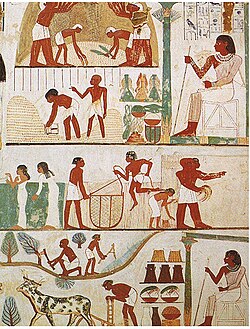
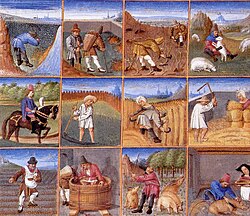
古代エジプトではナイル川の氾濫を利用した高度な灌漑農業が発達し、古代ギリシャやローマでも農業は国家の経済基盤となりました。また、アジアでは稲作を中心とした文化圏が形成され、中世ヨーロッパでは三圃制などの輪作体系が導入されることで生産性が向上しました。
![Map of the world showing approximate centers of origin of agriculture and its spread in prehistory.[33] DNA studies have shown that agriculture was introduced in Europe by the expansion of the early farmers from Anatolia about 9,000 years ago.[34]](/images/d9/ce/d9cea234c74ef8c9b3e8112a568b37fe09e29d16e1cefb4569543de55a676ab4.webp)
その後、大航海時代による「コロンブス交換」を通じて、トウモロコシやジャガイモなどの作物が大陸間を移動し、世界の食糧事情を劇的に変化させました。イギリスでの農業革命や、20世紀半ばの「緑の革命」による高収量品種の導入は、爆発的な人口増加を支える食糧供給を実現しました。
多様な栽培・飼育システム
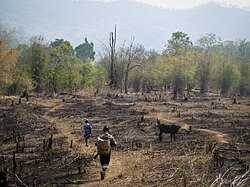
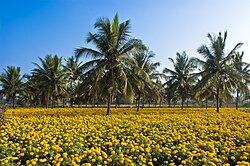
農業の手法は、地域の気候や目的によって多岐にわたります。作物の栽培においては、単一の作物を大規模に育てるモノカルチャー(単一栽培)から、複数の作物を組み合わせて育てるポリカルチャー(多作栽培)まで存在します。また、山岳地帯での段々畑や、森林を一時的に焼き払って耕作する焼畑農業など、環境に適応した形態が維持されています。
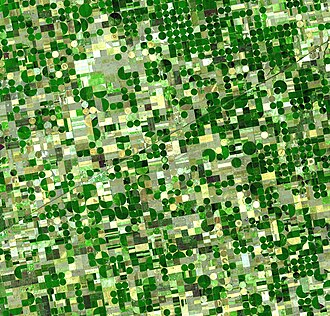
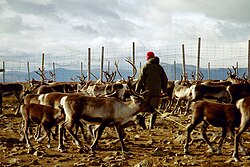
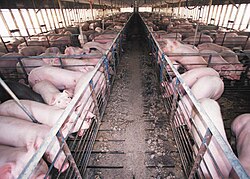
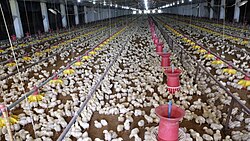
畜産業においても、広大な土地を利用する放牧(エクステンシブ)から、限られた空間で効率的に生産する集約的飼育(インテンシブ)まで、多様なアプローチが取られています。特に現代の工業的畜産では、豚や鶏の大量生産が行われていますが、これは効率性と引き換えに動物福祉や環境負荷の議論を呼んでいます。
現代農業の技術革新と経済
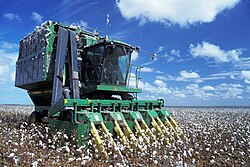
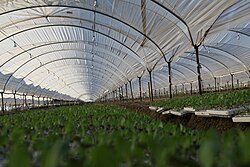
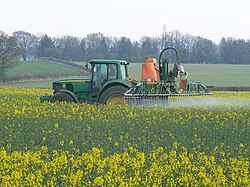
20世紀以降、農業は劇的な機械化を遂げました。トラクターやコンバインの導入により、かつて数百人がかりで行っていた作業が少人数で完結するようになりました。さらに、現代ではGPSやセンサーを活用した精密農業や、土を使わない水耕栽培(ハイドロポニックス)、空中栽培(エアロポニックス)などの先端技術が導入されています。
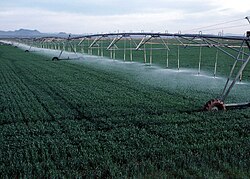
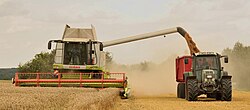
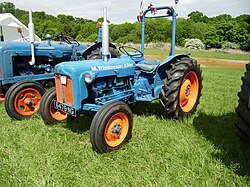
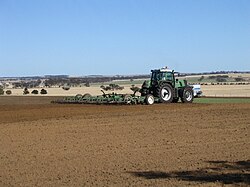
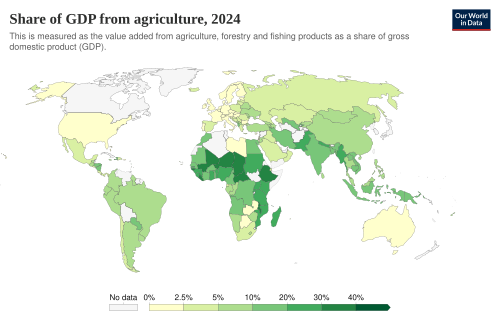
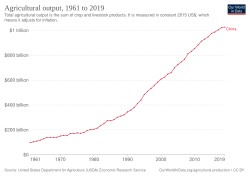
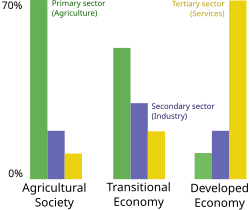
経済的な視点では、農業はGDPの重要な構成要素であり続けています。特に中国やインドなどの国々では、依然として膨大な人口が農業に従事しており、国家経済の根幹を成しています。一方で、経済発展に伴い、労働力は農業から工業やサービス業へとシフトする傾向にあります。
![Recent trends of employment in agriculture (including forestry and fishing) by region[92]](/images/39/ff/39ff036ba6099385a54e465ae6fa8784b6850d1140bf92d28bfd4d2de81fa5df.webp)
![Worldwide employment In agriculture, forestry and fishing in 2023[92]](/images/fd/a7/fda7e9b055896ae7c1f091aef071589787345b4f8999c6abca9f7b523ea82752.webp)
バイオテクノロジーと未来の食糧生産
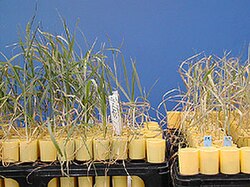
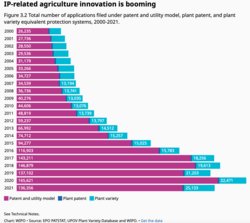
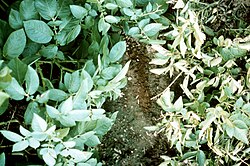
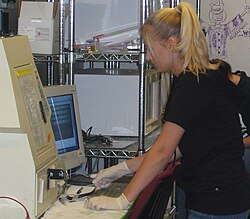
遺伝子組み換え技術やゲノム編集などのバイオテクノロジーは、病害虫に強い品種や、塩害・乾燥に耐性を持つ作物の開発を可能にしました。これにより、過酷な環境下での食糧確保が期待されています。また、動物を介さない「細胞農業」などの新しいアプローチも研究されており、環境負荷の低減が期待されています。
環境への影響と持続可能性への挑戦
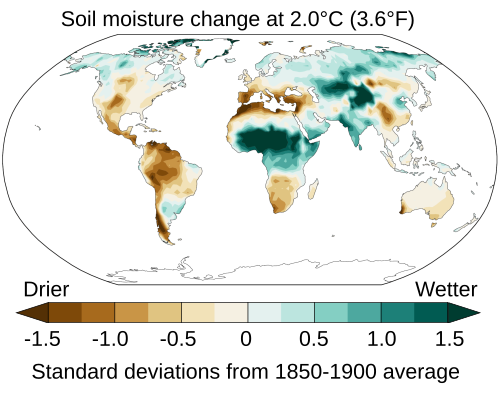
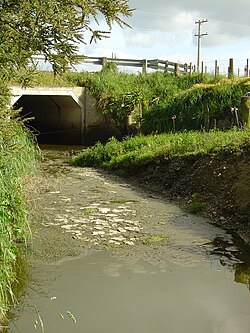
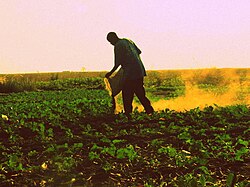
高度な生産性を実現した現代農業は、深刻な環境問題を引き起こしています。化学肥料や農薬の過剰使用による水質汚染、過剰な灌漑による地下水の枯渇、そして家畜からの温室効果ガス排出などが挙げられます。また、気候変動による土壌水分の変化や気温上昇は、将来的な収穫量に大きなリスクをもたらしています。
![Countries with the highest share of water withdrawal by agriculture in total withdrawal (2022)[92]](/images/69/93/69933bcfe56576fa078c759a3cc6d60015ca3446b937abe5f8cc63fefd23475f.webp)
![World farm-gate greenhouse gas emissions by activity[92]](/images/c2/00/c200cefc70a5530fdbaac7e8d0b6ce4023181d1362ae14d8048d42473c8673b0.webp)
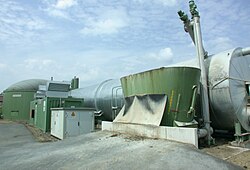
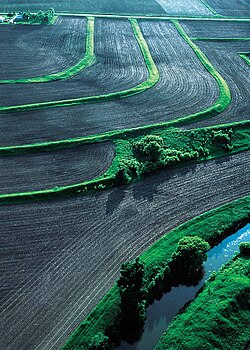
これらの課題に対し、環境負荷を最小限に抑える持続可能な農業への転換が進んでいます。有機農業の普及、不耕起栽培による土壌浸食の防止、バイオガス発電による廃棄物の資源化などがその具体例です。自然の生態系と調和しながら食糧を生産する仕組みづくりが急務となっています。
農業生産の現状まとめ
世界の主要な農業生産量と傾向を以下の表にまとめます。
| カテゴリー | 主要項目/国 | 特徴・傾向 |
|---|---|---|
| 最大生産国 | 中国、インド、米国 | 名目上の農業生産額で世界をリード |
| 主要作物 | サトウキビ、トウモロコシ、米、小麦 | カロリー供給の基盤となる穀物類が中心 |
| 主要畜産物 | 牛肉、牛乳、豚肉、鶏肉 | タンパク質源として需要が拡大 |
| 環境リスク | 水不足、土壌劣化、気候変動 | 生産基盤の不安定化が懸念される |
| 革新技術 | スマート農業、ゲノム編集 | 効率化と環境適応力の向上を追求 |
![In 19th-century Britain, the protectionist Corn Laws led to high prices and widespread protest, such as this 1846 meeting of the Anti–Corn Law League.[257]](/images/d7/09/d7094e1e022638174af60b356a5c29522c767160b19080b1c690ba7ce54af7c3.jpg)
Frequently Asked Questions
農業の「緑の革命」とは何ですか?
20世紀半ばに起こった、高収量品種の導入、化学肥料や農薬の利用、灌漑設備の整備による農業生産性の劇的な向上を指します。これにより、特にアジアなどの発展途上国で飢餓が大幅に軽減されました。
精密農業(プレシジョン・アグリカルチャー)とは何ですか?
IT技術やGPS、センサーなどを活用し、圃場の場所ごとの状態に合わせて肥料や水の量を最適に管理する手法です。資源の無駄を減らし、環境負荷を抑えつつ収穫量を最大化することを目指しています。
有機農業と持続可能な農業の違いは何ですか?
有機農業は主に化学肥料や合成農薬を使用しない栽培手法を指します。一方、持続可能な農業はより広い概念であり、環境保全だけでなく、経済的な自立や社会的な公正さを含め、将来にわたって食糧生産を維持できるシステム全体を指します。
バイオテクノロジーは農業にどのようなメリットをもたらしますか?
害虫に強い作物の開発による農薬使用量の削減や、乾燥・塩害に強い品種の開発による耕作可能地の拡大などが挙げられます。また、栄養価を高めた作物の開発も進められています。
農業が気候変動に与える影響はどのようなものですか?
家畜(特に反芻動物)からのメタンガス排出や、化学肥料の製造・使用に伴う亜酸化窒素の放出、森林伐採による農地転換に伴う二酸化炭素の増加などが、地球温暖化を促進させる要因となっています。
📸 フォトギャラリー