紀元前4000年から3001年までの1000年間、人類は歴史上最も劇的な変化の一つを経験しました。この時代は、単なる石器時代の延長ではなく、青銅器時代の幕開けと、人類が記憶を永続的に記録するための文字の発明という、二つの巨大な転換点を迎えた時期です。これにより、口伝の時代から「記録された歴史」の時代へと足を踏み入れました。
社会構造においても大きな変革が起こり、メソポタミアのシュメールやエジプトの初期王朝のような、強力な都市国家や王国が台頭しました。また、ユーラシア全域で農業が普及し、定住生活が一般化したことで、社会の複雑性が増していきました。
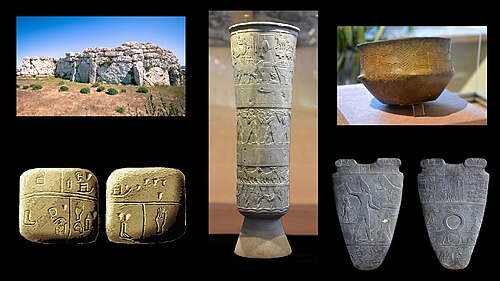
Key Facts
- 文明の誕生:シュメール(メソポタミア)とエジプトで初期の国家体制が確立。
- 技術革新:文字(楔形文字やヒエログリフ)の発明、青銅の利用、車輪の導入。
- 人口動態:世界人口は約5,000万人で安定し、年平均成長率は0.027%と緩やかだった。
- 環境変動:サハラ砂漠の乾燥化が進み、居住可能な地域から不毛の地へと変化。
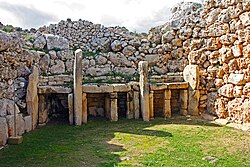
- 建築の進化:マルタの巨石神殿やエジプトのマスタバなど、大規模な構造物が建設された。
文明の興隆と技術的ブレイクスルー
メソポタミアとシュメールの躍進
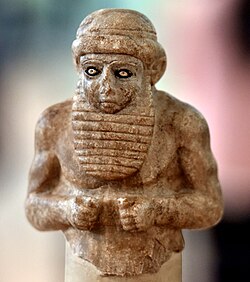
メソポタミアでは、ウルク期を中心にシュメール人の覇権が確立されました。彼らは60進法に基づく数学や天文学、民法、高度な水利システムを開発し、帆船や陶芸用の回転台(ろくろ)を導入しました。特に、絵文字から発展した楔形文字の登場は、行政管理や法整備を可能にし、文明の基盤となりました。
古代エジプトの形成
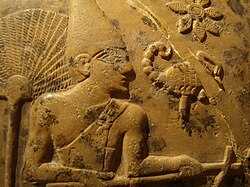
ナイル川流域ではナカダ文化が発展し、紀元前3500年頃には初期のヒエログリフが現れ始めました。ナルメルなどの前王朝時代の王たちが上下エジプトを統合し、後のピラミッドの原型となるマスタバ(長方形の墳墓)が建設されました。また、音楽文化も豊かで、ハープやフルート、リラなどが演奏されていました。
ユーラシアと世界各地の文化圏
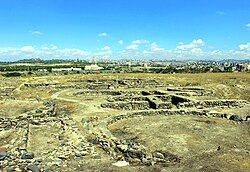
ヨーロッパでは、北欧の漏斗ビーカー文化や、東欧のククテニ・トリピリヤ文化が繁栄しました。特に後者は、人口1万5千人を抱える大規模な集落を形成していました。また、ポンティコ・カスピ海草原のヤムナ文化は、印欧祖語を話す人々の中核と考えられており、馬の家畜化が進んだことで、後の大規模な人口移動の起点となりました。
![Bronze Age spread of Yamnaya steppe pastoralist ancestry into two subcontinents—Europe and South Asia—from c. 3300 to 1500 BC.[5]](/images/96/d0/96d089e7f8a28fc9885ab36098c4b3a1a89de7a3629f74904875734de9298529.jpg)
アジアでは、中国のヤンシャオ文化やロンシャン文化が絹の生産や土器製作を行い、インダス文明の先駆けとなるメーリガル文化などで金属鋳造が始まりました。アメリカ大陸でも、コロンビアでの土器製作やメキシコでのトウモロコシ栽培の証拠が見られ、ペルーではノルテ・チコ文明が始動していました。
巨石建築と精神世界
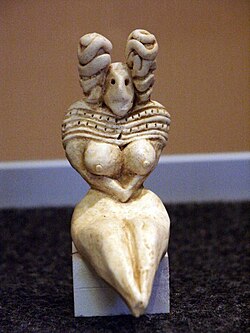
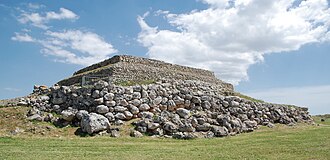
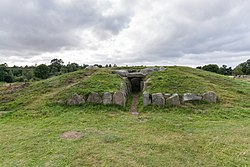
この時代、人類は巨大な石を用いた建築物(メガリス)を世界各地に築きました。マルタ島のジャンティヤ神殿は、世界最古の自立した地上構造物の一つであり、当時の宗教的熱意を物語っています。また、アイルランドのニューグレンジのような天文観測機能を持つ墳墓も建設されました。
環境の変化と人類への影響
地球環境は激しく変動していました。約5,200年前には太陽エネルギー出力の低下による世界的な気候変動があったとされ、北米では最後のマンモスが絶滅しました。特に顕著だったのがサハラ地域の乾燥化です。かつての緑豊かなサハラが砂漠へと変わったことで、人々はナイル川流域や東アフリカへと移動し、それが結果として新たな文化圏の形成や言語の拡散を促しました。
紀元前4千年紀の概要まとめ
| カテゴリー | 主な内容・成果 | 代表的な地域・文化 |
|---|---|---|
| 技術・発明 | 文字、青銅、車輪、帆船、60進法 | シュメール、インダス、中国 |
| 政治体制 | 都市国家の形成、初期王朝の確立 | メソポタミア、エジプト |
| 建築 | 巨石神殿、マスタバ、通路墓 | マルタ、アイルランド、エジプト |
| 環境 | サハラ砂漠の乾燥化、気候変動 | 北アフリカ、北米(マンモス絶滅) |
| 人口 | 約5,000万人(安定期) | 全世界 |
Frequently Asked Questions
この時代に「文字」が発明されたことの意義は何ですか?
文字の発明により、情報の正確な記録と伝達が可能になりました。これにより、複雑な行政管理、法律の制定、そして世代を超えた知識の蓄積が実現し、人類は「先史時代」を脱して「歴史時代」へと移行しました。
青銅器時代とはどのような時代ですか?
銅に錫(すず)などを混ぜ合わせて作る「青銅」という合金が利用され始めた時代です。石器よりも耐久性と鋭利さを持つ青銅の道具や武器が登場したことで、生産力と軍事力が飛躍的に向上しました。
サハラ砂漠の乾燥化は人類にどのような影響を与えましたか?
かつて居住可能だったサハラ地域が不毛の地となったため、そこに住んでいた人々はナイル川流域などの水辺へ移動せざるを得ませんでした。この人口移動が、エジプト文明の発展や、アフリカ各地への言語・文化の拡散を後押ししたと考えられています。
世界人口はどのように推移していましたか?
新石器革命による爆発的な増加を経て、この時代には約5,000万人程度でほぼ安定していました。年間の成長率は0.027%と非常に緩やかであり、環境のキャパシティに合わせた安定した人口推移を見せていました。
この時代の代表的な建築物には何がありますか?
マルタ島のジャンティヤ神殿のような巨石建築や、エジプトのピラミッドの前身であるマスタバ、アイルランドのニューグレンジなどの通路墓が挙げられます。これらは当時の高度な組織力と精神世界を象徴しています。
References
- Jean-Noël Biraben (1979). "Essai sur l'évolution du nombre des hommes". Population. 34 (1): 13–25. :10.2307/1531855. 1531855. 143406315., estimates 40 million at 5000 BC and 100 million at 1600 BC, for an average growth rate of 0.027% p.a. over the Chalcolithic to Middle Bronze Age.
- Federico Lara Peinado, Universidad Complutense de Madrid: "La Civilización Sumeria". Historia 16, 1999.
- Roberts, J: History of the World. Penguin, 1994.
- Dictionary of the Ancient Near East. University of Pennsylvania Press. 2000. .
- "Steppe migrant thugs pacified by Stone Age farming women". . Faculty of Science – University of Copenhagen. 4 April 2017.
- Gasser, Aleksander (March 2003). "World's Oldest Wheel Found in Slovenia". Government Communication Office of the Republic of Slovenia. Archived from the original on 2016-08-26. Retrieved 2015-03-30.
- Australia's top 7 Aboriginal rock art sites, Australian Geographic
- Manning, Katie; Timpson, Adrian (2014). "The demographic response to Holocene climate change in the Sahara" (PDF). Quaternary Science Reviews. 101: 28–35. :2014QSRv..101...28M. :10.1016/j.quascirev.2014.07.003. Archived (PDF) from the original on 2022-10-09.
- Igor Kopytoff, The African Frontier: The Reproduction of Traditional African Societies (1989), 9–10 (cited after Igbo Language Roots and (Pre)-History Archived 2019-07-17 at the , A Mighty Tree, 2011).
- "Major Climate Change Occurred 5,200 Years Ago: Evidence Suggests That History Could Repeat Itself". Archived from the original on 2008-01-15. Retrieved 2004-12-17.
📸 フォトギャラリー