The League of Nations assembly, held in Geneva, Switzerland (1930)
← ホームへ戻る
第二次世界大戦枢軸国連合国ホロコースト太平洋戦争

第二次世界大戦人類史上最大の紛争とその全貌

🗓 2026年8月11日

第二次世界大戦は、1939年から1945年にかけて地球規模で展開された、人類史上最も破壊的な軍事衝突です。この戦争は単なる国家間の領土争いにとどまらず、政治思想の対立や人種差別、そして総力戦という形態をとったことで、軍人のみならず数千万人の民間人を巻き込む悲劇となりました。

戦争の構図は、主にドイツ、日本、イタリアを中心とする枢軸国と、イギリス、アメリカ、ソ連、中国を中心とする連合国という二つの陣営に分かれて戦われました。結果として連合国が勝利を収めましたが、その代償として世界は未曾有の喪失を経験することになります。

Key Facts

  • 期間:1939年9月1日から1945年9月2日まで(6年と1日)。
  • 犠牲者数:軍民合わせて推定6,000万〜7,500万人。
  • 主要陣営:枢軸国(日独伊など)対 連合国(米英ソ中など)。
  • 結果:連合国の完全勝利と、枢軸国の無条件降伏。
  • 特筆事項:ホロコーストなどのジェノサイド(集団殺害)や、人類初の核兵器使用。

戦端の火種と開戦への道

第一次世界大戦後の不安定な国際情勢が、第二次世界大戦の土壌となりました。特にドイツでは、ヴェルサイユ条約による厳しい制裁への不満を背景に、アドルフ・ヒトラー率いるナチスが台頭しました。

国際連盟(League of Nations)は紛争解決を目指しましたが、実効力に欠け、独裁国家の暴走を止めることはできませんでした。
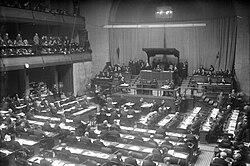
The League of Nations assembly, held in Geneva, Switzerland (1930)

1930年代に入ると、世界各地で侵略行為が激化します。イタリアによるエチオピア侵攻や、日本の中国侵攻(日中戦争)などがその例です。また、ドイツは再軍備を強行し、周辺国への圧力を強めました。
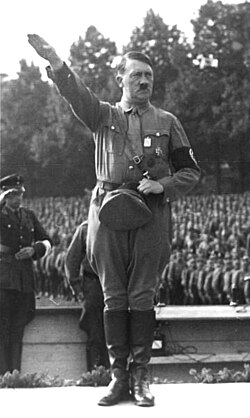
Adolf Hitler at a German Nazi political rally in Nuremberg, August 1933
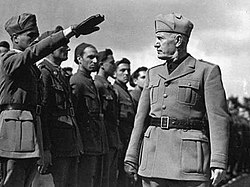
Benito Mussolini inspecting troops during the Italo-Ethiopian War, 1935
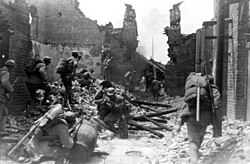
Chinese soldiers battle the Imperial Japanese Army in Taierzhuang, 1938

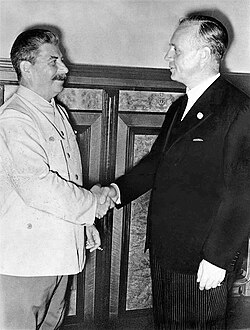
外交的な妥協策として「ミュンヘン協定」などが結ばれましたが、これは結果的にヒトラーの野心を助長させることとなりました。その後、ドイツはソ連と不可侵条約を結び、背後の安全を確保した上で、1939年9月1日にポーランドへ侵攻。これにより、欧州での大戦が正式に始まりました。
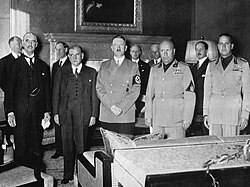
From left to right: Chamberlain, Daladier, Hitler, Mussolini, and Ciano pictured just before signing the Munich Agreement, 29 September 1938
German Foreign Minister Joachim von Ribbentrop (right) and the Soviet leader Joseph Stalin after signing the Molotov–Ribbentrop Pact, 23 August 1939
A German propaganda photograph reenacting the removal of the Polish border crossing in Sopot[68]

戦局の展開:欧州と太平洋の激突

欧州戦線とソ連の参戦

開戦当初、ドイツは「電撃戦」と呼ばれる高速機動戦術を用いて、デンマーク、ノルウェー、そしてフランスを次々と制圧しました。イギリスは本土防衛に追い込まれますが、粘り強く抵抗を続けました。
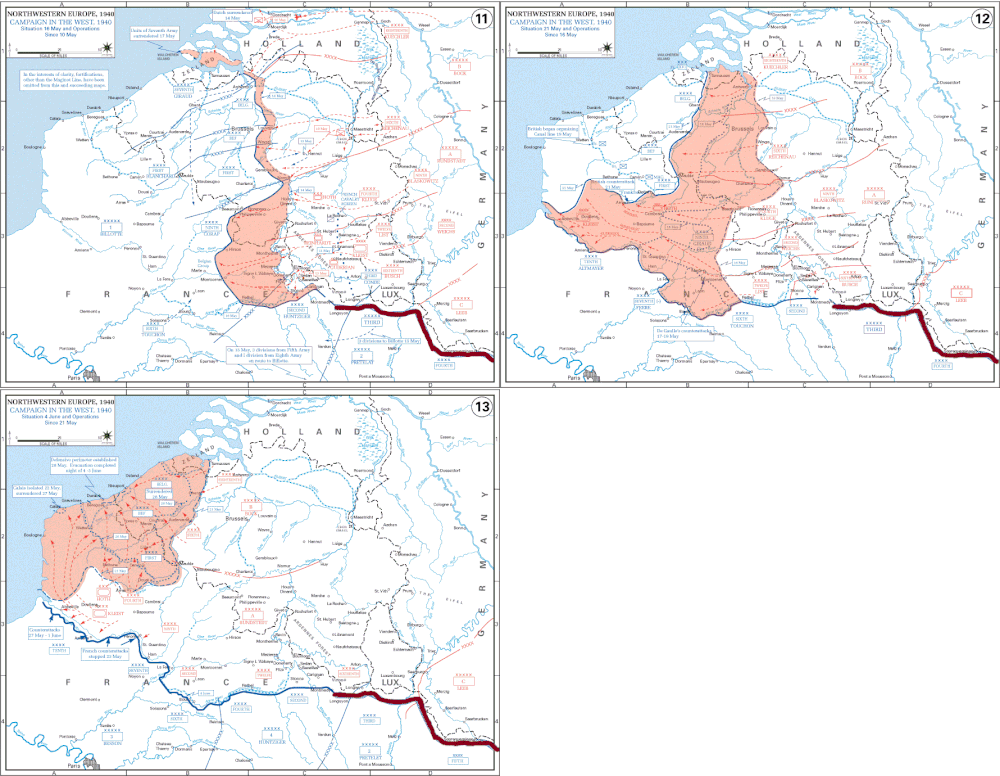
German advance into Belgium and Northern France, 10 May – 4 June 1940, sweeping past the Maginot Line (shown in dark red)
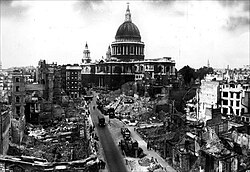
London's St Paul's Cathedral after the German Blitz on 29 December 1940

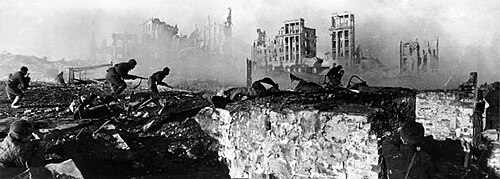
しかし、1941年にドイツがソ連へ侵攻(バルバロッサ作戦)したことで、戦況は一変します。広大な領土と厳しい冬、そしてソ連軍の猛烈な反撃により、ドイツ軍はスターリングラードなどの激戦地で決定的な打撃を受けました。
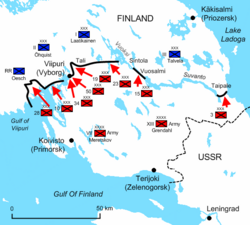
Mannerheim Line and Karelian Isthmus on the last day of the Winter War, 13 March 1940
Red Army soldiers on the counterattack during the Battle of Stalingrad, February 1943
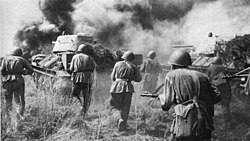
Red Army troops behind T34/76 (1942 variant) in a counter-offensive on German positions at the Battle of Kursk, July 1943

太平洋戦争の勃発

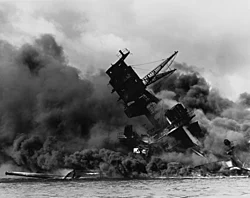
アジア・太平洋地域では、日本が東南アジアへの進出を強めていました。1941年12月7日、日本軍によるアメリカ・真珠湾への奇襲攻撃により、アメリカが参戦。これにより、戦争は真の意味で地球規模の衝突へと発展しました。
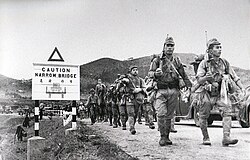
Japanese soldiers entering Hong Kong, 8 December 1941
The USS Arizona was a total loss in the Japanese surprise air attack on the United States Pacific Fleet at Pearl Harbor, Sunday 7 December 1941

日本軍は当初、東南アジアや太平洋の島々を急速に占領しましたが、1942年のミッドウェー海戦での敗北を機に、制海権・制空権を徐々に失っていきました。
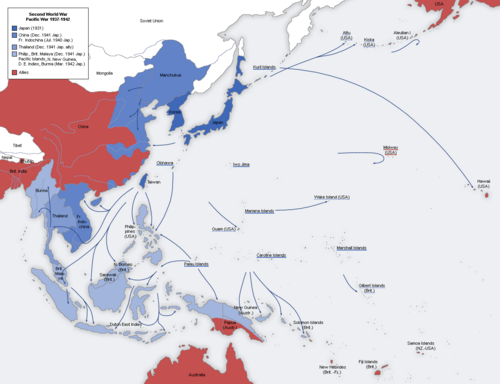
Map of Japanese military advances through mid-1942
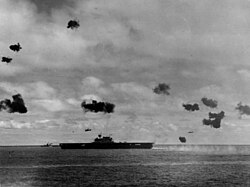
Japanese torpedo bombers fly past the USS Yorktown during the Battle of Midway, 4 June 1942

反撃の開始と枢軸国の崩壊

1943年以降、連合国の反撃が本格化します。北アフリカ戦線ではドイツ・イタリア軍が敗退し、その後、連合軍はイタリア半島への上陸を果たしました。
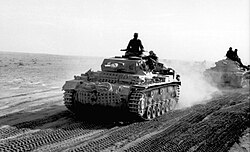
German Panzer III of the Afrika Korps advancing across the North African desert, April 1941

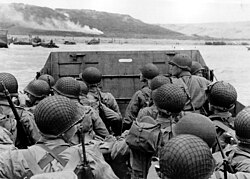
1944年6月6日、史上最大の上陸作戦である「ノルマンディー上陸作戦」が敢行され、西欧の解放が始まりました。同時に東側からはソ連軍が猛烈な勢いでベルリンへと迫りました。
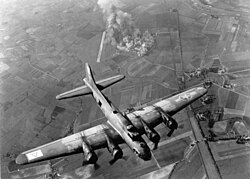
American Eighth Air Force Boeing B-17 Flying Fortress bombing raid on the Focke-Wulf factory in Germany, 9 October 1943
American troops approaching Omaha Beach during the invasion of Normandy on D-Day, 6 June 1944

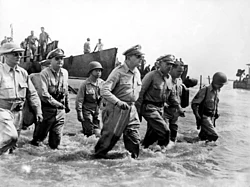
太平洋においても、アメリカ軍が「アイランド・ホッピング(島跳び作戦)」を展開し、フィリピン奪還などを経て日本本土へと接近しました。
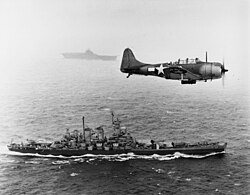
US Navy SBD-5 scout/dive bomber flying patrol over USS Washington and USS Lexington during the Gilbert and Marshall Islands campaign, 1943
General Douglas MacArthur returns to the Philippines during the Battle of Leyte, 20 October 1944

1945年、ドイツはベルリン陥落とともに無条件降伏。そして日本においても、広島と長崎への原子爆弾投下、およびソ連の参戦を経て、8月15日に終戦を迎えました。
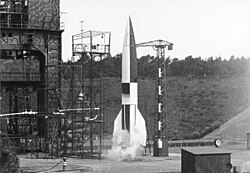
A V-2 rocket launched from a fixed site in Peenemünde, 21 June 1943
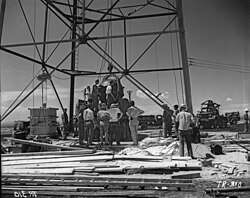
Nuclear Gadget being raised to the top of the detonation "shot tower", at Alamogordo Bombing Range; Trinity nuclear test, New Mexico, July 1945
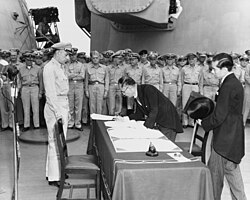
Japanese foreign affairs minister Mamoru Shigemitsu signs the Japanese Instrument of Surrender on board USS Missouri, 2 September 1945

戦争の惨禍と人道上の罪

この戦争で最も忌まわしいのは、組織的に行われた大量虐殺(ジェノサイド)です。ナチス・ドイツによるホロコーストでは、数百万人のユダヤ人が強制収容所で殺害されました。
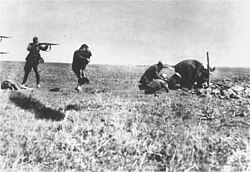
Members of the Einsatzgruppen prepares to shoot a Jewish mother holding her child, Ivangorod, Ukraine
Prisoner identity photograph of a Polish girl taken by the German SS in Auschwitz.[391] Approximately 230,000 children were held prisoner and used in forced labour and Nazi medical experiments.
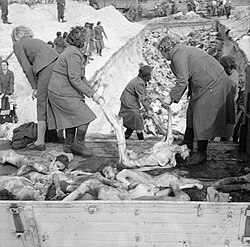
Schutzstaffel (SS) women camp guards removing prisoners' bodies from lorries and carrying them to a mass grave, inside the German Bergen-Belsen concentration camp, 1945
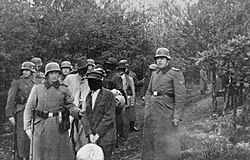
Polish civilians wearing blindfolds photographed just before being massacred by German soldiers in Palmiry forest, 1940

また、ソ連国内での民間人虐殺や、日本軍による南京大虐殺、マニラでの惨劇など、世界各地で凄惨な戦争犯罪が繰り返されました。
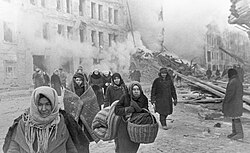
Russian civilians leaving destroyed houses after a German bombardment during the siege of Leningrad (Saint Petersburg), 10 December 1942
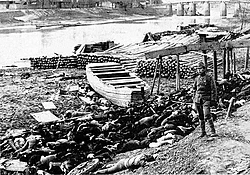
Bodies of Chinese civilians killed by the Imperial Japanese Army during the Nanjing massacre in December 1937
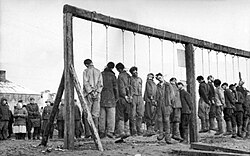
Soviet partisans hanged by the German army. The Russian Academy of Sciences reported in 1995 that civilian victims in the Soviet Union at German hands totalled 13.7 million dead, twenty per cent of the 68 million people in the occupied Soviet Union.
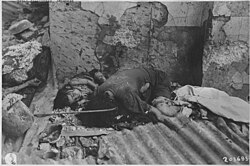
A Filipino woman and child killed by Japanese troops in Manila, 1945

戦後の世界秩序と影響

戦争終結後、ヤルタ会談などを通じて戦後処理が進められました。ニュルンベルク裁判や極東国際軍事裁判では、戦争責任者が裁かれ、「人道に対する罪」という概念が確立されました。
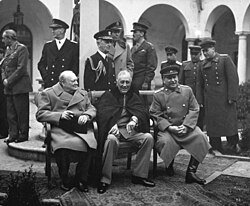
Yalta Conference held in February 1945, with Winston Churchill, Franklin D. Roosevelt, and Joseph Stalin
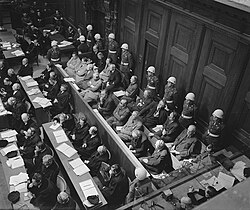
Defendants at the Nuremberg trials, where the Allied forces prosecuted prominent members of the political, military, judicial, and economic leadership of Nazi Germany for crimes against humanity

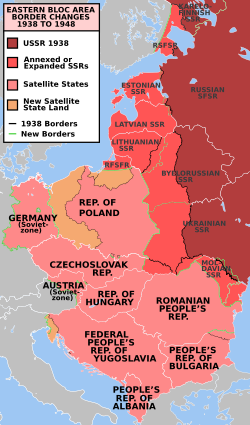
政治的には、アメリカとソ連という二つの超大国が対立する「冷戦」構造へと移行し、ヨーロッパは東西に分断されました。同時に、国際連合(UN)が設立され、二度とこのような惨劇を繰り返さないための国際協力体制が模索されることとなりました。
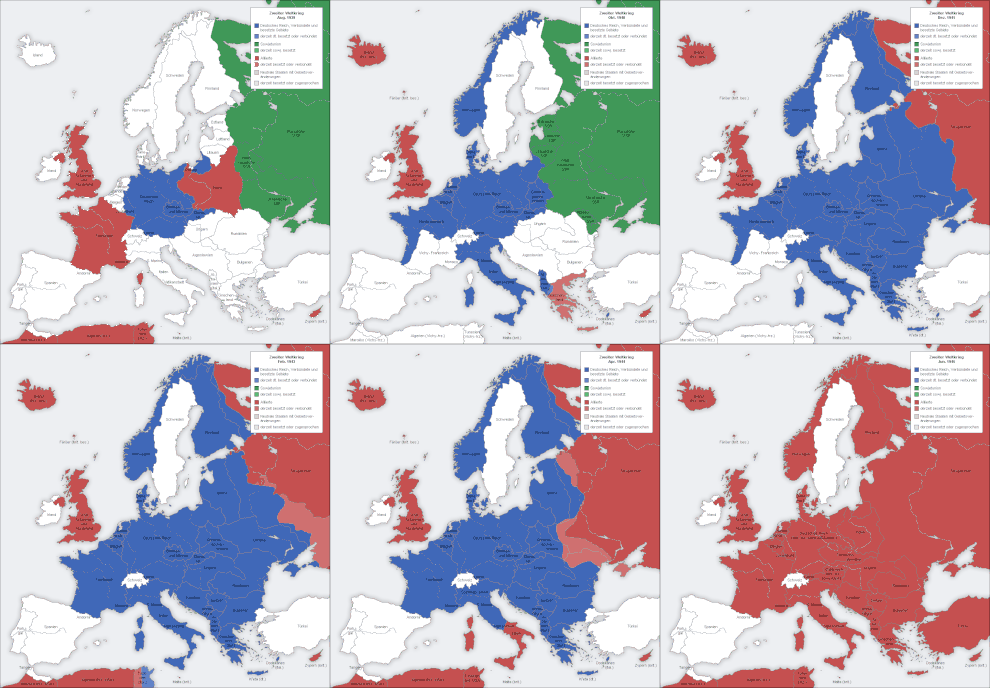
European theatre of World War II animation map, 1939–1945 – Red: Western Allies and the Soviet Union after 1941; Green: Soviet Union before 1941; Blue: Axis powers
Post-war border changes in Central Europe and creation of the communist Eastern Bloc

経済面では、連合国側が圧倒的な生産力を誇ったことが勝利の大きな要因となりました。
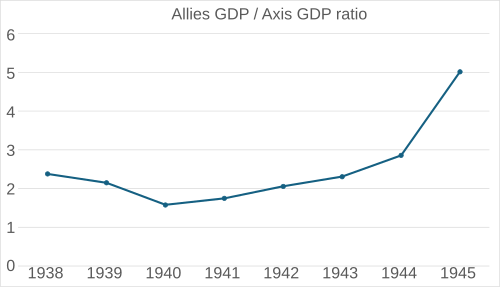
Allies to Axis GDP ratio throughout the war
項目 詳細
期間 1939年〜1945年
主要陣営 連合国 vs 枢軸国
主要指導者(連合国) スターリン、ルーズベルト、チャーチル、蒋介石
主要指導者(枢軸国) ヒトラー、ムッソリーニ、昭和天皇
主要な転換点 スターリングラードの戦い、ミッドウェー海戦、ノルマンディー上陸作戦
終結の決定打 ベルリン陥落、原爆投下、ソ連参戦

Frequently Asked Questions

なぜ第二次世界大戦は起きたのですか?

主な原因は、第一次世界大戦後の不平等な条約への不満、世界恐慌による経済混乱、そしてファシズムやナチズムといった全体主義的な思想の台頭にあります。これにより、領土拡大を目指す独裁国家が現れ、国際的な抑止力が機能しなかったためです。

ホロコーストとは何ですか?

ナチス・ドイツが、人種主義的な偏見に基づき、ユダヤ人やロマ、政治的反対者などを組織的に大量虐殺した出来事です。強制収容所やガス室などが利用され、数百万人の命が奪われました。

戦争の勝敗を分けた最大の要因は何でしたか?

軍事的な戦略に加え、工業生産力(物量)の差が決定的な要因となりました。特にアメリカの圧倒的な兵器生産能力と、ソ連の膨大な人的資源と忍耐力が、枢軸国の資源不足と戦略的ミスを上回りました。

原爆投下はなぜ行われたのですか?

アメリカ側は、日本本土への上陸作戦(ダウンフォール作戦)を避けることで、自軍の兵士および日本の民間人の犠牲を最小限に抑え、早期に戦争を終結させることを目的として使用しました。

戦後、世界はどう変わりましたか?

植民地支配が崩壊し、多くの国が独立を果たしました。また、世界はアメリカを中心とする資本主義陣営と、ソ連を中心とする社会主義陣営に分かれる「冷戦」時代に突入し、同時に国際連合が設立されて平和維持の仕組みが作られました。

References

  1. While have been proposed as the date on which World War II began or ended, this is the period most frequently cited.
  2. Often abbreviated as WWII or WW2
  3. at 11 am. at 5 pm.
  4. Reparations were exacted from East Germany, Hungary, Romania, and Bulgaria using Soviet-dominated joint enterprises. The Soviet Union also instituted trading arrangements deliberately designed to favour the country. Moscow controlled the Communist parties that ruled the satellite states, and they followed orders from the Kremlin. Historian Mark Kramer concludes: "The net outflow of resources from eastern Europe to the Soviet Union was approximately $15 billion to $20 billion in the first decade after World War II, an amount roughly equal to the total aid provided by the United States to western Europe under the ."

📸 フォトギャラリー

The League of Nations assembly, held in Geneva, Switzerland (1930)
Adolf Hitler at a German Nazi political rally in Nuremberg, August 1933
Benito Mussolini inspecting troops during the Italo-Ethiopian War, 1935
Chinese soldiers battle the Imperial Japanese Army in Taierzhuang, 1938
From left to right: Chamberlain, Daladier, Hitler, Mussolini, and Ciano pictured just before signing the Munich Agreement, 29 September 1938
German Foreign Minister Joachim von Ribbentrop (right) and the Soviet leader Joseph Stalin after signing the Molotov–Ribbentrop Pact, 23 August 1939
A German propaganda photograph reenacting the removal of the Polish border crossing in Sopot[68]
Mannerheim Line and Karelian Isthmus on the last day of the Winter War, 13 March 1940
German advance into Belgium and Northern France, 10 May – 4 June 1940, sweeping past the Maginot Line (shown in dark red)
London's St Paul's Cathedral after the German Blitz on 29 December 1940
German Panzer III of the Afrika Korps advancing across the North African desert, April 1941
European theatre of World War II animation map, 1939–1945 – Red: Western Allies and the Soviet Union after 1941; Green: Soviet Union before 1941; Blue: Axis powers
Members of the Einsatzgruppen prepares to shoot a Jewish mother holding her child, Ivangorod, Ukraine
Russian civilians leaving destroyed houses after a German bombardment during the siege of Leningrad (Saint Petersburg), 10 December 1942
Japanese soldiers entering Hong Kong, 8 December 1941
The USS Arizona was a total loss in the Japanese surprise air attack on the United States Pacific Fleet at Pearl Harbor, Sunday 7 December 1941
Map of Japanese military advances through mid-1942
Japanese torpedo bombers fly past the USS Yorktown during the Battle of Midway, 4 June 1942
Red Army soldiers on the counterattack during the Battle of Stalingrad, February 1943
American Eighth Air Force Boeing B-17 Flying Fortress bombing raid on the Focke-Wulf factory in Germany, 9 October 1943
US Navy SBD-5 scout/dive bomber flying patrol over USS Washington and USS Lexington during the Gilbert and Marshall Islands campaign, 1943
Red Army troops behind T34/76 (1942 variant) in a counter-offensive on German positions at the Battle of Kursk, July 1943
American troops approaching Omaha Beach during the invasion of Normandy on D-Day, 6 June 1944
General Douglas MacArthur returns to the Philippines during the Battle of Leyte, 20 October 1944
Yalta Conference held in February 1945, with Winston Churchill, Franklin D. Roosevelt, and Joseph Stalin
A Filipino woman and child killed by Japanese troops in Manila, 1945
Japanese foreign affairs minister Mamoru Shigemitsu signs the Japanese Instrument of Surrender on board USS Missouri, 2 September 1945
Defendants at the Nuremberg trials, where the Allied forces prosecuted prominent members of the political, military, judicial, and economic leadership of Nazi Germany for crimes against humanity
Post-war border changes in Central Europe and creation of the communist Eastern Bloc
Bodies of Chinese civilians killed by the Imperial Japanese Army during the Nanjing massacre in December 1937
Prisoner identity photograph of a Polish girl taken by the German SS in Auschwitz.[391] Approximately 230,000 children were held prisoner and used in forced labour and Nazi medical experiments.
Schutzstaffel (SS) women camp guards removing prisoners' bodies from lorries and carrying them to a mass grave, inside the German Bergen-Belsen concentration camp, 1945
Polish civilians wearing blindfolds photographed just before being massacred by German soldiers in Palmiry forest, 1940
Soviet partisans hanged by the German army. The Russian Academy of Sciences reported in 1995 that civilian victims in the Soviet Union at German hands totalled 13.7 million dead, twenty per cent of the 68 million people in the occupied Soviet Union.
Allies to Axis GDP ratio throughout the war
A V-2 rocket launched from a fixed site in Peenemünde, 21 June 1943
Nuclear Gadget being raised to the top of the detonation "shot tower", at Alamogordo Bombing Range; Trinity nuclear test, New Mexico, July 1945