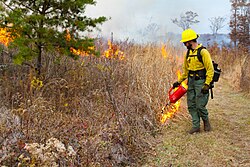
A wildland firefighter from the Idaho Bureau of Land Management lays down fire from a driptorch.
← ホームへ戻る

野生火災の抑制戦略と世界的な管理体制

🗓 2026年8月12日

自然界における火災は、地形や気象条件、そして燃えやすい物質である「燃料」の量によってその挙動が大きく変わります。野生火災の抑制は、人命の保護、財産の維持、そして貴重な自然環境の保全を目的としており、都市部と自然境界線が接するWUI(野生地域・都市インターフェース)での対応など、極めて複雑な課題を抱えています。

主要な事実(Key Facts)

  • WUIの危険性: 都市化の拡大により、森林などの野生地域に隣接して住宅が建設され、構造的な被害が増大している。
  • 燃料管理のジレンマ: 過度な火災抑制は、かえって森林内に可燃物を蓄積させ、将来的に壊滅的な大火災を招くリスクを高める。
  • 安全優先の原則: 米国ではLCES(監視員、通信、脱出路、安全地帯)という安全管理プロトコルが徹底されている。
  • 国際的な連携: カナダや米国、オーストラリアなど、広大な森林を持つ国々では、政府主導の組織的な抑制体制が構築されている。

地域別の火災管理の歴史と現状

オーストラリア:ブッシュファイアとの共生

オーストラリアでは「ブッシュファイア」と呼ばれる火災が生態系に深く組み込まれています。先住民のアボリジニは古くから、獲物を追い込んだり新芽を促したりするために、風向きを考慮した高度な制御火災を用いてきました。しかし、入植後の無計画な燃焼により状況が悪化したため、19世紀後半から法規制が整備され、ボランティア主体の消防団が組織されました。現在、ニューサウスウェールズ州の農村消防局(NSWRFS)は世界最大規模の管理体制を誇っています。
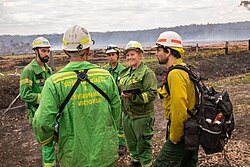
U.S. and Australian firefighters discussing tactics at the Peat Fire near Cape Conran Coastal Park, Victoria. The U.S. firefighter is in the distinctive yellow and green Nomex uniform.

カナダ:広大な北方林の保護

カナダの森林地の約75%を占める北方林(主に針葉樹林)の管理は、州および準州政府が担っています。年間で9,000件以上の火災が発生し、平均250万ヘクタールが焼失するという厳しい環境にあり、カナダ相互機関森林火災センター(CIFFC)が各機関の連携を調整しています。抑制コストは年間5億ドルから10億ドルに達します。
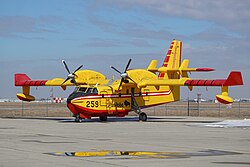
A Canadair CL-415 owned by the Government of Manitoba to combat wildfires

米国:教訓から生まれた近代的な体制

米国の火災管理は、1871年のペシュティゴ火災(死者1,200人以上)や1910年の大火災などの悲劇を経て進化しました。かつては「火災発生から2日目の午前10時までに鎮火させる」という厳格なルール(10 o'clock rule)がありましたが、これが結果的に燃料の蓄積を招いたため、1970年代以降は生態系への還元とリスク低減を目的とした処方燃焼(計画的な焼却)が導入されました。
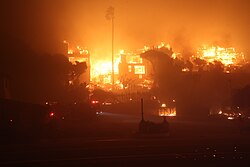
The Palisades Fire burning a structure on January 8, 2025. The Palisades Fire was a highly destructive wildfire that began in the Santa Monica Mountains of Los Angeles County.

2026年には、内務省(DOI)の下にBLM、USFWS、NPS、BIAを統合した「米国野生火災局(USWFS)」が設立され、より効率的な指揮体制への移行が進んでいます。

火災抑制の戦術と技術的アプローチ

直接攻撃と間接攻撃

すべての抑制活動は、湖や道路などの天然または人工的な「アンカーポイント(起点)」から開始されます。これにより、火災に包囲されるリスクを避けながら封じ込めを行います。直接的な消火だけでなく、あえて火を放って燃料を事前に消費させる「バックファイアリング(後方燃焼)」などの間接的な手法も用いられます。
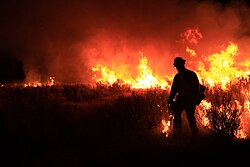
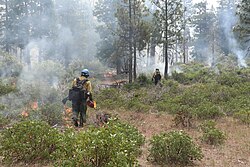
A wildland firefighter from the Idaho Bureau of Land Management lays down fire from a driptorch.

Firefighters use driptorches to perform ignitions on the Cedar Central Prescribed Burn in Cedar Grove, Kings Canyon National Park.

特殊車両と機材の活用

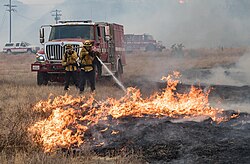
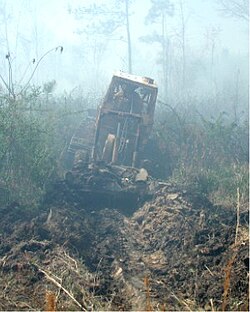
地形や状況に応じて、ブルドーザーによる防火帯の構築や、車両を移動させながら放水する「ポンプ・アンド・ロール(モバイルアタック)」などの戦術が使い分けられます。
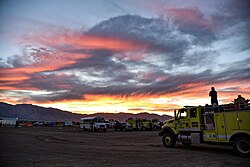
U.S. Bureau of Land Management wildland fire engines at the Numbers Fire Incident Command Post during sunset.

CAL FIRE firefighters battle a hotspot of the Fairview Fire. This technique is known as pump and roll, or mobile attack. It involves a firefighter spraying water while the engine moves behind them.

A bulldozer plows a control line in advance of a wildfire in Georgetown, South Carolina.

事後処理と環境復元

火勢が収まった後には、再燃を防ぐための「モップアップ(残火処理)」が行われます。また、火災後は植生が失われ、斜面では表面流出による土壌侵食が激しくなるため、大規模な再植林プロジェクトなどの環境復元策が不可欠です。
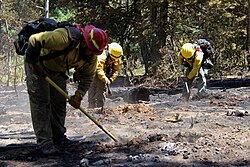
Firefighters conduct mop-up to secure fireline at the Fuller Fire. The Fuller Fire, located on the North Rim of Grand Canyon National Park, began on Jun. 29, 2016, by a lightning strike.

安全管理と装備

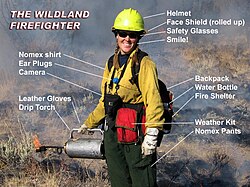
消防隊員の生命保護は最優先事項です。特に逃げ場を失った際の最終手段として、耐熱性の「火災シェルター」が携帯されています。また、黄色と緑色のNomex(ノメックス)製耐火服、ヘルメット、専用パックなどの個人保護具が標準装備されています。
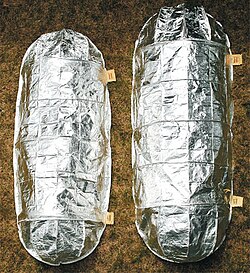
Fire shelters used by wildland firefighters in the United States as a last line of defense when trapped by fires.

A wildland firefighter uses drip torch at Manassas National Battlefield Park. The helmet, yellow and green Nomex uniform, and pack are crucial pieces of gear for firefighters.

This image shows the standard gear of a wildland firefighter working on a prescribed burn. Not shown is a hand tool, such as a Pulaski.

都市内部に野生地域が点在する「閉鎖的WUI」での火災(例:ニューヨークのプロスペクトパークでの火災)など、現代的なリスクへの対応も急務となっています。
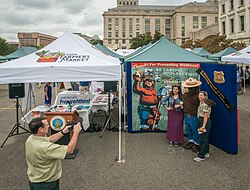
National Preparedness Month with Smokey Bear and Assistant Secretary for Administration, Dr. Parham.

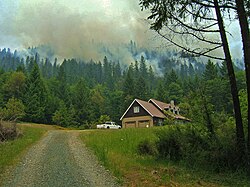
A low-intensity prescribed underburn in the wildland-urban interface, western Oregon. This is a good example of the occluded wildland-urban interface.

野生火災管理の概要まとめ

野生火災管理の主要要素比較
項目 内容・特徴 目的・効果
処方燃焼 計画的に低強度の火を放つ 燃料負荷の軽減、生態系維持
アンカーポイント 道路や水辺などの安全な起点 包囲リスクの回避、戦術的拠点
LCES 監視・通信・脱出路・安全地帯 隊員の生存率向上と安全確保
WUI対策 都市と野生地域の境界管理 構造物(住宅等)の被害最小化

Frequently Asked Questions

処方燃焼とは何ですか?

あらかじめ計画を立てて、管理された条件下で意図的に火を放つ手法です。これにより、森林内に蓄積した枯れ葉や低木などの「燃料」を減らし、自然発生した大火災の強度を下げることができます。

WUI(野生地域・都市インターフェース)とはどのような場所ですか?

森林や草原などの野生地域と、住宅地などの都市部が接している境界領域のことです。都市化が進み、こうした地域に家屋が建設されることで、野生火災が住宅に燃え移るリスクが高まっています。

火災シェルターはどのような時に使用しますか?

消防隊員が火災に包囲され、脱出路を失った際の「最後の防衛線」として使用します。極めて高い耐熱性を持ち、一時的に熱から身を守るための装備です。

なぜ火災をすべてすぐに消し止めることが正解ではないのですか?

過去の「即時鎮火」政策により、本来なら小さな火で消費されるはずだった可燃物が森林に溜まり続けました。その結果、一度火が出ると制御不能なほど巨大で激しい火災になるという悪循環が生じたためです。

LCESとは具体的に何を指しますか?

Lookouts(監視員)、Communications(通信)、Escape routes(脱出路)、Safety zones(安全地帯)の頭文字を取ったものです。現場に到着した際、これら4つの要素を確実に確保することで、危険な状況から迅速に撤退できるようにします。

References

  1. "A History of Bush Fire Brigades". bushfiremuseum.org.au. Retrieved 2025-02-02.
  2. "History". www.rfs.nsw.gov.au. Retrieved 2025-02-02.
  3. "Fire Trails". www.rfs.nsw.gov.au. Retrieved 2025-02-02.
  4. "Natural Resources Canada Statistical Data". Natural Resources Canada. Retrieved 16 August 2019.
  5. Guitard, Sylvain (17 May 2024). "Who is SOPFEU?" (PDF). Retrieved 13 Jan 2025.
  6. Forest Fire in Canada, Natural Resources Canada, 2008-06-05, archived from the original on 2009-05-30, retrieved 2009-05-01
  7. US Department of Commerce, NOAA. "The Great Midwest Wildfires of 1871". www.weather.gov. Retrieved 2021-12-30.
  8. "Our History". US Forest Service. 2015-10-02. Retrieved 2021-12-30.
  9. "U.S. Forest Service Fire Suppression". Forest History Society. Retrieved 2026-03-23.
  10. "The Big Burn-Transcript". American Experience. PBS. February 3, 2015. Retrieved January 23, 2019.

📸 フォトギャラリー

A wildland firefighter from the Idaho Bureau of Land Management lays down fire from a driptorch.
U.S. and Australian firefighters discussing tactics at the Peat Fire near Cape Conran Coastal Park, Victoria. The U.S. firefighter is in the distinctive yellow and green Nomex uniform.
A Canadair CL-415 owned by the Government of Manitoba to combat wildfires
U.S. Bureau of Land Management wildland fire engines at the Numbers Fire Incident Command Post during sunset.
CAL FIRE firefighters battle a hotspot of the Fairview Fire. This technique is known as pump and roll, or mobile attack. It involves a firefighter spraying water while the engine moves behind them.
A bulldozer plows a control line in advance of a wildfire in Georgetown, South Carolina.
Firefighters conduct mop-up to secure fireline at the Fuller Fire. The Fuller Fire, located on the North Rim of Grand Canyon National Park, began on Jun. 29, 2016, by a lightning strike.
Firefighters use driptorches to perform ignitions on the Cedar Central Prescribed Burn in Cedar Grove, Kings Canyon National Park.
National Preparedness Month with Smokey Bear and Assistant Secretary for Administration, Dr. Parham.
A low-intensity prescribed underburn in the wildland-urban interface, western Oregon. This is a good example of the occluded wildland-urban interface.
The Palisades Fire burning a structure on January 8, 2025. The Palisades Fire was a highly destructive wildfire that began in the Santa Monica Mountains of Los Angeles County.
Fire shelters used by wildland firefighters in the United States as a last line of defense when trapped by fires.
A wildland firefighter uses drip torch at Manassas National Battlefield Park. The helmet, yellow and green Nomex uniform, and pack are crucial pieces of gear for firefighters.
This image shows the standard gear of a wildland firefighter working on a prescribed burn. Not shown is a hand tool, such as a Pulaski.