水(H2O)の科学的特性と分子構造の完全解説
地球上のあらゆる生命にとって不可欠な水は、化学的には「酸化ン(Oxidane)」という系統名を持つ単純な分子ですが、その物理的・化学的性質は極めて特異です。宇宙全体で見ても水素(H2)や一酸化炭素(CO)に次いで3番目に多く存在するこの物質は、私たちの惑星の表面を覆い、複雑な生態系を支える基盤となっています。
水は、2つの水素原子と1つの酸素原子が結合したH2Oという化学式で表されます。見た目は無色透明で無臭ですが、大量にある場合はわずかに青みを帯びることがあります。
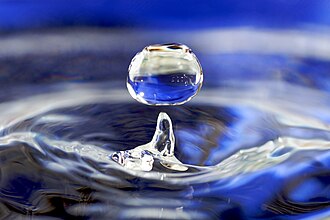
Key Facts
- 化学式: H2O(分子量 18.015 g/mol)
- 最大密度: 約4°Cにおいて最大となる(0.99997 g/mL)
- 相転移点: 融点 0.00°C / 沸点 99.98°C(1気圧下)
- 特異な構造: 折れ線型の分子形状を持ち、強い極性を有する
- 地球上の分布: 地球質量の0.23%を占め、その約97.39%が海洋に存在
分子構造と極性のメカニズム
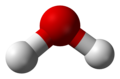
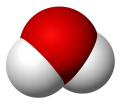
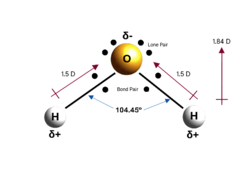
水の性質を決定づけているのは、その独特な幾何学的構造です。酸素原子を中心に水素原子が配置されていますが、直線ではなく折れ線型(Bent)の形状をしています。これにより、分子内に電荷の偏りである「双極子モーメント(1.8546 D)」が生じます。
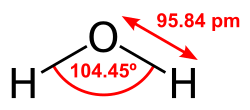
この極性があるため、水分子同士は互いに引き付け合い、水素結合と呼ばれる強力な分子間力を形成します。この結合が、水の高い沸点や比熱容量などの特異な熱力学的性質を生み出す要因となっています。
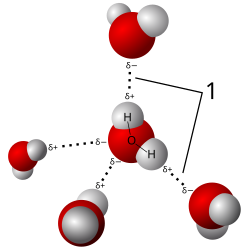
![Some hydrogen-bonding contacts in FeSO4.7H2O. This metal aquo complex crystallizes with one molecule of "lattice" water, which interacts with the sulfate and with the [Fe(H2O)6]2+ centers.](/images/44/92/449213c39982c1649656c0f2aa5d9fbacd0ac3742f9075760ea0a67adcc60aa6.png)
物理的特性と相変化
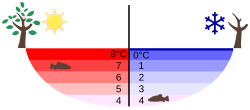
水は温度と圧力に応じて、液体、固体(氷)、気体(水蒸気)の3つの状態で存在します。特に注目すべきは、液体から固体へ変化する際の密度の挙動です。多くの物質は凝固すると密度が増しますが、水は氷になると密度が低下(0°Cで約0.9167 g/mL)し、水に浮くという珍しい性質を持ちます。
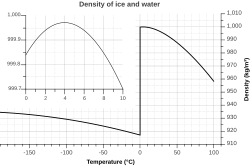
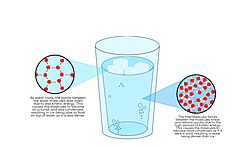
この密度の差は、冬場の湖や海において、表面が凍っても底層に液体が残り、水生生物が生存できる環境を維持する重要な役割を果たしています。
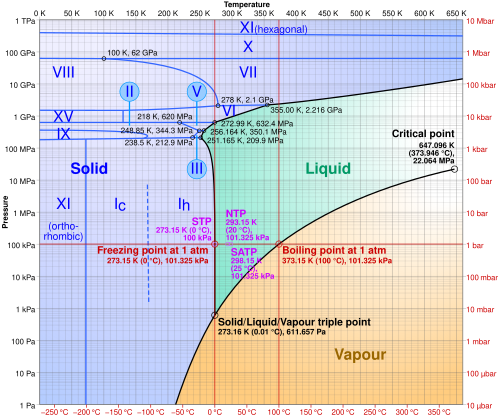
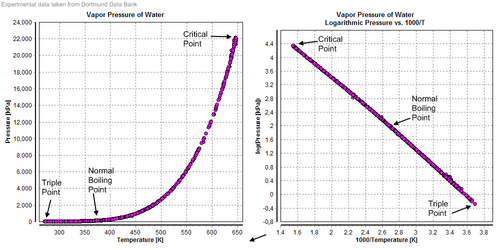
また、特定の温度と圧力(273.16 K, 611.657 Pa)では、氷・水・水蒸気の3つの相が同時に安定して共存する三重点が存在します。
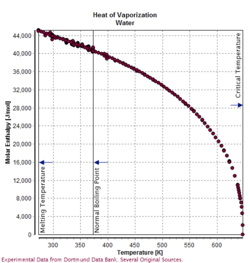
熱的な側面では、蒸発熱(気化熱)が非常に高く、これが地球の気候調節や生物の体温調節に寄与しています。
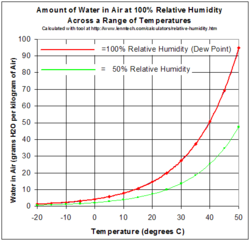
気圧の変化に伴う蒸気圧の挙動は、雲の形成や降水などの気象現象に直接的に影響を与えます。
界面現象と溶媒としての能力
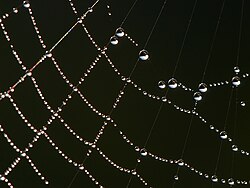
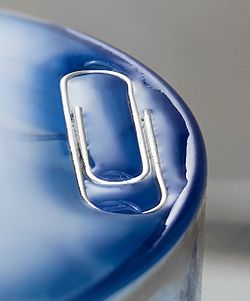
水は強い凝集力を持つため、表面で分子が互いに強く引き付け合い、表面張力を生じさせます。これにより、水滴が球形に近づいたり、小さな昆虫が水面に浮いたりすることが可能になります。

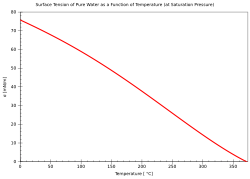
温度が上昇すると表面張力は低下する傾向にあります。
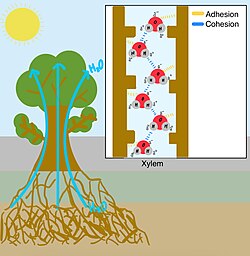
さらに、水分子が容器の壁面などの他の物質に引き付けられる「付着力」と、分子同士が引き合う「凝集力」の相乗効果により、重力に逆らって細い管を上昇する毛細管現象が起こります。これは植物が根から高い枝先まで水を運ぶ仕組みの根幹です。
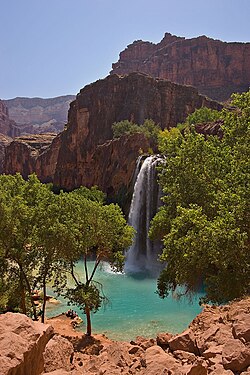
また、水は「万能溶媒」とも呼ばれ、多くの極性物質を溶解させます。例えば、石灰分などの溶解物質の濃度によって、滝や湖の水がエメラルドグリーンやターコイズブルーに見えることがあります。
化学的性質と安全性
水は化学的に非常に安定していますが、わずかに自己電離し、水素イオン(H3O+)と水酸化物イオン(OH-)を生成します。25°Cにおけるイオン積(Kw)は約10のマイナス14乗であり、これがpH尺度の基準となっています。
酸塩基反応においては、アンモニアなどの物質に対して水素イオンを供与する酸として機能することもあります。また、電気分解を行うことで、水素ガスと酸素ガスに分解することが可能です。
安全性に関しては、非引火性であり、NFPA 704の危険性指標ではすべて「0」と評価されています。ただし、物理的な危険として溺水や、雪崩などの自然災害、あるいは過剰摂取による水中毒などのリスクが存在します。

水の基本物理定数まとめ
| 特性項目 | 数値 / 内容 | 条件・備考 |
|---|---|---|
| モル質量 | 18.015 g/mol | - |
| 最大密度 | 0.99997 g/mL | 3.98°C / 1 atm |
| 融点 | 0.00 °C | 1 atm |
| 沸点 | 99.98 °C | 1 atm |
| 屈折率 (nD) | 1.3330 | 20 °C |
| 粘度 | 0.890 mPa·s | - |
| pKa / pKb | 13.995 | - |
Frequently Asked Questions
なぜ氷は水に浮くのですか?
水が凍って氷になると、水素結合によって分子が規則正しく六角形の格子構造を作るため、液体状態よりも分子間の隙間が広がり、密度が低くなるからです。
水の「三重点」とは何ですか?
特定の温度(0.01°C)と圧力(611.657 Pa)において、固体(氷)、液体(水)、気体(水蒸気)の3つの相が同時に平衡状態で共存する点のことです。
毛細管現象が起こる理由は何ですか?
水分子同士が引き合う「凝集力」と、水分子が管の壁面に引き付けられる「付着力」が組み合わさることで、液体が狭い管の中を自然に上昇するためです。
水は本当に「無色」なのですか?
少量の水はほぼ無色に見えますが、実際には光の吸収特性により、非常に深い層になるとわずかに青色を帯びる性質を持っています。
水中毒とはどのような状態ですか?
短時間に大量の水を摂取することで、血液中のナトリウム濃度が急激に低下し、細胞が膨張することで意識障害などの症状を引き起こす状態を指します。
📸 フォトギャラリー