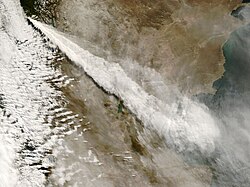
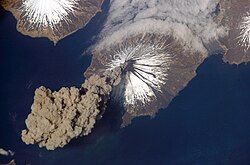
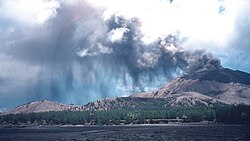
火山噴火に伴い空高く舞い上がり、時に数千キロメートル先まで運ばれる火山灰。単なる「灰」と思われがちですが、その実体は微細な岩石やガラスの破片であり、地球上の生態系や現代社会のインフラに深刻な影響を及ぼす物質です。本記事では、火山灰がどのようにして生まれ、どのような特性を持ち、私たちの生活にどのようなリスクをもたらすのかを詳しく解説します。
Key Facts
- 火山灰は直径2mm未満の岩石破片、鉱物結晶、火山ガラスで構成される。
- マグマ中のガスが急激に膨張して破砕されるか、マグマが水と接触して爆発的に蒸発することで形成される。
- 成分はシリカ(二酸化ケイ素)含有量によって異なり、これが灰の色や性質を決定する。
- 非常に研磨性が高く、航空機のエンジンや発電設備などの精密機械に致命的な損傷を与える可能性がある。
- 家畜へのフッ素中毒や、農作物の光合成阻害など、生物学的リスクを伴う。
火山灰の形成プロセスと定義
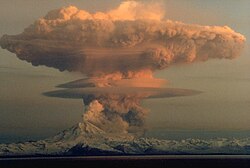
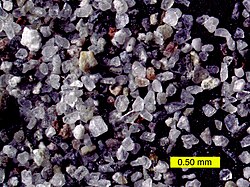
一般的に「火山灰」と呼ばれるものは、専門的には直径2mm以下の微粒子を指します。これより大きな粒子を含む、爆発的噴火によって放出されるすべての物質はテフラと呼ばれます。火山灰が生まれる主なメカニズムは2つあります。一つは、マグマに含まれる溶存ガスが急激に膨張し、マグマ自体を粉砕して大気中に放出する場合。もう一つは、マグマが水と接触して激しく蒸発し、その衝撃でマグマが砕ける「マグマ水蒸気噴火」によるものです。
物理的・化学的特性
化学組成とシリカの影響
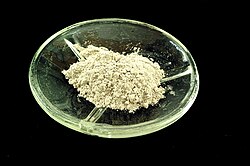
火山灰の性質は、もととなるマグマの化学組成、特にシリカ(二酸化ケイ素)の含有量に大きく左右されます。シリカ含有量が45〜55%と低い玄武岩質のマグマからは、鉄やマグネシウムを多く含む暗色の灰が生成されます。一方で、シリカ含有量が69%を超える流紋岩質のマグマからは、非常に爆発的な噴火とともに明るい色の灰が放出されます。中間の組成(55〜69%)を持つのは安山岩やデイサイトです。
物理的構造と研磨性
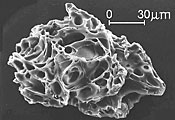
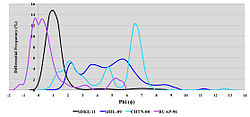
火山灰の粒子は、軽石(密度700〜1200 kg/m³)から、火山ガラス(2350〜2450 kg/m³)、結晶や岩石破片(最大3300 kg/m³)まで多様な密度を持ちます。特にシリカ含有量が高い灰は、硬度が高く(モース硬度約5)、形状が鋭利であるため、非常に強い研磨性(物質を削り取る性質)を持っています。
社会および環境への多角的な影響
航空交通への深刻なリスク
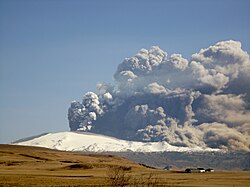
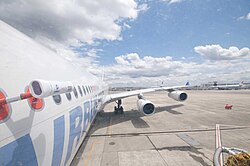
火山灰は航空業界にとって最大の脅威の一つです。微細なガラス粒子がジェットエンジンの高温部に吸い込まれると、溶融して堆積し、エンジンの停止を招く恐れがあります。2010年のアイスランド・エイヤフィヤトラヨークトル火山噴火では、欧州全域の航空網が前例のない規模で麻痺し、甚大な経済損失が発生しました。
インフラと構造物への被害
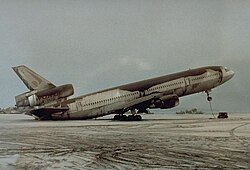
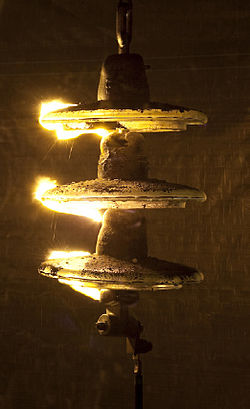
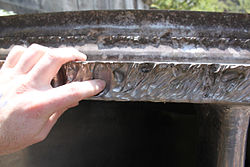
火山灰は単に軽い粉塵ではなく、堆積すると相当な重量になります。これにより建物の屋根が崩落したり、車両の重心が変わり転倒したりすることがあります。また、電気設備においては、灰が絶縁体に付着することで漏電(フラッシオーバー)が発生し、停電を引き起こすリスクがあります。さらに、水力発電所のタービンなどの機械設備を摩耗させる原因にもなります。
健康被害と農業への影響
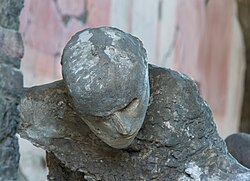
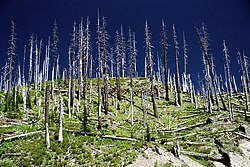
人間や動物にとって、火山灰の吸入は呼吸器系への刺激となります。特に家畜の場合、灰を摂取することで歯が摩耗したり、灰に含まれるフッ素によって中毒症状(フッ素症)を引き起こしたりすることがあります。農業面では、薄い堆積であれば肥料効果をもたらすこともありますが、厚く積もると光合成や蒸散が妨げられ、作物が死滅したり土壌が窒息状態になったりします。
現代社会における相互依存性とリスク管理
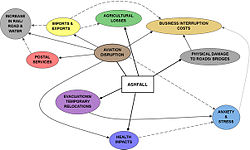
近年の噴火事例は、単一の自然災害がどのように連鎖的に社会機能に影響を与えるかを浮き彫りにしました。航空機の運航停止は、単なる移動の制限に留まらず、物流の停滞、観光業の損失、保険業界への影響、さらには輸出入の減少といった広範な経済的打撃へと波及します。このような相互依存性を理解することが、効果的な防災計画の策定に不可欠です。
火山灰の特性まとめ
| マグマの種類 | シリカ含有量 | 主な特徴 | 灰の色・性質 |
|---|---|---|---|
| 玄武岩質 | 45〜55% | 鉄・マグネシウムが豊富 | 暗色・比較的低エネルギー |
| 安山岩・デイサイト質 | 55〜69% | 中間的な組成 | 中間の色・性質 |
| 流紋岩質 | 69%以上 | 非常に高いシリカ含有量 | 明色・極めて爆発的で研磨性が高い |
Frequently Asked Questions
火山灰と普通の灰は何が違うのですか?
一般的な「灰」は物質が燃えた後の残りカスですが、火山灰は燃えたものではなく、砕けた岩石やガラスの微粒子です。そのため、非常に硬く、鋭利な形状をしているのが特徴です。
なぜ火山灰が航空機にとって危険なのですか?
火山灰の主成分であるガラスが、エンジンの高温環境で溶けて内部に張り付くためです。これにより空気の流れが遮断され、エンジンが停止する危険があるため、航空機は火山灰の雲を避ける必要があります。
家畜が火山灰を食べるとどうなりますか?
物理的に歯が摩耗するほか、灰に含まれるフッ素を摂取することでフッ素中毒(フッ素症)になることがあります。これにより、骨や歯に異常が出たり、衰弱したりすることが報告されています。
火山灰が農業に良い影響を与えることはありますか?
はい。堆積量が少ない場合、マルチング効果(土壌の被覆)や、含まれるミネラルによる肥料効果が得られ、一時的に作物の生産性が向上することがあります。
火山灰による停電はなぜ起こるのですか?
火山灰が電線の絶縁体に付着し、そこに水分が加わることで電気が漏れ出す「フラッシオーバー」という現象が起きるためです。これにより送電システムに負荷がかかり、停電に至る場合があります。
References
- Rose, W.I.; Durant, A.J. (2009). "Fine ash content of explosive eruptions". Journal of Volcanology and Geothermal Research. 186 (1–2): 32–39. :2009JVGR..186...32R. :10.1016/j.jvolgeores.2009.01.010.
- Zimanowski, Bernd; Wohletz, Kenneth; Dellino, Pierfrancesco; Büttner, Ralf (March 2003). "The volcanic ash problem". Journal of Volcanology and Geothermal Research. 122 (1–2): 1–5. :2003JVGR..122....1Z. :10.1016/S0377-0273(02)00471-7.
- Dufek, J.; Manga, M. (16 September 2008). "In situ production of ash in pyroclastic flows". Journal of Geophysical Research. 113 (B9): B09207. :2008JGRB..113.9207D. :10.1029/2007JB005555.
- Wilson, T.M.; Stewart, C. (2012). "Volcanic Ash". In P, Bobrowsky (ed.). Encyclopaedia of Natural Hazards. Springer. p. 1000.
- ; Sturtevant, B.; Papale, P.; Navon, O. (2000). "Magmatic fragmentation". In Sigurdsson, H.; Houghton, B.F.; McNutt, S.R.; Rymer, H.; Stix, J. (eds.). Encyclopedia of Volcanoes. San Diego, USA: Elsevier Inc. p. 1417.
- Kueppers, U.; Putz, C.; Spieler, O.; Dingwell, D.B. (2009). "Abrasion in pyroclastic density currents: insights from tumbling experiments". Physics and Chemistry of the Earth, Parts A/B/C. 45–46: 33–39. :2012PCE....45...33K. :10.1016/j.pce.2011.09.002.
- Zimanowski, B. (2000). "Physics of phreatomagmatism. Part 1: explosion physics". Terra Nostra. 6: 515–523.
- Parfitt, E.A.; Wilson, L. (2008). Fundamentals of Physical Volcanology. Massachusetts, USA: Blackwell Publishing. p. 256.
- Walker, G.P.L. (1981). "Generation and dispersal of fine ash by volcanic eruptions". Journal of Volcanology and Geothermal Research. 11 (1): 81–92. :1981JVGR...11...81W. :10.1016/0377-0273(81)90077-9.
- USGS. "Volcanic Ash, What it can do and how to minimise damage". Retrieved 9 February 2012.
📸 フォトギャラリー