Haile Selassie I at the League of Nations appealing Italy's 1936 invasion in which the League failed to intervene.
← ホームへ戻る
国際連合UN国連安全保障理事会総会

国際連合(UN)の役割と構造世界平和と人道支援の仕組み

🗓 2026年8月11日

第二次世界大戦という未曾有の悲劇を経て、人類が二度とこのような惨禍を繰り返さないために設立したのが国際連合(United Nations, UN)です。1945年に誕生したこの組織は、単なる国家間の話し合いの場ではなく、平和の維持、人権の保護、そして地球規模の課題解決を目指す世界最大の政府間組織として機能しています。

かつて存在した国際連盟は、1936年のイタリアによるエチオピア侵攻などの危機に十分に対処できず、その限界を露呈しました。この教訓を活かし、より強力な権限と包括的な体制を持つ組織として国連が設計されたのです。
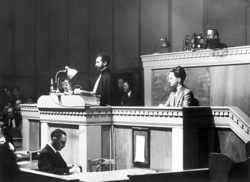
Haile Selassie I at the League of Nations appealing Italy's 1936 invasion in which the League failed to intervene.

Key Facts

  • 設立: 1945年6月26日に憲章が署名され、10月24日に発効。
  • 加盟国: 193の加盟国と2つのオブザーバー国家(パレスチナ、聖座)で構成。
  • 本部: アメリカ合衆国ニューヨーク市(国際地域)。
  • 公用語: アラビア語、中国語、英語、フランス語、ロシア語、スペイン語の6言語。
  • 主要目的: 国際平和と安全の維持、国家間の友好関係の発展、経済的・社会的・文化的協力の促進。

国連の歴史的歩みと変遷

国連の構想は、第二次世界大戦中の連合国による宣言から始まりました。フランクリン・ルーズベルト大統領による初期のスケッチには、執行機関や国際議会など、現在の骨格となる3つの部門案が描かれていました。
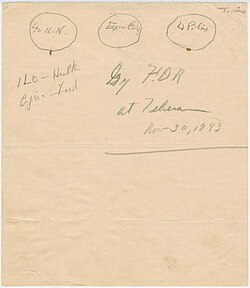
1943 sketch by Franklin Roosevelt of the UN original three branches: The Four Policemen, an executive branch, and an international assembly of forty UN member states.

1945年の創設時、世界は新たな秩序を模索していました。初期の加盟国やその保護領は、現在の国境線とは異なる複雑な状況にありましたが、次第に脱植民地化が進み、加盟国数は拡大していきました。
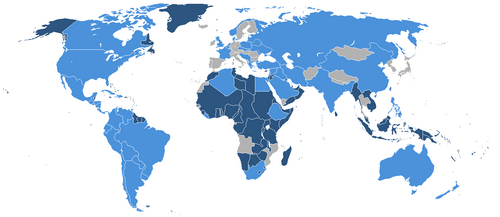
The UN in 1945: founding members in light blue, protectorates and territories of the founding members in dark blue (Some nations' land would be different from now.)

冷戦時代には、アメリカとソ連という二大超大国の対立により、安全保障理事会での拒否権行使が相次ぎ、機能不全に陥る場面もありました。しかし、1980年代後半にはミハイル・ゴルバチョフ書記長による改革の動きなど、緊張緩和に向けた対話が国連の舞台で繰り広げられました。
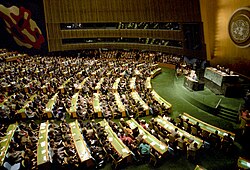
Mikhail Gorbachev, leader of the Soviet Union, addressing the UN General Assembly in December 1988

冷戦終結後、国連の役割はさらに多様化しました。紛争地への平和維持活動(PKO)の展開や、テロ対策、そして21世紀に入ってからは気候変動やパンデミックといった地球規模の脅威への対応が急務となっています。

組織の構造と主要機関

国連は、役割の異なる複数の主要機関によって運営されています。それぞれの機関が独立した権限を持ちながら、相互に連携して機能しています。

総会(General Assembly)

すべての加盟国が1票ずつ平等な投票権を持つ、国連の最高審議機関です。予算の決定や新加盟国の承認を行い、国際的な勧告を採択します。実務的な議論は、軍縮、経済、社会、法務などの6つの主要委員会で分担されています。
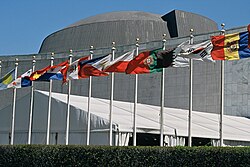
Flags of member nations at the United Nations Headquarters, pictured in 2007

安全保障理事会(Security Council)

国際平和と安全に直接的な責任を持つ機関です。5つの常任理事国(米・英・仏・中・露)と10の非常任理事国で構成され、法的拘束力を持つ決議を採択できる唯一の機関です。時には化学兵器の証拠提示など、具体的な脅威に対する審議が行われます。
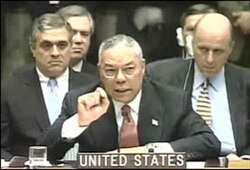
Colin Powell, the US Secretary of State, demonstrates a vial with alleged Iraq chemical weapon probes to the UN Security Council on Iraq war hearings, 5 February 2003.

事務局(Secretariat)

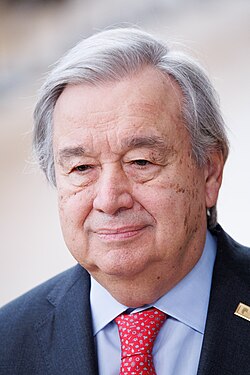
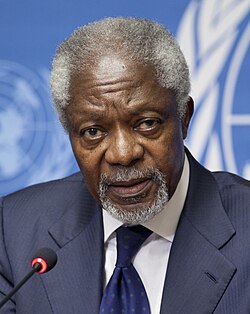
国連の行政実務を担う機関で、そのトップである事務総長は組織の象徴的なリーダーとして外交的な調整を行います。ダグ・ハマーショルドのような活動的なリーダーから、コフィ・アナン、そして現職のアントニオ・グテーレスに至るまで、時代の要請に応じた指導力が求められています。
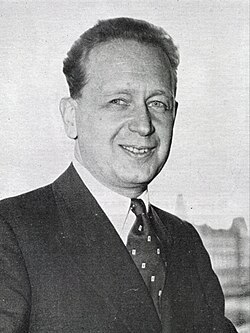
Dag Hammarskjöld was a particularly active secretary-general from 1953 until his death in 1961.
Kofi Annan, secretary-general from 1997 to 2006
António Guterres, the current secretary-general

国際司法裁判所(ICJ)

国家間の法的紛争を解決するための主要な司法機関です。例えば、コソボの独立宣言が国際法に違反していないかといった判断を下すなど、法の支配を世界に広める役割を担っています。
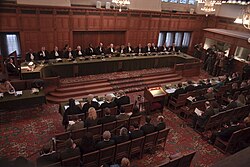
The ICJ ruled that Kosovo's unilateral declaration of independence from Serbia in 2008 did not violate international law.

専門機関と人道支援のネットワーク

国連の活動は、本部の政治的な議論だけではありません。実務的な支援を行う多くの専門機関や基金、プログラムが世界中で活動しています。

国連の主要な専門機関とプログラム
カテゴリー 主な機関(略称) 主な役割
開発・社会 UNESCO, WHO, FAO 教育・科学・文化の振興、公衆衛生の向上、食料安全保障
人道支援 UNHCR, UNICEF, WFP 難民保護、児童支援、飢餓対策と食料援助
金融・貿易 IMF, 世界銀行, WTO 国際金融の安定、開発融資、貿易ルールの策定
技術・規制 ICAO, ITU, IAEA 航空安全、電気通信、原子力利用の平和的管理

特にUNHCR(国連難民高等弁務官事務所)は、ヨルダンのザアタリ難民キャンプのように、紛争で家を追われた人々への直接的な支援を継続しています。
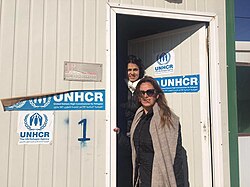
In Jordan, UNHCR remains responsible for the Syrian refugees and the Zaatari refugee camp.

また、WHO(世界保健機関)などの尽力により、1980年には天然痘の根絶という人類史上稀に見る快挙が達成されました。
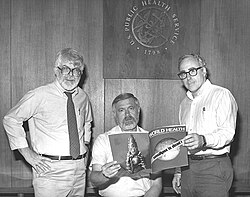
Three former directors of the Global Smallpox Eradication Programme reading the news that smallpox has been globally eradicated in 1980

平和維持と人権の守護

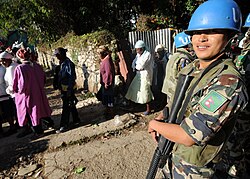
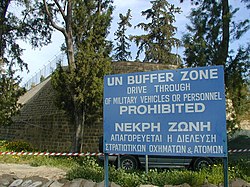
国連の最も象徴的な活動の一つが、平和維持活動(Peacekeeping)です。青いヘルメットを被った国連軍が、停戦監視や治安維持を行い、紛争の再燃を防ぎます。キプロスの緩衝地帯の管理や、ハイチでの食料配布時の警備など、世界各地で展開されています。
United Nations Peacekeeping Logo
The UN Buffer Zone in Cyprus was established in 1974 following the Turkish invasion of Cyprus.
A Nepalese soldier on a peacekeeping deployment providing security at a rice distribution site in Haiti during 2010

同時に、国連は「人間としての尊厳」を守るための基準作りにも注力してきました。1948年に採択された世界人権宣言は、エレノア・ルーズベルトらの尽力によりまとめられ、現代の人権概念の基礎となりました。
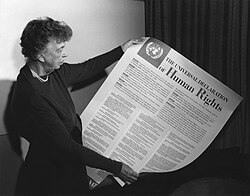
Eleanor Roosevelt with the Universal Declaration of Human Rights, 1949

さらに、極限の貧困や飢餓の撲滅、初等教育の普及、ジェンダー平等の推進などを掲げた「ミレニアム開発目標(MDGs)」などの指針を策定し、持続可能な社会の実現を目指しています。

現代の課題と評価

国連はその多大な貢献により、2001年にはノーベル平和賞を受賞しました。しかし、完璧な組織ではありません。意思決定の遅さや、一部の強大国の影響力による不公平感、組織内の腐敗といった批判も根強く存在します。
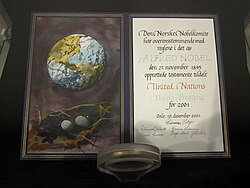
The 2001 Nobel Peace Prize to the UN—diploma in the lobby of the UN Headquarters in New York City

また、インドネシアのように過去に脱退を試みた国があることや、予算の多くをアメリカや中国などの少数の国が負担しているという構造的な課題も抱えています。

それでも、ウクライナのような紛争地で国連車両が活動し、対話の窓口であり続けることは、破滅的な衝突を避けるための最後の砦としての意味を持っています。
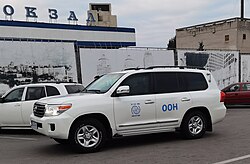
UN car in Dnipro, Ukraine

国連の70周年などの節目に世界中で祝祭が行われるのは、不完全ながらも、世界が共通のルールに基づいて共存しようとする意志の象徴だからに他なりません。
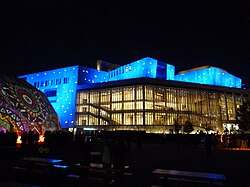
Marking of the UN's 70th anniversary – Budapest, 2015

現在の国連は、193の加盟国、2つのオブザーバー国家、そして南極条約のような特殊な枠組みを含む広大なネットワークを維持しています。
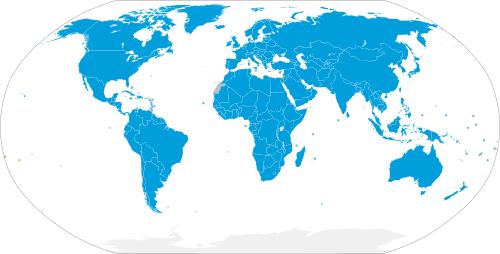
193 UN member states 2 UN Observer States (Palestine, Holy See) 2 eligible Non-Member States (Niue, Cook Islands) 17 non-self-governing territories Antarctica

かつてインドネシアが試みたような脱退の動きは稀ですが、多極化する世界の中で、国連がどのように進化し、実効性のある平和を構築できるかが問われています。
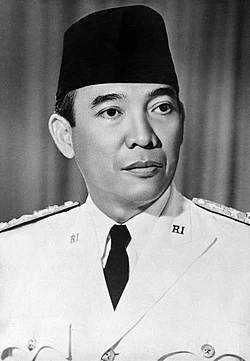
Under the leadership of Sukarno, Indonesia was the first and only country that attempted to leave the United Nations.

Frequently Asked Questions

国連は世界政府のようなものですか?

いいえ、国連は世界政府ではありません。加盟国の主権を尊重する政府間組織であり、強制力を持つ決定は主に安全保障理事会の決議に限られています。多くの活動は、加盟国の合意と協力に基づいています。

常任理事国の「拒否権」とは何ですか?

安全保障理事会の5つの常任理事国(米・英・仏・中・露)だけが持つ特別な権利です。実質的な賛成が多くても、1カ国でも拒否権を行使すれば、その決議は採択されません。これは大国間の衝突を避けるための仕組みですが、同時に決定を遅らせる要因ともなっています。

国連の予算はどのように賄われていますか?

主に加盟国からの分担金で運営されています。分担額は各国の経済力に応じて決定されており、アメリカや中国、日本などが高い割合を負担しています。

PKO(平和維持活動)と通常の軍隊は何が違うのですか?

PKOは、紛争当事者の同意に基づき、平和の維持や監視を行うために派遣されます。原則として自衛以外の武力行使は禁止されており、中立的な立場で治安維持や人道支援のサポートを行います。

国連に加盟していない国や地域はありますか?

現在、世界のほぼすべての独立国が加盟していますが、パレスチナや聖座(バチカン)のように「オブザーバー国家」として参加しているケースがあります。また、ニウエやクック諸島のように、加盟資格はあるが未加盟の地域も存在します。

References

  1. The Holy See is a with over the territory of the . For details, see .
  2. Poland had not been represented among the fifty nations at the San Francisco conference due to the reluctance of the Western superpowers to recognize its post-war communist government. However, the Charter was later amended to list Poland as a founding member, and Poland ratified the Charter on 16 October 1945.
  3. Some sources identify seventeen specialized agencies, taking into account the three specialized agencies that make up the , which is now treated as one organization: the (IBRD), the (IDA), and the (IFC).
  4. The Holy See is a with over the territory of the . For details, see .

📸 フォトギャラリー

Haile Selassie I at the League of Nations appealing Italy's 1936 invasion in which the League failed to intervene.
The UN in 1945: founding members in light blue, protectorates and territories of the founding members in dark blue (Some nations' land would be different from now.)
Dag Hammarskjöld was a particularly active secretary-general from 1953 until his death in 1961.
Kofi Annan, secretary-general from 1997 to 2006
Flags of member nations at the United Nations Headquarters, pictured in 2007
Marking of the UN's 70th anniversary – Budapest, 2015
UN car in Dnipro, Ukraine
1943 sketch by Franklin Roosevelt of the UN original three branches: The Four Policemen, an executive branch, and an international assembly of forty UN member states.
Mikhail Gorbachev, leader of the Soviet Union, addressing the UN General Assembly in December 1988
Colin Powell, the US Secretary of State, demonstrates a vial with alleged Iraq chemical weapon probes to the UN Security Council on Iraq war hearings, 5 February 2003.
António Guterres, the current secretary-general
The ICJ ruled that Kosovo's unilateral declaration of independence from Serbia in 2008 did not violate international law.
193 UN member states 2 UN Observer States (Palestine, Holy See) 2 eligible Non-Member States (Niue, Cook Islands) 17 non-self-governing territories Antarctica
Under the leadership of Sukarno, Indonesia was the first and only country that attempted to leave the United Nations.
United Nations Peacekeeping Logo
The UN Buffer Zone in Cyprus was established in 1974 following the Turkish invasion of Cyprus.
A Nepalese soldier on a peacekeeping deployment providing security at a rice distribution site in Haiti during 2010
Eleanor Roosevelt with the Universal Declaration of Human Rights, 1949
Three former directors of the Global Smallpox Eradication Programme reading the news that smallpox has been globally eradicated in 1980
In Jordan, UNHCR remains responsible for the Syrian refugees and the Zaatari refugee camp.
The 2001 Nobel Peace Prize to the UN—diploma in the lobby of the UN Headquarters in New York City