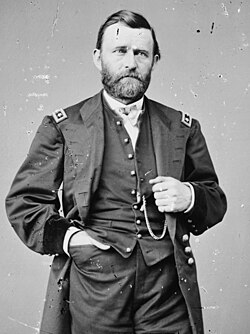
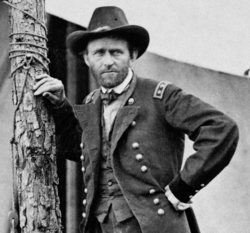
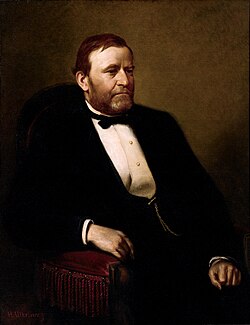
アメリカ合衆国の歴史において、軍事的な天才としての顔と、国家の再建を担った政治家としての顔を持つ人物がユリシーズ・S・グラントです。彼は南北戦争において北軍を勝利に導いた総司令官であり、その後、激動の再建時代に第18代大統領として国を率いました。
主要な事実(Key Facts)
- 軍事的功績:南北戦争で北軍を指揮し、南軍のロバート・E・リー将軍から降伏を勝ち取った。
- 政治的経歴:1869年から1877年まで、共和党から第18代アメリカ合衆国大統領を務めた。
- 最高階級:米軍史上最高位である「General of the Armies(陸軍総司令官)」に(死後)任命された。
- 後世への遺産:晩年に執筆した回想録は、文学的・歴史的に高く評価されている。
若き日の葛藤と軍歴の始まり
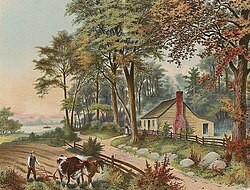
グラントはオハイオ州ポイントプレザントで生まれました。若き日の彼は、後に世界を揺るがす軍人になるとは誰も予想しなかったかもしれません。
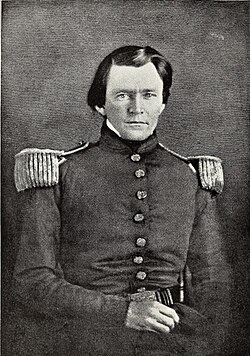
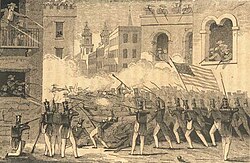
ウェストポイント(合衆国陸軍士官学校)を卒業後、彼は正規軍に配属されました。1840年代半ばにはメキシコ・アメリカ戦争に従軍し、モンテレイの戦いなどで実戦経験を積み、軍人としての基礎を築きました。
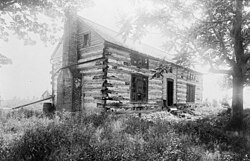
しかし、戦争後の軍生活は順調ではなく、1854年に軍を辞職します。その後は「ハードスクラブル」と呼ばれるログハウスを建てて生活するなど、苦労の多い私生活を送りました。
南北戦争:勝利への戦略的歩み
1861年に南北戦争が勃発すると、グラントは再び軍に復帰します。彼は当初、第21イリノイ歩兵連隊などを指揮し、ベルモントの戦いやフォート・ヘンリー、フォート・ドネルソンの戦いで頭角を現しました。
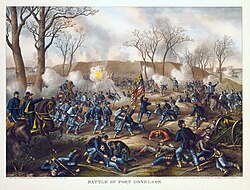
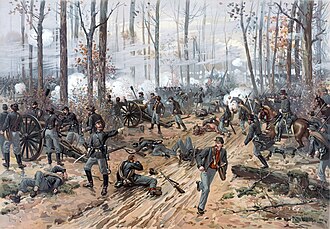
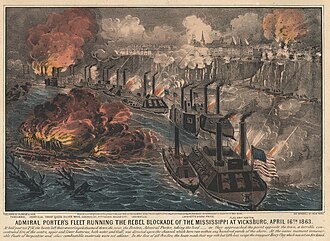
1862年のシャイローの戦いを経て、グラントは戦略的な重要拠点であるヴィックスバーグの攻略に乗り出します。ミシシッピ川の制権を握るためのこのキャンペーンは、彼の軍事的才能を証明する決定的な出来事となりました。
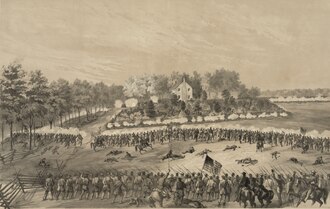
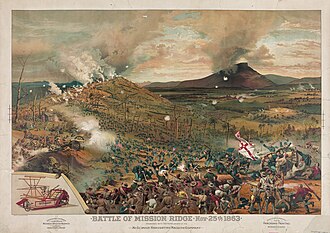
その後、チャタヌーガの戦いでの勝利により、彼はさらに昇進します。ミッショナリー・リッジでの作戦成功は、北軍に大きな転換点をもたらしました。
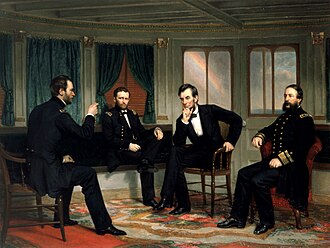
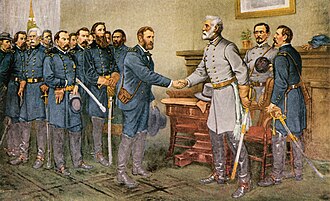
1864年、グラントは総司令官としてオーバーランド・キャンペーンを展開し、激戦が続くコールドハーバーなどで南軍を追い詰めます。その後、ピーターズバーグの包囲戦を経て、1865年4月、アポマトックス・コートハウスにて南軍のリー将軍から降伏文書を受け取り、戦争を終結させました。
第18代大統領としての挑戦と再建時代
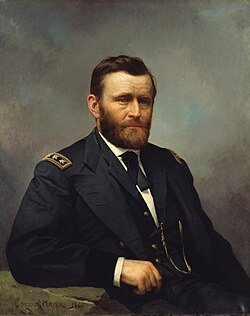
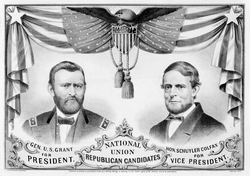
戦後の英雄となったグラントは、1868年の選挙で共和党候補として出馬し、第18代大統領に就任しました。彼の任期は、戦争で分断された国を再び統合する「再建(Reconstruction)」という困難な課題に直面した時代でした。
彼はアンドリュー・ジョンソン前大統領との対立を経て、黒人市民の権利を守るための法整備や、ク・クラックス・クラン(KKK)などの白人至上主義団体への厳格な取り締まりを推進しました。アモス・T・アカーマン司法長官を任命し、法執行を強化したことがその象徴です。
外交面では、ハミルトン・フィッシュ国務長官と共に「アラバマ請求権」問題を仲裁によって解決し、イギリスとの緊張を緩和させました。また、ドミニカ共和国の併合計画や、朝鮮半島への派遣など、国際的な視野での外交を展開しました。
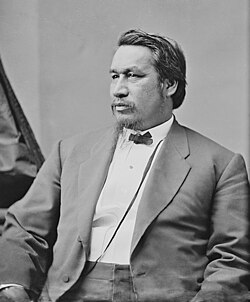
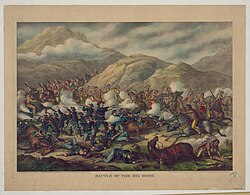
内政では、先住民に対する「平和政策」を導入し、エリー・サミュエル・パーカーを初のネイティブ・アメリカン(セネカ族)のインディアン事務局長に任命しました。しかし、リトルビッグホーンの戦いのような衝突は避けられませんでした。
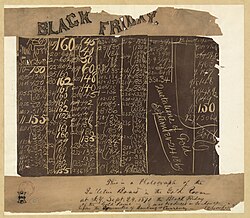
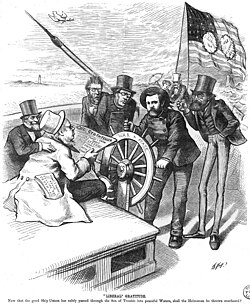
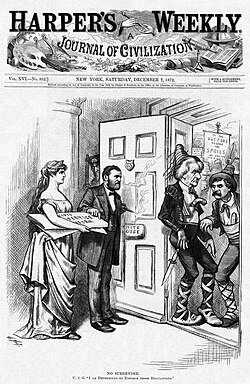
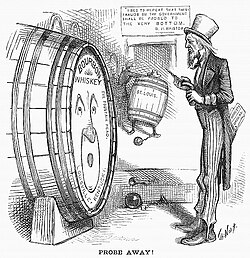
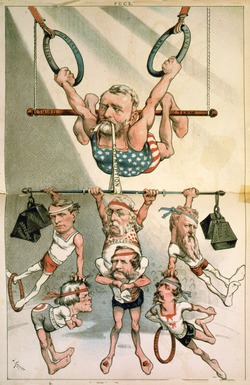
2期目の任期中には、経済的な混乱(1873年の恐慌)や、政権内部での汚職問題(ウィスキー・リング事件など)に悩まされました。それでも、彼は公務員制度の改革やインフレ抑制法への拒否権行使など、原則に基づいた政治を貫こうとしました。
晩年と不朽の回想録
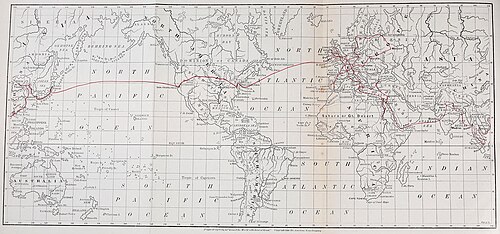
1877年に大統領を退任した後、グラントは世界一周旅行に出発し、多くの国々を訪れました。
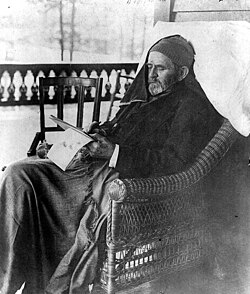
人生の最終盤、彼は深刻な病に侵されながらも、自らの人生と戦争の記録を綴った『個人の回想録(Personal Memoirs)』の執筆に心血を注ぎました。この著作は、彼の誠実さと洞察力を示す傑作として、今なお読み継がれています。
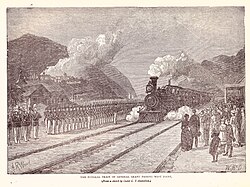
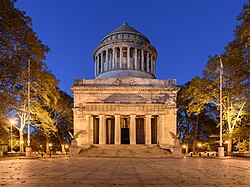
1885年に没したグラントは、ニューヨーク市に壮大なグラント墓地(Grant's Tomb)を建てられ、国民的な敬意をもって送られました。
グラントの経歴まとめ
| 期間/時期 | 役職・役割 | 主な出来事・功績 |
|---|---|---|
| 1840年代 | 米陸軍将校 | メキシコ・アメリカ戦争に従軍 |
| 1861年 - 1865年 | 北軍将軍 | ヴィックスバーグ攻略、リー将軍の降伏受領 |
| 1864年 - 1869年 | 米陸軍総司令官 | 軍の最高指揮権を掌握 |
| 1869年 - 1877年 | 第18代米大統領 | 再建時代の推進、KKKの取り締まり |
| 晩年 | 作家 | 『個人の回想録』を執筆 |
よくある質問(FAQ)
グラント将軍が南北戦争で果たした最大の役割は何ですか?
彼は北軍の総司令官として、南軍を絶え間なく圧迫する戦略を採用し、ヴィックスバーグの戦いでミシシッピ川の制権を確保したこと、そして最終的にアポマトックスで南軍の降伏を勝ち取り、戦争を終結させたことが最大の功績です。
大統領としてのグラントの評価はどうなっていますか?
再建時代における黒人市民の権利保護や、KKKへの強硬策などの人権擁護的な側面が高く評価される一方、政権内部での汚職問題が彼の政治的評価に影を落としています。
「平和政策」とはどのようなものでしたか?
先住民(ネイティブ・アメリカン)との関係を改善し、暴力的な衝突を避けて平和的な共存を目指した政策です。その一環として、先住民自身を政府の責任ある地位に任命する試みも行われました。
グラントの回想録がなぜ重要視されているのですか?
単なる個人の記録にとどまらず、南北戦争の軍事的な詳細が正確に記されており、かつ簡潔で力強い文体で書かれているため、歴史的資料としても文学的価値としても非常に高いとされています。
References
- Vice President Wilson died in office. As this was prior to the adoption of the in 1967, a vacancy in the office of vice president was not filled until the next ensuing election and inauguration.
- Pronounced
- One source states Hamer took the "S" from Simpson, Grant's mother's maiden name. According to Grant, the "S." did not stand for anything. Upon graduation from the academy he adopted the name "Ulysses S. Grant". Another version of the story states that Grant inverted his first and middle names to register at West Point as "Ulysses Hiram Grant" as he thought reporting to the academy with a trunk that carried the initials H.U.G. would subject him to teasing and ridicule. Upon finding that Hamer had nominated him as "Ulysses S. Grant," Grant decided to keep the name so that he could avoid the "hug" monogram; and it was easier to keep the wrong name than to try changing school records.
- At the time, class ranking largely determined branch assignments. Those at the top of the class were usually assigned to the Engineers, followed by Artillery, Cavalry, and Infantry.
- Several scholars, including and , state that Longstreet was Grant's best man and the two other officers were Grant's groomsmen. All three went on to serve in the Confederate Army and surrendered to Grant at Appomattox.
- said that Grant left the army simply because he was "profoundly depressed" and that the evidence as to how much and how often Grant drank remains elusive. Jean Edward Smith maintains Grant's resignation was too sudden to be a calculated decision. Buchanan never mentioned it again until asked about it during the Civil War. The effects and extent of Grant's drinking on his military and public career are debated by historians. Lyle Dorsett said Grant was an "alcoholic" but functioned amazingly well. William Farina maintains Grant's devotion to family kept him from drinking to excess and sinking into debt.
- The April 6 fighting had been costly, with thousands of casualties. That evening, heavy rain set in. Sherman found Grant standing alone under a tree in the rain. "Well, Grant, we've had the devil's own day of it, haven't we?" Sherman said. "Yes," replied Grant. "Lick 'em tomorrow, though."
- Smuggling of cotton was rampant, while the price of cotton skyrocketed. Grant believed the smuggling funded the Confederacy and provided them with military intelligence.
- In 2012, historian said: "Gen. Ulysses S. Grant issued the most notorious anti-Jewish official order in American history." Grant made amends with the Jewish community during his presidency, appointing them to various federal positions. In 2017, biographer Ron Chernow said of Grant: "As we shall see, Grant as president atoned for his action in a multitude of meaningful ways. He was never a bigoted, hate-filled man and was haunted by his terrible action for the rest of his days."
- Attending Lincoln's funeral on April 19, Grant stood alone and wept openly; he later said Lincoln was "the greatest man I have ever known".
📸 フォトギャラリー