私たちが毎日何気なく使用している歯磨き粉(デンティフリス)は、単に口の中を爽やかにするだけでなく、歯の美しさを保ち、口腔衛生を維持するための重要なツールです。研磨剤によって歯垢や食べかすを取り除き、口臭を抑えるとともに、有効成分を歯に届ける役割を果たしています。
特に現代の口腔ケアにおいて欠かせないのが、虫歯(う蝕)や歯周病(歯肉炎)を防ぐための成分です。20世紀に入り、世界的に虫歯が減少した大きな要因の一つとして、フッ化物配合の歯磨き粉の普及が挙げられています。
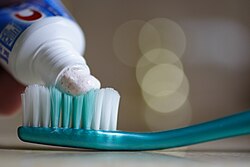
Key Facts
- 主目的: 研磨作用による歯垢除去、口臭抑制、および有効成分(主にフッ化物)の供給。
- フッ化物の効果: 濃度が高くなるほど虫歯予防効果が増し、1,000ppm以上が有効とされる。
- 成分の多様性: 研磨剤、界面活性剤、抗菌剤、香味剤など、目的別に多様な成分が配合されている。
- 安全性: 通常の使用では安全だが、大量に飲み込むと中毒の危険があるため、特に幼児の使用量には注意が必要。
歯磨き粉の進化と歴史
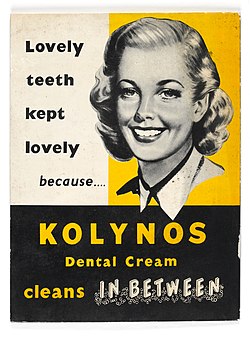
初期の歯磨き剤は粉末状の「歯磨き粉(Tooth powder)」が主流でしたが、その後、使い勝手の良いペースト状へと進化しました。現代的なフッ化物配合の歯磨き粉の歴史は、1890年代にドイツのカール・F・トエルナー社が販売した「Tanagra」にまで遡ります。
アメリカでは、1930年代にロイ・クロスが同様の発明を行いましたが、当初はアメリカ歯科医師会(ADA)から批判を受けました。しかし、1950年代に入るとフッ化物配合製品がADAの承認を得るようになります。特にプロクター・アンド・ギャンブル(P&G)社は、1940年代から研究を開始し、1955年に臨床的に証明されたフッ化物配合の「Crest」を発売。1960年にはADAがその有効性を正式に報告しました。
主要成分とその役割
歯磨き粉の性能は、その組成と有効成分の濃度によって決まります。代表的な成分とその機能について解説します。
フッ化物(Fluorides)
虫歯予防の核心となる成分です。米国では1,000〜1,100ppm、欧州(英国やギリシャなど)では1,450ppm程度の濃度が一般的です。2019年のコクランレビューによれば、1,000ppm未満では予防効果が低く、濃度が高まるほど効果が増すことが示されています。また、高齢者の根面う蝕予防には、5,000ppmという高濃度製品が有効であるという臨床試験の結果もあります。
抗菌剤とその他の成分
歯肉炎の抑制や歯石の減少、口臭対策として抗菌剤が配合されることがあります。例えば、英国で一般的だったトリクロサンは、歯垢や歯肉炎の減少に寄与することが研究で示されていました。しかし、近年では人体への蓄積や神経毒性の懸念から、多くの主要製品から除外される傾向にあります。
このほか、甘味や清涼感を与える香味剤、歯の再石灰化を促す再石灰化剤、虫歯菌の活動を抑えるキシリトールなどが配合されています。
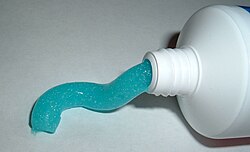
製品の形態とデザインの工夫
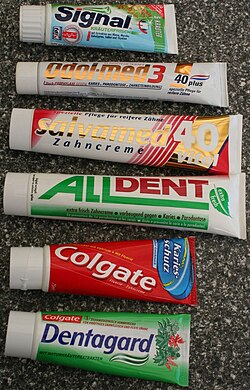
市場には多種多様なブランドの製品が並んでおり、ユーザーの好みに合わせた色や形状が提供されています。
ストライプ状の歯磨き粉
見た目に彩りを添えるストライプ状の歯磨き粉は、1955年にレオナード・マラフィノによって発明されました。その後、ユニリーバ社が「Stripe」ブランドとして展開し、1965年には欧州で「Signal」ブランドが登場しました。
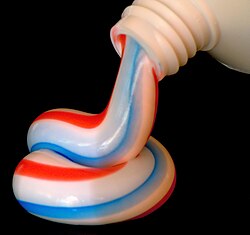
技術的な仕組みとしては、大きく分けて2つの方式があります。一つは、複数の室に分かれたチューブから層状に押し出す「レイヤード方式」です。もう一つは、2016年にコルゲート・パルモリーブ社が特許を取得した方式で、室を分けず、成分の流動性(レオロジー)を調整することで、チューブを絞った際に自然にストライプ状に混ざりながら出てくる仕組みです。

安全性と使用上の注意
フッ化物は適切に使用すれば非常に安全であり、全年齢層での使用が推奨されています。ただし、12ヶ月未満の乳幼児が過剰に摂取すると、歯の表面に白い斑点が出る「歯フッ素症」のリスクがあるため、3歳まではごく少量(薄く塗る程度)の使用に留めることが推奨されています。
また、成分によっては稀にアレルギー反応や、大量摂取による吐き気・嘔吐を引き起こす可能性があるため、適切な使用量を守ることが重要です。
成分まとめ表
| 成分カテゴリー | 主な役割 | 具体例・特徴 |
|---|---|---|
| フッ化物 | 虫歯予防・再石灰化 | 1,000〜1,450ppmが一般的。高濃度は根面う蝕に有効。 |
| 研磨剤 | 汚れ・歯垢の物理的除去 | 歯の表面を磨き、汚れを落とす。 |
| 抗菌剤 | 歯肉炎・口臭の抑制 | トリクロサン(近年は減少傾向)、塩化亜鉛など。 |
| 界面活性剤 | 泡立ちの促進・洗浄補助 | 成分を分散させ、汚れを浮かす。 |
| 甘味料・香味剤 | 使用感の向上・口臭ケア | キシリトール、ミント香など。 |
Frequently Asked Questions
フッ素濃度は高ければ高いほど良いのでしょうか?
一般的に、濃度が高くなるほど虫歯予防効果は向上します。通常は1,000ppm以上が有効とされますが、高齢者の根面う蝕など特定のケースでは5,000ppmの高濃度製品が推奨されることもあります。ただし、年齢や状態に合わせた適切な選択が必要です。
子供に歯磨き粉を使わせる際の注意点はありますか?
フッ化物配合の歯磨き粉は全年齢で推奨されていますが、使用量に注意してください。特に3歳まではごく少量(薄く塗る程度)にし、1歳未満の乳幼児が大量に飲み込むと歯フッ素症のリスクがあるため、管理が必要です。
ストライプ状の歯磨き粉は効果が違うのでしょうか?
ストライプのデザインは主に視覚的な工夫であり、基本的には成分の流動性を調整して色を分けているだけです。特別な機能的な違いがあるわけではなく、通常の歯磨き粉と同様に利用できます。
トリクロサン配合の歯磨き粉は安全ですか?
トリクロサンは歯垢や歯肉炎の減少に効果があることが示されていましたが、人体への蓄積や潜在的な神経毒性への懸念から、最近の多くの製品では配合されなくなっています。
歯磨き粉を飲み込んでしまった場合はどうなりますか?
少量の摂取であれば通常は問題ありませんが、大量に飲み込んだ場合は中毒症状(吐き気や嘔吐など)が現れる可能性があります。特に子供が大量に摂取した場合は注意が必要です。
References
- (April 15, 2010). "Toothpastes" (published February 11, 2026). Archived from the original on May 4, 2024.
- Marthaler TM (2004). "Changes in dental caries 1953–2003". Caries Research. 38 (3): 173–81. :10.1159/000077752. 15153686. 2229005.
- Twetman S, Petersson L, Axelsson S, Dahlgren H, Holm AK, Källestål C, Lagerlöf F, Lingström P, Mejàre I, Nordenram G, Norlund A, Söder B (August 2004). "Caries-preventive effect of sodium fluoride mouthrinses: a systematic review of controlled clinical trials". Acta Odontologica Scandinavica. 62 (4): 223–30. :10.1080/00016350410001658. 1234655546. 15513419. 33330873.
- "Toothpaste overdose". National Library of Medicine. National Institutes of Health.
- The History of Toothpaste and Toothbrushes. Bbc.co.uk. Retrieved on April 4, 2013.
- Lebling RW (July–August 2003). "Flight of the Blackbird". : 24–33. Retrieved January 28, 2008.
- Toby S (2009). Japanese fashion: a cultural history (English ed.). Oxford: Berg. . 719377495.
- DeMatteis, Bob (February 2004). From Patent to Profit: Secrets & Strategies for the Successful Inventor. Square One Publishers, Inc. .
- Segrave K (January 27, 2010). America Brushes Up: The Use and Marketing of Toothpaste and Toothbrushes in the Twentieth Century. McFarland. p. 35. .
- Segrave, Kerry (November 29, 2014). America Brushes Up: The Use and Marketing of Toothpaste and Toothbrushes in the Twentieth Century. McFarland. p. 35. .
📸 フォトギャラリー