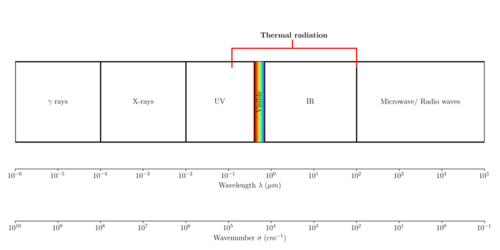
私たちの身の回りにあるあらゆる物質は、絶対零度(-273.15℃)を超えている限り、目に見えないエネルギーを放出しています。これが熱放射と呼ばれる現象です。物質内部の粒子が熱的に運動することで、電子や分子、格子の振動が組み合わさり、電磁波としてエネルギーが外部へ放出されます。
このエネルギー伝達は、熱伝導や対流と並ぶ熱移動の基本メカニズムの一つです。例えば、太陽から地球へ熱が届く主因はこの熱放射であり、大気による吸収や散乱を経て地表に到達します。空が青く見えるのは、この過程で光が散乱されるためです。
Key Facts
- 全物質が放射体: 絶対零度以上の温度を持つすべての物質は熱放射を行います。
- 温度と波長の関係: 温度が上がると放射される電磁波の周波数が高くなり、波長は短くなります。
- 可視光への変化: 約525℃(977°F)を超えると、放射エネルギーの一部が可視光領域に入り、物質が光り始めます(白熱現象)。
- エネルギー量: 放出される全エネルギー量は、絶対温度の4乗に比例して急激に増加します。
熱放射の物理的特性と法則
熱放射の挙動を理解するためには、理想的な放射体である黒体(すべての波長の電磁波を完全に吸収し、放射する仮想的な物体)の概念が重要です。
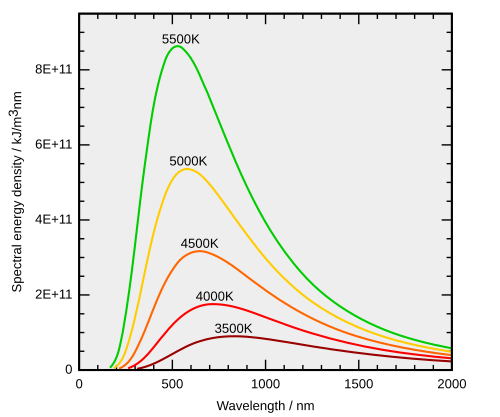
温度による色の変化(ウィーンの変位則)
物質の温度が上昇すると、最も強く放射される波長(ピーク波長)が短くなります。これをウィーンの変位則と呼びます。室温程度の物体は主に赤外線を放射していますが、温度が上がると赤色、オレンジ色、そして最終的には白色に見えるようになります。これを白熱と呼びます。ただし、2000Kという高温の状態であっても、放射エネルギーの99%は依然として赤外線領域にあります。
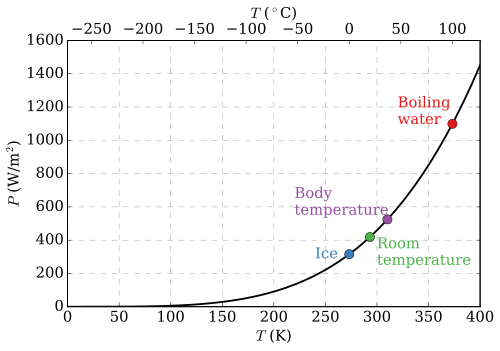
放射強度の急増(ステファン・ボルツマンの法則)
黒体が放出する全エネルギー量は、絶対温度の4乗に比例します。例えば、絶対温度が2倍になると、単位面積あたりの放射パワーは16倍に跳ね上がります。白熱電球のフィラメント(約3000K)は、室温(約300K)の物体に比べて1万倍ものエネルギーを放射しています。
量子論の導入(プランクの法則)
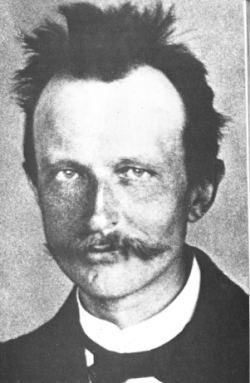
1900年、マックス・プランクはエネルギーが連続的ではなく、量子と呼ばれる不連続な単位で放出されるという理論を提唱しました。これにより、温度と周波数の関係を正確に記述するプランクの法則が確立され、現代の量子力学の基礎となりました。
電磁波としての性質と相互作用
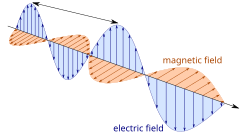
熱放射は、電界と磁界が互いに直交しながら伝播する電磁波の一種です。物質の表面特性によって、この放射の出やすさ(放射率)や反射率が異なります。
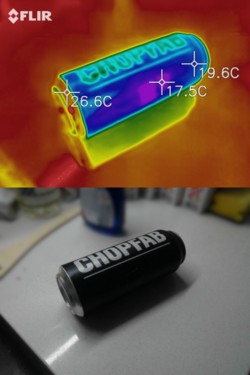
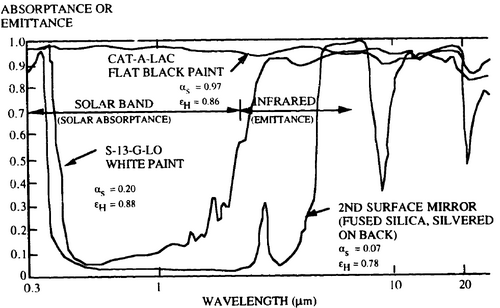
例えば、鏡のような表面は放射率が低く、熱をあまり出しませんが、黒い表面は効率的に放射を行います。この特性は、赤外線カメラ(サーモグラフィ)で温度を測定する際に重要となります。同じ温度であっても、物質の放射率が異なれば、カメラに映る温度(見かけの温度)が変わるためです。

地球環境と人体への影響
温室効果のメカニズム
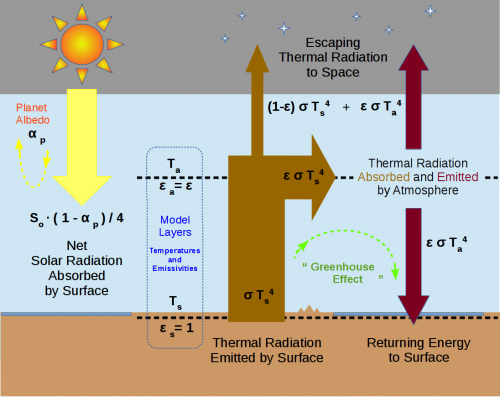
地球の気候安定性は、大気の「波長選択的な透過性」によって維持されています。太陽からの可視光は大気を透過して地表に届きますが、地表が放射する赤外線は多くが大気中のガスに吸収され、再び地表へ放射されます。これが温室効果であり、このバランスが崩れることで地球温暖化が進行します。
人体の熱調節と安全性
人間もまた、皮膚から赤外線を放射することで体温を調節しています。皮膚の放射率はほぼ1.0に近く、室温環境下では放射によってかなりのエネルギーを失いますが、同時に周囲の壁などから放射熱を吸収してバランスを保っています。
また、高強度の熱放射は火傷の原因となります。例えば、16kW/m²程度の放射束に5秒間さらされると、人体には激痛が走り、二度火傷(水疱)が生じます。一方で、太陽光による日焼けは熱的な火傷ではなく、紫外線による細胞損傷です。
熱放射の主要定数と変数まとめ
熱放射の計算に用いられる主要な物理定数と変数を以下にまとめます。
| 記号 | 名称 | SI単位系での値 / 定義 |
|---|---|---|
| h | プランク定数 | 6.626 069 3(11) × 10⁻³⁴ J·s |
| σ | ステファン・ボルツマン定数 | 5.670 373 (21) × 10⁻⁸ W·m⁻²·K⁻⁴ |
| b | ウィーンの変位定数 | 2.897 768 5(51) × 10⁻³ m·K |
| kB | ボルツマン定数 | 1.380 650 5(24) × 10⁻²³ J·K |
| T | 絶対温度 | ケルビン [K](例:地球表面平均 288 K) |
| c | 光速 | 299,792,458 m/s |
Frequently Asked Questions
なぜ熱い鉄は赤く光るのですか?
物質の温度が上がると、放射される電磁波のピーク波長が短くなります。約525℃(ドレイパー点)を超えると、放射エネルギーの一部が人間の目に見える可視光(特に波長の長い赤色)の領域に達するため、赤く光って見えます。
赤外線カメラで温度が正しく測れないことがあるのはなぜですか?
赤外線カメラは物体が放出する放射エネルギーを検知していますが、物体によって「放射率(エネルギーの出しやすさ)」が異なるためです。例えば、鏡のように反射率が高い物体は、自身の温度ではなく周囲の温度を反射して映し出すため、正確な温度測定には放射率の補正が必要です。
温室効果と熱放射はどう関係していますか?
地球は大気から可視光(太陽光)を通しますが、地表から放射される波長の長い赤外線は、大気中のガスに吸収されやすい性質を持っています。吸収されたエネルギーが再び地表へ放射されることで、熱が閉じ込められるため、温室効果が発生します。
絶対零度になれば熱放射は完全に止まりますか?
はい。熱放射は物質内部の粒子の熱運動によって発生するため、理論上の最低温度である絶対零度(0 K)では粒子の熱運動が停止し、熱放射は行われなくなります。
References
- Howell, John R.; Mengüç, M. Pinar; Siegel, Robert (2016). Thermal radiation heat transfer (6th ed.). ; London; New York: , Group. .
- Meseguer, José. (2012). Spacecraft thermal control. Isabel Pérez-Grande, Angel Sanz-Andrés. Cambridge: Woodhead Pub. . 903167592.
- Planck, M., The Theory of Heat Radiation Archived 6 October 2024 at the , P Blakiston's Son & Co., New York, 1914.
- Huang, Kerson (1987). Statistical mechanics (2nd ed.). New York: Wiley. .
- S. Blundell, K. Blundell (2006). Concepts in Thermal Physics. Oxford University Press. p. 247. .
- Putley, E.H. (1982). "History of infrared detection—part I. The first detectors of thermal radiation". Infrared Physics. 22 (3): 125–131. :1982InfPh..22..125P. :10.1016/0020-0891(82)90030-6. Archived from the original on 6 October 2024. Retrieved 29 February 2024.
- Cohen, I. B. (1943). Franklin’s Experiments on Heat Absorption as a Function of Color Archived 25 September 2024 at the . Isis, 34(5), 404–407.
- Brown, Sanborn C. (1967), "The Caloric Theory", Men of Physics: Benjamin Thompson – Count Rumford, Elsevier, pp. 16–24, :10.1016/b978-0-08-012179-6.50008-3, , archived from the original on 6 October 2024, retrieved 3 December 2021
- (1960). The Edge of Objectivity: An Essay in the History of Scientific Ideas. Princeton University Press. pp. 408–9. .
{{}}: ISBN / Date incompatibility () - Lemons, Don S.; Shanahan, William R.; Buchholtz, Louis J. (20 September 2022). On the Trail of Blackbody Radiation: Max Planck and the Physics of his Era. MIT Press. . Archived from the original on 6 October 2024. Retrieved 29 February 2024.
📸 フォトギャラリー