1915年に公開された『国民の誕生』(原題: The Birth of a Nation)は、映画というメディアの可能性を飛躍的に広げた金字塔であると同時に、極めて深刻な人種差別を助長した問題作として知られています。D.W.グリフィスが監督・製作・編集を手掛けたこの作品は、当時のアメリカ社会に激震を走らせ、芸術的評価と倫理的非難という相反する評価を今なお受け続けています。
Key Facts
- 監督・製作: D.W.グリフィスによる映画技法の革新。
- 公開年: 1915年2月8日(米国)。
- 興行収入: 推定5,000万ドルから1億ドルに達する歴史的大ヒット。
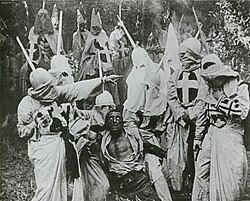
- 論争の核心: クー・クラックス・クラン(KKK)を正義の組織として描き、黒人を差別的に描写した点。
- 技術的貢献: 編集や撮影における近代的な映画手法の確立。
物語の構成と歴史的背景
本作は大きく分けて2つのパートで構成されています。前半ではアメリカ南北戦争の激動を描き、後半では戦後の再建期(リコンストラクション)における社会的な混乱と対立に焦点を当てています。物語は、南北の対立に巻き込まれる家族の運命を通じて、当時の南部白人側の視点から「国家の再誕生」を正当化しようと試みました。
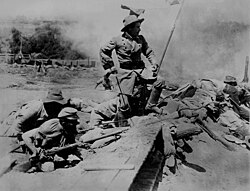
劇中では、ベン・キャメロン大佐率いるピーターズバーグ包囲戦などの大規模な戦闘シーンが描かれ、視覚的な迫力で観客を圧倒しました。
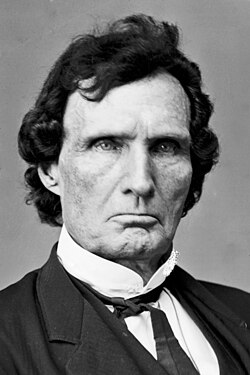
また、物語の重要な役割を担う政治家ストーンマン議員のキャラクターは、実在した急進的な共和党員サディアス・スティーブンスの影響を受けているとされています。
制作の舞台裏と表現手法
グリフィスは、この作品を通じて映画を単なる見世物から「芸術」へと昇華させようとしました。撮影監督ビリー・ビッツァーと共に、ダイナミックなカメラワークや緻密な編集を導入し、物語の緊張感を高める演出を追求しました。

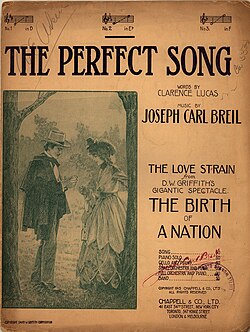
音楽面ではジョセフ・カール・ブライルが担当し、「The Perfect Song」などのテーマ曲が作品の世界観を補完しました。当時のサイレント映画としては異例の規模で制作され、予算は10万ドルを超えていました。
しかし、その表現手法には極めて問題のある点が含まれていました。黒人役の多くを白人俳優が黒塗りの化粧(ブラックフェイス)で演じており、ステレオタイプで悪意ある描写が繰り返されました。
社会的な反響と激しい論争
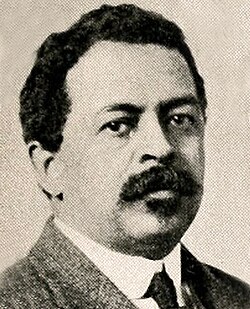
公開後、本作は空前の商業的成功を収めましたが、同時に激しい抗議運動を巻き起こしました。特に黒人差別的な内容が、現実世界でのKKKへの支持や反黒人暴力を誘発したと指摘されています。活動家のウィリアム・モンロー・トロッターらは、映画の上映に反対するデモを行い、それが暴動に発展したケースもありました。
劇中の特定のシーン、例えばフローラが森へ逃げ込み、黒人のガスに追われる場面では、あまりの緊張感に観客がスクリーンに向けて銃を撃つという異常な反応が起きたという記録も残っています。
![The scene where Flora flees into the forest (pictured) pursued by the black character Gus moved a viewer to fire shots at the screen to help her.[113]](/images/4c/45/4c4546dc2c284437619b6703c1835e0ee04b7330add0fb95b4ebb1bcd3e2a97e.jpg)
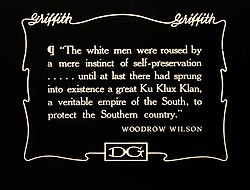
また、当時の政治的影響力も大きく、ウッドロウ・ウィルソン大統領の著書からの引用が字幕に盛り込まれるなど、権力層へのアプローチも見られました。
後世への影響と評価
映画史的な視点で見れば、本作はクロスカッティングやクローズアップなどの技法を洗練させ、後の映画製作に決定的な影響を与えました。しかし、その内容は「悪を説く偉大な映画」と評されるほど、道徳的に破綻しています。
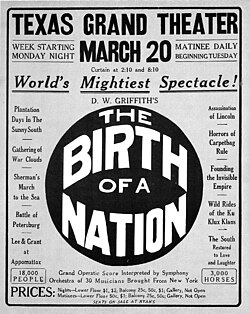
当時のプロモーションポスターや広告は、全米各地で大々的に展開され、映画というメディアが持つプロパガンダとしての恐ろしさを世に知らしめることとなりました。
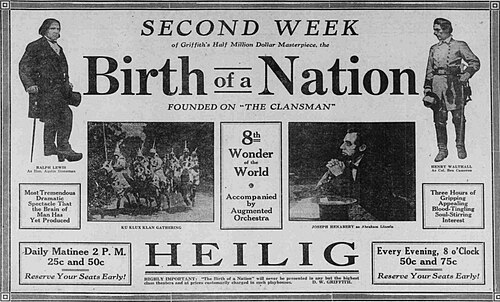
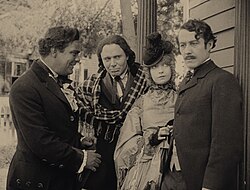
出演者のリリアン・ギッシュやヘンリー・B・ウォルソールらの演技は高く評価されましたが、作品全体の思想的な歪みは消えることがありません。
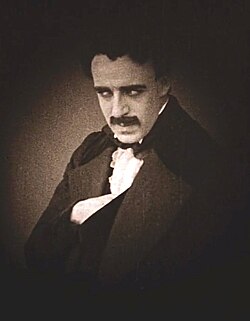
ジョン・ウィルクス・ブース役を演じたラウル・ウォルシュなど、後の映画界で名を馳せる人物が関わっていたことも特筆すべき点です。
作品概要まとめ
| 項目 | 詳細 |
|---|---|
| 監督・脚本・編集 | D.W.グリフィス(脚本はフランク・E・ウッズと共作) |
| 公開日 | 1915年2月8日 |
| 上映時間 | 約133分〜193分(投影速度により変動) |
| 予算 / 興行収入 | 10万ドル以上 / 5,000万〜1億ドル |
| 主な出演者 | リリアン・ギッシュ、メイ・マーシュ、ヘンリー・B・ウォルソール |
Frequently Asked Questions
なぜこの映画は「映画史上の傑作」と言われるのですか?
物語の構成、編集技法、大規模なセットでの撮影など、現代映画の基礎となる視覚的言語を確立したためです。芸術的な形式面での革新性が高く評価されています。
なぜこれほどまでに激しく批判されているのですか?
白人至上主義を肯定し、KKKを救世主のように描き、黒人を野蛮で危険な存在として歪めて描写したためです。これが現実の人種差別や暴力を正当化する道具となったことが最大の理由です。
タイトルは最初から『国民の誕生』だったのでしょうか?
いいえ。当初は『The Clansmen(クランズマン)』というタイトルでしたが、試写を見た人物の提案により、より壮大な印象を与える『The Birth of a Nation』に変更されました。
現代においてこの映画をどう見るべきでしょうか?
単なる娯楽作品としてではなく、映画が持つ強力な影響力と、それが誤った思想と結びついた時の危険性を学ぶための歴史的資料として分析されるべき作品です。
References
- Runtime depends on projection speed ranging 16 to 24 frames per second
📸 フォトギャラリー