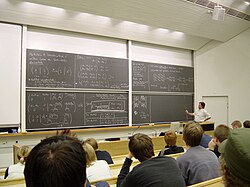
現代社会において、中等教育(高校など)を終えた後に進む教育段階は、個人のキャリア形成や経済的な自立において極めて重要な役割を果たしています。一般的に高等教育、あるいはTertiary Educationと呼ばれるこの段階は、単なる大学進学だけではなく、専門的なスキルを習得するための職業訓練や、社会人になってからの学び直しまでを含む幅広い概念です。
世界銀行の定義によれば、ここには大学、カレッジ、そして職業学校が含まれます。また、UNESCOは、このレベルの教育が特定の専門分野における深い学習に焦点を当てていることを強調しています。テクノロジーの進化に伴い、労働市場で競争力を維持するためには、こうした高度な教育の重要性がさらに増していると分析されています。
Key Facts
- 定義の広さ: 大学での学術的な学位取得だけでなく、職業的な専門教育(Further Education)も含まれる。
- 世界的な傾向: 2000年から2017年にかけて、世界的な就学率は19%から38%へと大幅に上昇した。
- 経済的メリット: OECDの報告では、高等教育を受けた人は、中央値の労働者よりも2倍の収入を得る傾向がある。
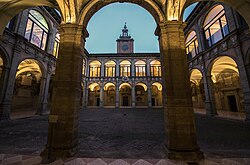
- 歴史的背景: イタリアのボローニャ大学(1088年創立)は、継続的に運営されている世界最古の大学として知られる。
高等教育の体系と分類
高等教育のレベルを世界的に統一して把握するため、「国際標準教育分類(ISCED)」という枠組みが用いられています。2011年の改訂版では、教育レベルがより詳細に区分されました。
学術的な学位課程(Higher Education)
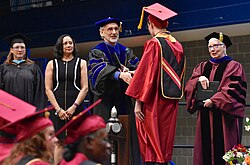
一般的に「高等教育」と呼ばれるカテゴリーで、ISCEDレベル6から8に該当します。これには、学士課程(Undergraduate)、修士課程、そして博士課程が含まれます。これらの課程を修了することで、学術的な学位が授与されます。
非学位課程と職業教育(Further/Continuing Education)
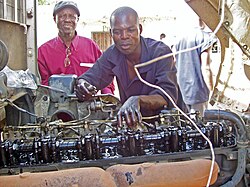
学位を目的としない高等教育は、イギリスでは「Further Education」、アメリカでは「Continuing Education(継続教育)」と呼ばれます。これらはISCEDレベル4および5に分類され、より実践的なスキル習得や専門資格の取得を目的としています。
世界各地の教育機関と歴史
高等教育の形態は国や地域によって異なりますが、特にヨーロッパ、アジア、北米で独自の発展を遂げてきました。
ヨーロッパの伝統と多様性
イタリアは世界最古の大学文化を持つ国の一つです。1088年に設立されたボローニャ大学のほか、世界最古の国立大学であるナポリ・フェデリコ2世大学(1224年創立)などが存在します。また、現代ではミラノ工科大学のような研究に強い機関や、ビジネス教育で世界的に評価の高いボッコーニ大学など、多様な教育機関が共存しています。
![Established in 1224 by Frederick II, Holy Roman Emperor, University of Naples Federico II in Italy is the world's oldest state-funded university in continuous operation.[6][7]](/images/6c/42/6c427d0f497a52230caab4573f4bd66aa5da15376c5526597ebeb3bc8393d9b3.jpg)
![Alma Mater by Daniel Chester French, Columbia University. The alma mater, meaning "nourishing mother" in Latin, is one of the most enduring symbols of the university. The phrase was first used[citation needed] to describe the University of Bologna, Italy, founded in 1088.](/images/e0/09/e009a3a0f9e6c599de76bf4f82c8a2447bda8d55882c4fa234f11194f3e64193.jpg)
![Sapienza University of Rome. Founded in 1303, it is one of the world's oldest universities,[56] and with 122,000 students the largest university in Europe.[57]](/images/90/6c/906ce9ac30bb74017926bdf354a8934a044ccc7dd47a1f24d276e1c2f67734c4.jpg)
![The Polytechnic University of Milan is the city's oldest university, founded in 1863. It is the best university in Italy.[61]](/images/8f/02/8f0251b6df02b7d3e473704bf2855b2a0046937dc5a5ba5dced90300fb8ec86d.jpg)
![Università Cattolica del Sacro Cuore, an Italian private research university founded in 1921. Its main campus is located in Milan, Italy, with satellite campuses in Brescia, Piacenza, Cremona and Rome. Degrees are offered both in Italian and in English.[62]](/images/c7/bb/c7bbac1603a33eb0b4e27e620b0e833a756c17391269df557c0bb3522b178c91.jpg)
その他の地域における展開
イギリスでは、権限委譲(Devolution)によりイングランド、ウェールズ、北アイルランド、スコットランドで個別に教育管理が行われています。また、アジア圏では東京大学(日本)、香港中文大学(香港)、シンガポール国立大学(シンガポール)などの研究大学が地域の知的拠点として機能しています。アフリカではナイジェリアのネケデ連邦ポリテクニックのように、技術教育に特化した機関が重要な役割を担っています。
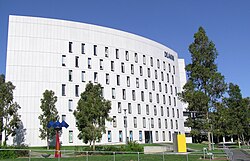
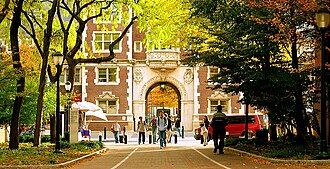

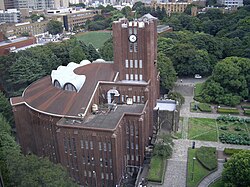
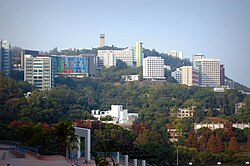
統計から見る高等教育の現状
高等教育への投資や学位取得率は、国の経済状況と密接に関係しています。高所得国では就学率が飽和状態に近づく一方で、低所得国では依然として成長の余地があります。
| 国名 | GDP比教育支出 (2020) | 高等教育修了率 (25-64歳) | 学士号以上取得率 |
|---|---|---|---|
| アメリカ合衆国 | 2.5% | 50.0% | 39.4% |
| カナダ | 2.4% | 62.7% | - |
| 日本 | 1.4% | 56.1% | - |
| オーストラリア | 1.9% | 51.5% | 39.4% |
| ドイツ | 1.3% | 32.5% | 31.9% |
| イタリア | 1.0% | 20.3% | 20.2% |
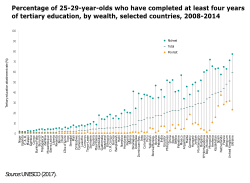
また、所得層による教育格差も顕著であり、富裕層ほど高等教育を完了する割合が高い傾向にあります。
![Canada by province and territory, showing the percentage of the population aged 25 to 64 who had a bachelor's degree or higher, and the percentage point change from 2016 to 2021[76]](/images/46/5c/465c970005c79c960f36413d7cf81f642513e908e107f9897a8f01af6352401d.png)
Frequently Asked Questions
「高等教育」と「Tertiary Education」に違いはありますか?
厳密には、Tertiary Education(第三次教育)は、大学などの学術的な「高等教育(Higher Education)」と、専門学校などの「職業教育・継続教育(Further/Continuing Education)」の両方を包含する広い概念です。
ISCEDとは何ですか?
International Standard Classification of Education(国際標準教育分類)の略で、世界各国の異なる教育制度を比較可能にするためにUNESCOが策定した共通の分類基準です。
高等教育を受けることでどのようなメリットがありますか?
OECDのデータによれば、高等教育を受けた個人は、そうでない労働者に比べて平均して約2倍の収入を得る傾向があり、労働市場での競争力が向上します。
世界で最も古い大学はどこですか?
イタリアのボローニャ大学です。1088年に創立され、現在まで継続して運営されている世界最古の大学とされています。
職業教育は学位課程に含まれますか?
いいえ、一般的に職業教育(Further Education)は非学位課程として分類されますが、ISCEDの枠組みでは高等教育の段階(レベル4〜5)の一部として位置づけられています。
References
- For example, Higher Education: General and Technical, a 1933 pamphlet by , which is actually about secondary education and uses the two terms interchangeably.
📸 フォトギャラリー