現代のイラク中南部、ティグリス川とユーフラテス川が流れる肥沃な三日月地帯に、人類史上最古の文明の一つであるシュメール文明が花開きました。紀元前5千年紀から4千年紀にかけて形成されたこの文明は、高度な灌漑農業によって食料の余剰を生み出し、それが世界初の都市形成と複雑な社会構造の構築を可能にしました。
シュメールの人々は、湿地帯や河川沿いの環境に適応し、大規模な都市国家を築き上げました。彼らが発明した文字や数学、天文学などの知的遺産は、その後のメソポタミア文明のみならず、人類全体の文化的な基盤となったと言われています。
Key Facts
- 成立時期: 紀元前3300年頃から紀元前1900年頃まで繁栄。
- 地理的拠点: 南メソポタミア(現在のイラク南部)。
- 主要な発明: 楔形文字(くさびがたもじ)という世界最古の文字体系。
- 社会構造: 神殿を中心とした階層的な都市国家体制。
- 経済基盤: 灌漑農業による穀物生産と、インダス文明などへの広範な遠距離貿易。
文明の黎明と都市の発展
シュメール文明のルーツは、紀元前6500年頃から始まるウバイド期にまで遡ります。その後、紀元前4100年頃からのウルク期に入ると、人口1万人を超える大規模な都市が次々と誕生しました。これらの都市は神殿を中心に組織され、専門職を持つ労働者や中央管理組織が機能する高度な社会を実現していました。
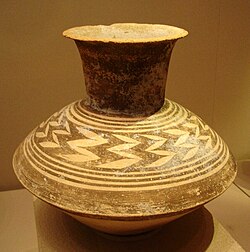
当時の都市開発には、山岳地帯から連れてこられた奴隷労働力が投入されていたことが初期の記録から示唆されています。また、ウルク文明の影響は広範囲に及び、トルコのタウルス山脈から地中海沿岸、さらにはイラン西部まで、多くの植民地や交易拠点が展開されていました。
文字の誕生と記録文化
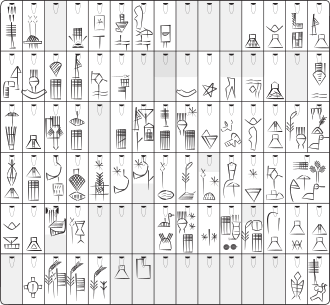
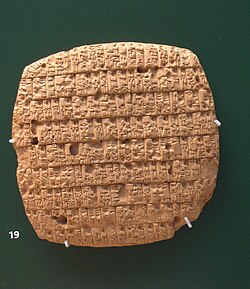
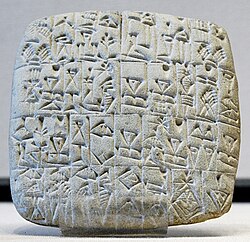
シュメール文明の最も特筆すべき功績は、文字の発明です。当初は物品の管理や配給を記録するための単純な絵文字(プロト文字)から始まりましたが、次第に抽象的な楔形文字へと進化しました。これにより、行政文書、法的な契約書、そして文学的な物語が粘土板に刻まれるようになりました。
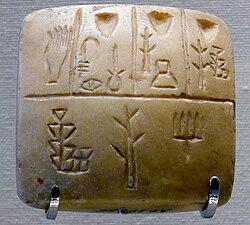
例えば、大麦の配給記録や奴隷および建物の売買契約書などが現存しており、当時の経済活動が極めて詳細に管理されていたことが分かります。
政治体制と歴史的変遷
シュメールの政治形態は、独立した複数の都市国家(ウル、ウルク、ラガシュ、ニップルなど)が競い合う形でした。初期の記録に登場するエンメバラゲシのような王たちが統治し、時には覇権を争いながらも共通の文化圏を形成していました。
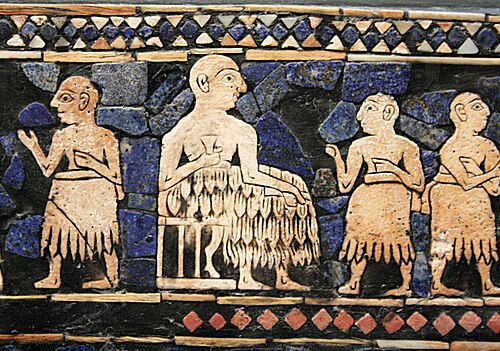
しかし、紀元前2270年頃になると、北西部のセム系民族によるアッカド帝国に征服されます。サルゴン大王による統一後も、シュメール語は「聖なる言語」として知識層の間で受け継がれました。その後、紀元前2100年頃にはウル第3王朝によって一時的にシュメール人の統治が復活しましたが、次第にアッカド語に取って代わられ、最終的にはアムル人の流入を経てバビロニアへと移行していきました。
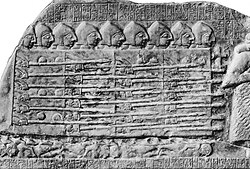
![Portrait of a Sumerian prisoner on a victory stele of Sargon of Akkad, c. 2300 BC.[38] The hairstyle of the prisoners (curly hair on top and short hair on the sides) is characteristic of Sumerians, as also seen on the Standard of Ur.[39] Louvre Museum.](/images/ed/5b/ed5bc40ebe71398e725cecdff27c618a78a8c1c23406784cd4b199de2a4932c3.jpg)
![Sumerian prisoners on a victory stele of the Akkadian king Sargon, c. 2300 BC.[38][39] Louvre Museum.](/images/1c/d3/1cd3be6b4e286a610a8bb73970f7992e343e3f61d5657c8ce10d1d3790cf120f.jpg)
軍事と権力の象徴
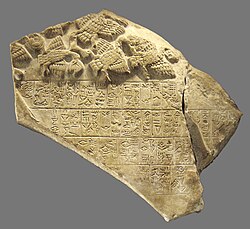
都市国家間の紛争では、初期の戦車やファランクス(密集陣形)のような組織的な戦術が導入されていました。勝利した王は、戦勝碑を建てて自らの権威を誇示しました。

宗教、芸術、そして建築
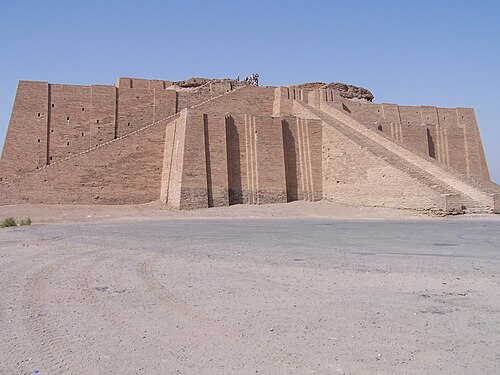
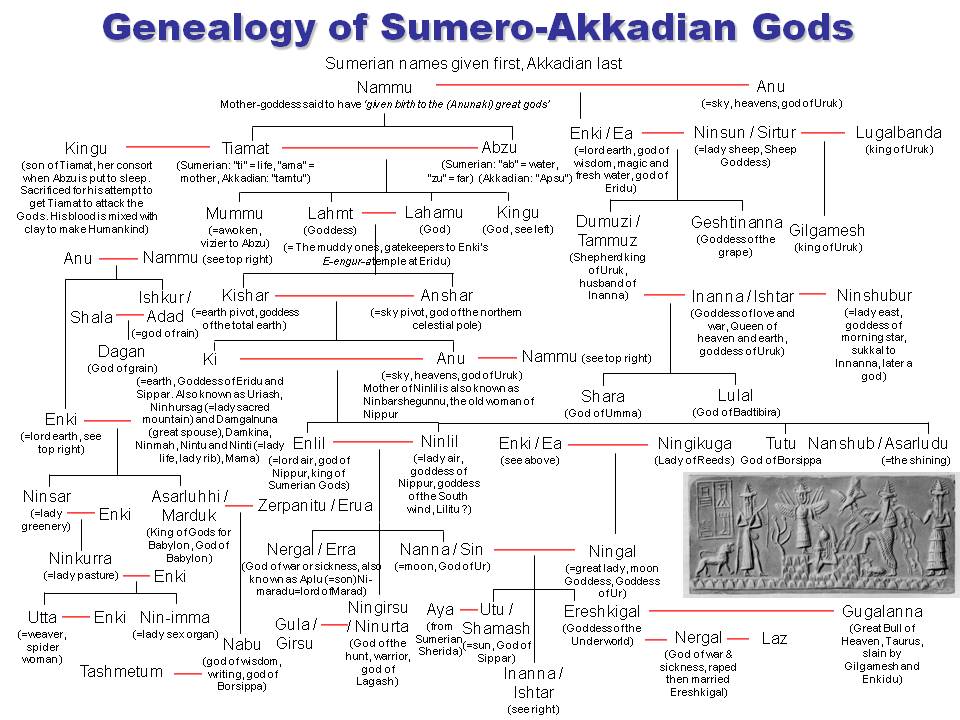
シュメール人は多神教を信仰し、太陽神ウトゥなどの神々を祀る巨大な聖塔ジッグラトを建設しました。これは天と地を結ぶ階段のような構造をしており、都市の精神的な中心地となりました。
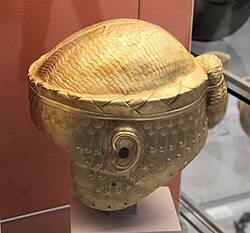
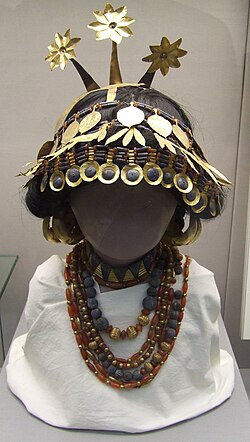
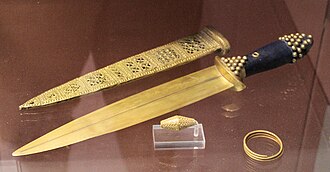
芸術面では、金、ラピスラズリ、貝殻などを用いた贅沢な工芸品が作られました。特にウルの王墓から出土した黄金の兜や短剣、精巧な装飾品は、当時の王族の権力と高い技術力を物語っています。
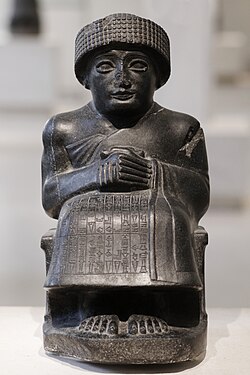
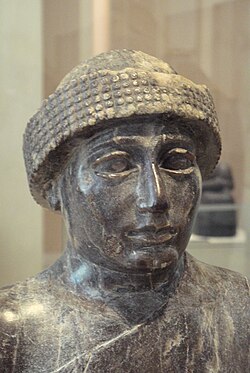
また、彫刻においても、ラガシュのグデア王のように、信心深い統治者としての姿を刻んだ数多くの像が残されています。
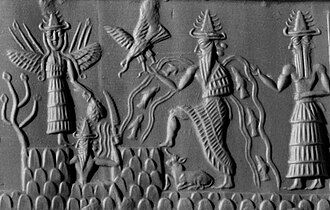
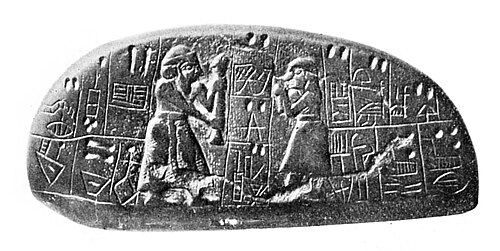
宗教的な儀礼や日常の記録には、神々の姿を描いた円筒印章も用いられ、信仰が生活のあらゆる面に浸透していたことが伺えます。
経済と国際貿易
シュメールは閉鎖的な社会ではなく、遠方との活発な交易を行っていました。特にインダス文明との関係は深く、紀元前2600年頃には、インダス地方特有のエッチング加工が施されたカーネリアン(紅玉髄)のビーズや貝殻製品がウルに輸入されていました。
![The etched carnelian beads with white designs in this necklace from the Royal Cemetery of Ur, dating to the First Dynasty of Ur, are thought to have come from the Indus Valley. British Museum.[90]](/images/db/a8/dba8d0144389097ea24e5a6f4a1a45d4ff7cc06171eb2855590deef0bca0a1da.jpg)
![The trade routes between Mesopotamia and the Indus would have been significantly shorter due to lower sea levels in the 3rd millennium BC.[91]](/images/1a/4f/1a4fb8f58767ecc1fa9ce574332cc1772efe188301df6990ce3ad643575a8016.jpg)
また、アフガニスタン北部のラピスラズリがイラン高原を経由して運ばれ、さらにエジプトまで届いていたという広大な貿易ネットワークの存在が確認されています。輸送には、瀝青(ビチューメン)で防水処理を施した帆船や、動物の皮で作られた舟が活用されていました。
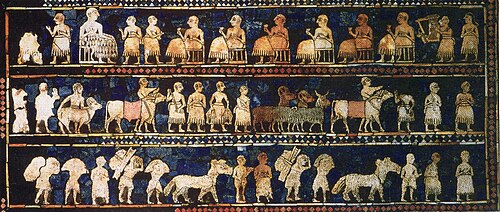
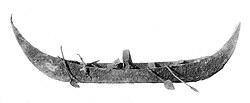
こうした交易は、単なる物資の交換に留まらず、技術や文化の交流を促進し、文明の発展を加速させました。
シュメール文明の概要まとめ
| 項目 | 詳細 |
|---|---|
| 主要都市 | ウル、ウルク、ラガシュ、ニップル、エリドゥなど |
| 言語・文字 | シュメール語 / 楔形文字 |
| 代表的建築 | ジッグラト(聖塔) |
| 主要貿易品 | ラピスラズリ、カーネリアン、貝殻、穀物 |
| 後継文明 | アッカド帝国 → ウル第3王朝 → バビロニア |
Frequently Asked Questions
シュメール人はどこから来たのですか?
明確な起源は分かっていませんが、一部の考古学者は、北メソポタミアで灌漑農業を習得した人々が南下し、定住したと考えています。文化的な連続性はウバイド期から見られますが、言語的には他のどの言語とも系統が一致しない「孤立した言語」を話していました。
楔形文字とはどのような文字ですか?
葦の茎を削ったペンを粘土板に押し付けて書く文字で、その形状が楔(くさび)に似ていることからそう呼ばれます。最初は物の数を数えるための記号でしたが、次第に音を表す文字となり、複雑な文章を記録できるようになりました。
ジッグラトとは何のために建てられたのですか?
ジッグラトは、都市の守護神を祀るための巨大な階段状の聖塔です。神が地上に降りてくる場所と考えられており、宗教的な儀式を行うとともに、都市の権威と信仰の象徴としての役割を果たしていました。
インダス文明との交流はどのように行われていたのですか?
主に海上ルートを通じて行われていました。ウルの遺跡からインダス地方特有のビーズや印章が見つかっており、当時の海面が現在より低かったため、より短い航路で交易が可能だったと考えられています。
シュメール文明はなぜ滅びたのですか?
政治的な要因としては、アッカド帝国などのセム系民族による征服が挙げられます。また、環境的な要因として、過度な灌漑による土壌の塩類集積(塩害)が農業生産力を低下させ、都市の維持が困難になったことが指摘されています。
References
- "emeĝir [SUMERIAN]". The Pennsylvania Sumerian Dictionary. University of Pennsylvania Museum of Anthropology and Archaeology. Retrieved 14 July 2021.
- "The area in question (the extreme south of Mesopotamia) may now be called Sumer, and its inhabitants Sumerians, although these names are only English approximations of the Akkadian designations; the Sumerians themselves called their land Kengir, their language Emegir, and themselves Sag-giga, "black-headed ones." in W. Hallo; W. Simpson (1971). The Ancient Near East. New York: Harcourt, Brace, Jovanovich. p. 29.
- Black, Jeremy A.; George, A. R.; Postgate, J. N.; Breckwoldt, Tina (2000). A Concise Dictionary of Akkadian. Otto Harrassowitz Verlag. p. 384. .
- Miller, Douglas B.; Shipp, R. Mark (1996). An Akkadian Handbook: Paradigms, Helps, Glossary, Logograms, and Sign List. Eisenbrauns. p. 68. .
- Piotr Michalowski, "Sumerian," The Cambridge Encyclopedia of the World's Ancient Languages. Ed. Roger D. Woodard (2004, Cambridge University Press). Pages 19–59
- Roŭ, Georges (1993). Ancient Iraq (3rd ed.). London, England: Penguin Books. pp. 80–82.
- Toorn, Karel van der; Becking, Bob; Horst, Pieter Willem van der (1999). Dictionary of Deities and Demons in the Bible. Wm. B. Eerdmans Publishing. p. 32. .
- Edzard, Dietz Otto (2003). Sumerian Grammar. Brill. p. 1. .
- van der Toorn, K.; van der Horst, P. W. (January 1990). "Nimrod before and after the Bible". The Harvard Theological Review. 83 (1): 1–29. :10.1017/S0017816000005502. 161371511.
- Kramer, Samuel Noah (1988). In the World of Sumer: An Autobiography. Wayne State University Press. p. 44. .
📸 フォトギャラリー