宇宙開発の常識を塗り替えようとしているのが、SpaceX社が開発するStarship(スターシップ)です。このシステムは、単なる大型ロケットではなく、機体すべてを完全に再利用することを前提に設計された、人類史上最大かつ最強の輸送手段を目指しています。地球低軌道(LEO)への大量輸送から、月や火星への有人探査まで、その目的は極めて壮大です。
かつてBFRと呼ばれていたこのプロジェクトは、開発コストに150億ドル以上の巨額を投じ、試行錯誤を繰り返しながら進化を続けています。
Key Facts
- 完全再利用: 1段目のブースターと2段目の宇宙船の両方を回収・再利用し、打ち上げコストを劇的に削減する。
- 圧倒的な輸送力: 将来的なBlock 4では、LEOへ最大200トンのペイロードを運ぶ能力を持つ見込み。
- 革新的な推進系: メタン(CH4)と液体酸素(LOX)を燃料とする高性能なRaptorエンジンを採用。
- 多目的運用: NASAのアルテミス計画における月面着陸船(HLS)としての役割や、火星への移住計画を視野に入れている。
機体構成と技術的特徴
Starshipは、1段目の超大型ブースター「Super Heavy」と、2段目の宇宙船「Starship」の2段構成となっています。機体直径は共通して9メートルに及び、その巨大なスケールが特徴です。
1段目:Super Heavyブースター
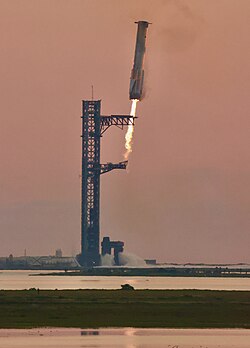
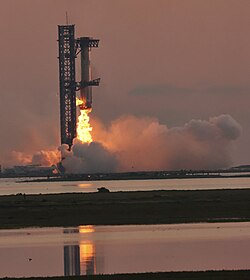
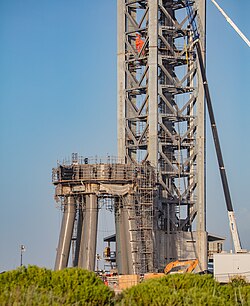
地上から宇宙船を押し上げるSuper Heavyは、33基のRaptorエンジンを搭載し、凄まじい推力を生み出します。全高は約71メートルに達し、燃料として液体メタンと液体酸素を使用します。特筆すべきは、打ち上げ後にタワーのアームでブースターを直接キャッチするという、前例のない回収手法に挑戦している点です。
2段目:Starship宇宙船
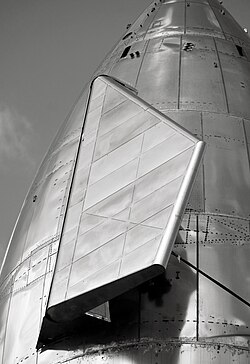
2段目のStarshipは、貨物や乗組員を目的地まで運ぶ役割を担います。機体内部には広大なペイロードベイがあり、大気圏再突入時には機体上部のフラップを用いて姿勢を制御し、精密な降下を実現します。
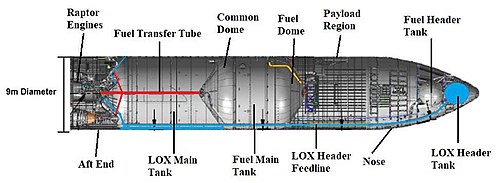
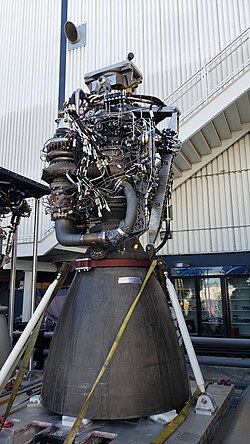
推進系には、地表付近で効率的なエンジンと、真空環境に最適化されたRaptor真空エンジンの両方を使い分けることで、宇宙空間での効率的な加速を可能にしています。
進化し続けるバージョン(Block)
SpaceXは「迅速な反復開発」という哲学に基づき、機体を段階的にアップグレードしています。初期のBlock 1から、将来のBlock 4に向けて、高さや輸送能力が大幅に向上する計画です。
| バージョン | 全高 (m) | LEO輸送能力 (t) | ブースター燃料 (t) | 宇宙船燃料 (t) |
|---|---|---|---|---|
| Block 1 | 121.3 | 15 | 3,250 | 1,200 |
| Block 2 | 123.1 | 35 | 3,650 | 1,500 |
| Block 3 | 124.4 | 100 | 4,050 | 1,600 |
| Block 4 (推定) | 142.0 | 200 | - | 2,300 |
開発の軌跡と飛行試験
Starshipの開発は、低高度のホップ試験から始まりました。初期のプロトタイプ(SNシリーズ)では、離陸後の制御や着陸時の衝撃による爆発など、多くの失敗を経験しましたが、そのデータが次世代機への改善に直結しました。
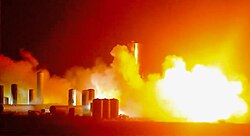
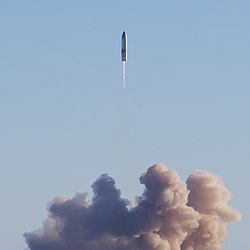
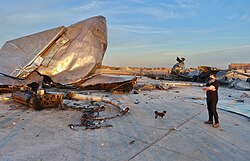
2023年4月20日の初の統合飛行試験(IFT-1)以降、試験の回数を重ねるごとに成功率を高めています。初期の試験ではエンジンの故障や機体の損壊が見られましたが、次第に制御された再突入や、ブースターの精密な回収へとステップアップしています。
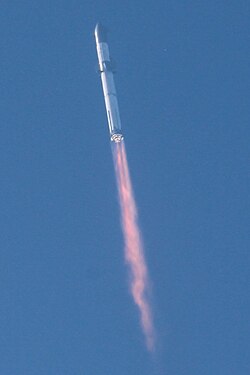
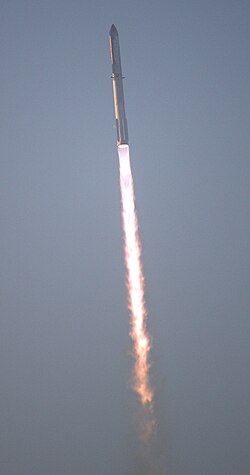
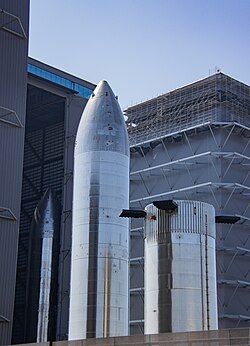
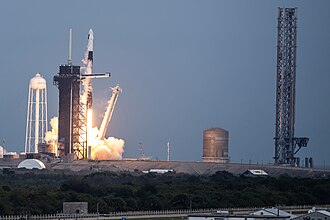
現在はテキサス州のStarbaseを中心に、フロリダ州のケネディ宇宙センターなどでインフラ整備が進められており、量産体制への移行が進んでいます。
今後のミッションと展望
Starshipの究極の目標は、人類を多惑星種にすることです。短期的には、NASAのアルテミス計画における月面着陸船(HLS)として、有人月面探査を実現させます。これには、軌道上での燃料補給を行うタンカー機の運用が不可欠となります。
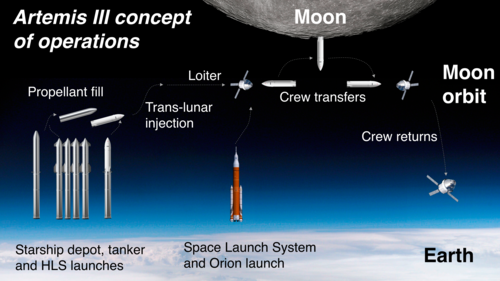
さらに将来的には、Starlink衛星の大量展開、地球上の地点間を高速で結ぶ輸送サービス、そして火星への無人・有人探査ミッションが計画されています。2030年代には、人工重力ステーションの建設など、宇宙居住の概念を根本から変えるプロジェクトも視野に入っています。
※提供された資料に含まれる一部の画像(
Frequently Asked Questions
Starshipが「完全再利用」と言われる理由は何ですか?
従来のロケットは一部または全部を使い捨てていましたが、Starshipは1段目のブースターと2段目の宇宙船の両方を地上に帰還させ、整備後に再び打ち上げることが可能に設計されているためです。
Raptorエンジンの特徴は?
液体メタンと液体酸素を燃料とするフルフロー二段燃焼サイクルを採用しており、非常に高い推力と効率を両立しています。また、メタンは火星で現地調達できる可能性があるため、惑星間航行に適しています。
月面着陸にはどのように利用されますか?
NASAのアルテミス計画において、有人月面着陸船(HLS)として運用されます。地球から打ち上げられた後、軌道上で燃料を補給し、月面へと降下・着陸する計画です。
開発における「失敗」はどう捉えられていますか?
SpaceXは、試験飛行での爆発や故障を「失敗」ではなく「データ収集の機会」と捉えています。実際に飛ばして壊し、その原因を分析して即座に設計に反映させることで、開発速度を極限まで高めています。
今後の主なスケジュールは?
2026年から2027年にかけて、LEOへの商用輸送やNASAによる無人月面デモ、そしてアルテミスIIIによる有人月面着陸などが予定されています。
References
- Gross mass is the total of the propellant mass (1,200,000 kg) and approximate empty mass (100,000 kg).
- Super Heavy : 200 t (440,000 lb); Starship dry mass: 100 t (220,000 lb); Super Heavy propellant mass: 3,400 t (7,500,000 lb); Starship propellant mass: 1,500 t (3,300,000 lb). The total of these masses is about 5,300 t (11,700,000 lb).
- With a mixture ratio of 3.6 parts oxygen to 1 part methane, 78.3% of 3400 t is 2660 t of liquid oxygen.
- 78% of 1,500 t (3,300,000 lb) is 1,170 t (2,580,000 lb) of liquid oxygen.
- Starship vehicles have a multiple-digit serial number, followed by a hyphen and a number that indicates the flight count. Starship vehicles are in a S#-# format, while boosters are B#-#. For example, B14‑1 and B14‑2 represent the first and second flights of B14. Vehicles without a hyphen were either expended on their first flight or retired after recovery. Missions where a new vehicle is used are marked with a mint-colored background.
📸 フォトギャラリー