東アジアの朝鮮半島南部に位置する大韓民国は、数千年の歴史を持つ深い伝統と、世界をリードする最先端テクノロジーが融合したダイナミックな国家です。かつての農業国から、わずか数十年で世界有数の経済大国へと飛躍を遂げたその歩みは、世界的に見ても稀有な例と言えます。
主要ファクト(Key Facts)
- 首都: ソウル(最大都市)
- 公用語: 韓国語(文字はハングル)
- 政治体制: 単一 presidential republic(大統領制)
- 経済的地位: 名目GDP世界15位、PPPベースで14位(2026年予測)
- 主要産業: 半導体、ディスプレイ、造船、自動車、エンターテインメント
- 人口: 約5,110万人(2026年予測)
悠久の歴史:古代から現代まで
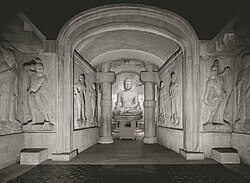
韓国の歴史は、古代の三國時代(高句麗、百済、新羅)から始まり、その後統一新羅や高麗、そして朝鮮王朝へと続きました。特に新羅時代の石窟庵などは、当時の高度な芸術性と信仰心を今に伝えています。
文化的な金字塔として特筆すべきは、世界最古の金属活字本である『直指心体要節(直指)』です。高麗時代には1234年に世界初の金属活字が開発されており、知識の普及に大きく貢献しました。
![The oldest surviving metal movable type book, the Jikji, was printed in 1377, and Goryeo created the world's first metal-based movable type in 1234.[46]](/images/6e/c0/6ec07ac9ade100afad4cb56a6644429a1ed0c164929dfb7712f6c569b75e6eb3.jpg)
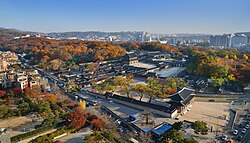
朝鮮王朝時代には、儒教に基づいた統治が行われ、ソウルには昌徳宮などの壮麗な宮殿が建設されました。これらは現在、ユネスコ世界遺産として保護されています。
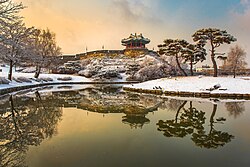
また、水原にある華城などの要塞建築も、当時の軍事技術と都市計画の粋を集めた遺産として高く評価されています。
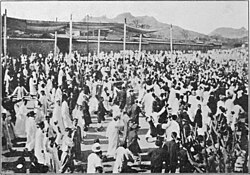
近代に入ると、日本による植民地支配という困難な時代を迎えましたが、1919年の三・一独立運動などを通じて独立への意志を強く持ち続けました。
1948年8月15日に大韓民国政府が樹立され、その後、朝鮮戦争という悲劇を乗り越え、国家の再建へと突き進みました。
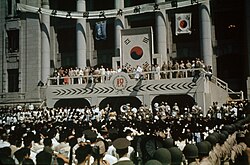
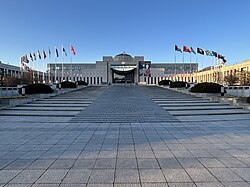
戦争の記憶を風化させず、平和への願いを込めた戦争記念館が、現在のソウルに建てられています。
「漢江の奇跡」と経済的飛躍
戦後の荒廃から驚異的な復興を遂げた現象は、「漢江の奇跡」と呼ばれています。1962年から1994年にかけて、年平均10%という驚異的な経済成長率を記録し、輸出主導型の工業化を推進しました。
![Between 1962 and 1994, the South Korean economy grew at an average of 10% annually, fueled by annual export growth of 20%,[110] in a period called the Miracle on the Han River.](/images/51/6e/516eb87507d64547b4a8f55c50ebb902240f5dff39da5392195b12ec770a061a.png)
政治面では、民主化への激しい闘争を経て、人権と民主主義を推進した金大中元大統領のような指導者が現れ、アジアのネルソン・マンデラとも称されました。
![President Kim Dae-jung, the 2000 Nobel Peace Prize recipient for advancing democracy and human rights in South Korea and East Asia and for reconciliation with North Korea, was sometimes called the "Nelson Mandela of Asia".[115]](/images/d1/4b/d14b83b16bf1b3b4b003ceb1ae893bc216853cb93cc4d786fb7be0d40af09e25.png)
国際社会での存在感も増し、2010年にはG20ソウルサミットを主催し、非G7諸国として初めて議長国を務めるなど、グローバルリーダーとしての地位を確立しました。
![South Korea became the first non-G7 chair of the G-20 when it hosted the 2010 Seoul summit.[122]](/images/2f/28/2f2890a7598a9b52f18824f09cc8f95db733caa763e8fafbd031c50c85b2f736.webp)
地理と自然環境
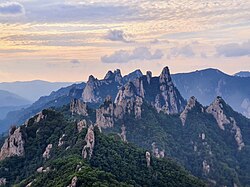
韓国は山岳地帯が多く、特に太白山脈の雪嶽山などは、険しくも美しい自然景観で知られています。
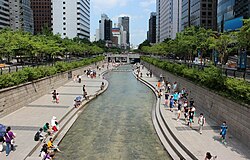
都市開発においても、自然との調和が重視されており、ソウル中心部を流れる清渓川は、近代的な市民の憩いの場として再生されました。
また、汝矣島(ヨイド)のような政治・金融の中心地では、国会議事堂などの近代的な建築物が立ち並び、都市のダイナミズムを象徴しています。
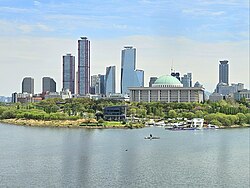
科学技術とグローバルな影響力
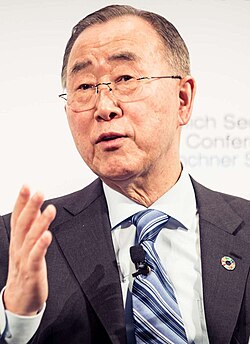
韓国は現在、世界最高水準の科学技術力を誇ります。外交面では、潘基文元国連事務総長のような人物が国際社会を牽引しました。
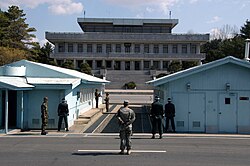
安全保障面では、南北分断の象徴である共同警備区域(JSA)が存在し、緊張状態が続いていますが、同時に国防力も強化しています。
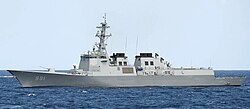
軍事技術の例として、現代重工業が建造した世宗大王級駆逐艦のような高度な兵器体系が挙げられます。
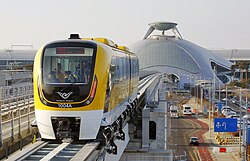
インフラ面では、仁川国際空港の磁気浮上式鉄道(リニア)など、次世代の輸送システムが導入されています。
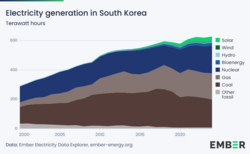
エネルギー政策においては、電力生成の多様化が進んでおり、持続可能な社会への移行が模索されています。
現代社会と文化の多様性
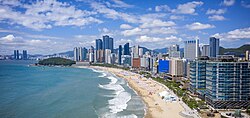
釜山の海雲台ビーチのような観光地は、国内外から多くの人々を惹きつけています。
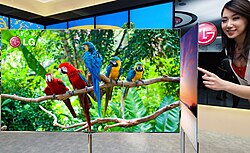
産業面では、LGディスプレイなどの企業が世界的なシェアを持つOLED(有機EL)技術を開発し、生活様式を変えています。
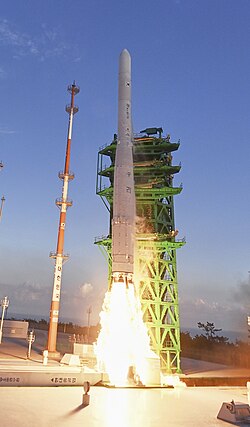
宇宙開発への挑戦も続いており、韓国型発射体「ヌリ号」の打ち上げ成功は、宇宙強国への道を切り拓きました。
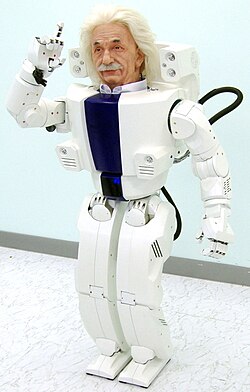
また、KAIST(韓国科学技術院)が開発した人型ロボット「HUBO」のように、ロボティクス分野でも世界的な成果を上げています。
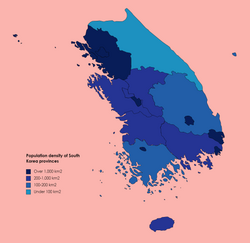
人口分布を見ると、ソウル首都圏への集中が顕著であり、地方との人口密度格差が社会的な課題となっています。
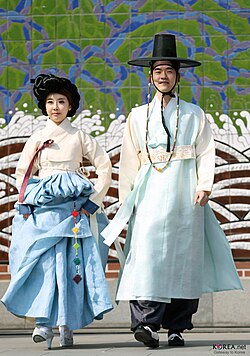
伝統的な衣装である韓服(ハンボク)は、今もなお祝祭日や特別な行事で大切に着用されています。
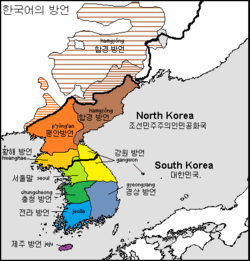
言語面では、標準語の他に地域ごとの多様な方言が存在し、文化的な彩りを添えています。
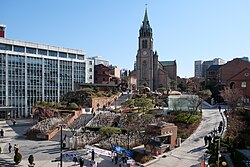
宗教的な多様性も高く、明洞聖堂に代表されるキリスト教、そして仏教などが共存しています。
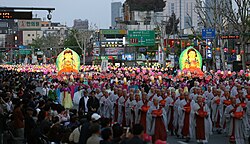
特に仏誕日の祝祭は、ソウルの街を華やかに彩る重要な行事です。
教育・健康・ライフスタイル
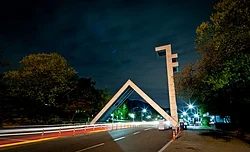
教育への情熱は極めて高く、ソウル大学などの名門校を目指す競争は激しいことで知られています。
研究開発の拠点であるKAISTなどの機関が、国家の競争力を支えています。
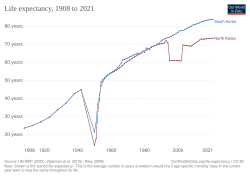
医療水準の向上により、北朝鮮との比較においても平均寿命が著しく伸長しており、公衆衛生の成功を物語っています。
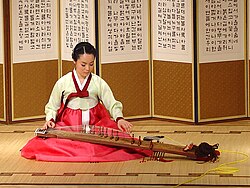
伝統芸術では、伽耶琴(カヤグム)のような弦楽器が奏でる繊細な音色が愛されています。
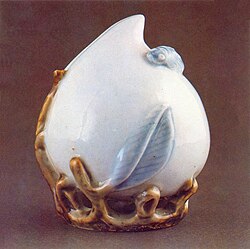
また、朝鮮時代の白磁などの陶磁器は、その簡潔な美しさで世界的に評価されています。
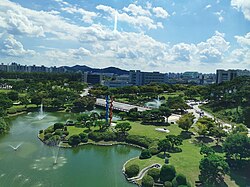
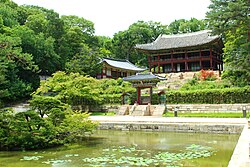
宮廷文化の象徴である昌徳宮の後苑などは、自然と建築が見事に調和した空間です。
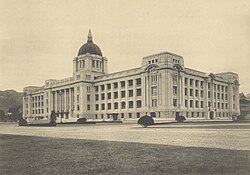
歴史的な記憶の整理として、かつての朝鮮総督府庁舎の解体など、植民地時代の遺構を整理する取り組みも行われました。
グローバル・カルチャーの爆発(K-Wave)
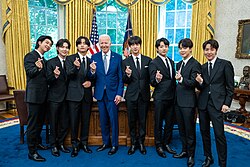
現代の韓国を語る上で欠かせないのが、世界的なブームとなっているK-POPや韓国コンテンツです。BTSのようなグループは、音楽を通じて世界中に影響を与えています。
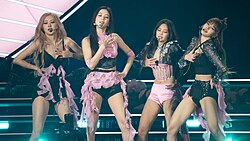
また、BLACKPINKなどのガールグループも、ファッションや音楽のトレンドを牽引しています。
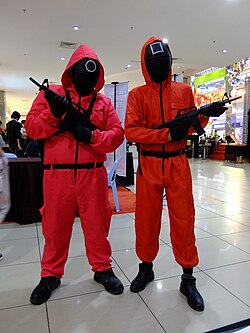
映像作品においても、『イカゲーム』のような作品が世界的なヒットを記録し、韓国のストーリーテリング能力を証明しました。
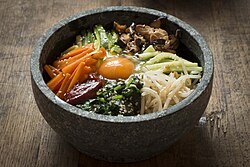
食文化においても、ビビンバなどの健康的な料理が世界中で親しまれています。
スポーツとレクリエーション
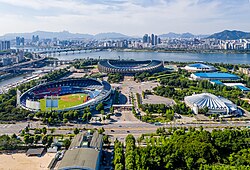
スポーツへの関心も非常に高く、ソウルスポーツコンプレックスのような大規模施設が整備されています。
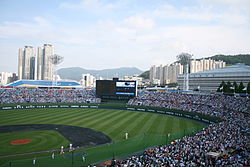
特に野球は国民的な人気スポーツであり、釜山のサジク球場などは熱狂的な応援で知られています。
また、伝統武道であるテコンドーは、オリンピック種目として世界中に普及しています。
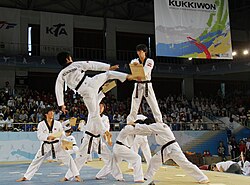
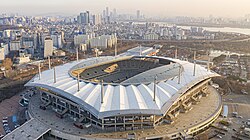
2002年日韓ワールドカップの舞台となったソウルワールドカップ競技場は、今もスポーツ文化の拠点となっています。
韓国の基本データまとめ
| 項目 | 詳細 |
|---|---|
| 人口 | 約5,110万人 |
| GDP (名目) | 1.931兆ドル |
| GDP (PPP) | 3.542兆ドル |
| HDI (人間開発指数) | 0.937 (非常に高い) |
| 主要宗教 | 無宗教(51%)、キリスト教(31%)、仏教(17%) |
| 通貨 | 韓国ウォン (KRW) |
Frequently Asked Questions
韓国の「漢江の奇跡」とは具体的に何を指しますか?
朝鮮戦争後の極度の貧困状態から、輸出主導の工業化政策によって短期間で劇的な経済成長を遂げたことを指します。これにより、韓国は農業国から世界的な工業・ハイテク国家へと変貌しました。
韓国で最も影響力のある文化的な輸出は何ですか?
現在は「韓流(Korean Wave)」と呼ばれる文化現象が最大の影響力を持っています。特にK-POP(BTSやBLACKPINKなど)や、Netflixなどを通じたドラマ・映画などのコンテンツ産業が世界的に成功しています。
韓国の教育制度の特徴は何ですか?
非常に高い教育熱心さが特徴で、ソウル大学などの名門大学への進学が社会的な成功の鍵と見なされる傾向があります。これにより高い識字率と技術力を維持していますが、同時に激しい競争社会という側面も持っています。
韓国の宗教的な構成はどうなっていますか?
統計によれば、人口の約半分(51%)が無宗教ですが、キリスト教(プロテスタントとカトリック合わせて約31%)と仏教(約17%)が主要な信仰として共存しています。
韓国の行政区分において「特別市」とは何ですか?
首都であるソウルが「特別市」に指定されており、他の広域市や道( province)とは異なる特別な行政権限を持つ都市であることを意味します。
References
- A new administrative capital, , has been under construction since 2007. Numerous ministries and agencies had relocated to Sejong. However, based on decision in 2004, complete capital relocation from Seoul requires a constitutional referendum. As of 2026, Seoul remains the seat of the , , , and Constitutional Court.
- South Koreans use the name Hanguk (한국; 韓國) when referring to South Korea or Korea as a whole. The literal translation of South Korea, Namhan (남한; 南韓), is rarely used. , the official line in North Korea was to use the name Namjosŏn (Namjoseon; 남조선; 南朝鮮) when referring to South Korea, derived from the North Korean name for Korea, Chosŏn (Joseon; 조선; 朝鮮). The North Korean state now uses Hanguk when referring to South Korea.
- : 대한민국; : 大韓民國; : Daehanminguk; lit. 'Great Republic' or 'Great Korean Republic'
- South Korea claims five of its provinces that are controlled by North Korea, which it does not control, along with the two portions of its northern provinces controlled by North Korea. These are overseen by the .
📸 フォトギャラリー