Scheme for geographical regions and subregions used by the United Nations Statistics Division
← ホームへ戻る
南米南アメリカラテンアメリカアマゾンアンデス

南米大陸の総合ガイド:地理・歴史・経済と多様な文化

🗓 2026年8月10日

南米大陸は、広大な熱帯雨林から険しい山脈、そして近代的な大都市まで、極めて多様な表情を持つ地域です。世界で4番目の面積を誇るこの大陸は、豊かな自然資源と複雑な歴史的背景を持ち、現代においても世界経済や環境保護の観点から重要な役割を担っています。

国連統計局の区分によれば、南米は地理的に明確なサブリージョンに分けられており、それぞれの地域が独自の特性を持っています。
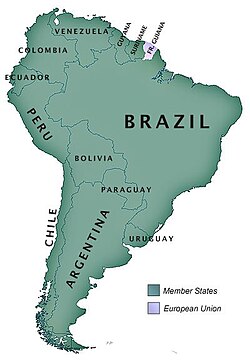
Scheme for geographical regions and subregions used by the United Nations Statistics Division

主要な事実(Key Facts)

  • 総面積:約1,784万平方キロメートル(世界第4位)
  • 総人口:約4億3,400万人(2021年時点、世界第5位)
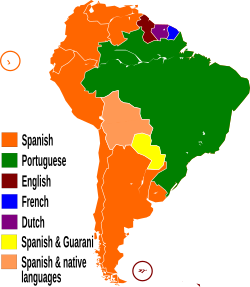
  • 主要言語:スペイン語、ポルトガル語、英語、フランス語、オランダ語、およびケチュア語やグアラニー語などの先住民族言語
  • 主要宗教:キリスト教(主にカトリック)が約90%を占める
  • 経済規模:名目GDPで世界第4位、購買力平価(PPP)ベースで世界第5位

地理と自然環境

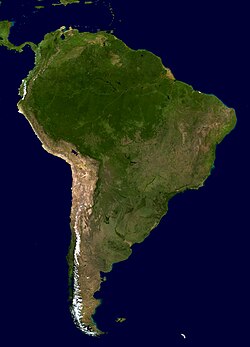
南米の地形は、西側にそびえるアンデス山脈と、中央から北にかけて広がるアマゾン盆地という2つの大きな特徴によって定義されます。これらの地形は、気候や生態系に決定的な影響を与えています。
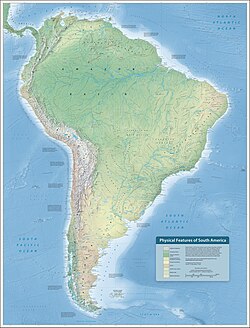
South America's landforms and land cover
A composite relief image of South America

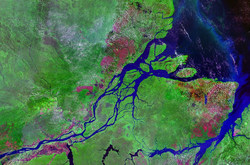
気候は、赤道直下の熱帯雨林気候から、南端の寒冷なパタゴニア地方まで多岐にわたります。特にアマゾン川の河口付近は、世界最大級の水量を誇る生態系の中心地です。

Köppen-Geiger climate classification map for South America[69]
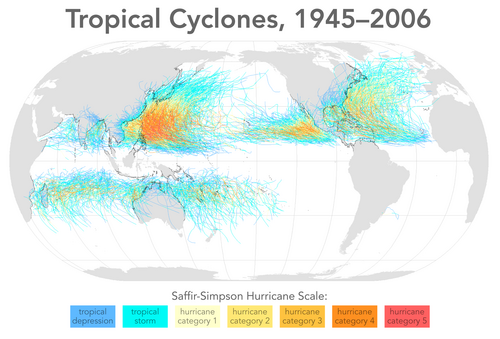
Map of all tropical cyclone tracks from 1945 to 2006
The mouth of the Amazon River

また、ベネズエラのロス・ロケス諸島のような美しい群島や、海岸線沿いの都市開発が進んだ地域など、多様な景観が広がっています。
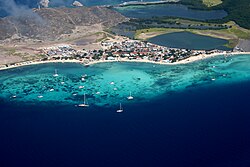
The Gran Roque village, the largest settlement of the Los Roques Archipelago, Venezuela
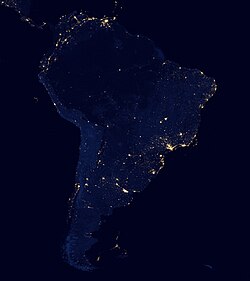
Satellite view of South America at night from NASA, showing the contrast between heavily populated coastal areas and the more remote regions of the Amazonian interior and Patagonia

歴史の変遷:先史時代から現代まで

先史時代と先コロンブス期

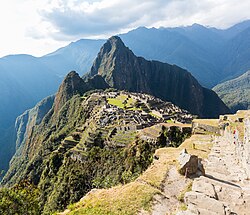
ヨーロッパ人の到達以前から、南米には高度な文明が存在していました。アルゼンチンの「クエバ・デ・ラス・マノス(手の洞窟)」に見られる先史時代の芸術や、ペルーのマチュピチュに代表されるインカ帝国の遺構は、当時の高度な社会構造と文化を今に伝えています。
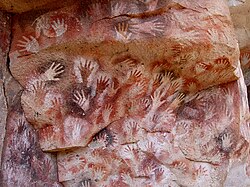
The prehistoric Cueva de las Manos, or "Cave of the Hands", in Argentina
The Inca estate of Machu Picchu, Peru, is one of the New Seven Wonders of the World.

植民地時代と奴隷制の悲劇

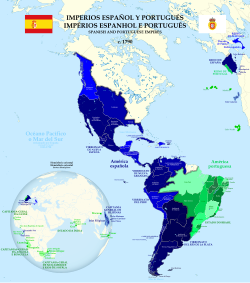
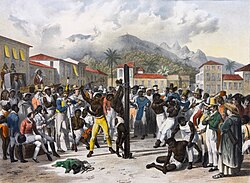
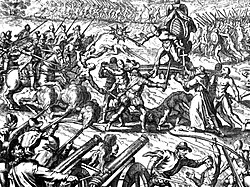
1500年頃からスペインとポルトガルによる植民地化が始まりました。ペドロ・アルヴァレス・カブラルによるブラジル到達や、カハマルカでのインカ帝国とスペインの衝突は、大陸の運命を大きく変えました。この時代、膨大な数の先住民族が犠牲となり、さらにアフリカからの強制的な奴隷労働が導入されました。特にブラジルでは、19世紀まで過酷な奴隷制が続いた歴史があります。
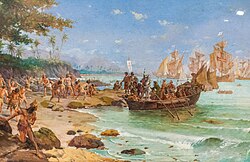
The Portuguese explorer Pedro Álvares Cabral landing in Brazil in 1500
The Inca–Spanish confrontation in the Battle of Cajamarca left thousands of natives dead.
An interpretation of the extent of the Spanish and Portuguese colonies in the Americas in 1790
Public flogging of a slave in 19th-century Brazil

独立と国家の形成

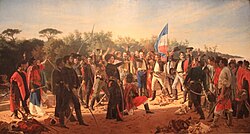
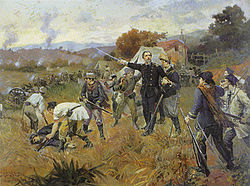
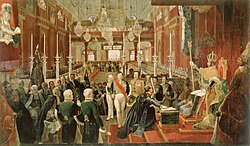
19世紀に入ると、スペインとポルトガルの支配からの独立運動が激化しました。ブラジルではペドロ1世による帝国成立を経て独立し、その後、シスプラティーナ州の独立やラガムフィン戦争などの内部紛争を経て、現在の国家体制へと移行していきました。
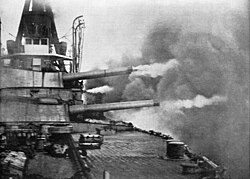
The Brazilian Minas Geraes class kindled an Argentine–Brazilian–Chilean naval arms race.
Coronation of Pedro I as 1st Emperor of Brazil
The Thirty-Three Orientals proclaimed the independence of Cisplatine Province.
Battle scene in Southern Brazil during the Ragamuffin War

近代の紛争と政治的変動

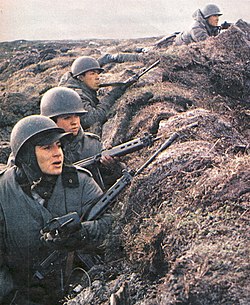
20世紀から21世紀にかけて、南米は軍事独裁政権の台頭と崩壊、そして民主化という激動の時代を経験しました。太平洋岸ではチリ軍によるチョリジョス戦などの軍事衝突があり、近年ではアルゼンチンによるフォークランド紛争などの領土問題も発生しています。
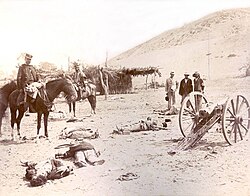
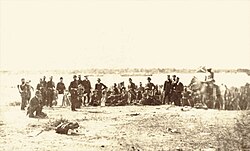
The Chilean Army in the battlefield of the Battle of Chorrillos, 1883
Imperial Brazilian Navy siege of Paysandú, 1865
Argentine soldiers during the Falklands War

経済構造と産業

南米経済は、天然資源の輸出と、近年発展している製造業の二本柱で構成されています。特にブラジル、アルゼンチン、チリ、コロンビアの4カ国が農業において強い競争力を持っています。

鉱業とエネルギー

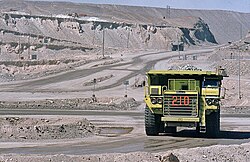
鉱物資源は南米の最大の強みの一つです。ボリビアのポトシにあるセロ・リコ銀山や、チリの世界最大級の露天掘り鉱山チュキカマタなどが有名です。また、アメジストやエメラルドなどの宝石類も多く産出されます。
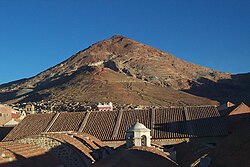

Cerro Rico, Potosi, Bolivia, still a major silver mine
Amethyst mine in Ametista do Sul. South America is a major producer of gems such as amethyst, topaz, emerald, aquamarine and tourmaline.
Chuquicamata is the largest open pit mine in the world, near the city of Calama in Chile.

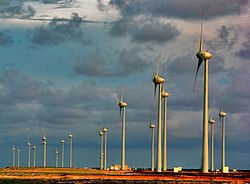
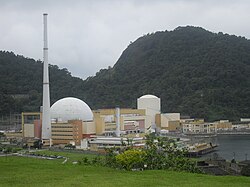
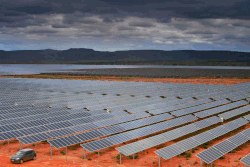
エネルギー分野では、ブラジルのペトロブラスによる石油精製や、大規模な太陽光発電(ピラポラ・ソーラーコンプレックス)、風力発電、そしてアングラ原子力発電所などの多様な電源開発が進んでいます。
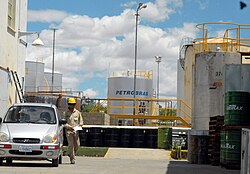
Refinery of Brazilian state-owned Petrobras in Cochabamba, Bolivia
Wind power in Parnaíba
Angra Nuclear Power Plant in Angra dos Reis, Rio de Janeiro
Pirapora Solar Complex, the largest in Brazil and Latin America with a capacity of 321 MW

製造業とインフラ

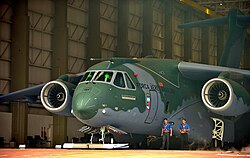
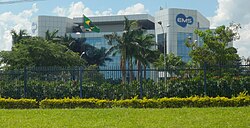
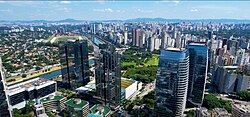
ブラジルのエンブラエル社が製造するKC-390のような大型軍用輸送機や、大手製薬会社EMSなど、高度な製造業も確立されています。また、サンパウロ証券取引所は米州で2番目に大きな規模を誇り、世界的な金融センターとしての地位を築いています。

Trading panel of the São Paulo Stock Exchange is the second biggest in the Americas and 13th in the world.
São Paulo, Brazil, one of the largest financial centers in the world
KC-390 is the largest military transport aircraft produced in South America by the Brazilian company Embraer.
EMS, the largest Brazilian pharmaceutical company

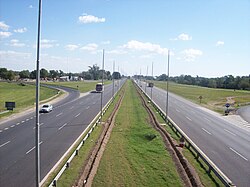
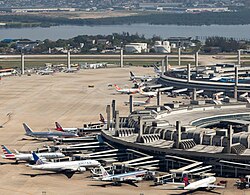
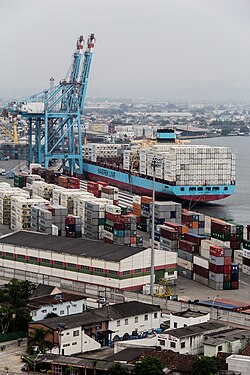
物流面では、フランス領ギアナのクールー宇宙センターのような特殊施設から、リオデジャネイロ国際空港、イタジャイ港などの交通拠点、そして広大な道路網が大陸の経済を支えています。
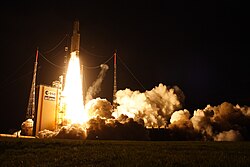
Launch at the Kourou Space Centre in French Guiana
Ruta 9 / 14, in Zarate, Argentina
Rio de Janeiro International Airport
Port of Itajaí, Santa Catarina, Brazil

社会と文化の多様性

南米は、ヨーロッパ系、先住民族、アフリカ系、そしてアジア系の人々が混ざり合った、世界でも有数の多民族社会です。メスティーソやムラート、パルドといった多様な人種的アイデンティティが存在します。

言語と宗教

公用語は主にスペイン語とポルトガル語ですが、ケチュア語やアイマラ語などの先住民族言語も根強く残っています。宗教面ではカトリックが圧倒的ですが、プロテスタントやスピリチュアリズム、イスラム教、ユダヤ教など多様な信仰が共存しています。
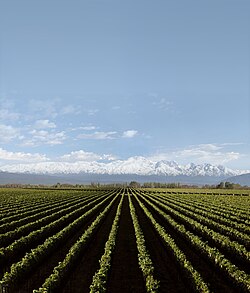
Vineyard in Luján de Cuyo, province of Mendoza, Argentina
Official languages in South America
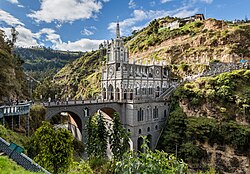
Las Lajas Sanctuary, Ipiales, Colombia

また、日本からの移民による日系ブラジル人コミュニティなど、アジア文化の影響も見られます。

A Japanese-Brazilian Miko during a festival in Curitiba
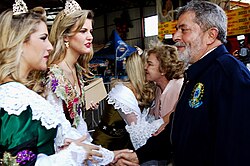
President of Brazil Lula and members of the Italian Brazilian community during the Grape Festival at Caxias do Sul

生活文化と芸術

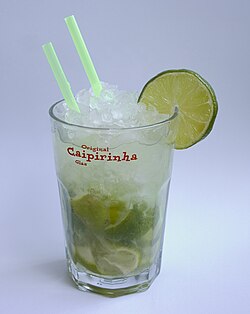
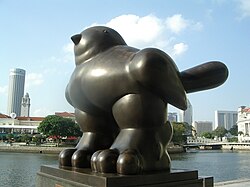
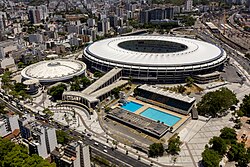
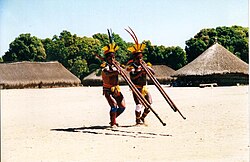
食文化ではブラジルのカイピリーニャのような伝統的な飲み物や、独自の料理が発展しました。芸術面では、コロンビアのフェルナンド・ボテロのような世界的な彫刻家が知られており、スポーツではマラカナン・スタジアムに象徴されるサッカーへの情熱が大陸全体に浸透しています。
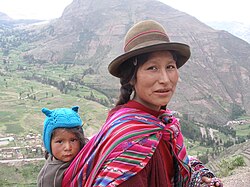
Peruvian woman and her son
Xingu, an Indigenous territory of Brazil
Caipirinha, a Brazilian cocktail, of São Paulo origin
Bird (UOB Plaza, Singapore), sculpture of Colombian artist Fernando Botero
Maracanã Stadium in Rio de Janeiro, Brazil

南米諸国の統計概要

以下に、南米の主要な国々とその基本データをまとめます。

国名 面積 (km²) 人口 (2021) 首都 名目GDP (2023 $bn)
アルゼンチン 2,766,890 45,276,780 ブエノスアイレス 622
ボリビア 1,098,580 12,079,472 ラパス / スクレ 47
ブラジル 8,514,877 214,326,223 ブラジリア 2,130
チリ 756,950 19,493,184 サンティアゴ 344
コロンビア 1,141,748 51,516,562 ボゴタ 364
ペルー 1,285,220 33,715,471 リマ 265
ベネズエラ 916,445 28,199,867 カラカス 92

政治的連携と現代の課題

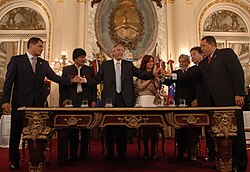
南米諸国は、経済的・政治的な統合を目指し、南米諸国連合(UNASUR)やメルコスールなどの枠組みを構築してきました。南米銀行の設立など、域内での金融協力も模索されています。
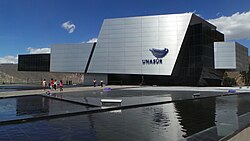
Headquarters of the UNASUR in Quito, Ecuador
Rafael Correa, Evo Morales, Néstor Kirchner, Cristina Fernández, Luiz Inácio Lula da Silva, Nicanor Duarte, and Hugo Chávez signed the founding charter of the Bank of the South.

Frequently Asked Questions

南米で最も人口が多い都市はどこですか?

ブラジルのサンパウロが最大で、都市圏人口は2,100万人を超えています。次いでアルゼンチンのブエノスアイレスやブラジルのリオデジャネイロが続きます。

南米の主要な産業は何ですか?

農業(ブラジル、アルゼンチンなど)と鉱業(チリの銅、ボリビアの銀など)が非常に強力です。また、ブラジルを中心に航空機製造や製薬などの高度な製造業も発展しています。

南米で話されている主な言語は何ですか?

旧植民地の歴史から、ブラジルではポルトガル語、その他の多くの国ではスペイン語が公用語となっています。また、英語、フランス語、オランダ語のほか、ケチュア語やグアラニー語などの先住民族言語も使用されています。

南米の宗教的な特徴は?

人口の約90%がキリスト教徒であり、その大部分がカトリックを信仰しています。一方で、プロテスタントの増加や、無宗教層、スピリチュアリズムなどの多様な信仰形態も見られます。

南米の経済的な統合はどうなっていますか?

メルコスール(南米共同市場)や南米諸国連合(UNASUR)などの組織を通じて、貿易の自由化や政治的な協力関係を構築しようとする取り組みが行われています。

References

  1. Sometimes included. Physiographically of South America, but geopolitically of North America. is a member nation of .
  2. Occasionally included. An isolated volcanic island near the boundary between the and the , is and geologically with . Despite being closer to Antarctica and Africa geographically, the has included Bouvet Island in South America instead.
  3. Sometimes included. Physiographically of South America, but geopolitically of North America. is a member nation of .
  4. Geologically, and the southernmost portion of mainland South America are both on the while the is on the nearby . and , is with . The has included the in South America.
  5. Occasionally included. An isolated volcanic island on the , is geologically of South America, but geopolitically of Africa.
  6. Sometimes included. Physiographically of South America, but geopolitically of North America.
  7. In some parts of the world, for example, Latin America, , and , South America is viewed as a of the Americas (a single continent named America). However, in many countries with English as an official language, it is considered a ; see .
  8. Except , which has occasionally been included as a part of South America.
  9. Both administered as under , claimed by Argentina.
  10. An of .

📸 フォトギャラリー

Scheme for geographical regions and subregions used by the United Nations Statistics Division
The prehistoric Cueva de las Manos, or "Cave of the Hands", in Argentina
The Inca estate of Machu Picchu, Peru, is one of the New Seven Wonders of the World.
The Portuguese explorer Pedro Álvares Cabral landing in Brazil in 1500
The Inca–Spanish confrontation in the Battle of Cajamarca left thousands of natives dead.
An interpretation of the extent of the Spanish and Portuguese colonies in the Americas in 1790
Public flogging of a slave in 19th-century Brazil
Coronation of Pedro I as 1st Emperor of Brazil
The Thirty-Three Orientals proclaimed the independence of Cisplatine Province.
Battle scene in Southern Brazil during the Ragamuffin War
The Chilean Army in the battlefield of the Battle of Chorrillos, 1883
Imperial Brazilian Navy siege of Paysandú, 1865
The Brazilian Minas Geraes class kindled an Argentine–Brazilian–Chilean naval arms race.
Argentine soldiers during the Falklands War
South America's landforms and land cover
A composite relief image of South America
The Gran Roque village, the largest settlement of the Los Roques Archipelago, Venezuela
Köppen-Geiger climate classification map for South America[69]
Map of all tropical cyclone tracks from 1945 to 2006
Headquarters of the UNASUR in Quito, Ecuador
Rafael Correa, Evo Morales, Néstor Kirchner, Cristina Fernández, Luiz Inácio Lula da Silva, Nicanor Duarte, and Hugo Chávez signed the founding charter of the Bank of the South.
Trading panel of the São Paulo Stock Exchange is the second biggest in the Americas and 13th in the world.
São Paulo, Brazil, one of the largest financial centers in the world
Launch at the Kourou Space Centre in French Guiana
Refinery of Brazilian state-owned Petrobras in Cochabamba, Bolivia
KC-390 is the largest military transport aircraft produced in South America by the Brazilian company Embraer.
Vineyard in Luján de Cuyo, province of Mendoza, Argentina
EMS, the largest Brazilian pharmaceutical company
Cerro Rico, Potosi, Bolivia, still a major silver mine
Amethyst mine in Ametista do Sul. South America is a major producer of gems such as amethyst, topaz, emerald, aquamarine and tourmaline.
Chuquicamata is the largest open pit mine in the world, near the city of Calama in Chile.
Wind power in Parnaíba
Angra Nuclear Power Plant in Angra dos Reis, Rio de Janeiro
Pirapora Solar Complex, the largest in Brazil and Latin America with a capacity of 321 MW
Ruta 9 / 14, in Zarate, Argentina
Rio de Janeiro International Airport
Port of Itajaí, Santa Catarina, Brazil
The mouth of the Amazon River
Satellite view of South America at night from NASA, showing the contrast between heavily populated coastal areas and the more remote regions of the Amazonian interior and Patagonia
Official languages in South America
Las Lajas Sanctuary, Ipiales, Colombia
A Japanese-Brazilian Miko during a festival in Curitiba
President of Brazil Lula and members of the Italian Brazilian community during the Grape Festival at Caxias do Sul
Peruvian woman and her son
Xingu, an Indigenous territory of Brazil
Caipirinha, a Brazilian cocktail, of São Paulo origin
Bird (UOB Plaza, Singapore), sculpture of Colombian artist Fernando Botero
Maracanã Stadium in Rio de Janeiro, Brazil