現代のエネルギー転換において中心的な役割を担う太陽電池は、太陽光という無限の資源を直接電気に変換する画期的なデバイスです。19世紀の発見から始まり、宇宙開発を経て私たちの屋根の上にまで普及したこの技術は、今なお効率向上とコスト低減という進化を続けています。
太陽電池の基礎知識と動作原理
太陽電池の根幹にあるのは、光が当たった際に電気が発生する「光電効果(Photovoltaic effect)」という物理現象です。1839年にエドモン・ベクレルによって発見されたこの原理を利用し、光エネルギーを電気エネルギーへと変換します。
基本的な動作は、透明な電極を通して光が内部に浸透し、電子と正孔(ホール)のペアが生成されることで始まります。これらの電荷がそれぞれ異なる電極に回収されることで、電流が流れる仕組みになっています。
![Schematic of charge collection by solar cells. Light transmits through transparent conducting electrode creating electron hole pairs, which are collected by both the electrodes.[62]](/images/71/b4/71b44da2f128e70c4a9cc9b7c1979bea15c3e52fd9d7021ea323d62752a6c177.gif)
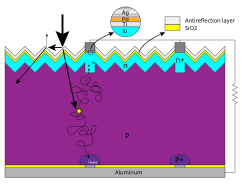
なお、太陽光を利用する技術には、電気を直接作る太陽電池のほかに、光を熱に変えて温水や暖房に利用する「太陽熱集熱器」や、水を水素と酸素に分解する「光電気化学セル」などの異なるアプローチが存在します。
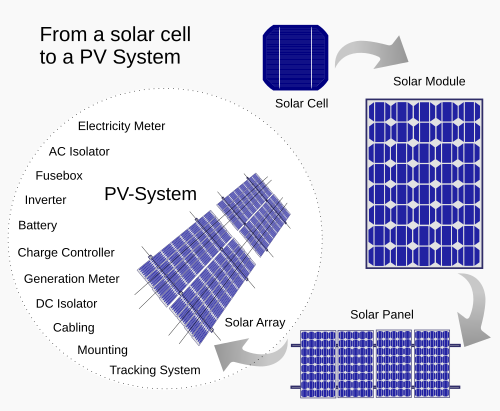
主要な技術世代と材料の変遷
太陽電池は、使用される材料や構造によって大きく3つの世代に分類されます。
第1世代:結晶シリコン系
最も普及しているタイプで、高純度のシリコン結晶を使用します。単結晶シリコンは効率が高く、多結晶シリコンは製造コストに優れる特性があります。また、エピタキシャル成長やリボンシリコンなどの製造手法の改良により、さらなる性能向上が図られてきました。
第2世代:薄膜系
基板の上に薄い光吸収層を形成するタイプです。アモルファスシリコンのほか、テルル化カドミウム(CdTe)や銅インジウムガリウムセレン(CIGS)などが用いられます。軽量で柔軟な設計が可能なため、用途が広がっています。
第3世代:次世代・新材料系
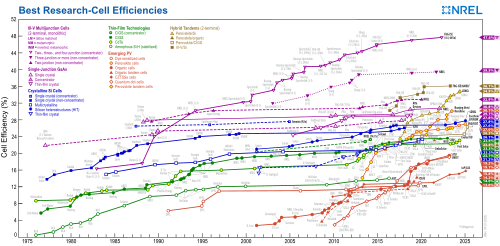
理論的な効率限界を突破するための研究が進んでいる分野です。注目を集めるペロブスカイト太陽電池をはじめ、有機ポリマー、量子ドット、色素増感太陽電池などが含まれます。また、複数の材料を重ねて異なる波長の光を吸収する「多接合(マルチジャンクション)型」は、極めて高い変換効率を実現しています。

太陽電池の多様な応用事例
太陽電池の用途は、家庭用パネルに留まらず、極限環境から日常の小物まで多岐にわたります。
宇宙・航空分野
宇宙空間では代替エネルギーがないため、太陽電池は不可欠です。1958年のヴァンガード1号以来、多くの人工衛星や探査機に搭載されてきました。また、太陽光のみで飛行する無人機や、超軽量のソーラー飛行機などの開発も進んでいます。
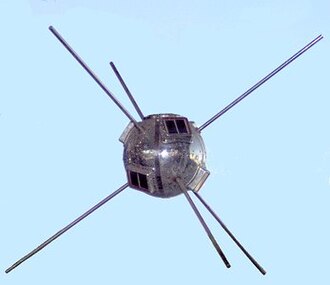
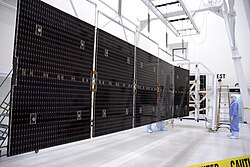
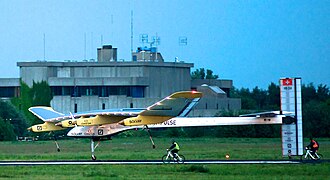
モビリティと家電
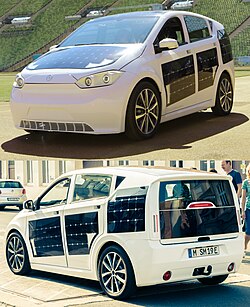
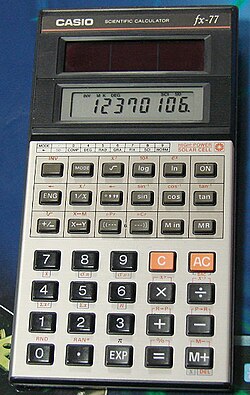
地上では、太陽光発電車(ソーラーカー)の開発競争が激しく、効率的なセルを車体に組み込む試みが続いています。また、古くから電卓などの小型電子機器に組み込まれ、電池交換不要な電源として親しまれてきました。
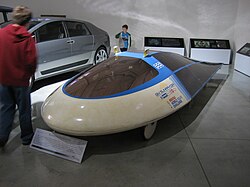
建築とインフラ
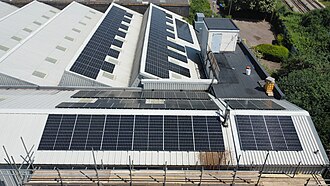
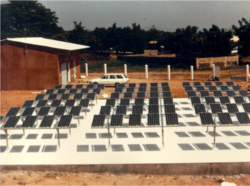
住宅の屋根への設置はもちろん、壁面や窓に組み込むBIPV(建材一体型太陽光発電)も普及しています。さらに、地面からの反射光も利用できる「両面発電型(Bifacial)」パネルを導入し、発電量を最大化させる大規模発電所も運用されています。
市場の動向と製造の現状
太陽電池のコストは、製造プロセスの最適化と量産効果により劇的に低下しました。これにより、発電コストが他の電源と同等になる「グリッドパリティ」の達成が加速しています。
現在の製造市場は中国が圧倒的なシェアを占めており、2021年時点では世界生産量の約70%を供給しています。それに続き、ベトナムやマレーシアなどの東南アジア諸国も重要な生産拠点となっています。
![Global photovoltaics market share by technology 1980–2021[76]: 24, 25](/images/83/1c/831c820bfa92c648ff9ef495f729a8f2ef60043f27ebbb31bbcb3fae29e8642d.webp)
![Solar cell production by region[179]](/images/0d/f9/0df9972beffb539ea9ce3934b038751b42925d5a92eb3af4810660b2bc519cf5.png)
一方で、寿命を迎えたパネルの廃棄とリサイクルが新たな課題となっており、環境負荷を低減するための回収システムの構築が急務となっています。
Key Facts
- 動作原理:光電効果により、光エネルギーを直接電気に変換する。
- 効率の限界:単接合セルの理論的上限(ショックレー・クワイサー限界)があるが、多接合型でこれを突破可能。
- 主要材料:結晶シリコンが主流だが、次世代のペロブスカイトや有機系への移行が進んでいる。
- 市場シェア:中国が世界的な製造の中心的役割を担い、供給量の大部分を占める。
- 応用範囲:宇宙探査機から家庭用屋根パネル、小型電卓、ソーラーカーまで極めて広い。
主要国別・用途別 導入状況(参考値)
| 国・地域 | 住宅用 | 商業用 | 産業・公共用 |
|---|---|---|---|
| アメリカ | 4.9 | 4.5 | 3.3 |
| 日本 | 4.2 | 3.6 | 2.9 |
| 中国 | 1.5 | 1.4 | 1.4 |
| ドイツ | 2.4 | 1.8 | 1.4 |
| イタリア | 2.8 | 1.9 | 1.5 |
Frequently Asked Questions
太陽電池と太陽熱集熱器は何が違うのですか?
太陽電池は光電効果を利用して「電気」を直接作り出しますが、太陽熱集熱器は太陽の熱を吸収して「温水や温風」を作る装置です。目的が電力供給か熱利用かという点で根本的に異なります。
変換効率とは具体的に何を指しますか?
太陽から降り注ぐ光エネルギーのうち、どれだけの割合を電気エネルギーに変換できたかを示す指標です。例えば効率が20%であれば、受け取った光の20%を電気に変えられたことを意味します。
なぜ中国で多くのパネルが作られているのですか?
製造コストの低減、大規模な生産設備の整備、および政府による強力な産業支援などが組み合わさった結果、世界的な供給シェアを拡大させました。
次世代の「ペロブスカイト太陽電池」のメリットは何ですか?
従来のシリコン製に比べて、薄くて軽く、曲げることが可能です。また、塗布などの簡便な方法で製造できるため、コストの大幅な削減と、壁面や衣服など設置場所の自由度が飛躍的に高まることが期待されています。
使い終わった太陽光パネルはどう処理されるのですか?
パネルにはガラスやアルミのほか、シリコンや一部の希少金属が含まれています。これらを化学的・熱的な手法で分離し、素材として再利用するリサイクル技術の開発と社会実装が進められています。
References
- Solar Cells. chemistryexplained.com
- Special Report on Solar PV Global Supply Chains (PDF). International Energy Agency. August 2022.
- "Solar cells – performance and →use". solarbotic s.net.
- Al-Ezzi, Athil S.; Ansari, Mohamed Nainar M. (8 July 2022). "Photovoltaic Solar Cells: A Review". Applied System Innovation. 5 (4): 67. :10.3390/asi5040067. 2571-5577.
- Messenger, Roger A.; Ventre, Jerry (2010). Photovoltaic Systems Engineering. CRC Press. pp. 455–460.
- Arulious, Jora A; Earlina, D; Harish, D; Sakthi Priya, P; Inba Rexy, A; Nancy Mary, J S (1 November 2021). "Design of solar powered electric vehicle". Journal of Physics: Conference Series. 2070 (1) 012105. :2021JPhCS2070a2105A. :10.1088/1742-6596/2070/1/012105. 1742-6588.
- US EPA, OAR (14 May 2021). "Electric Vehicle Myths". . Retrieved 31 May 2025.
- Connors, John (21–23 May 2007). "On the Subject of Solar Vehicles and the Benefits of the Technology". 2007 International Conference on Clean Electrical Power. Capri, Italy. pp. 700–705. :10.1109/ICCEP.2007.384287.
- Özkalay, Ebrar; Valoti, Flavio; Caccivio, Mauro; Virtuani, Alessandro; Friesen, Gabi; Ballif, Christophe (2024). "The effect of partial shading on the reliability of photovoltaic modules in the built-environment". EPJ Photovoltaics. 15: 7. :2024EPJPv..15....7O. :10.1051/epjpv/2024001. 2105-0716.
- "Shading losses in PV systems, and techniques to mitigate them". aurora. 17 October 2023. Retrieved 28 March 2025.
📸 フォトギャラリー