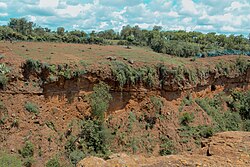
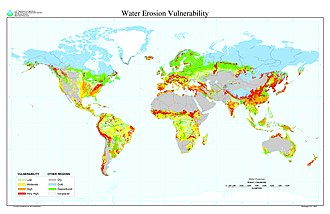
地球上の生命を支える土壌の最上層が、自然の力や人間の活動によって削り取られ、失われる現象を土壌侵食と呼びます。これは単なる土の移動ではなく、土地の質が低下する「土地劣化」の一形態です。侵食は、目に見えないほどゆっくりと進行する場合もあれば、短期間で劇的な地形変化をもたらす場合もあり、世界の食料安全保障や生態系に深刻なリスクを与えています。
土壌侵食を引き起こす要因は多岐にわたります。雨や洪水などの「水」、氷河や雪崩などの「氷・雪」、そして「風」といった自然の動的な活動が主な要因です。また、植物の根による土の持ち上げや、動物および人間による物理的な撹乱も侵食を促進させます。
Key Facts
- 加速する侵食速度: 人間活動により、世界的な土壌侵食の速度は自然状態の約28倍にまで加速しています。
- 主要な原因: 土地劣化の約84%が、水食(水による侵食)と風食(風による侵食)の組み合わせによって引き起こされています。
- 深刻な影響: 表土の喪失は農業生産性の低下だけでなく、水域への堆積物流入や生態系の崩壊、さらには砂漠化を招きます。
- 人為的要因: 過度な耕作、森林伐採、都市化、気候変動などが侵食を劇的に悪化させています。
土壌を削り取る物理的プロセス
水による侵食(水食)
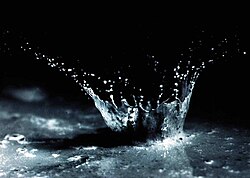
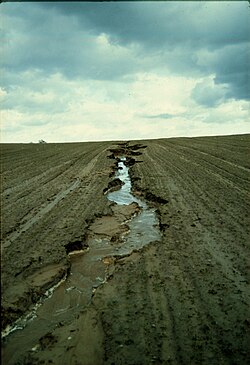
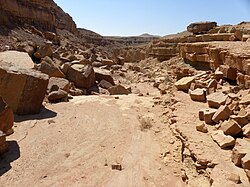
水は最も強力な侵食剤の一つです。雨粒が地面に衝突する衝撃で土粒子が弾き飛ばされることから始まり、その後、地表を流れる水(表面流出)が土壌を押し流します。これにより、小さな溝(リル)が形成され、それがさらに拡大して深い谷のような「ガリ」へと発展します。
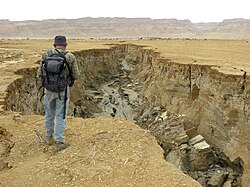
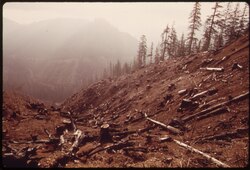
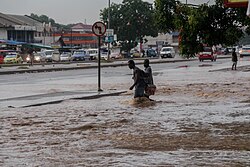
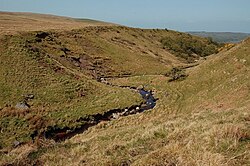
また、河川やストリームの流れによる浸食や、大規模な洪水による土砂の流出も激しい地形変化をもたらします。特に急斜面で植生が失われた場所では、激しい雨によって栄養豊富な表土が急速に失われ、河川への堆積物増加を招きます。
風による侵食(風食)
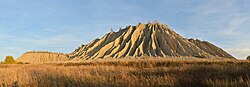
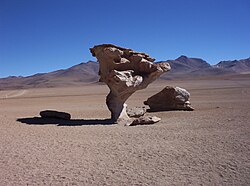
乾燥地帯や植生の少ない地域では、風が土壌粒子を運び去る風食が顕著になります。強い風が地表の砂や土を舞い上げ、地形を彫刻のように削り取ることがあります。
その他の侵食形態
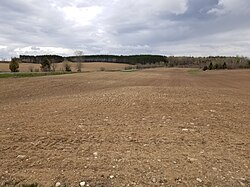
氷河の移動による氷食や、雪崩による雪食、さらには重力によって土砂が崩落する質量移動(地滑りなど)も重要なプロセスです。また、人間が農地を耕す際に土を物理的に移動させる「耕作侵食」という特有の現象も存在します。
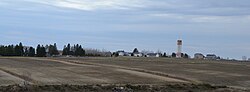
侵食を左右する要因と人間活動の影響
土壌がどれだけ侵食されやすいかは、以下の要因の組み合わせで決まります。
- 気候: 降雨量や風速、温度変化が影響します。
- 土壌の性質: 土の構造や組成によって、水や風への耐性が異なります。
- 植生被覆: 植物の根が土を固定し、葉が雨の衝撃を和らげるため、植生があるほど侵食は抑制されます。
- 地形: 斜面が急であるほど、水の流速が増し、侵食が激しくなります。
しかし、現代において最も影響を与えているのは人間活動です。森林伐採によって地表を保護する樹木が失われ、集約的な農業によって土壌が緩められることで、雨による侵食が容易になります。
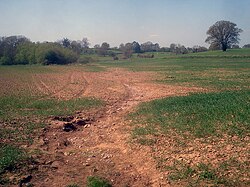
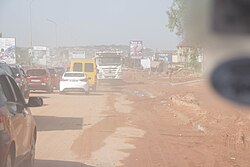
また、道路建設による地形の改変や、都市の拡大(アーバン・スプロール)、酸性雨、そして地球規模の気候変動が、自然のバランスを崩し、侵食をさらに加速させています。歴史的な例として、イースター島では森林伐採と持続不可能な農業が深刻な土壌侵食を招き、最終的に生態系の崩壊と文明の衰退につながったと言われています。
![During the 17th and 18th centuries, Easter Island experienced severe erosion due to deforestation and unsustainable agricultural practices. The resulting loss of topsoil ultimately led to ecological collapse, causing mass starvation and the complete disintegration of the Easter Island civilization of Rapa Nui people.[118][119]](/images/2b/65/2b65f6ebc1db05eec5e1f0588b61904ef6f324bd31e7297952707a9bdbcef057.jpg)
環境への広範な影響と対策
土壌侵食の影響は、発生した場所(オンサイト)にとどまらず、離れた場所(オフサイト)にも及びます。
| 影響範囲 | 主な現象 | 具体的な結果 |
|---|---|---|
| オンサイト(現地) | 栄養豊富な表土の喪失 | 農業生産性の低下、生態系の崩壊、砂漠化 |
| オフサイト(外部) | 水域への土砂流入 | 河川の堆積、水域の富栄養化、インフラ(道路・家屋)の損壊 |
| 大気環境 | 土壌粒子の飛散 | 空中塵による大気汚染 |
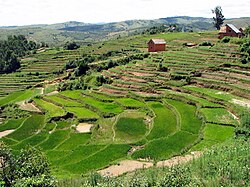
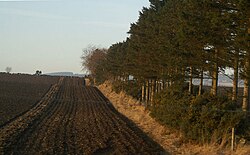
これらの問題に対処するため、古くから様々な防止策が講じられてきました。例えば、斜面に段々畑を作る「テラス化」は、水の流速を抑え、表土の流出を劇的に減らす有効な手法です。また、農地の周囲に樹木を植えて風を防ぐ「防風林」の設置も、風食を防ぐとともに環境的なメリットをもたらします。
Frequently Asked Questions
土壌侵食と土地劣化はどう違うのですか?
土壌侵食は、水や風などの要因で土壌の最上層が物理的に削り取られるプロセスを指します。一方、土地劣化はより広い概念で、侵食に加えて化学的な質の低下(塩類集積や酸性化など)や物理的な圧密など、土地の生産能力が低下するあらゆる現象を含みます。
なぜ植生があるだけで侵食が防げるのですか?
植物の葉や茎が雨粒の衝撃を吸収して土への直接的な打撃を和らげ、根が網目のように土壌をしっかりと固定するためです。また、植物が地表を覆うことで、風や水の流速が抑えられ、土が運び去られるのを防ぎます。
耕作侵食とは具体的にどのような現象ですか?
農地を耕運機などで耕す際、土壌が物理的に移動させられることです。特に傾斜地で耕作を行うと、土が徐々に低い方へと移動し、上部は土が薄くなり、下部に堆積するという現象が起こります。
土壌侵食が水質にどのような影響を与えますか?
流出した土砂が河川や湖に流れ込むことで、水が濁るだけでなく、土壌に含まれていた肥料成分(窒素やリンなど)が同時に流入します。これが原因でプランクトンが異常増殖する「富栄養化」が起こり、水圏生態系に悪影響を及ぼします。
References
- Apollo, Michal; Andreychouk, Viacheslav; Bhattarai, Suman S. (24 March 2018). "Short-term impacts of livestock grazing on vegetation and track formation in a high mountain environment: a case study from the Himalayan Miyar Valley (India)". . 10 (4) 951. :2018Sust...10..951A. :10.3390/su10040951. 2071-1050.
- García-Ruíz, José María; Beguería, Santiago; Nadal-Romero, Estela; González-Hidalgo, José Carlos; Lana-Renault, Noemí; Sanjuán, Yasmina (15 June 2015). "A meta-analysis of soil erosion rates across the world". . 239: 160–73. :2015Geomo.239..160G. :10.1016/j.geomorph.2015.03.008. :10261/115261. 1872-695X. Retrieved 24 March 2026.
- Pimentel, David; Burgess, Michael (8 August 2013). "Soil erosion threatens food production". . 3 (3): 443–63. :2013Agric...3..443P. :10.3390/agriculture3030443. 2077-0472.
- Issaka, Sakinatu; Ashraf, Muhammad Aqeel (20 March 2017). "Impact of soil erosion and degradation on water quality: a review". Geology, Ecology, and Landscapes. 1 (1): 1–11. :2017GEL.....1....1I. :10.1080/24749508.2017.1301053. 2474-9508.
- Chen, Jian-gang; Chen, Xiao-qing; Wang, Tao; Zou, Yu-Hua; Zhong, Wei (29 November 2014). "Types and causes of debris flow damage to drainage channels in the Wenchuan earthquake area". . 11 (6): 1406–19. :2014JMouS..11.1406C. :10.1007/s11629-014-3045-x. 1993-0321. Retrieved 24 March 2026.
- Rafaeli, Osher; Nahlieli, Ariel; Svoray, Tal (December 2023). "Dynamics of subsurface soil erosion in a semiarid region: a time-series study of sinkhole area and morphology". Catena. 233 107511. :2023Caten.23307511R. :10.1016/j.catena.2023.107511. 1872-6887. Retrieved 24 March 2026.
- Wilkinson, Bruce H. (1 March 2005). "Humans as geologic agents: a deep-time perspective". . 33 (3): 161–4. :2005Geo....33..161W. :10.1130/G21108.1. 1943-2682. Retrieved 24 March 2026.
- Arnalds, Olafur (2015). "Collapse, erosion, condition, and restoration". In Arnalds, Olafur (ed.). The soils of Iceland. World soils book series. Dordrecht, The Netherlands: . pp. 153–80. :10.1007/978-94-017-9621-7_12. . 2211-1263. Retrieved 25 March 2026.
- Jobbágy, Esteban G.; Jackson, Robert B. (March 2001). "The distribution of soil nutrients with depth: global patterns and the imprint of plants". Biogeochemistry. 53 (1): 51–77. :2001Biogc..53...51J. :10.1023/A:1010760720215. 1573-515X. Retrieved 24 March 2026.
- Hill, Joachim; Mégier, Jacques; Mehl, Wolfgang (19 October 2009). "Land degradation, soil erosion and desertification monitoring in Mediterranean ecosystems". . 12 (1–2): 107–30. :10.1080/02757259509532278. 0275-7257. Retrieved 24 March 2026.
📸 フォトギャラリー