A Venus from Moravany nad Váhom, which dates back to 22,800 BC
← ホームへ戻る
スロバキアブラチスラバタトラ山脈中欧チェコスロバキア

スロバキア共和国中欧の歴史と自然が織りなす魅力的な国家

🗓 2026年8月10日

ヨーロッパの中央に位置するスロバキア共和国は、険しい山岳地帯と豊かな文化遺産、そして激動の近代史を持つ国です。かつてのチェコスロバキアの一部でありながら、現在は独自のアイデンティティを確立し、欧州連合(EU)の一員として経済的・政治的な発展を続けています。

首都ブラチスラバを中心に、西はオーストリア、北はポーランド、東はウクライナ、南はハンガリーと国境を接しており、地理的にも文化的な交差点としての役割を果たしてきました。
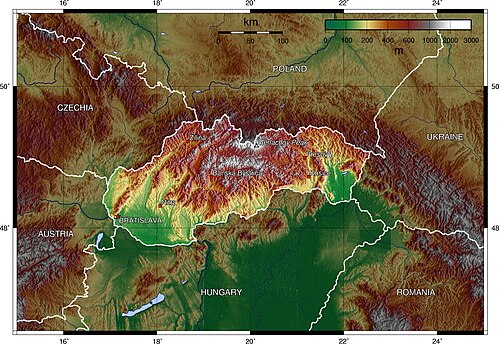
A topographical map of Slovakia

主要な事実(Key Facts)

  • 首都: ブラチスラバ(最大都市)
  • 公用語: スロバキア語
  • 通貨: ユーロ(2009年より導入)
  • 政治体制: 単一議会制共和国
  • 主要産業: 自動車製造、エネルギー(原子力発電)
  • 自然の象徴: タトラ山脈と数多くの国立公園

悠久の歴史:先史時代から独立まで

古代から中世の形成

スロバキアの地には、紀元前22,800年頃のヴィーナス像に見られるように、極めて古い時代から人類が居住していました。その後、青銅器時代や鉄器時代のハルシュタット文化、ラ・テーヌ文化を経て、ローマ帝国の影響を受けた時代へと移行します。
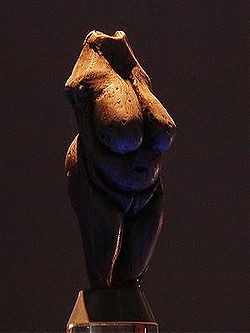
A Venus from Moravany nad Váhom, which dates back to 22,800 BC

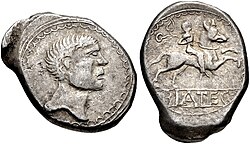
Biatec, presumably a king, who appeared on the Celtic coins minted by the Boii at the current location of Bratislava, 1st century B.C.

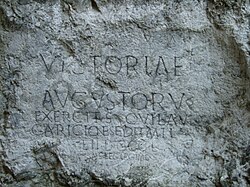
A Roman inscription at the castle hill of Trenčín (178–179 AD)

9世紀には、スラブ人の国家である大モラヴィアが興り、聖キリルと聖メトディウスによってキリスト教が伝えられました。これが後のスロバキアの精神的・文化的な基盤となりました。
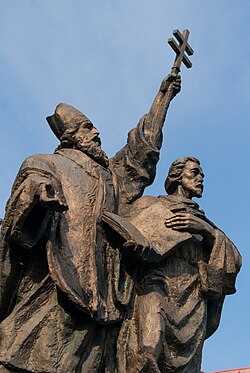
A statue of Saint Cyril and Saint Methodius in Žilina. In 863, they introduced Christianity to what is now Slovakia.

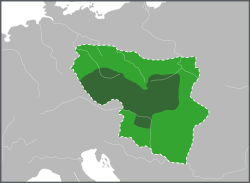
Certain and disputed borders of Great Moravia under Svatopluk I (according to modern historians)

ハンガリー王国とハプスブルクの時代

10世紀以降、この地域はハンガリー王国の支配下に入り、長らく「上ハンガリー」として知られることになります。その後、ハプスブルク君主国やオスマン帝国の侵攻など、欧州の権力争いの渦中に置かれましたが、その過程で独自の民族意識が醸成されていきました。
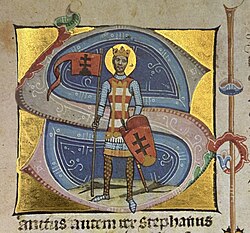
Stephen I, King of Hungary

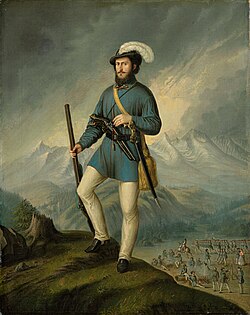
One of the commanders of a Slovak volunteers' army captain Ján Francisci-Rimavský during the fight for independence from the Kingdom of Hungary

近代の激動と独立への道

第一次世界大戦後、1918年にオーストリア=ハンガリー帝国から独立し、チェコスロバキア共和国が誕生しました。しかし、第二次世界大戦中はナチス・ドイツの傀儡国家として「スロバキア共和国」が一時的に成立するという悲劇的な時代を経験します。
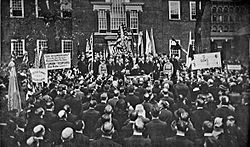
Czechoslovak declaration of independence by Tomáš Garrigue Masaryk in the United States, 1918

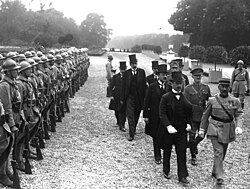
The Hungarian delegation arriving to Grand Trianon Palace at Versailles, to sign Treaty of Trianon, that cede territory of Slovakia (Upper Hungary) to Czechoslovakia after World War I, 1920

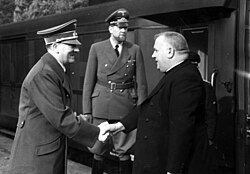
Adolf Hitler greeting Jozef Tiso, president of the (First) Slovak Republic, a client state of Nazi Germany during World War II, 1941

戦後は共産主義体制下に置かれ、1968年にはワルシャワ条約機構によるチェコスロバキア侵攻という弾圧を受けました。しかし、1989年のベルベット革命によって民主化が実現し、1993年1月1日、チェコとの平和的な分離(ベルベット離婚)を経て、現在のスロバキア共和国として独立を果たしました。
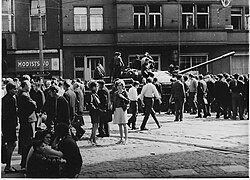
Soviet tank in Bratislava during the Warsaw Pact invasion of Czechoslovakia in 1968

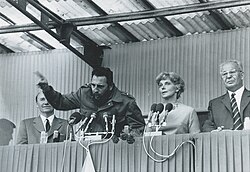
Czechoslovak communist leader Gustáv Husák (right) with Fidel Castro during his state visit of Czechoslovakia, 1972

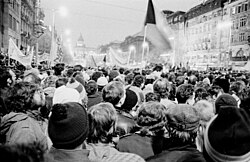
The Velvet Revolution ended 41 years of authoritarian communist rule in Czechoslovakia in 1989.

地理と自然環境

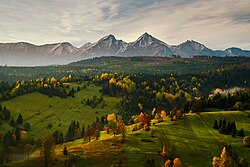
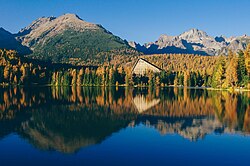
スロバキアの地形を象徴するのが、北部に連なるタトラ山脈です。ここはヨーロッパでも有数の高山地帯であり、美しい氷河湖や希少な野生動物(タトラカモシカなど)が生息しています。
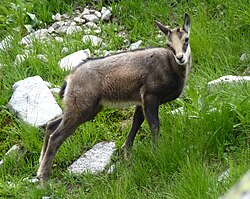
Rupicapra rupicapra tatrica in the Tatra Mountains

Belianske Tatras

Mountain lake Štrbské pleso

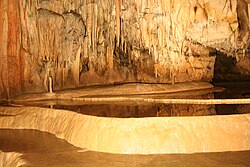
また、国内には「スロバキア・パラダイス」などの国立公園や、神秘的なドミツァ洞窟などのカルスト地形が広がっており、自然観光の拠点となっています。
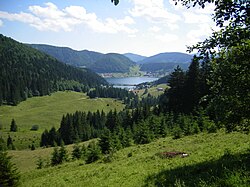
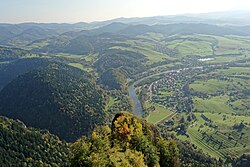
Slovak Paradise National Park

Domica Cave

Dunajec river

経済と社会基盤

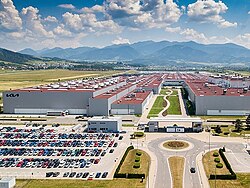
現代のスロバキアは、EU加盟(2004年)とユーロ導入(2009年)により、経済的に安定した市場経済へと移行しました。特に自動車産業が盛んで、起亜(Kia)などの大規模工場が雇用と経済を支えています。
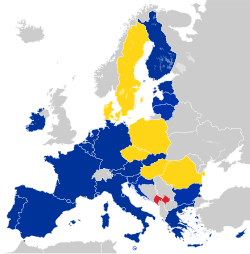
Slovakia is part of the Schengen Area, the EU single market, and since 2009, the eurozone (dark blue).

Kia's car production plant in Žilina

エネルギー分野では原子力発電への依存度が高く、エネルギー自給率の維持に努めています。また、インフラ整備も進んでおり、D1高速道路などの幹線道路が物流を支えています。
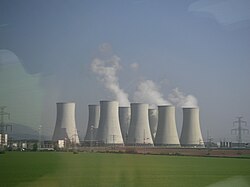
Nuclear Power Plant Jaslovské Bohunice

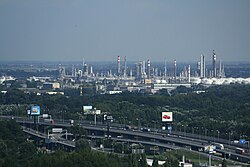
Slovnaft oil refinery in Bratislava

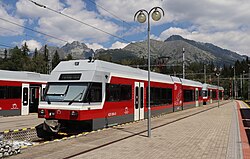
A train in the northern town of Vysoké Tatry

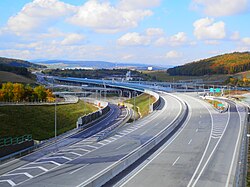
D1 motorway

文化・教育・ライフスタイル

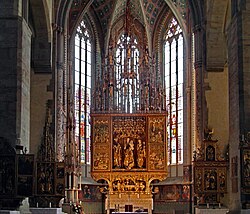
スロバキアの文化は、伝統的な民俗芸術と近代的な都市文化が共存しています。世界遺産に登録されているヴルコリネツの木造建築や、世界最大の木製祭壇を持つ聖ヤコブ聖堂などは、その芸術性の高さを物語っています。
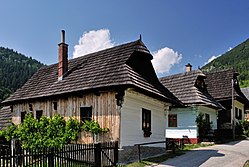
Wooden folk architecture can be seen in the well-preserved village of Vlkolínec, a UNESCO World Heritage Site.

Main altar in the Basilica of St. James, crafted by Master Paul of Levoča, 1517. It is the tallest wooden altar in the world

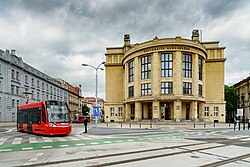
言語面では、リュドヴィート・シュトゥールによる標準語の体系化を経て、独自のアルファベットを持つスロバキア語が発展しました。教育面ではブラチスラバのコメニウス大学が最高学府として知られています。
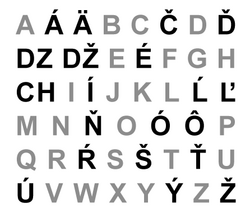
The Slovak alphabet has 46 letters, of which 3 are digraphs and 18 contain diacritics.

Comenius University headquarters in Bratislava

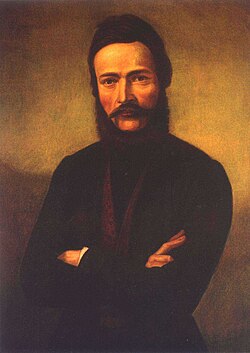
Ľudovít Štúr codified the Slovak standard language.

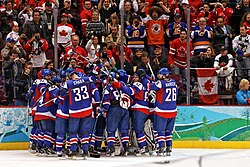
食文化では、羊のチーズを使用した「ブリンゾヴェー・ハルシュキ」が国民的な料理として愛されています。また、スポーツではアイスホッケーが非常に人気があり、世界的な強豪国として知られています。
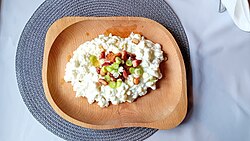
Bryndzové halušky, one of the national dishes in Slovakia

The Slovak national ice hockey team celebrating a victory against Sweden at the 2010 Winter Olympics

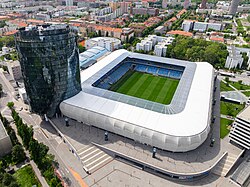
National football stadium in Bratislava

観光と都市の魅力

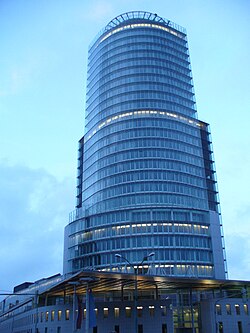
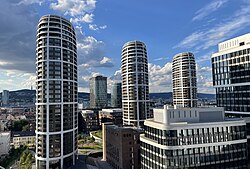
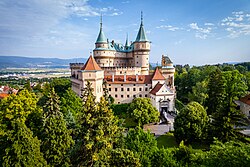
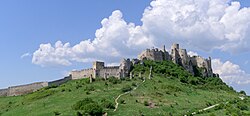
首都ブラチスラバは、歴史的な旧市街と近代的なビジネス街が融合した都市です。一方、地方にはボイニツェ城やスピシュ城といった壮大な城郭が点在し、中世の面影を今に伝えています。
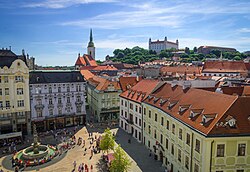
Bratislava, capital and largest city of Slovakia

National Bank of Slovakia in Bratislava

High-rise buildings in Bratislava's business districts

Bojnice Castle

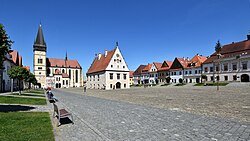
The centre of Bardejov – a UNESCO World Heritage Site

Spiš Castle

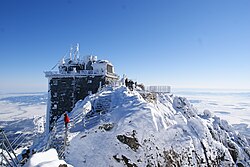
また、冬にはタトラ山脈でのスキー、夏にはロムニツキー・シト山頂の天文台からの絶景など、四季折々のアクティビティが楽しめます。
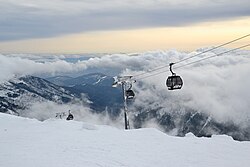
Cable cars at Jasná in the Tatra Mountains

Observatory at the top of the peak Lomnický štít, at the altitude above sea level of 2,632 m (8,635 ft).

政治と国際関係

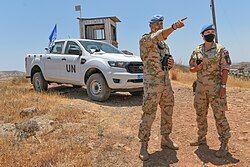
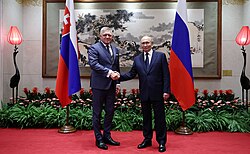
現在はピーター・ペレグリーニ大統領とロベルト・フィツォ首相による指導体制にあり、EUおよびNATOの加盟国として国際社会での役割を果たしています。また、国連の平和維持活動(キプロスなど)にも積極的に貢献しています。
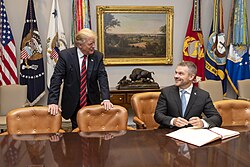
Former Slovak Prime Minister Peter Pellegrini (current President of Slovakia) with U.S. President Donald Trump in the White House, 2019

Slovak Prime Minister Robert Fico with Russian President Vladimir Putin in Beijing, 2025

Slovak members of UNFICYP peacekeepers patrolling the buffer zone in Cyprus

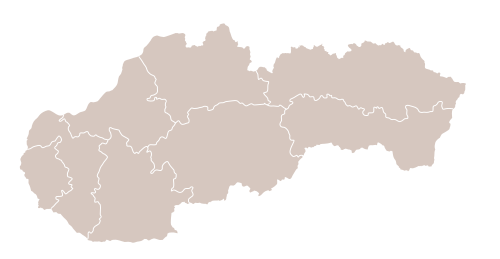
人口分布を見ると、西部のブラチスラバと東部のコシツェに集中しており、地域間のバランスある発展が課題となっています。
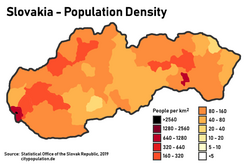
Population density in Slovakia. The two biggest cities are clearly visible, Bratislava in the far west and Košice in the east.

スロバキア共和国の概要まとめ

スロバキア共和国 基本データ
項目 詳細
面積 49,035 km²
人口 約540万人(2026年推計)
主要都市 ブラチスラバ、コシツェ、プレショフ
主要民族 スロバキア人 (88.6%)、ハンガリー人 (8.2%)
主要宗教 キリスト教(主にカトリック)
GDP (名目) 約1,677億ドル (2026年推計)

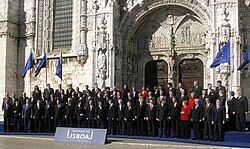
Slovakia became a member of the European Union in 2004 and signed the Lisbon Treaty in 2007.

ภาพประกอบบทความ

Frequently Asked Questions

スロバキアはいつ独立しましたか?

現在のスロバキア共和国として独立したのは1993年1月1日です。それ以前はチェコと共に「チェコスロバキア」という連邦国家を構成していました。

主要な産業は何ですか?

自動車産業が非常に強力で、世界的なメーカーの工場が集積しています。また、原子力発電によるエネルギー生産も国家の重要な基盤となっています。

タトラ山脈では何が楽しめますか?

冬は世界的に有名なスキーリゾートでのウィンタースポーツ、夏はハイキングや美しい氷河湖の観光、そして希少な野生動物の観察などが楽しめます。

使用されている通貨は何ですか?

2009年よりユーロ(€)が導入されており、EUの単一通貨圏(ユーロ圏)の一員となっています。

スロバキアの代表的な料理は何ですか?

「ブリンゾヴェー・ハルシュキ(Bryndzové halušky)」という、ジャガイモの団子に羊のチーズを絡めた料理が国民的な伝統料理として知られています。

References

  1. excluding the unspecified population which counts 295,558 people or 5.4%
  2. : Slovensko
  3. Slovak: Slovenská republika

📸 フォトギャラリー

A Venus from Moravany nad Váhom, which dates back to 22,800 BC
Biatec, presumably a king, who appeared on the Celtic coins minted by the Boii at the current location of Bratislava, 1st century B.C.
A Roman inscription at the castle hill of Trenčín (178–179 AD)
A statue of Saint Cyril and Saint Methodius in Žilina. In 863, they introduced Christianity to what is now Slovakia.
Certain and disputed borders of Great Moravia under Svatopluk I (according to modern historians)
Stephen I, King of Hungary
One of the commanders of a Slovak volunteers' army captain Ján Francisci-Rimavský during the fight for independence from the Kingdom of Hungary
Czechoslovak declaration of independence by Tomáš Garrigue Masaryk in the United States, 1918
The Hungarian delegation arriving to Grand Trianon Palace at Versailles, to sign Treaty of Trianon, that cede territory of Slovakia (Upper Hungary) to Czechoslovakia after World War I, 1920
Adolf Hitler greeting Jozef Tiso, president of the (First) Slovak Republic, a client state of Nazi Germany during World War II, 1941
Soviet tank in Bratislava during the Warsaw Pact invasion of Czechoslovakia in 1968
Czechoslovak communist leader Gustáv Husák (right) with Fidel Castro during his state visit of Czechoslovakia, 1972
The Velvet Revolution ended 41 years of authoritarian communist rule in Czechoslovakia in 1989.
Slovakia became a member of the European Union in 2004 and signed the Lisbon Treaty in 2007.
A topographical map of Slovakia
Slovak Paradise National Park
Domica Cave
Dunajec river
Rupicapra rupicapra tatrica in the Tatra Mountains
Belianske Tatras
Mountain lake Štrbské pleso
Former Slovak Prime Minister Peter Pellegrini (current President of Slovakia) with U.S. President Donald Trump in the White House, 2019
Slovak Prime Minister Robert Fico with Russian President Vladimir Putin in Beijing, 2025
Slovak members of UNFICYP peacekeepers patrolling the buffer zone in Cyprus
Bratislava, capital and largest city of Slovakia
ภาพประกอบบทความ
National Bank of Slovakia in Bratislava
Slovakia is part of the Schengen Area, the EU single market, and since 2009, the eurozone (dark blue).
High-rise buildings in Bratislava's business districts
Kia's car production plant in Žilina
Nuclear Power Plant Jaslovské Bohunice
Slovnaft oil refinery in Bratislava
A train in the northern town of Vysoké Tatry
D1 motorway
Bojnice Castle
The centre of Bardejov – a UNESCO World Heritage Site
Cable cars at Jasná in the Tatra Mountains
Spiš Castle
Observatory at the top of the peak Lomnický štít, at the altitude above sea level of 2,632 m (8,635 ft).
Population density in Slovakia. The two biggest cities are clearly visible, Bratislava in the far west and Košice in the east.
The Slovak alphabet has 46 letters, of which 3 are digraphs and 18 contain diacritics.
Comenius University headquarters in Bratislava
Wooden folk architecture can be seen in the well-preserved village of Vlkolínec, a UNESCO World Heritage Site.
Main altar in the Basilica of St. James, crafted by Master Paul of Levoča, 1517. It is the tallest wooden altar in the world
Ľudovít Štúr codified the Slovak standard language.
Bryndzové halušky, one of the national dishes in Slovakia
The Slovak national ice hockey team celebrating a victory against Sweden at the 2010 Winter Olympics
National football stadium in Bratislava