ヒンドゥー教の広大な神話体系において、シヴァは最も複雑で多面的な神の一人です。彼は宇宙の破壊者として知られていますが、その破壊は単なる終焉ではなく、新たな創造のための不可欠な浄化と再生を意味します。瞑想にふける禁欲的な修行者の姿から、家族を愛する慈悲深い父、そして宇宙のリズムを刻む舞踏手まで、シヴァは相反する性質を同時に併せ持つ神として崇拝されています。
主要な事実(Key Facts)
- 役割: 三柱の主神(トリムルティ)の一員であり、破壊と再生を司る。
- 別名: マハデーヴァ(偉大なる神)、パシュパティ(動物の主)、ナタラージャ(舞踏の王)など。
- 象徴: 三叉槍(トリシュラ)、三日月、第三の眼、聖牛ナンディ。
- 信仰形態: 抽象的な象徴である「リンガ」として、あるいは擬人化された姿で崇拝される。
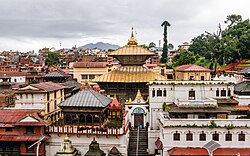
- 聖地: カイラス山を住処とし、ネパールのパシュパティナート寺院などが重要な聖地とされる。
シヴァの多面的な姿と象徴
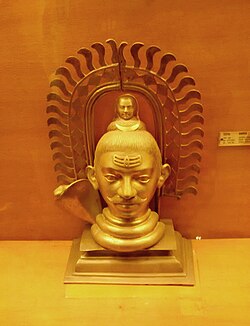
シヴァの図像学的な特徴は、彼の持つ多様な役割を反映しています。彼はしばしば、額に第三の眼を持ち、首に蛇を巻き、体に灰を塗った姿で描かれます。これは彼が世俗的な欲望を捨てた究極の禁欲者(アスケティック)であることを示しています。
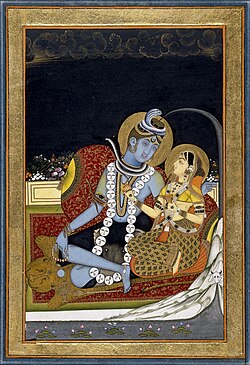
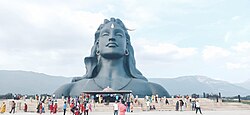
また、彼は「ヨガの主」としても知られ、深い瞑想を通じて宇宙の真理に到達した最初のヨギ(アディヨギ)とされています。この側面は、精神的な覚醒と自己実現を求める修行者たちにとっての理想像となっています。
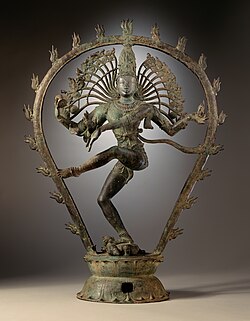
一方で、シヴァは情熱的な舞踏手としての側面も持ちます。宇宙の創造と破壊のリズムを踊る「ナタラージャ」の姿は、エネルギーの絶え間ない循環を象徴しています。
神聖な象徴と持ち物
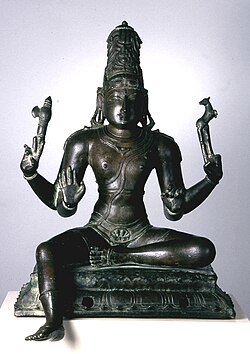
シヴァが持つ三叉槍(トリシュラ)は、創造・維持・破壊の三つの機能や、三つのグナ(性質)を制御することを意味します。また、小さな太鼓(ダマル)は宇宙の最初の音を鳴らし、創造の始まりを告げる道具とされています。
信仰の形態と哲学
シヴァへの信仰は「シャイヴィズム(シヴァ派)」と呼ばれ、インドのみならず東南アジアなど広範囲に広がりました。その崇拝形式は多岐にわたり、具体的な神像だけでなく、無限の光の柱を象徴するリンガという円筒形の石柱として祀られることが一般的です。
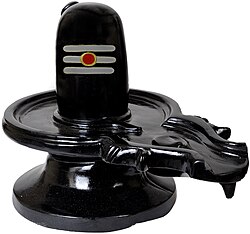
哲学的な側面では、シヴァは単なる神ではなく、宇宙の至高原理(パラブラフマン)として捉えられます。特にカシミール・シャイヴィズムなどの学派では、個人の意識とシヴァの意識が本来一つであるという不二一元論的な視点が強調されます。
多様な化身と形態
シヴァは状況に応じて様々な姿に変化します。例えば、男性性と女性性が完璧に融合した「アルダナリシュヴァラ」は、宇宙における対立する二極の調和を表しています。
![Ardhanarishvara sculpture, Khajuraho, depicting Shiva with goddess Parvati as his equal half.[168] In the Ardhanarisvara concept, the icon is presented as half-man and half woman.](/images/c6/f0/c6f0338429e6ba9cd450ba06c428827c07b296a7ce4fc588fb3dcc37309893fe.jpg)
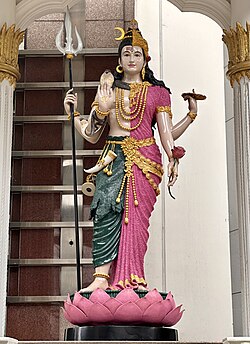
また、五つの顔を持つ「サダシヴァ」や、恐ろしい破壊神としての「バイラヴァ」など、慈愛と恐怖の両極端な形態を持つことで、宇宙のあらゆる側面を包括しています。
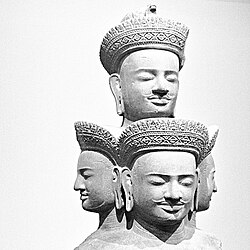
![A c. 750–800 CE gray schist three-headed Shiva from Kashmir, with a three-eyed yogi-king front facing form, his consort Parvati as the left head, and three-eyed Bhairava as right head. His sons Ganesha and Kumara stand at his feet, and a three-eyed Vrishabha, his mount, stands behind.[151]](/images/4f/5f/4f5ff99b5b9e25622f4d4dbbba6826942606c5c9dfa6073d043c5cbfea8e6c3d.jpg)
歴史的展開と文化的影響
シヴァの起源は古く、インダス文明の遺跡から出土した「パシュパティ印章」に描かれた人物が、初期のシヴァ(プロト・シヴァ)であるという説があります。その後、ヴェーダ時代の嵐の神ルドラと融合し、現在の複雑な神格へと発展しました。
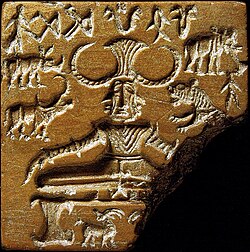
この信仰はインド亜大陸を越え、インドネシアのジャワ島やカンボジアなどへ伝播しました。また、仏教やシク教、さらには日本の大黒天や不動明王の形成にも間接的な影響を与えたと考えられています。
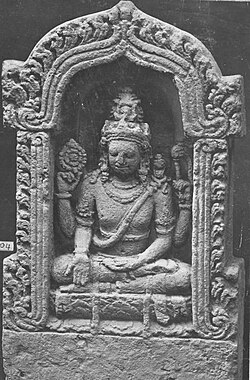
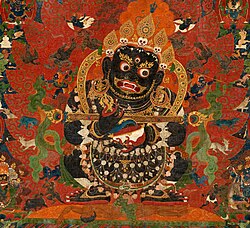
家族と関係性
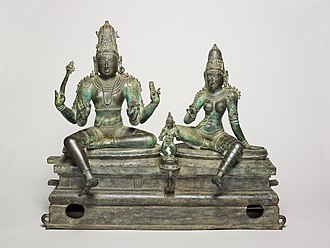
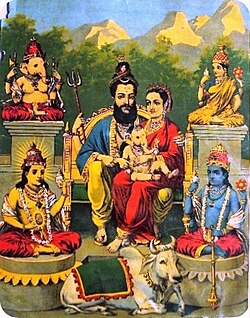
シヴァは女神パルヴァティー(またはサティー)と結ばれ、家庭的な側面も持ちます。彼らの息子であるガネーシャ(障害を取り除く神)とカルティケーヤ(軍神)と共に、神聖な家族として描かれることが多いです。
シヴァ神の概要まとめ
| 項目 | 詳細 |
|---|---|
| 主な役割 | 破壊、再生、ヨガ、瞑想、芸術の主 |
| 配偶者 | パルヴァティー、サティー |
| 子供 | ガネーシャ、カルティケーヤ |
| 乗り物(ヴァーハナ) | 聖牛ナンディ |
| 主要な祝祭 | マハ・シヴァラトリ |
| 代表的なマントラ | Om Namah Shivaya(オーム・ナマ・シヴァーヤ) |
関連する図像の変遷
時代や地域によって、シヴァの表現は異なります。6世紀のエレファンタ石窟に見られる荘厳な姿から、ガンダラ美術における三面像まで、芸術的な表現は絶えず進化してきました。
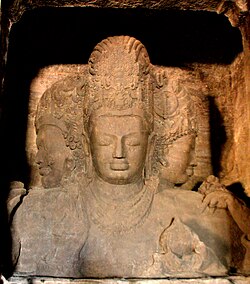
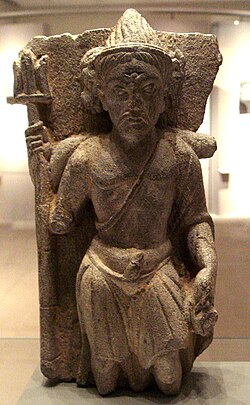
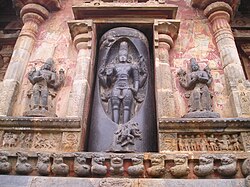
また、シヴァがリンガから現れる「リンゴドバヴァ」の図像は、彼がトリムルティ(三柱の神)の中でも至高の存在であることを物語る象徴的な場面です。
現代においても、シヴァは単なる宗教的象徴に留まらず、精神的な探求や芸術のインスピレーションの源として、世界中で愛され続けています。
Frequently Asked Questions
シヴァ神はなぜ「破壊神」と呼ばれるのですか?
シヴァの破壊は、古いものや不要なものを消し去り、新しい創造のためのスペースを作る「浄化」の意味を持っています。宇宙のサイクルにおいて、破壊なしに再生はありえないため、彼は創造の準備を整える重要な役割を担っています。
「リンガ」とは何を意味しているのでしょうか?
リンガはシヴァ神の象徴的な形態であり、形のない無限のエネルギーや宇宙の根源的な力を表しています。具体的な人間のような姿ではなく、抽象的な柱として祀ることで、神の遍在性と無限性を表現しています。
シヴァ神とヨガの関係について教えてください。
シヴァは「アディヨギ(最初のヨギ)」とされており、瞑想とヨガの体系を人類に伝えた始祖であると考えられています。そのため、ヨガの修行者にとってシヴァは最高の師であり、精神的覚醒の象徴となっています。
アルダナリシュヴァラとはどのような姿ですか?
身体の右半分が男性(シヴァ)、左半分が女性(パルヴァティー)として描かれる形態です。これは、宇宙における男性原理と女性原理が不可分であり、究極的には一つの統合された存在であることを示しています。
マハ・シヴァラトリとはどのような行事ですか?
シヴァ神を称える最も重要な祝祭の一つです。多くの信者が断食や徹夜の瞑想、祈りを捧げ、シヴァとの精神的な結びつきを深める日とされています。
References
- This is the source for the version presented in Chidbhavananda, who refers to it being from the Mahabharata but does not explicitly clarify which of the two Mahabharata versions he is using. See , p. 5.
- Temporal range for Mesolithic in South Asia is from 12000 to 4000 years . The term "Mesolithic" is not a useful term for the periodisation of the South Asian Stone Age, as certain in the interior of the Indian subcontinent retained a Mesolithic culture into the modern period, and there is no consistent usage of the term. The range 12,000–4,000 Before Present is based on the combination of the ranges given by Agrawal et al. (1978) and by Sen (1999), and overlaps with the early Neolithic at . D.P. Agrawal et al., "Chronology of Indian prehistory from the Mesolithic period to the Iron Age", Journal of Human Evolution, Volume 7, Issue 1, January 1978, 37–44: "A total time bracket of c. 6,000–2,000 B.C. will cover the dated Mesolithic sites, e.g. Langhnaj, Bagor, Bhimbetka, Adamgarh, Lekhahia, etc." (p. 38). S.N. Sen, Ancient Indian History and Civilization, 1999: "The Mesolithic period roughly ranges between 10,000 and 6,000 B.C." (p. 23).
📸 フォトギャラリー