地球の表面では、岩石が風化し、砕かれた粒子である堆積物が絶えず移動しています。このプロセスは、単に物質が運ばれるだけでなく、地形を形成し、地層を構築する地球規模のダイナミズムの一部です。水、風、氷といった自然のエネルギーがどのように粒子を動かし、どこに堆積させるのか、その物理的なメカニズムを詳しく解説します。
Key Facts
- 堆積物はその起源により、陸源性、生物源性、宇宙源性、化学的沈殿の4つに大別される。
- 粒子の移動は、流体が粒子に及ぼす「せん断応力」が臨界値を超えた時に開始される。
- 輸送形態は、底面を転がる「掃流砂」、水中に舞う「浮遊砂」、そして極めて微細な「ウォッシュロード」に分かれる。
- 粒子の沈降速度は、粒径や流体の粘性、粒子の密度に依存し、ストークスの法則などで計算される。
- 自然界の河川では、砂と礫が混在することで「隠蔽効果」などの複雑な相互作用が発生する。
堆積物の分類と輸送環境
堆積物は、その成り立ちや物理的特性によって多様な分類がなされます。起源による分類では、陸上の岩石から由来する陸源性(lithogenous)や、プランクトンなどの遺骸からなる生物源性(biogenous)などが挙げられます。また、粒径によって、巨礫から砂、シルト、そして粘土やコロイドへと細かく区分されます。
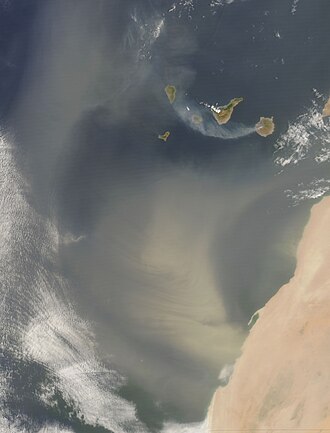
これらの粒子を運ぶ主役は、環境に応じて異なります。例えば、砂漠地帯では風による風成輸送(Aeolian transport)が支配的であり、大量の塵が海を越えて運ばれることがあります。
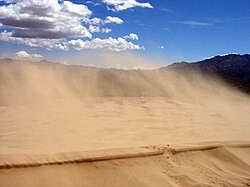
また、カリフォルニアの砂丘に見られるように、風が砂の頂部から粒子を吹き飛ばす現象は、地形の絶え間ない変化を象徴しています。
粒子が動き出す物理的条件
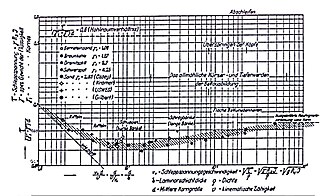
堆積物が静止状態から移動し始めるには、流体(水や空気)から受ける力、すなわちせん断応力(Shear stress)が、粒子を留めておく力(臨界せん断応力)を上回る必要があります。この関係を定量的に示したのが「シールド図(Shields diagram)」です。
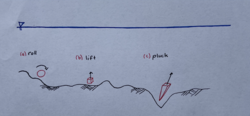
粒子の移動形態には、主に以下の3つのメカニズムがあります。
- 転動(Roll):底面を回転しながら移動する。
- 揚上げ(Lift):流体の力で底面から引き剥がされる。
- 抽出(Pluck):隙間から粒子が抜き取られる。
粒子のレイノルズ数と流動
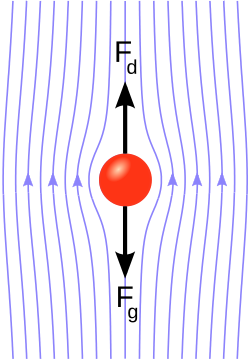
流体の流れが層流か乱流かは、粒子レイノルズ数によって決まります。小さな粒子が粘性の高い流体中を落下する場合、流れは層流となり、粒子の周囲に規則的な流線が形成されます。
輸送モードと沈降のメカニズム
粒子が一度舞い上がると、その後の挙動は「沈降速度」と流体の乱れ(乱流)のバランスで決まります。これを評価する指標がラウス数(Rouse number)です。ラウス数が高い場合は底面付近に留まる掃流砂となり、低い場合は水柱全体に分散する浮遊砂となります。
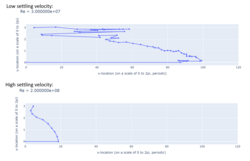
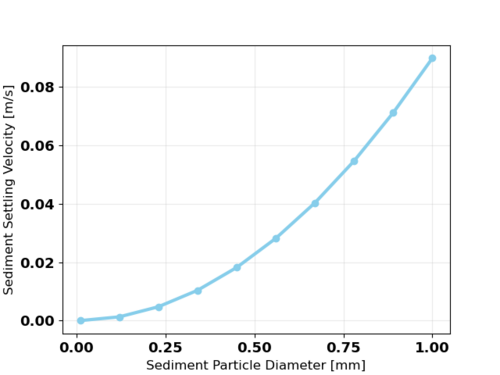
沈降速度は粒径の2乗に比例する傾向があり、ストークスの法則などで近似されます。しかし、極めて小さな粒子の場合、ブラウン運動などの拡散の影響を受け、底面に到達するまでの経路が複雑になります。
粒径と沈降速度の相関関係をグラフ化すると、粒子が大きくなるほど急速に沈降することが明確に分かります。
輸送形態のまとめ
| 輸送モード | ラウス数 (P) | 特徴 |
|---|---|---|
| 移動開始 | > 7.5 | 粒子が動き出す閾値 |
| 掃流砂 (Bed load) | 2.5 〜 7.5 | 底面を転がったり跳ねたりして移動 |
| 浮遊砂 (Suspended load) | 0.8 〜 2.5 | 流体中に浮遊して輸送される |
| ウォッシュロード (Wash load) | < 0.8 | 極めて微細で、ほぼ完全に浮遊 |
多様な輸送エージェント:水・氷・風
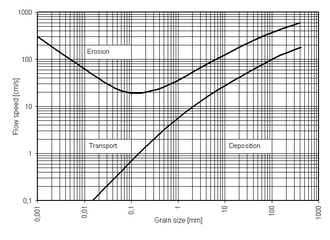
河川における輸送では、流速と粒径の関係を示すヒュルストローム曲線(Hjulström curve)が重要です。これにより、どの程度の流速があれば浸食が起こり、どの程度の流速で堆積が起こるかを判断できます。
河川の輸送負荷は、水に溶け込んだ「溶解負荷」と、物理的な粒子である「堆積物負荷」に分かれます。後者はさらに、底面を移動する負荷と、水中に浮遊する負荷に分類されます。
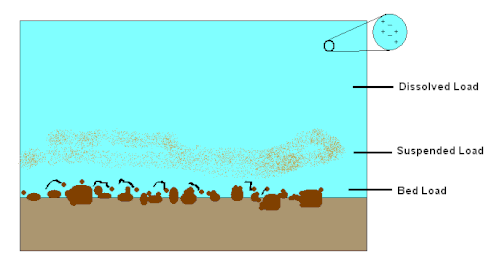
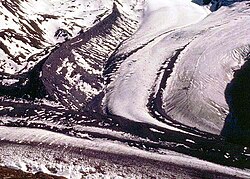
一方、氷河による輸送は非常に強力です。氷河は巨大な土砂を巻き込みながら移動し、その側面に側堆石(Lateral moraines)と呼ばれる堆積物を残します。
氷河が溶け出した水(氷河融水)は、大量の堆積物を運び出し、河口付近で扇状地のような地形を形成します。
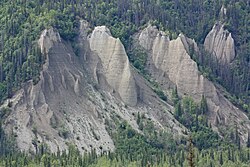
また、海岸線では波や沿岸流による輸送が行われ、砂浜に規則的なリップルマーク(漣痕)が形成されることがあります。

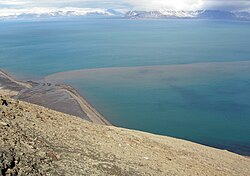
フィヨルドのような深い海域では、河川から流れ込んだ懸濁物質が、密度流となって深海へと運ばれる様子が観察されます。
Frequently Asked Questions
掃流砂と浮遊砂の違いは何ですか?
掃流砂は、河床や海底などの底面を転がったり、短く跳ねたりして移動する粒子です。一方、浮遊砂は流体の乱れ(乱流)によって水中に持ち上げられ、底面に触れずに運ばれる粒子を指します。
シールド図は何を決定するために使われますか?
シールド図は、ある特定の粒径の粒子が、流体からどの程度のせん断応力を受ければ動き出すかという「移動開始の閾値」を決定するために使用されます。
ストークスの法則とはどのような法則ですか?
流体中を落下する微小な球形粒子の終末速度(沈降速度)を計算する法則です。粒子の半径、密度、流体の粘性を用いて、重力と抵抗力が釣り合った状態の速度を導き出します。
「隠蔽効果(Hiding effect)」とは何ですか?
砂と礫が混在する河床において、小さな砂粒子が大きな礫の隙間に閉じ込められ、本来の粒径から予想されるよりも動きにくくなる現象のことです。
ラウス数は何を意味していますか?
粒子の沈降速度と、流体の乱れの強さ(摩擦速度)の比率を示す無次元数です。この値によって、粒子が底面付近に集中して運ばれるか、水柱全体に分散して運ばれるかが決まります。
References
- Anderson, R (1990). "Eolian ripples as examples of self-organization in geomorphological systems". Earth-Science Reviews. 29 (1–4): 77. :10.1016/0012-8252(0)90029-U.
- Kocurek, Gary; Ewing, Ryan C. (2005). "Aeolian dune field self-organization – implications for the formation of simple versus complex dune-field patterns". Geomorphology. 72 (1–4): 94. :2005Geomo..72...94K. :10.1016/j.geomorph.2005.05.005.
- Goudie, A; Middleton, N.J. (2001). "Saharan dust storms: nature and consequences". Earth-Science Reviews. 56 (1–4): 179. :2001ESRv...56..179G. :10.1016/S0012-8252(01)00067-8.
- "Dust Storm Spreads Out of Gobi Desert". Earthobservatory.nasa.gov. 13 April 2006. Retrieved 2022-05-08.
- Neuendorf, Klaus K.E.; Mehl, James P. Jr; Jackson, Julia A., eds. (2011). Glossary of Geology (5th revised ed.). Alexandria, Virginia: American Geological Institute. p. 800. . 751527782.
- Wilson, W.E. & Moore, J.E. 2003. Glossary of Hydrology, American Geological Institute, Springer, 248pp.
- Charlton, Ro (2008). Fundamentals of fluvial geomorphology. London: Rutledge. p. 234. .
- Wohl, Ellen (2014). Rivers in the Landscape: Science and Management. Wiley-Blackwell. p. 330. .
- Ashton, Andrew; Murray, A. Brad; Arnault, Olivier (2001). "Formation of coastline features by large-scale instabilities induced by high-angle waves". Nature. 414 (6861): 296–300. :2001Natur.414..296A. :10.1038/35104541. 11713526. 205023325.
- Roering, Joshua J.; Kirchner, James W.; Dietrich, William E. (1999). "Evidence for nonlinear, diffusive sediment transport on hillslopes and implications for landscape morphology". Water Resources Research. 35 (3): 853. :1999WRR....35..853R. :10.1029/1998WR900090.
📸 フォトギャラリー