読書は多くの人々にとって、知的好奇心を満たし、楽しみを得るための日常的なレジャー活動です。しかし、私たちが当たり前に行っている「文字を読み、意味を理解する」という行為は、生物学的な視点から見ると非常に特殊なプロセスです。人間にとって言葉を話す能力は本能的なものですが、文字を読む能力は後天的に習得しなければならない高度なスキルだからです。
現代社会において、読書習慣や識字能力(リテラシー)の格差は、教育レベルや社会経済的な状況、さらには個人の認知特性によって大きく異なります。本記事では、読書が脳に与える影響から、効率的な学習方法、そして読書における困難さまでを科学的な視点で解説します。
Key Facts
- 脳の適応: 人類が文字を書き始めてから約5,500年しか経っておらず、脳は自然に読めるように進化していないため、既存の神経系を適応させて読書を実現している。
- 学習の可能性: 研究によれば、適切な指導があれば約95%の児童が小学校1〜2年生までに読解力を身につけることができる。
- 読書速度の現実: 成人の英語読書速度は通常1分間に175〜320単語であり、1,000単語を超えるような極端な速読には懐疑的な見方が強い。
- 識字率の変動: 米国のデータでは、成人の読書習慣が減少傾向にあり、特にフィクションの読書率が過去10年で17%低下している。
読書を司る脳のメカニズム
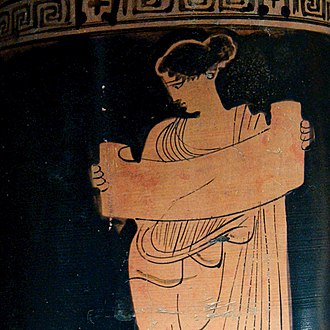
人間の言語能力(話し言葉)は数万年から数百万年前から存在すると考えられていますが、書き言葉の歴史はわずか5,500年ほどです。つまり、私たちの脳は「読むこと」に特化して進化してきたわけではありません。
読書を行う際、脳は視覚領域と言語領域を密接に連携させ、さらに記憶、感情、意思決定、行動に関連する神経系を総動員して情報を処理します。文字という視覚記号を音に変換し、それを意味へと結びつけるこのプロセスは、脳の柔軟な適応能力によって可能になっています。
![Writing is only about 5,500 years old, unlike human speech which is thought to be from 50,000 years to 2 million years old.[39] So, unlike speech, the brain did not evolve to read naturally. As a result, the brain adapts to the challenge of reading. The process of reading involves most of the brain, especially an interconnection between visual areas and language areas; but also neural systems related to action, emotion, decision-making, and memory.[40][41]](/images/5a/56/5a56ac0e0a23f408d8abe26e682abe6f857065bd11d902cc1bb9eba0327612cb.jpg)
読解力を習得するためのプロセス
スムーズな読書を実現するには、単に文字を知っているだけでなく、複数の認知プロセスが同時に機能する必要があります。特に重要なのが音韻意識(音の最小単位である音素を認識し操作する能力)と、文字と音の対応関係を理解するアルファベット原理(正書法)の習得です。
子供たちが読書を「義務」ではなく「楽しみ」と感じ、世界に対する広範な知識を持つことで、読解力はより飛躍的に向上します。一方で、英語のような綴りと発音の乖離が大きい言語(深い正書法)では、習得に時間がかかる傾向があります。
![Researchers have concluded that approximately 95% of students can be taught to read by the end of the first or second year of school, yet in many countries 20% or more do not meet that expectation.[34][35]](/images/a9/e6/a9e61acf216ca1b9831f66860779ec0d9d3965df8232ea1301f168b0fd7a9c1d.jpg)
読書指導のアプローチ
効果的な指導法として、音素と文字の結びつきを体系的に教える「フォニックス」や、文脈から意味を捉える「ホールランゲージ」などの手法があります。また、個々のレベルに合わせたガイド付き読書や、自立した読書習慣の育成が重要視されています。
読書の多様性と個別の課題
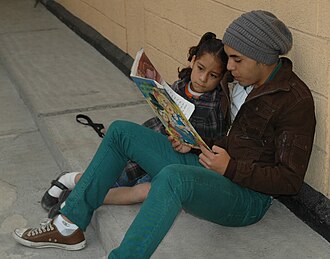
すべての人にとって読書が容易であるとは限りません。文字の認識や音韻処理に困難を抱えるディスレクシア(読字障害)などの学習障害が存在します。これらは知能の問題ではなく、脳の情報処理プロセスの違いによるものです。点字のような代替的な表記体系の利用や、個別の支援策によって、多くの人が情報へのアクセス権を得ることができます。

読書速度と効率についての議論
短時間で大量の情報を処理する「速読」への関心は高いですが、認知神経科学者の間では、理解度を維持したまま極端な速度で読むことは不可能であるという見解が一般的です。重要なのは、単なる速度ではなく、内容を深く分析的に読み解く能力です。
読書の文化的・精神的価値
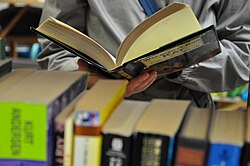
読書は単なる情報収集の手段ではなく、精神的な豊かさや認知機能の維持に寄与します。古くから修道院の図書室や個人の書斎で静かに行われてきた読書は、深い思索と内省の時間を提供してきました。

現代においても、ベッドでの読書や趣味としての読書は、ストレス軽減や創造性の向上に役立ちます。読書習慣を持つことは、高齢期における認知機能の低下を防ぐ効果があるとも示唆されています。

読書能力に関するまとめ
| カテゴリー | 主要要素 | 影響・特徴 |
|---|---|---|
| 認知プロセス | 音韻意識・単語認識 | 文字を音と意味に変換する基礎能力 |
| 学習要因 | 教育レベル・環境 | 社会経済的状況や興味関心が習得速度に影響 |
| 個別の差異 | ディスレクシア等 | 脳の処理特性による読字の困難さ |
| 読書速度 | WPM(分速単語数) | 成人の平均は175〜320 WPM程度 |
Frequently Asked Questions
速読で1分間に1,000単語読むことは可能ですか?
認知神経科学の専門家は、理解力や記憶保持を損なわずにそのような速度で読むことは不可能であると考えており、極端な速読の主張には懐疑的な見方が強いです。
なぜ読書は「学習」が必要なのですか?
人間は話し言葉を話す能力は持って生まれますが、文字を読むための脳の回路は進化の過程で備わったものではないため、後天的なトレーニングによる脳の適応が必要だからです。
ディスレクシアとはどのような状態ですか?
知能に問題がないにもかかわらず、文字の認識や音韻処理に困難が生じ、正確にスムーズに読むことが難しい学習障害の一種です。
子供の読解力を伸ばすために最も重要なことは何ですか?
読書を「楽しい活動」として捉えさせること、そして日常的に世界に関する知識を広げさせることが、読解力の向上に大きく寄与します。
英語の読書習得が難しいと言われる理由は何ですか?
英語は綴りと発音のルールが複雑で、例外が多い「深い正書法」を持つ言語であるため、文字と音の対応を習得するのに時間がかかる傾向があるためです。
References
- "read". Merriam-Webster. 17 July 2023. Archived from the original on 4 December 2023. Retrieved 14 January 2021.
- "Definition of 'read'". Collins English Dictionary. Archived from the original on 2022-11-01. Retrieved 2021-02-07.
- "Read: Reproduce mentally or vocally the written or printed words by following the symbols with the eyes or fingers". The concise Oxford Dictionary. Oxford University Press. 1990. .
- "read". Cambridge Dictionary. Archived from the original on 2023-03-06. Retrieved 2021-03-09.
- Webster's New World Dictionary, New York: , 1984,
- "What is reading? Reading Rockets". 24 April 2013. Archived from the original on 25 March 2023. Retrieved 14 January 2021.
- "National reading panel, Teaching child to read, Reports of the subgroups" (PDF). 2000. Archived (PDF) from the original on 2023-10-28. Retrieved 2021-01-14.
- Joyce, Terry, Borgwaldt, S. (2013). Typology of Writing Systems. John Benjamins Publishing. p. 2. .
- "What Is Braille?". The American Foundation for the Blind. Archived from the original on 2019-03-08. Retrieved 2021-01-14.
- Research evidence on reading for pleasure, Department for Education, England, DFE-57519-2012. 2012.
📸 フォトギャラリー