鳥類の身体を覆う羽毛(plumage)は、脊椎動物の中で最も複雑な皮膚構造の一つです。単なる外装ではなく、飛行を可能にし、体温を維持し、さらには種族間のコミュニケーションを担う高度な進化の産物といえます。この羽毛に関する学問は「羽毛学(plumology)」と呼ばれ、生物学や古生物学の視点から深く研究されています。
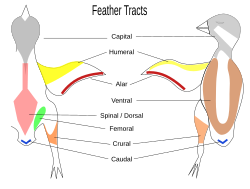
羽毛は皮膚のあらゆる場所から生えるわけではなく、特定の「羽毛帯(pterylae)」と呼ばれる領域から発生します。この特異な構造が、鳥類を他の現生動物から明確に区別する大きな特徴となっています。
Key Facts
- 多機能性: 飛行、断熱、防水、そして視覚的なコミュニケーションという重要な役割を持つ。
- 複雑な構造: 軸(rachis)から羽枝(barbs)が分かれ、さらに微細な羽小枝(barbules)が互いに組み合わさることで面を形成する。
- 進化の歴史: 現生鳥類だけでなく、一部の非鳥類恐竜や主竜類にも存在していた。
- 人間への利用: 高い断熱性を活かした寝具や衣類、歴史的な筆記具(クイルペン)などに利用されてきた。
羽毛の精緻な構造と多様性
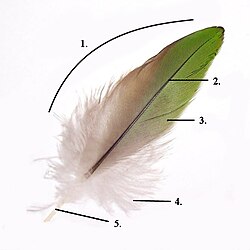
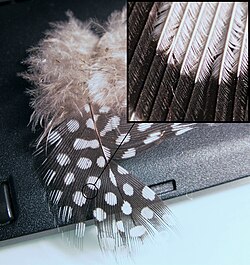
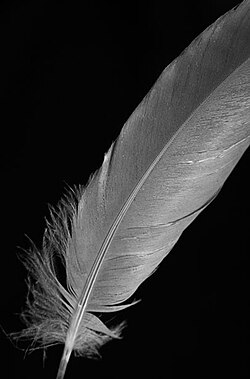
羽毛は、その形態によって多様な種類に分類されます。基本的な構造は、皮膚に埋まった管状の「羽管(calamus)」から始まり、そこから上方に伸びる「羽軸(rachis)」へと続きます。羽軸から左右に伸びる「羽枝(barbs)」と、それを繋ぎ止める微細な「羽小枝(barbules)」がジッパーのように噛み合うことで、空気の通り道を制御する強固な「羽弁(vane)」が形成されます。
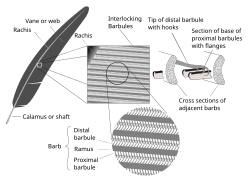
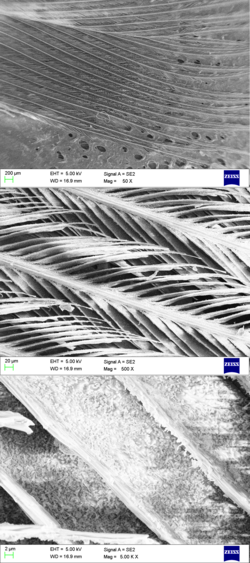
この微細なインターロック構造により、鳥は飛行時に空気の抵抗を効率的に利用し、同時に水や風を防ぐことができます。走査電子顕微鏡で観察すると、この精巧な組み合わさりがより鮮明に確認できます。
また、用途に応じて羽毛の形状は異なります。例えば、装飾や求愛に用いられる「針状羽(filoplumes)」や、口の周りに生える「剛毛(rictal bristles)」など、飛行以外の目的を持つ特殊な羽毛も存在します。
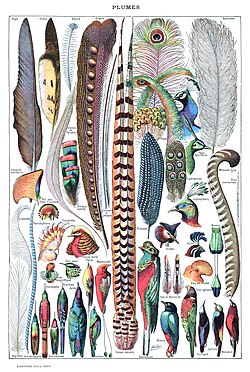
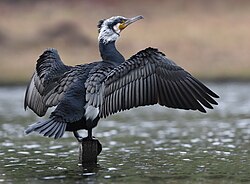
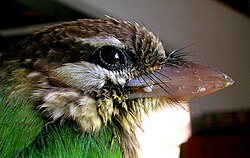
種による構造の違いは顕著で、コンゴウインコのような鮮やかな色彩を持つ鳥から、ホロホロチョウのような独特な質感を持つ鳥まで、環境に適応した多様な形態が見られます。
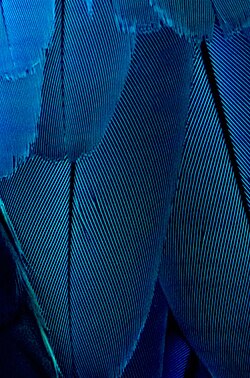
色彩のメカニズムと機能
羽毛の色は、主に色素によるものと、物理的な構造によるものの2種類に分けられます。赤や黄色などの鮮やかな色はカロテノイドやトゥラシンといった色素によるものであり、黒や茶色はメラニンによって形成されます。一方で、青色や虹色の光沢は、色素ではなく羽毛の微細構造が光を回折・反射させることで生まれる「構造色」です。
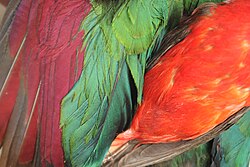
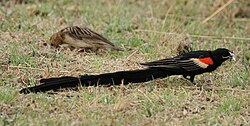
これらの色彩は、単なる美しさのためだけではなく、生存戦略に深く関わっています。捕食者から身を隠す保護色としての機能や、配偶者を惹きつけるための求愛ディスプレイとしての役割があります。特に尾羽の長さや色の鮮やかさは、個体の健康状態や遺伝的な質の指標となることがあります。
羽毛の進化プロセス
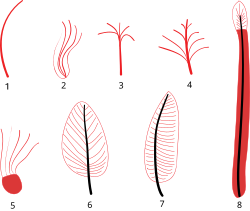
羽毛は、ある日突然完成したわけではなく、段階的な進化を経て現在の形になりました。研究者のXuとGuoは、単純な一本のフィラメントから始まり、基部で結合し、やがて中心軸を持つ複雑な構造へと発展したという段階的なモデルを提唱しています。ただし、化石の保存状態による誤認の可能性も指摘されており、議論は続いています。
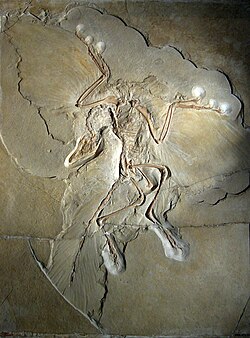
化石の記録によれば、始祖鳥(Archaeopteryx)のような初期の鳥類だけでなく、多くの獣脚類恐竜が羽毛を持っていたことが分かっています。これにより、羽毛の本来の目的は飛行ではなく、体温調節(断熱)やディスプレイであったという説が有力視されています。
人間社会における羽毛の利用
人間は古来より、羽毛の物理的特性を巧みに利用してきました。特にガチョウやエイダーのダウン(羽毛)は、圧縮された状態から大きく膨らむ「ロフト感」があり、大量の空気を蓄えて熱を遮断できるため、高級寝具や冬用衣類、寝袋の充填材として最適です。
文化的な側面では、宗教的な儀式や権威の象徴として用いられてきました。ブラジル帝国のペドロ2世が身にまとったトゥカンの羽毛の襟や、メキシコの伝統的な羽毛工芸に見られるように、芸術的な価値も高く評価されています。また、先住民族の伝統的な籠編みに羽毛が組み込まれるなど、実用と装飾を兼ねた利用例も見られます。

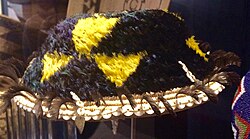

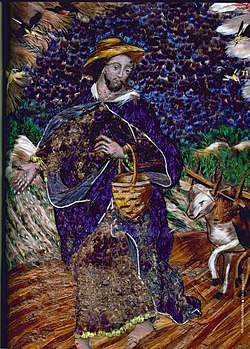
かつては装飾目的の乱獲により絶滅危惧種が増えるという問題がありましたが、現代のファッションや軍装に用いられる羽毛の多くは、家禽(ニワトリ、ガチョウ、シチメンチョウなど)の産業廃棄物を再利用し、染色などの加工を施したものです。
羽毛の特性まとめ
| 機能 | 寄与する構造・特性 | 具体例 |
|---|---|---|
| 飛行 | 非対称な羽軸、インターロックする羽小枝 | 初列風切羽 |
| 断熱 | 空気層を保持するダウン構造(ロフト感) | ダウンジャケット、寝具 |
| 通信・求愛 | 色素(カロテノイド等)および構造色 | クジャクの尾羽、求愛ディスプレイ |
| 防水 | 緻密な羽弁の構造と尾脂腺の油 | 水鳥の羽装 |
Frequently Asked Questions
羽毛はどのようにして色がついているのですか?
主に2つの方法があります。一つはメラニンやカロテノイドなどの「色素」による化学的な着色です。もう一つは、羽毛の微細な構造が特定の波長の光を反射させることで見える「構造色」です。青色などはこの構造色によることが多いです。
恐竜に羽毛があったのは本当ですか?
はい、本当です。多くの化石証拠から、非鳥類恐竜(特に獣脚類)に羽毛のような構造があったことが判明しています。これらは飛行のためではなく、主に体温維持やディスプレイのために進化し、後に飛行へと転用されたと考えられています。
ダウン(羽毛)が暖かいのはなぜですか?
ダウンは非常に細い繊維が複雑に絡み合った構造をしており、その隙間に大量の静止した空気を閉じ込めることができるためです。空気は熱伝導率が非常に低いため、優れた断熱材として機能します。
羽毛の構造で「インターロック」とは何を指しますか?
羽枝からさらに分かれた微細な「羽小枝」が、隣り合う羽小枝とジッパーのように噛み合う仕組みのことです。これにより、羽毛がバラバラにならず、一枚の面(羽弁)として機能し、空気の壁を作ることができます。
現代のファッションで使われる羽毛はどこから来ていますか?
かつては野生鳥類の乱獲が問題となりましたが、現在は主にニワトリやガチョウなどの家禽業から出る副産物として得られています。天然では地味な色が多いため、染色などの加工を経て利用されています。
References
- .; AH Brush (2002). "The evolutionary origin and diversification of feathers" (PDF). . 77 (3): 261–295. :10.1086/341993. 12365352. 6344830. Archived (PDF) from the original on 29 June 2011. Retrieved 7 July 2010.
- Prum, R.O. & Brush, A.H (March 2003). "Which Came First, the Feather or the Bird?" (PDF). . 288 (3): 84–93. :2003SciAm.288c..84P. :10.1038/scientificamerican0303-84 (inactive 10 August 2026). 12616863. Archived (PDF) from the original on 29 June 2011. Retrieved 7 July 2010.
{{}}: CS1 maint: DOI inactive as of August 2026 () - Prum, Richard O (1999). "Development and Evolutionary Origin of Feathers" (PDF). Journal of Experimental Zoology Part B: Molecular and Developmental Evolution. 285 (4): 291–306. :1999JEZ...285..291P. :10.1002/(SICI)1097-010X(19991215)285:4<291::AID-JEZ1>3.0.CO;2-9. 10578107. Archived from the original (PDF) on 9 April 2011. Retrieved 7 July 2010.
- Li, Quanguo (9 March 2012). "Reconstruction of Microraptor and the Evolution of Iridescent Plumage". Science. 335 (6073): 1215–1219. :2012Sci...335.1215L. :10.1126/science.1213780. 22403389. 206537426.
- Pettingill, OS Jr. (1970). Ornithology in Laboratory and Field. Fourth edition. Burgess Publishing Company. pp. 29–58. .
- "Galapagos plumology" (PDF). darwinfoundation.org. Charles Darwin Collections Database by the Charles Darwin Foundation. Archived from the original on 17 March 2016. Retrieved 24 April 2015.
- Eichhorn, hrsg. von Manfred (2005). Langenscheidt Fachwörterbuch Biologie Englisch: englisch – deutsch, deutsch – englisch (1. Aufl. ed.). Berlin [u.a.]: Langenscheidt. p. 537. . Archived from the original on 17 December 2017. Retrieved 24 April 2015.
- Bonser, R.H.C.; Dawson, C. (1999). "The structural mechanical properties of down feathers and biomimicking natural insulation materials". Journal of Materials Science Letters. 18 (21): 1769–1770. :10.1023/A:1006631328233. 135061282.
- Johnston, Nicole & Parsons, Jean (20 September 2018). "Feathers: Endangered – Fauna and Fashion". 's Historic Costume and Textiles Collection.
- "pen(3)". The Merriam-Webster Online Dictionary. Merriam-Webster, Inc. Archived from the original on 19 September 2011. Retrieved 16 October 2010.
📸 フォトギャラリー