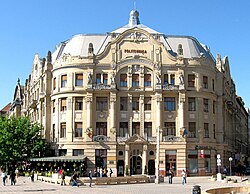
Maximum territorial extent of the Kingdom of Dacia during Burebista's reign (early 40s BC)
← ホームへ戻る
ルーマニアブカレストダキア東欧歴史ルーマニア経済

ルーマニアの歴史と文化古代ダキアから現代の欧州国家まで

🗓 2026年8月10日

東欧の心臓部に位置するルーマニアは、ラテン文化の伝統とバルカン半島の多様性が融合したユニークな国家です。豊かな自然環境と、激動の歴史を経て築かれた強固なアイデンティティを持つこの国は、現在、欧州連合(EU)の一員として経済的・政治的な発展を続けています。

主要な事実(Key Facts)

  • 首都: ブカレスト(国内最大の都市)
  • 公用語: ルーマニア語
  • 宗教: キリスト教(主にルーマニア正教会)
  • 政治体制: 単一制半大統領制共和国
  • 通貨: ルーマニア・レウ (RON)
  • 主要産業: 自動車産業(ダチア社など)、エネルギー、農業

歴史の変遷:古代から現代まで

古代と中世の形成

ルーマニアのルーツは、紀元前1世紀頃にブレビスタ王の下で最大版図を誇ったダキア王国にまで遡ります。その後、ローマ帝国の支配を経てラテン文化が浸透し、現在のルーマニア語の基礎が築かれました。
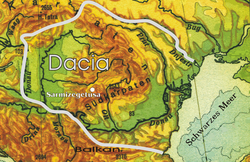
Maximum territorial extent of the Kingdom of Dacia during Burebista's reign (early 40s BC)

中世に入ると、ゴート系民族であるテルヴィンギなどの部族がこの地に影響を与え、その後、ワラキア公国とモルダヴィア公国という二つの主要な政治主体が形成されました。これらの地域は、オスマン帝国の圧力にさらされながらも、独自の文化と統治体制を維持しました。
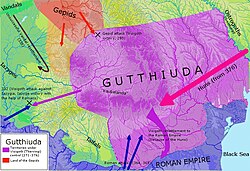
Gutthiuda, or the land of the Gothic-speaking Thervingi, and the neighbouring tribes (370s AD)

また、この地域は第一次ブルガリア帝国の影響も強く受け、複雑な民族的・政治的境界線が引かれた時代が続きました。
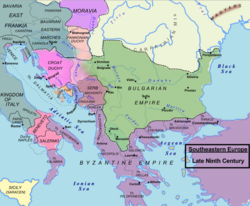
First Bulgarian Empire (681–1018) around 850

近代国家への歩みと激動の20世紀

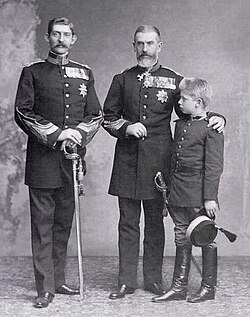
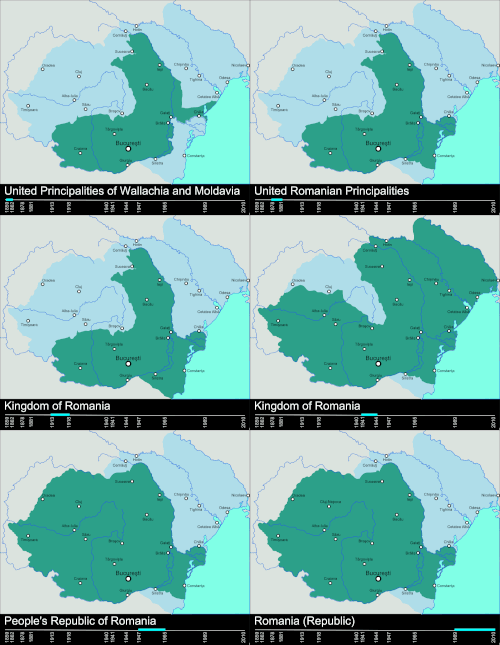
19世紀半ば、ワラキアとモルダヴィアが統合され、1877年にはオスマン帝国からの独立を果たします。その後、王国時代を経て、第一次世界大戦後の1918年には「大統合」により領土を大きく拡大させました。
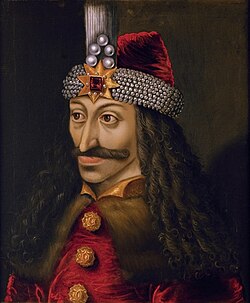
Vlad III of Wallachia (also known as Vlad the Impaler), medieval ruler of Wallachia
Animated map depicting the territorial changes of Romania from 1859 to 2010
King Carol I with his nephew Ferdinand and his son, Carol II

しかし、第二次世界大戦後は社会主義体制へと移行し、特にニコラエ・チャウシェスク政権下では、北朝鮮の主チェ思想や毛沢東主義の影響を受けた強権的な国家運営が行われました。
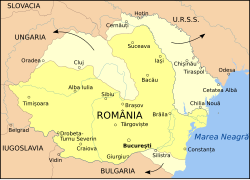
Romania's territorial losses in the summer of 1940. Of these territories, only Northern Transylvania was regained after the end of World War II
Nicolae Ceaușescu with Kim Il Sung of North Korea in 1978. In reforming the state, Ceaușescu sought to emulate Juche and Maoist ideas[144][145][146]

1989年の革命により共産主義体制は崩壊し、ルーマニアは民主化への道を歩み始めました。ブカレストの街頭では激しい衝突がありましたが、これが現代の共和国へと繋がる転換点となりました。
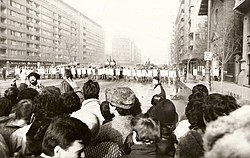
Tanks and Miliția on the Magheru Boulevard in Bucharest during the revolution

地理と自然環境

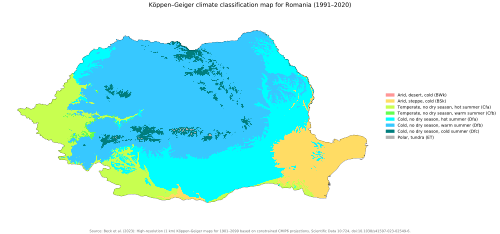
ルーマニアは多様な地形を持つ国であり、カルパティア山脈が国土を横断し、南東部には黒海に面した海岸線が広がっています。地形的な多様性は、気候の多様性にも寄与しています。
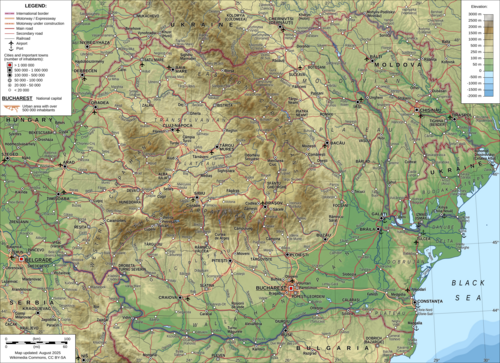
Topographic map of Romania
Romanian map of Köppen climate classification

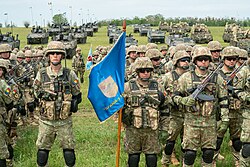
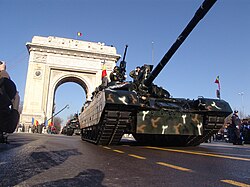
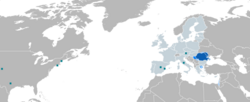
外交面では世界中に使節団を配置し、国際社会での存在感を高めています。また、NATO加盟国として国防を強化しており、共同演習などを通じて安全保障体制を構築しています。
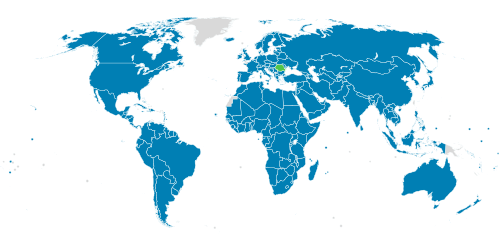
Diplomatic missions of Romania Countries where Romania operates at least one diplomatic mission (embassy, consulate, or representative office). Other sovereign states and territories with no Romanian diplomatic presence. Romania
Romanian soldiers at the Saber Guardian 23 exercise opening ceremony in Smârdan, Galați
An TR-85 M1 tank at the 2007 Romanian military parade for national day, with the Arch of Triumph in the background

経済と社会インフラ

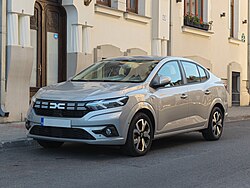
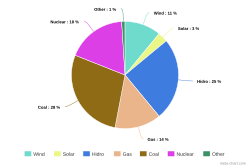
ルーマニア経済は、製造業とサービス業を中心に成長しています。特に自動車産業は象徴的であり、国産ブランドのダチア社が世界的に知られています。また、電力供給においては多様なエネルギーミックスを採用しています。
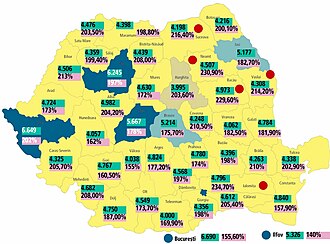
Map of net wages in Romania (lei) at the end of 2024 and changes since 2015, by county
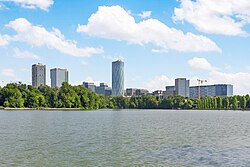
Floreasca business district, as seen from Lake Herăstrău
Romania is home to automobile company Dacia

インフラ面では、道路網の整備が進行中であり、物流の効率化が進んでいます。都市部では近代的なビジネス街が発展し、経済成長を牽引しています。
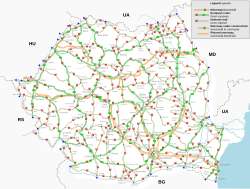
Romania's road network
Graph depicting Romania's electricity supply mix as of 2015

文化・社会と人口統計

人口の約89%をルーマニア人が占め、ハンガリー人やロマ人が共生しています。言語的にはラテン系であるルーマニア語が話されており、世界各地にその影響が広がっています。
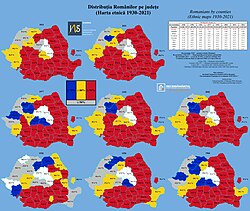
Romanians by counties (Ethnic maps 1930–2021)
Map highlighting the use of the Romanian language worldwide, both as a native and as a foreign language

宗教面では東方正教会が圧倒的な支持を得ており、ブカレストにある「人民救済大聖堂」は世界最大級の正教会建築として知られています。

The People's Salvation Cathedral in Bucharest is the tallest and largest Eastern Orthodox church building[c] in the world[329]

教育と医療の分野でも近代化が進んでおり、1864年創立のブカレスト大学や、大規模な改修を行ったコルツェア病院などが地域の中心的な役割を担っています。
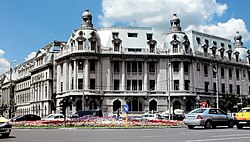
The University of Bucharest was opened in 1864.
The Colțea Hospital in Bucharest completed a $90 million renovation in 2011[346]

観光と都市の魅力

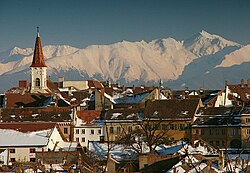
シビウやティミショアラといった都市は、欧州文化首都に指定されるなど、芸術と美食の街として高く評価されています。また、伝統的なクリスマスマーケットは欧州内でも有名です。
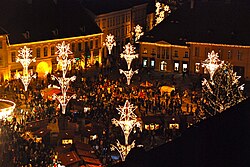
The Christmas market in Sibiu is one of the most famous in Europe.
Sibiu was the 2007 European Capital of Culture and the 2019 European Region of Gastronomy.
Timișoara was designated the European Capital of Culture in 2021 and held this title in 2023 due to COVID-19 postponement.

スポーツ施設も充実しており、2011年に開場したアレーナ・ナショナルは、国の象徴的なスタジアムとなっています。
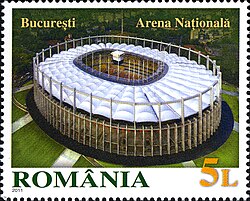
Arena Națională, opened in 2011, the national stadium of Romania, as seen on a Romanian stamp (2011)

ルーマニアの基本データまとめ

ルーマニア国家概要
項目 詳細内容
総面積 238,397 km²
推定人口 (2025年) 約1,904万人
GDP (PPP, 2026年予測) 9,503.84億ドル
人間開発指数 (HDI, 2023年) 0.845 (非常に高い)
主要民族 ルーマニア人 (89.3%)、ハンガリー人 (6.0%)

Frequently Asked Questions

ルーマニアの公用語は何ですか?

公用語はルーマニア語です。これはラテン語を起源とするロマンス諸語の一つであり、東欧において珍しいラテン系言語であるという特徴があります。

主要な宗教は何ですか?

国民の多くがキリスト教を信仰しており、特にルーマニア正教会が最大勢力となっています。その他、プロテスタントやカトリックなどの教派も存在します。

経済的な強みは何ですか?

自動車産業(特にダチア社)などの製造業が強く、近年ではITサービスやエネルギー分野での成長も見られます。また、EU加盟による市場アクセスが経済発展を後押ししています。

観光で人気の都市はどこですか?

首都ブカレストのほか、文化的な魅力にあふれるシビウやティミショアラ、そして歴史的な景観が残る地方都市などが人気です。

政治体制はどのようになっていますか?

単一制の半大統領制共和国であり、大統領と首相がそれぞれ行政の重要な役割を担っています。立法府は上院と下院からなる二院制の議会となっています。

References

  1. ; : România
  2. Together with its metropolitan area.
  3. Saint Isaac's Cathedral in although larger in gross area (7,000 m2 the building including colonnades and 7,600 m2 with stairway), has a smaller area excluding colonnades (5,000 m2). Since 1931 it has been converted into a .

📸 フォトギャラリー

Maximum territorial extent of the Kingdom of Dacia during Burebista's reign (early 40s BC)
Gutthiuda, or the land of the Gothic-speaking Thervingi, and the neighbouring tribes (370s AD)
First Bulgarian Empire (681–1018) around 850
Vlad III of Wallachia (also known as Vlad the Impaler), medieval ruler of Wallachia
Animated map depicting the territorial changes of Romania from 1859 to 2010
King Carol I with his nephew Ferdinand and his son, Carol II
Romania's territorial losses in the summer of 1940. Of these territories, only Northern Transylvania was regained after the end of World War II
Nicolae Ceaușescu with Kim Il Sung of North Korea in 1978. In reforming the state, Ceaușescu sought to emulate Juche and Maoist ideas[144][145][146]
Tanks and Miliția on the Magheru Boulevard in Bucharest during the revolution
Topographic map of Romania
Romanian map of Köppen climate classification
Diplomatic missions of Romania Countries where Romania operates at least one diplomatic mission (embassy, consulate, or representative office). Other sovereign states and territories with no Romanian diplomatic presence. Romania
Romanian soldiers at the Saber Guardian 23 exercise opening ceremony in Smârdan, Galați
An TR-85 M1 tank at the 2007 Romanian military parade for national day, with the Arch of Triumph in the background
Map of net wages in Romania (lei) at the end of 2024 and changes since 2015, by county
Floreasca business district, as seen from Lake Herăstrău
Romania is home to automobile company Dacia
Romania's road network
Graph depicting Romania's electricity supply mix as of 2015
Romanians by counties (Ethnic maps 1930–2021)
Map highlighting the use of the Romanian language worldwide, both as a native and as a foreign language
The People's Salvation Cathedral in Bucharest is the tallest and largest Eastern Orthodox church building[c] in the world[329]
The University of Bucharest was opened in 1864.
The Colțea Hospital in Bucharest completed a $90 million renovation in 2011[346]
The Christmas market in Sibiu is one of the most famous in Europe.
Sibiu was the 2007 European Capital of Culture and the 2019 European Region of Gastronomy.
Timișoara was designated the European Capital of Culture in 2021 and held this title in 2023 due to COVID-19 postponement.
Arena Națională, opened in 2011, the national stadium of Romania, as seen on a Romanian stamp (2011)