The plume from this candle flame transitions from laminar to turbulent.
← ホームへ戻る
レイノルズ数流体力学層流乱流粘性

レイノルズ数流体の流れを支配する慣性と粘性のバランス

🗓 2026年8月11日

水や空気といった流体がどのように動くかを予測することは、航空機の設計から気象予報、さらには人体内の血流解析に至るまで、極めて重要な課題です。流体の挙動を決定づける最大の要因の一つがレイノルズ数(Re)です。これは、流体の中にある「慣性力」と「粘性力」の比率を示す無次元量であり、流れが滑らかな「層流」になるか、不規則に乱れる「乱流」になるかを判断する指標となります。

例えば、ゆっくりと注がれる蜂蜜のような高粘度の液体は、層状に美しく流れます。一方で、高速で流れる川の水や激しい風は、渦を巻きながら複雑に混ざり合います。この違いを定量的に捉えるのがレイノルズ数の役割です。
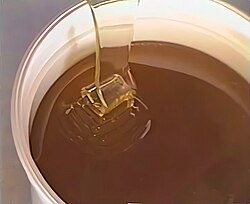
The high viscosity of honey results in perfectly laminar flow when poured from a bucket, while the low surface tension allows it to remain sheet-like even after reaching the fluid below. Analogous to turbulence, when the flow meets resistance it slows and begins oscillating back and forth, piling upon itself.

Key Facts

  • 定義:慣性力と粘性力の比率を示す無次元数。
  • 層流(Laminar flow):レイノルズ数が低い状態で、流体が層状に整然と流れる現象。
  • 乱流(Turbulent flow):レイノルズ数が高い状態で、速度や方向が不規則に変化し、渦(エディ)が発生する現象。
  • 応用範囲:パイプ内の流体輸送、翼の設計、気象学、生物学的な流体解析など多岐にわたる。
  • スケール効果:模型実験の結果を実機に適用する際の基準として利用される。

レイノルズ数の概念と数学的定義

レイノルズ数は、流体の密度、速度、代表的な長さ、そして粘性の4つの要素から導き出されます。物理的な次元(長さ、時間、質量)を相殺させることで、単位のない「無次元数」として定義されており、これにより異なる規模や物質の流動を直接比較することが可能になります。

基本となる計算式は以下の通りです: Re = (ρuL) / μ (ρ:流体密度、u:流速、L:代表長さ、μ:粘性係数)

この式は、ナビエ・ストークス方程式という流体力学の基本方程式から導出されます。方程式内の慣性項と粘性項の比を取ることで、どの力が支配的であるかが明確になります。
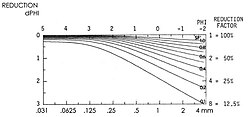
The Brezina equation

歴史的背景と発展

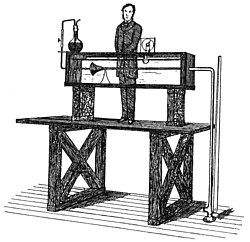
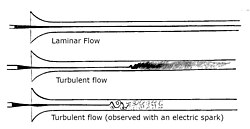
この概念を最初に導入したのは1851年のジョージ・ストークスでしたが、後にオスボーン・レイノルズが1883年の実験を通じてその有用性を広く普及させました。レイノルズは、透明な水流の中に染料を注入し、流速の変化によって流れが直線的な状態から不規則な状態へと移行する様子を観察しました。
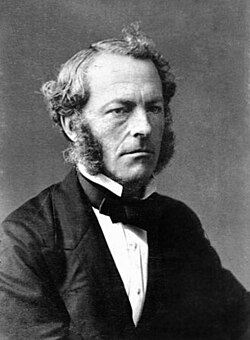
George Stokes introduced Reynolds numbers.

Osborne Reynolds popularised the concept.

Osborne Reynolds's apparatus of 1883 demonstrating the onset of turbulent flow. The apparatus is still at the University of Manchester.

Diagram from Reynolds's 1883 paper showing onset of turbulent flow.

流れの状態:層流から乱流への遷移

層流と乱流の特性

レイノルズ数が小さいとき、粘性力が支配的となり、流体は滑らかな層となって移動します。これを層流と呼びます。対して、レイノルズ数が大きくなると慣性力が上回り、流速の差によって渦が発生し、エネルギーを消費しながら激しく混ざり合う乱流へと変化します。

A vortex street around a cylinder. This can occur around cylinders and spheres, for any fluid, cylinder size, and fluid speed provided that it has a Reynolds number between roughly 40 and 1000.[1]

臨界レイノルズ数

層流から乱流へ切り替わる境界の値を臨界レイノルズ数と呼びます。この値は、流路の形状や表面の状態によって異なります。例えば、円管内の流れでは、一般的にRe < 2300で層流となり、Re > 2900で完全な乱流になるとされています。その中間の領域では、層流と乱流が不規則に交互に現れる「間欠流」と呼ばれる状態が見られます。
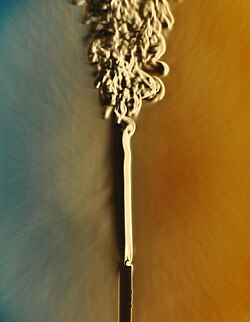
The plume from this candle flame transitions from laminar to turbulent.

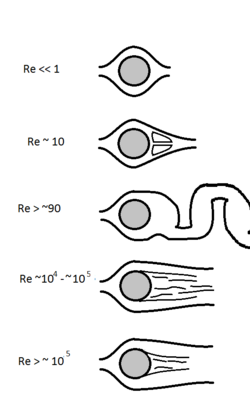
Qualitative behaviors of fluid flow over a cylinder depends to a large extent on Reynolds number; similar flow patterns often appear when the shape and Reynolds number is matched, although other parameters like surface roughness have a big effect.

多様なシーンでの応用例

航空力学と翼の設計

飛行機の翼(エアフォイル)の設計では、翼の長さ(翼弦長)に基づいたレイノルズ数が用いられます。これにより、風洞実験で用いる小型模型のデータを、実際の巨大な航空機に適用するための「スケール効果」を補正することができます。

物体周囲の流れと抗力

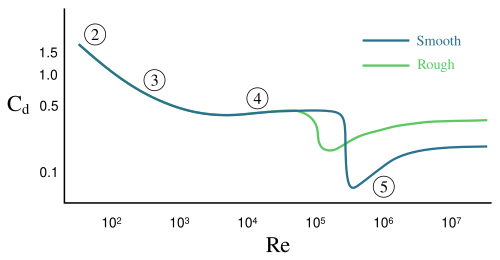
流体中を移動する球体などの物体では、レイノルズ数によって物体に働く抵抗(抗力係数)が大きく変化します。例えば、ゴルフボールの表面にディンプル(小さなくぼみ)があるのは、あえて境界層を乱流化させることで、後方にできる大きな渦を抑え、全体の抗力を減らすためです。
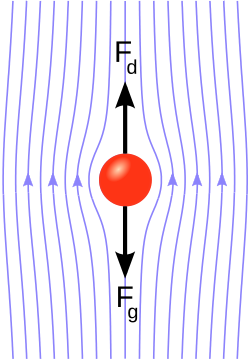
Creeping flow past a falling sphere: streamlines, drag force Fd and force by gravity Fg.

Drag coefficient Cd for a sphere as a function of Reynolds number Re, as obtained from laboratory experiments. The dark line is for a sphere with a smooth surface, while the lighter line is for the case of a rough surface (e.g. with small dimples). There is a range of fluid velocities where a rough-surfaced golf ball experiences less drag than a smooth ball. The numbers along the line indicate several flow regimes and associated changes in the drag coefficient:attached flow (Stokes flow) and steady separated flow,separated unsteady flow, having a laminar flow boundary layer upstream of the separation, and producing a vortex street,separated unsteady flow with a laminar boundary layer at the upstream side, before flow separation, with downstream of the sphere a chaotic turbulent wake,post-critical separated flow, with a turbulent boundary layer.

配管設計と摩擦損失

工業的なパイプラインの設計では、ムード図(Moody diagram)を用いて、レイノルズ数と管壁の粗さから摩擦係数を算出します。これにより、液体を輸送する際にどれだけの圧力損失が発生するかを正確に予測できます。
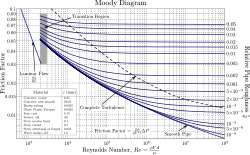
The Moody diagram, which describes the Darcy–Weisbach friction factor f as a function of the Reynolds number and relative pipe roughness.

代表的なレイノルズ数の値

自然界や工業製品におけるレイノルズ数は、極めて小さな値から天文学的な値まで幅広く分布しています。

対象物別の代表的なレイノルズ数
対象 おおよそのレイノルズ数 (Re) 流れの状態
細菌 ~ 1 × 10⁻⁵ 極めて強い層流
脳内の血流 ~ 1 × 10² 層流
大動脈の血流 ~ 1 × 10³ 遷移領域
水泳中の人間 ~ 4 × 10⁶ 乱流
大型船舶 ~ 5 × 10⁹ 強い乱流
熱帯低気圧 ~ 1 × 10¹² 極めて強い乱流

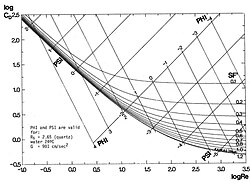
Universal sedimentation equation — drag coefficient, a function of Reynolds number and shape factor, 2D diagram

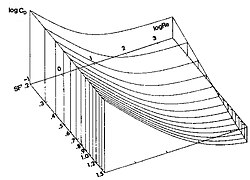
Universal sedimentation equation — drag coefficient, a function of Reynolds number and shape factor, 3D diagram

Frequently Asked Questions

レイノルズ数が高いとどのような影響がありますか?

レイノルズ数が高くなると流れが乱流になります。乱流は物質の混合や熱伝達を促進するメリットがある一方で、流体抵抗(ドラッグ)が増大し、エネルギー損失が大きくなるというデメリットがあります。

なぜ「無次元数」であることが重要なのですか?

単位がないため、流体の種類(水か空気か)や物体のサイズ(模型か実機か)に関わらず、物理的な「状況の類似性」を直接比較できるからです。これにより、小さな模型での実験結果を大きな構造物に適用することが可能になります。

層流と乱流のどちらが効率的ですか?

目的によります。単に物体をスムーズに移動させたい場合は、抵抗の少ない層流が有利な場合があります。しかし、化学反応を早めたい場合や、効率的に冷却したい場合は、激しく混ざり合う乱流の方が圧倒的に効率的です。

臨界レイノルズ数は常に一定ですか?

いいえ、一定ではありません。流路の形状(円形か四角形か)、壁面の粗さ、流入速度の均一性などの要因によって変動します。そのため、設計時には対象となる形状に合わせた臨界値を確認する必要があります。

生物はレイノルズ数をどのように利用していますか?

微生物のような極小の世界(低レイノルズ数領域)では、慣性がほぼ無視でき、粘性が支配的です。そのため、彼らは人間のような「泳ぎ方」ではなく、粘性を利用した特殊な推進方法を用いて移動しています。

References

  1. The definition of the Reynolds number is not to be confused with the or lubrication equation.
  2. Full development of the flow occurs as the flow enters the pipe, the boundary layer thickens and then stabilizes after several diameters distance into the pipe.

📸 フォトギャラリー

The plume from this candle flame transitions from laminar to turbulent.
A vortex street around a cylinder. This can occur around cylinders and spheres, for any fluid, cylinder size, and fluid speed provided that it has a Reynolds number between roughly 40 and 1000.[1]
George Stokes introduced Reynolds numbers.
Osborne Reynolds popularised the concept.
The Brezina equation
Universal sedimentation equation — drag coefficient, a function of Reynolds number and shape factor, 2D diagram
Universal sedimentation equation — drag coefficient, a function of Reynolds number and shape factor, 3D diagram
Osborne Reynolds's apparatus of 1883 demonstrating the onset of turbulent flow. The apparatus is still at the University of Manchester.
Diagram from Reynolds's 1883 paper showing onset of turbulent flow.
The high viscosity of honey results in perfectly laminar flow when poured from a bucket, while the low surface tension allows it to remain sheet-like even after reaching the fluid below. Analogous to turbulence, when the flow meets resistance it slows and begins oscillating back and forth, piling upon itself.
Creeping flow past a falling sphere: streamlines, drag force Fd and force by gravity Fg.
Drag coefficient Cd for a sphere as a function of Reynolds number Re, as obtained from laboratory experiments. The dark line is for a sphere with a smooth surface, while the lighter line is for the case of a rough surface (e.g. with small dimples). There is a range of fluid velocities where a rough-surfaced golf ball experiences less drag than a smooth ball. The numbers along the line indicate several flow regimes and associated changes in the drag coefficient:attached flow (Stokes flow) and steady separated flow,separated unsteady flow, having a laminar flow boundary layer upstream of the separation, and producing a vortex street,separated unsteady flow with a laminar boundary layer at the upstream side, before flow separation, with downstream of the sphere a chaotic turbulent wake,post-critical separated flow, with a turbulent boundary layer.
The Moody diagram, which describes the Darcy–Weisbach friction factor f as a function of the Reynolds number and relative pipe roughness.
Qualitative behaviors of fluid flow over a cylinder depends to a large extent on Reynolds number; similar flow patterns often appear when the shape and Reynolds number is matched, although other parameters like surface roughness have a big effect.