アメリカ合衆国の政治を二分する主要政党の一つである共和党(通称:GOP - Grand Old Party)は、建国後の社会変動の中で誕生し、時代に合わせてその思想的中心を変化させてきました。奴隷制反対から始まった同党は、現在では保守主義や右派ポピュリズムを掲げる右派勢力の中心地となっています。
主要な事実(Key Facts)
- 現在の指導者: ドナルド・トランプ大統領、JD・ヴァンス副大統領、マイク・ジョンソン下院議長。
- 政治的立ち位置: 右派から極右に位置し、アメリカ・ネオナショナリズムや右派ポピュリズムを支持。
- 主要な価値観: 「アメリカ・ファースト」、反共産主義、個人の自由、キリスト教的価値観の重視。
- 議会勢力: 上院で53議席、下院で218議席を保持(最新データに基づく)。
- 象徴: 赤色および象(エレファント)が党のシンボルとして広く知られている。
共和党の歩み:誕生から変遷まで
共和党のルーツは1850年代に遡ります。ウィグ党やフリーソイル党、反ネブラスカ運動などの流れを汲み、ウィスコンシン州リポンの小さな校舎で結成されました。初期の党は、奴隷制の拡大に強く反対する姿勢を鮮明にしていました。

南北戦争期から再建時代にかけて、共和党は国家の統合と人権の拡大を推進しました。特にラジカル・リパブリカン(急進的共和主義者)のリーダーであったサディアス・スティーブンスなどは、黒人への差別撤廃と奴隷制の完全な廃止を激しく主張しました。
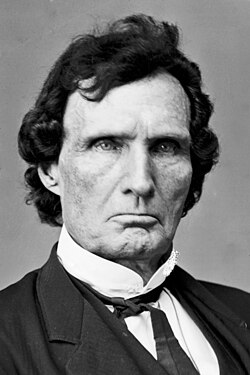
20世紀に入ると、党の方向性は徐々に右傾化し、経済的な自由主義や伝統的な家族観を重視する保守主義へとシフトしました。1960年代のバリー・ゴールドウォーターの台頭や、その後のロナルド・レーガンによる「レーガノミクス」の推進は、現代の保守的な共和党の基礎を築いた重要な転換点となりました。

現代の共和党と「トランプ主義」の台頭
21世紀、特にドナルド・トランプ氏の登場により、共和党は劇的な変貌を遂げました。従来のエスタブリッシュメント(既得権益層)による保守主義から、労働者階級の支持を集める右派ポピュリズムへと重心が移り、「Make America Great Again (MAGA)」というスローガンのもと、強いナショナリズムを掲げています。

この新しい潮流は、外交における孤立主義的な傾向や、移民制限、そして「アメリカ・ファースト」の徹底という形で現れています。また、JD・ヴァンス副大統領のように、当初は批判的でありながら後にトランプ主義の強力な支持者となった人物が党の重要な役割を担っています。
![JD Vance, Donald Trump's vice president during Trump's second term. Initially critical of Trump, he became a staunch advocate of Trumpism later in Trump's first term and has been described as a right-wing populist.[144]](/images/2e/e4/2ee49c119112aed48f6ded632f6961fa5a9d91acbf065407a2bf417c48f92068.jpg)
現在の党内には、伝統的な保守派、キリスト教右派、そしてリバタリアン(自由至上主義)的な傾向を持つグループなどが混在していますが、全体としてはトランプ氏を中心とした右派ポピュリズムが主導権を握っています。

多様な派閥と政治的アプローチ
共和党は単一の思想集団ではなく、多様な派閥によって構成されています。例えば、政府の介入を最小限に抑えようとするリバタリアン的な勢力(ロン・ポール元下院議員などが象徴)や、宗教的価値観を政治に反映させようとするキリスト教右派などが存在します。

また、外交面ではイスラエルとの強固な同盟関係を重視しており、ベンヤミン・ネタニヤフ首相のような国際的な同盟者との連携を深めています。

国内の支持基盤については、州によって保守層の割合に差があるものの、多くの中西部や南部の州で圧倒的な支持を得ています。また、国土安全保障省などの法執行機関や国防の強化を重視する姿勢も一貫しています。

支持層の地理的分布を示すデータによれば、特定の州において保守派の自己認識率が非常に高く、これが選挙戦略の基盤となっています。
![Percent of self-identified conservatives by state as of 2018, according to a Gallup poll:[195] 45% and above 40–44% 35–39% 30–34% 25–29% 24% and under](/images/69/f9/69f9e2baffd44e4a7661f1055d9b617cd2b2342ec2b2ea39739b5b9800e71148.webp)
政策的優先事項と基本原則
共和党の政策は、経済的な自由と個人の権利、そして国家の安全保障に重点を置いています。具体的には、減税、規制緩和、そして国境管理の厳格化などが挙げられます。また、社会問題においては、中絶の制限や銃所有の権利(修正第2条)の擁護を強く主張しています。
| 分野 | 主な方針・アプローチ |
|---|---|
| 経済 | 減税、規制緩和、国家資本主義的なアプローチ |
| 外交 | アメリカ・ファースト、イスラエル支持、戦略的孤立主義 |
| 社会 | 伝統的家族観の重視、中絶制限、銃所有権の擁護 |
| 移民 | 不法移民の削減、国境警備の強化 |
共和党出身の大統領
共和党は、エイブラハム・リンカーンから始まり、セオドア・ルーズベルト、ドワイト・アイゼンハワー、ロナルド・レーガン、そしてドナルド・トランプに至るまで、多くのアメリカ合衆国大統領を輩出してきました。それぞれの時代において、国家の危機管理や経済成長、冷戦への対応など、異なるアプローチで国を導いてきました。
Frequently Asked Questions
GOPとはどういう意味ですか?
GOPは「Grand Old Party(偉大なる古き政党)」の略称であり、共和党の愛称として広く使われています。
共和党のシンボルである「象」にはどのような意味がありますか?
19世紀後半の風刺画などを通じて定着したシンボルであり、強さと尊厳を象徴するものとして党のアイデンティティの一部となっています。
トランプ主義(Trumpism)とは何ですか?
ドナルド・トランプ氏が主導する政治思想で、右派ポピュリズム、強いナショナリズム、そして「アメリカ・ファースト」を掲げ、既存の政治エリートに反旗を翻す傾向を指します。
共和党の主な支持層はどのような人々ですか?
伝統的に保守的な価値観を持つ人々、キリスト教徒、ビジネスオーナー、および近年では都市部よりも地方や農村部の労働者層からの支持が強まっています。
共和党は外交においてどのような立場を取っていますか?
伝統的な国際協調主義よりも、自国の利益を最優先する「アメリカ・ファースト」の姿勢を強めており、同盟国に対しても負担の適正化を求める傾向があります。
References
- Includes
- Political scientists had generally seen the party as upholding before 2017; it is now considered a minority view in the party.[]
- , generally considered to be a leading faction of the party that is distinct from national-populism, is now a minority. Due to the hegemonic historical influence of on American conservatism, scholars disagree on whether is a form of, outgrowth, or deviation away from the ideology, a subject discussed in 's . The GOP continues to generally adhere to positions, and scholars have noted analogies between Trumpism and parties.
- 218 representatives are members of the party; however, one member, , caucuses with the Republicans.
- Attributed to multiple sources.
- One example is .
- Political scientist discusses this debate in his 2019 book The Far-Right Today.
- Scholars broadly agree that the modern GOP is a party. There is an ongoing academic debate on type, and they have variously described the party as , , or nationalist, or taking aspects from them. In 2026, the reported a consensus in political science that the party is "far-right" and its nationalism is "anti-pluralist".
- In 2026, the stated that there was a broad academic consensus that the GOP is located on the far-right of the international . Political scientists and historians who hold to this stance, outside of comparative politics studies, include , , , , , , , , , , and .
- Right-to-work laws ban , which require all workers in a unionized workplace to pay dues or a fair-share fee regardless of whether they are members of the union or not.
📸 フォトギャラリー