彫刻の世界において、レリーフ(浮き彫り)は、平らな背景から像を浮かび上がらせる独特な表現手法です。ラテン語で「持ち上げる」を意味する「relevare」に由来し、彫刻された部分が背景平面よりも前方に突き出していることで、立体的な視覚効果を生み出します。
石や木などの素材を削り出す場合、実際には背景部分を深く掘り下げることで、相対的に図柄を高く見せています。この手法は、完全な立体像(丸彫り)に比べて背面を制作する必要がなく、構造的な強度が高いため、特に石造りの建築装飾や、足首などの脆弱な部分を持つ立像に適しています。一方で、金属や粘土、石膏などの素材では、背景に形を付け足していく手法が取られます。レリーフは、複雑な物語や多くの人物が登場する戦闘シーンなどを描くのに非常に適しており、世界各地の寺院や宮殿の壁面で広く採用されてきました。古代の作品の多くは、形態をより明確にするために彩色されていたと考えられています。
Key Facts
- 定義:彫刻が同一素材の背景に付着したまま、前方へ突出している技法。
- 主な種類:突出度の違いにより、低浮き彫り(bas-relief)、中浮き彫り(mezzo-rilievo)、高浮き彫り(alto-rilievo)に分類される。
- 利点:丸彫りに比べて耐久性が高く、建築物への統合が容易で、複雑な物語の描写に向いている。
- 特殊技法:背景を削らずに図柄を彫り込む「沈み彫り(sunk relief)」や、逆に彫り込む「陰刻(counter-relief)」が存在する。
レリーフの分類と表現技法
レリーフは、像が背景からどの程度突き出しているかによって、いくつかの段階に分けられます。ただし、一つの作品の中で複数の技法を使い分けることも一般的です。
低浮き彫り(ローレリーフ / Bas-relief)
背景からわずかに突出したスタイルで、制作コストが低く、効率的に量産できるのが特徴です。古代エジプトやアッシリアの宮殿装飾に多く見られ、もともとは彩色によって立体感を強調していました。また、ルネサンス期には古典様式として再評価され、建築装飾に活用されました。
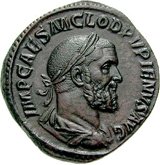
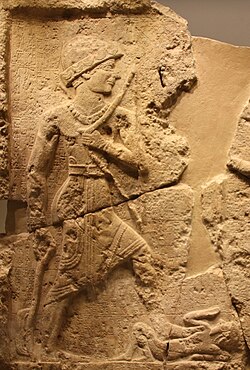
さらに、極めて浅い彫りであるシャローレリーフ(rilievo schiacciato)という技法があります。これは彫刻と線刻の中間に位置し、イタリアの彫刻家ドナテッロによって完成されました。遠近感を出すために、背景を極めて浅く彫ることで空間的な奥行きを表現します。
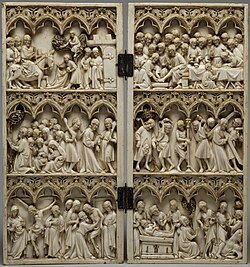
中浮き彫り(ミッドレリーフ / Mezzo-rilievo)
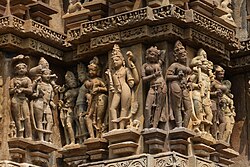
像の約半分が突出している状態で、アンダーカット(背景を深く抉り抜くこと)が行われない技法です。インドや東南アジアの仏教・ヒンドゥー教美術に多く見られ、ジャワ島のボロブドゥール寺院などの膨大な物語パネルに採用されています。
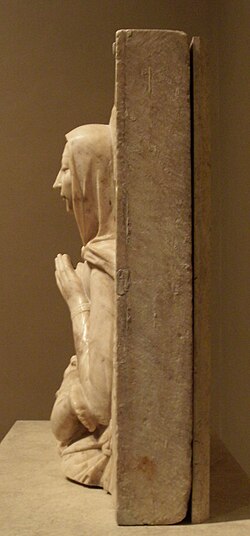
高浮き彫り(ハイレリーフ / Alto-rilievo)
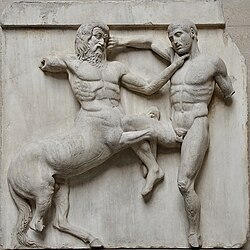
像の半分以上の質量が背景から突き出しており、頭部や四肢などの重要な部分は完全に背景から切り離されている(アンダーカットされている)こともあります。ほぼ丸彫りに近い視覚効果を持ち、ダイナミックな表現が可能です。古代ギリシャのパルテノン神殿のメトープなどが代表例です。
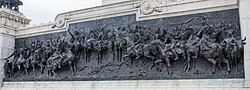
現代においても、公共記念碑などの大規模な作品に用いられています。例えば、ブラジルの独立記念碑や、世界最大級のレリーフであるアメリカのストーンマウンテン記念碑などが挙げられます。
特殊なレリーフ技法
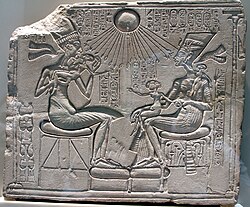
沈み彫り(Sunk relief)は、背景平面を維持したまま、図柄の周囲を彫り込む手法で、主に古代エジプトで用いられました。強い光と影のコントラストを利用して像を浮かび上がらせます。
また、レリーフの対極にあるのがカウンターレリーフ(陰刻 / Intaglio)です。これは像を背景の中に彫り込む手法で、記念碑的な彫刻では稀ですが、印章や小規模な工芸品に見られます。
技法の組み合わせと視覚的効果
多くの名作では、視覚的な奥行きを演出するために異なるレリーフ技法が混在しています。例えば、手前の人物を高浮き彫りにし、背景の風景や遠くの人物を低浮き彫りにすることで、絵画のような遠近感を作り出します。
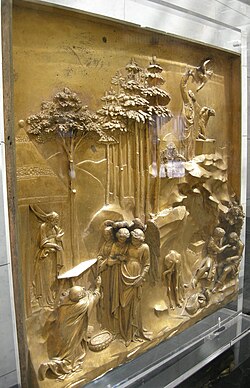
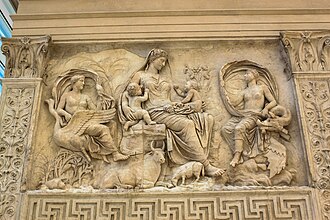
また、下から見上げる視点に合わせて、頭部を高浮き彫りにし、足元を低浮き彫りにする手法も、ローマ時代の記念柱などで効果的に使われていました。

素材と小規模作品への応用
レリーフは巨大な建築物だけでなく、象牙、木、ワックスなどの素材を用いた小規模な工芸品にも適用されます。金属製の場合は、鋳造や打ち出し(レプセ)という技法が使われ、家具の装飾やコイン、メダルなどに活用されてきました。
| 種類 | 突出度 | 特徴 | 主な例 |
|---|---|---|---|
| 低浮き彫り | 低い | 制作が容易、彩色で補完されることが多い | 古代エジプト壁画、コイン |
| 中浮き彫り | 中程度 | アンダーカットなし、物語描写に多用 | ボロブドゥール寺院 |
| 高浮き彫り | 高い | 丸彫りに近く、ダイナミックな立体感 | パルテノン神殿、公共記念碑 |
| 沈み彫り | 内部へ | 背景を削らずに像を彫り込む | 古代エジプトの神殿 |
Frequently Asked Questions
レリーフと丸彫りの最大の違いは何ですか?
最大の違いは、作品が背景平面に固定されているかどうかです。丸彫りは全方向から鑑賞できる独立した立体像ですが、レリーフは背景に付着しており、主に正面や側面から鑑賞することを前提としています。
「バレリーフ」とは何のことですか?
フランス語の「bas-relief」に由来し、日本語では「低浮き彫り」と訳されます。背景からわずかに盛り上がった彫刻技法を指します。
なぜ古代のレリーフには彩色されていたと言われているのですか?
特に低浮き彫りの場合、彫りの深さが浅いため、光と影だけでは形態を明確に判別しにくいことがあります。色を付けることで、視認性を高め、より写実的な表現を可能にしていたためです。
アンダーカットとはどのような技法ですか?
彫刻の突出した部分の裏側を深く削り、背景から完全に切り離す技法です。これにより、強い影が生まれ、像が背景から浮き上がっているような強い立体感が演出されます。
レリーフはどのような素材で作られますか?
石(大理石、花崗岩など)や木が代表的ですが、金属(ブロンズ、金、銀)、粘土、石膏、象牙、さらには現代ではプラスチックやコンクリートなど、非常に多様な素材が使用されています。
References
- "Relief". Merriam-Webster. Archived from the original on 2012-05-31. Retrieved 2012-05-31.
- In modern English, just "high relief"; alto-rilievo was used in the 18th century and a little beyond, while haut-relief surprisingly found a niche, restricted to archaeological writing, in recent decades after it was used in under-translated French texts about prehistoric , and copied even by English writers. Its use is to be deprecated.
- Murray, Peter & Linda, Penguin Dictionary of Art & Artists, London, 1989. p. 348, Relief; bas-relief remained common in English until the mid 20th century.
- Lucie-Smith, 183
- For example Avery in , whose long article on "Relief sculpture" barely mentions or defines them, except for sunk relief.
- Murray, 1989, op.cit.
- Avery, vi
- Lucie-Smith, 183
- Avery, vii
- Sources are reluctant to be more precise than saying it is more shallow than high-relief, but more raised than low relief.
📸 フォトギャラリー