The Red Cross, after the Battle of Gravelotte in 1870
← ホームへ戻る

赤十字・赤新月運動人道支援の歴史と世界的な役割

🗓 2026年8月16日

戦場での悲劇を目の当たりにした一人の男の情熱から始まった赤十字・赤新月運動は、現在、世界最大の人道ネットワークへと成長しました。紛争地での救護活動から自然災害への対応まで、政治的・宗教的な壁を越えて「人間としての尊厳」を守る活動を続けています。

Key Facts

  • 設立: 国際赤十字委員会(ICRC)は1863年、国際赤十字・赤新月連盟(IFRC)は1919年に設立。
  • 中立性の原則: 政治、宗教、人種に関わらず、苦しんでいるすべての人を公平に支援する。
  • 主要な役割: 戦時中の捕虜保護、行方不明者の捜索、災害救助、地域保健の向上。
  • 象徴: 赤十字、赤新月、赤水晶の3つの公認エンブレムを使用。
  • 実績: 1917年、1944年、1963年にノーベル平和賞を受賞。

人道支援の原点と発展

この運動の始まりは、1859年のソルフェリーノの戦いにおける惨状に衝撃を受けたアンリ・デュナンによるものでした。彼は著書『ソルフェリーノの思い出』を通じて、戦傷者を救うための自発的な救護団の設立と、それを保護するための国際的な合意を訴えました。
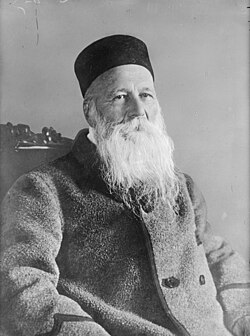
Henry Dunant, author of A Memory of Solferino

1863年、デュナンを含む「5人委員会」の尽力により、ジュネーブで国際的な会議が開催されました。ここで、戦傷者の保護と中立的な救護団の組織化という画期的な方針が決定し、後の国際赤十字委員会(ICRC)の礎となりました。
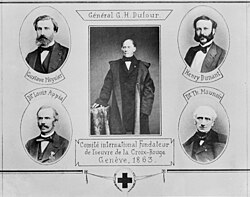
"Committee of the Five": Gustave Moynier, Guillaume-Henri Dufour, Henry Dunant, Louis Appia, Théodore Maunoir

1864年には、戦地における負傷者の状態を改善するための「ジュネーブ条約」が採択されました。これにより、救護活動に従事する人々や施設を保護するための共通のシンボルとして「赤十字」が導入されました。
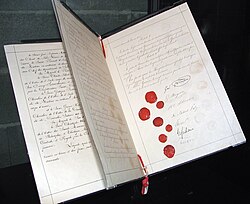
Original document of the First Geneva Convention, 1864

このシンボルは、スイス国旗の色を反転させたものであり、宗教的な意味ではなく、中立性と保護の証として定義されました。その後、1864年のディッポル戦いなどで実際に運用され、戦場での安全を確保する重要な役割を果たしました。
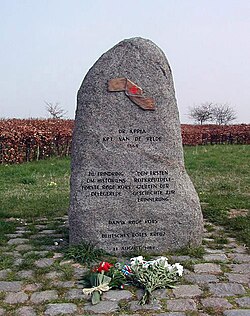
Memorial commemorating the first use of the Red Cross symbol in an armed conflict during the Battle of Dybbøl (Denmark) in 1864; jointly erected in 1989 by the national Red Cross societies of Denmark and Germany

19世紀後半から20世紀にかけて、赤十字の活動は拡大し、1870年のグラヴロットの戦いなどの紛争地で多くの命を救いました。
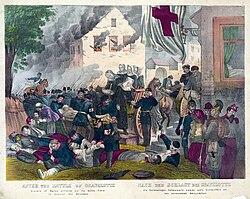
The Red Cross, after the Battle of Gravelotte in 1870

世界大戦と組織の拡大

第一次世界大戦中、赤十字は戦傷者のケアだけでなく、捕虜の家族への通信支援など、広範な人道サービスを展開しました。ジュネーブのラート博物館に設置された捕虜局などは、家族の絆を取り戻す重要な拠点となりました。
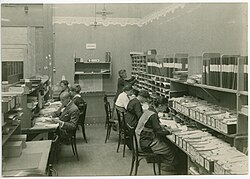
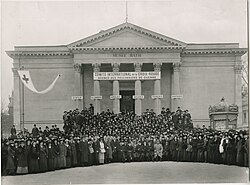
War 1914–1918. Geneva, Rath Museum. International Prisoners-of-War Agency. Researches department. German section. Express messages and communications to families.
Group picture of the volunteers – mostly women – in front of the Musée Rath in 1914

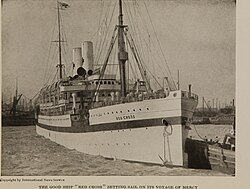
また、輸送手段の近代化が進み、救急車や病院船などの導入により、迅速な救護活動が可能となりました。
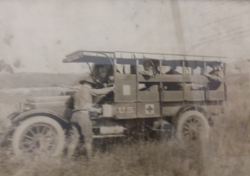
Red Cross ambulance from 1917
The MV Red Cross in New York harbour ca 1915

戦地では看護師たちが最前線で活動し、兵士たちに食料や医療を提供して精神的な支えとなりました。
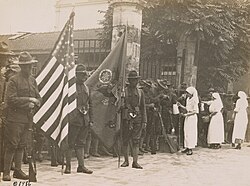
Red Cross nurses serving bread and coffee to American doughboys of the 16th Infantry, 1st Division, upon their arrival in Paris, July 4, 1917

第二次世界大戦においても、ICRCは捕虜の待遇監視や救護活動に従事しました。戦後は、甚大な被害を受けた国々への救援活動を展開し、1944年には2度目のノーベル平和賞を受賞しています。

Photo taken by Maurice Rossel at choreographed Theresienstadt visit. Most of the children were murdered at Auschwitz in the fall of 1944.[16]
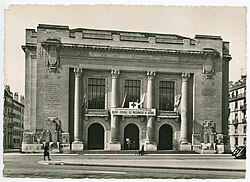
Central Prisoners of War Agency, Electoral building/Palace of the General Council, Geneva, photographed in 1939
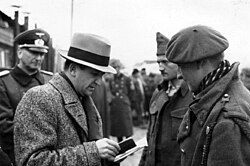
Marcel Junod, delegate of the ICRC, visiting POWs in Germany

戦後の混乱期には、広島への原爆投下後の状況報告や、数千人規模の捕虜の帰還支援など、国境を越えた人道的な橋渡し役を担いました。

Telegram by ICRC delegate Fritz Bilfinger from Hiroshima three weeks after the atomic bombing
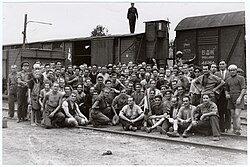
Budapest 1945. Repatriation of 2,000 Italian prisoners of war.

現代における組織構造と役割

現在の赤十字・赤新月運動は、主に3つの構成要素からなる巨大なネットワークとして機能しています。その中心となるのが、ジュネーブに本部を置くICRCです。
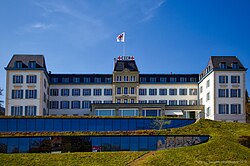
ICRC Headquarters in Geneva

国際赤十字委員会 (ICRC)

ICRCは主に紛争地での活動に特化しています。ジュネーブ条約に基づき、戦時中の人道法の遵守を監視し、捕虜の待遇改善や行方不明者の捜索、民間人の保護を任務としています。

国際赤十字・赤新月連盟 (IFRC)

1919年に設立されたIFRCは、世界各国の赤十字・赤新月社をまとめ上げる役割を担います。大規模な自然災害への緊急援助や、地域社会の保健プロジェクト、青少年活動の支援など、平時の人道支援に重点を置いています。
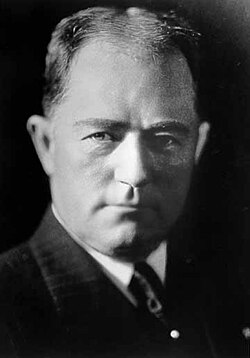
Henry Davison, Founding father of the League of Red Cross societies

各国赤十字・赤新月社

世界各地に存在する国内組織であり、地域に根ざした救急活動や福祉サービスを提供しています。最新の加盟社には、モルディブ、キプロス、南スーダン、ツバルなどが含まれます。
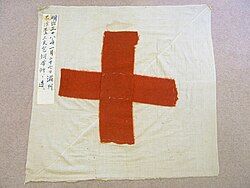
Gōtarō Mikami's Red Cross flag with which in 1905 he prevented an attack by the Russian army
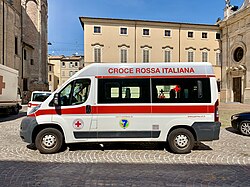
Van of the Italian Red Cross
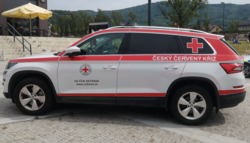
Doctor car of the Czech Red Cross (OS ČČK Ostrava)
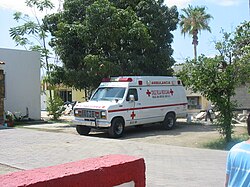
An ambulance owned by the Mexican Red Cross
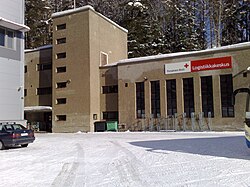
The Logistics Centre of the Finnish Red Cross in Tampere, Finland

人道主義を支える基本原則

すべての活動は、以下の7つの基本原則に基づいています。これにより、どのような状況下でも公平な支援が可能となります。

赤十字・赤新月運動の基本原則
原則 定義と目的
人道 (Humanity) 苦痛を軽減し、生命と健康を守り、人間の尊厳を尊重する。
公平 (Impartiality) 国籍、人種、宗教、政治的意見による差別をせず、ニーズに基づいて支援する。
中立 (Neutrality) 紛争においてどちらの側にもつかず、特定の政治的・宗教的論争に関与しない。
独立 (Independence) 政府の補助を受けつつも、常に基本原則に従い自律的に行動する。
自発的奉仕 (Voluntary Service) 利益を目的とせず、自発的な精神で人道支援を行う。
唯一 (Unity) 一国に一つの赤十字・赤新月社のみが存在し、すべての人に開かれている。
普遍 (Universality) 世界中で等しく認められ、相互に協力し合う。

多様なシンボルとその意味

赤十字のシンボルは、世界的に認知されていますが、文化や宗教的な背景に応じて異なるエンブレムが使用されています。

Red Cross

赤新月は、オスマン帝国とロシア帝国の紛争中に導入され、1929年に正式に採用されました。現在、多くのイスラム圏の国々で使用されています。

Red Crescent

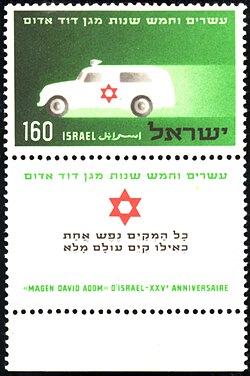
また、かつてはイランで赤い獅子と太陽が使用されていました。また、イスラエルのマゲン・ダビド・アドム(赤いダビデの星)などのシンボルも存在します。

Red Lion and Sun
Magen David Adom, or Red Star of David

宗教的・政治的な論争を避け、あらゆる状況で保護を確保するため、2005年には第三の公認シンボルとして赤水晶が導入されました。

Red Crystal

これらのシンボルは、単なるロゴではなく、国際法によって保護された「保護標章」であり、これを掲げた救護員や施設への攻撃は国際法違反となります。
The emblem of the International Committee of the Red Cross
Emblem of the IFRC

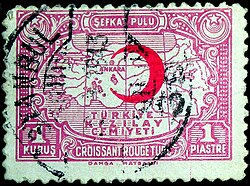
現在、世界各地でこれらのシンボルを掲げた活動が行われており、切手などの文化的な媒体でもその精神が伝えられています。
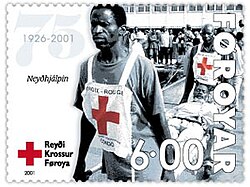
A stamp from the Faroe Islands
A stamp from Turkey
An Israeli stamp commemorating the 25th anniversary of Magen David Adom, issued 11 January 1955

また、ジュネーブには国際赤十字・赤新月博物館があり、その歴史と精神を後世に伝えています。
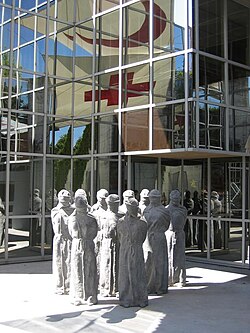
Entry to the International Red Cross and Red Crescent Museum in Geneva

現代においても、アフガニスタン、ウクライナ、ガザ地区などの紛争地で、ICRCや各国の赤新月社は、極めて困難な状況の中で民間人の保護と人道支援を続けています。
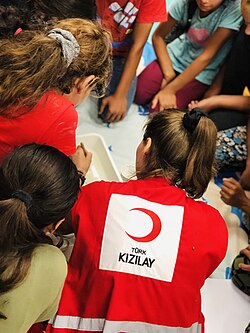
A Turkish Red Crescent staff conducting activities for children

1963年には、ICRCとIFRCが共同でノーベル平和賞を受賞し、その普遍的な価値が改めて認められました。
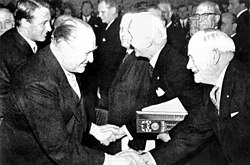
Peace Nobel Prize ceremony in 1963. From left to right: Crown Prince Harald of Norway, King Olav of Norway, ICRC president Leopold Boissier, League Chairman John A. MacAulay.

なお、歴史的に赤十字に似たシンボルとして赤スワスティカなどが存在しましたが、これらは公認の運動とは異なる文脈で扱われています。

Red Swastika

Frequently Asked Questions

赤十字と赤新月の違いは何ですか?

どちらも同じ人道主義の原則に基づいたシンボルです。赤十字はスイス国旗の色反転から、赤新月はオスマン帝国の旗の色反転から派生しており、文化的な背景に合わせて使い分けられていますが、国際法上の保護機能は全く同じです。

ICRCとIFRCはどのような役割分担をしていますか?

ICRC(国際赤十字委員会)は主に「紛争地」での活動(捕虜保護や人道法の監視)を担い、IFRC(国際赤十字・赤新月連盟)は主に「平時」の活動(自然災害救助や公衆衛生の向上)と、世界各国の国内組織の連携を担っています。

赤水晶というシンボルはなぜ作られたのですか?

十字や三日月といったシンボルが、特定の宗教や政治的な意味を持つと解釈されることを避け、どのような状況下でも中立的に、かつ安全に救護活動を行うための「宗教的・政治的に中立な標章」として導入されました。

赤十字の活動は政府の指示で動いているのですか?

いいえ。赤十字は「独立」と「中立」を基本原則としています。政府の支援を受けることはありますが、活動方針は常に人道的なニーズに基づいて自律的に決定され、特定の政治的意図に左右されることはありません。

ジュネーブ条約とはどのようなルールですか?

戦争という極限状態においても、最低限守らなければならない「人道的なルール」を定めた国際条約です。負傷者の救護、捕虜の人道的な扱い、民間人の保護などが定められており、ICRCはこの条約の遵守を監視する役割を担っています。

References

  1. : "In contrast to those of the Danish delegates, Rossel's report was phrased in positive terms, falling in line with German propaganda."
  2. : "[Rossel's] acceptance of everything he had seen ... and everything he had been told ... was total and complacent. The report which he prepared for his superiors in the Red Cross was exactly what the Germans had hoped for ... a totally uncritical, even approving affirmation of their propaganda."
  3. Namely regarding its claim that the vehicles approached suspiciously with lights turned off, and that militants, either six or nine of them depending on the source, were among those killed.

📸 フォトギャラリー

The Red Cross, after the Battle of Gravelotte in 1870
Henry Dunant, author of A Memory of Solferino
Original document of the First Geneva Convention, 1864
"Committee of the Five": Gustave Moynier, Guillaume-Henri Dufour, Henry Dunant, Louis Appia, Théodore Maunoir
Memorial commemorating the first use of the Red Cross symbol in an armed conflict during the Battle of Dybbøl (Denmark) in 1864; jointly erected in 1989 by the national Red Cross societies of Denmark and Germany
Gōtarō Mikami's Red Cross flag with which in 1905 he prevented an attack by the Russian army
War 1914–1918. Geneva, Rath Museum. International Prisoners-of-War Agency. Researches department. German section. Express messages and communications to families.
Group picture of the volunteers – mostly women – in front of the Musée Rath in 1914
Red Cross ambulance from 1917
The MV Red Cross in New York harbour ca 1915
Red Cross nurses serving bread and coffee to American doughboys of the 16th Infantry, 1st Division, upon their arrival in Paris, July 4, 1917
Photo taken by Maurice Rossel at choreographed Theresienstadt visit. Most of the children were murdered at Auschwitz in the fall of 1944.[16]
Central Prisoners of War Agency, Electoral building/Palace of the General Council, Geneva, photographed in 1939
Marcel Junod, delegate of the ICRC, visiting POWs in Germany
Telegram by ICRC delegate Fritz Bilfinger from Hiroshima three weeks after the atomic bombing
Budapest 1945. Repatriation of 2,000 Italian prisoners of war.
ICRC Headquarters in Geneva
Henry Davison, Founding father of the League of Red Cross societies
A stamp from the Faroe Islands
A stamp from Turkey
Peace Nobel Prize ceremony in 1963. From left to right: Crown Prince Harald of Norway, King Olav of Norway, ICRC president Leopold Boissier, League Chairman John A. MacAulay.
Entry to the International Red Cross and Red Crescent Museum in Geneva
A Turkish Red Crescent staff conducting activities for children
The emblem of the International Committee of the Red Cross
Emblem of the IFRC
Van of the Italian Red Cross
Doctor car of the Czech Red Cross (OS ČČK Ostrava)
An ambulance owned by the Mexican Red Cross
An Israeli stamp commemorating the 25th anniversary of Magen David Adom, issued 11 January 1955
The Logistics Centre of the Finnish Red Cross in Tampere, Finland
Red Cross
Red Crescent
Red Crystal
Red Lion and Sun
Magen David Adom, or Red Star of David
Red Swastika