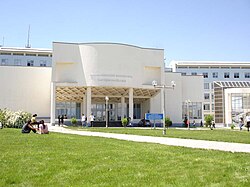
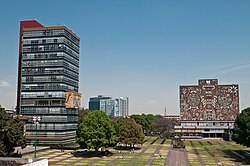
With over three million students, Indira Gandhi National Open University in Delhi, India, is one of the largest public universities in the world.[1]
← ホームへ戻る

公立大学の定義と世界的な展開教育制度の多様性と役割

🗓 2026年8月13日

高等教育の基盤を支える公立大学(州立大学や公立カレッジを含む)とは、一般的に国家や地方自治体が所有し、あるいは政府から多額の財政支援を受けて運営される教育機関を指します。これに対し、民間企業や非営利団体によって運営されるのが私立大学です。どちらの形態であっても、政府による一定の規制下にありますが、その定義や役割は国や地域の教育環境によって大きく異なります。

Key Facts

  • 公立大学は政府の所有または多額の助成金によって運営される。
  • 国によって「公立」の定義は異なり、国立大学を公立に含めるかどうかも地域で分かれる。
  • 多くの国で私立大学よりも学費が低く抑えられており、教育の機会均等に寄与している。
  • 近年、米国などの一部の地域では政府予算の削減により、私的寄付や学費への依存度が高まっている。

アジアにおける公立大学の現状

アジア地域では、国家主導の教育拡充が進んでおり、多様な形態の公立大学が存在します。インドでは、デリーにあるインディラ・ガンディー国立オープン大学が300万人以上の学生を抱え、世界最大級の公立大学の一つとなっています。

With over three million students, Indira Gandhi National Open University in Delhi, India, is one of the largest public universities in the world.[1]

また、インドのジャワハルラール・ネルー大学などの研究機関も重要な役割を担っています。
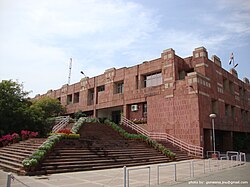
Jawaharlal Nehru University in Delhi, India

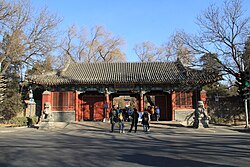
中国では北京大学などの名門校が知られており、

Peking University in Beijing, China
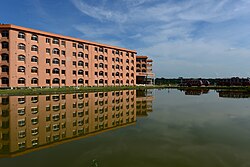
、バングラデシュでは大学助成委員会(UGC)の監督下で56の公立大学が運営されています。

University of Barishal in Barishal, Bangladesh

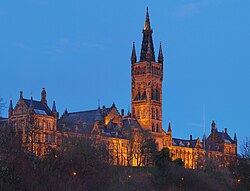
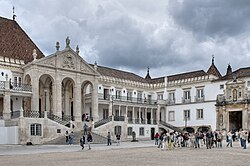
The University of Glasgow founded in 1451 (Glasgow, Scotland)

日本においては、国立大学に加え、地方公共団体が設置・管理する公立大学が存在します。2010年時点で95の公立大学に約12.8万人が在籍しており、2003年からは地方独立行政法人制度への移行も可能となりました。東京都立大学などがその代表例です。
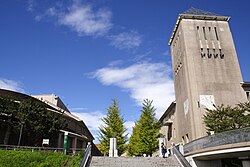
Tokyo Metropolitan University in Tokyo, Japan

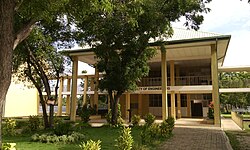
その他のアジア諸国でも公立大学が中心的な役割を果たしています。フィリピンでは高等教育委員会(CHED)が500以上の公立機関を管理し、フィリピン大学を「国立大学」として明確に区別しています。
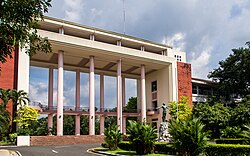

University of the Philippines Diliman in Quezon City, Philippines
シンガポールでは、シンガポール国立大学(NUS)やシンガポール工科デザイン大学(SUTD)など、6つの自律的な公立大学が設置されています。
Singapore University of Technology and Design in Singapore

また、タイでは19世紀末の官僚養成ニーズから教育体制が整備され、現在は19の公立大学が存在します。
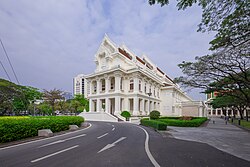
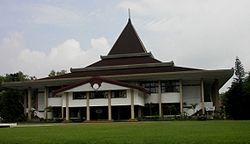
Chulalongkorn University in Bangkok, Thailand
そのほか、インドネシアのセベラス・マレット大学
Sebelas Maret University in Surakarta, Indonesia
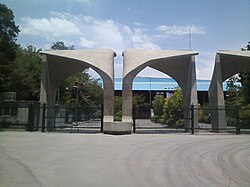
、イランのテヘラン大学
University of Tehran in Tehran, Iran
、キルギスのマナス大学
Manas University in Bishkek, Kyrgyzstan
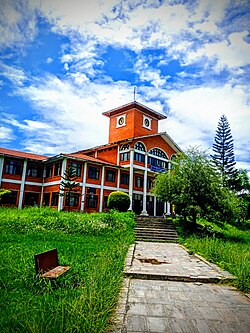
、ネパールのトリブバン大学
Tribhuwan University in Kirtipur, Kathmandu, Nepal
、パキスタンのペシャワール大学
University of Peshawar in Peshawar, Pakistan
、スリランカのサウスイースタン大学
South Eastern University in Oluvil, Sri Lanka
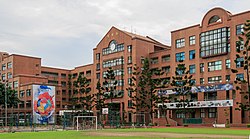
、台湾の台北市立大学
University of Taipei in Taipei, Taiwan
などが各地域の教育拠点となっています。

ヨーロッパの公立大学制度と特徴

ヨーロッパでは、歴史的な伝統を持つ大学が多く、国によって学費や運営形態が大きく異なります。ベルギーでは、1817年創立のリエージュ大学とゲント大学が歴史的な州立大学として知られています。
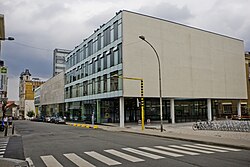
Ghent University in Ghent, Belgium

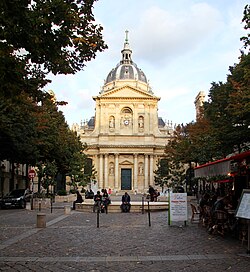
フランスのソルボンヌ大学

Sorbonne University in Paris, France
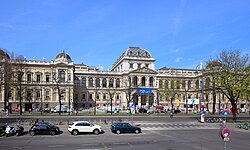
やオーストリアのウィーン大学
University of Vienna in Vienna, Austria
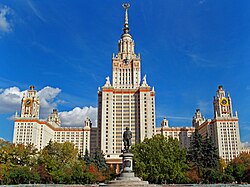
、ロシアのモスクワ国立大学
Moscow State University in Moscow, Russia
などは、それぞれの国を代表する権威ある公立研究大学です。ロシアでは、1724年創立のサンクトペテルブルク国立大学などが政府の管理下にあります。

Swansea University in Swansea, Wales

学費制度に特徴があるのがオランダやセルビアです。オランダでは教育省が資金を提供し、EU圏外の学生にはより高い法定授業料が課されます。
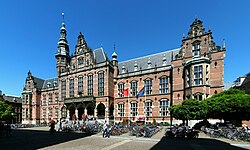
University of Groningen in Groningen, Netherlands
セルビアでは、成績優秀な学生は年間100ユーロ未満の事務手数料のみで就学でき、公立大学が私立よりも学術的に厳格であると高く評価されています。

スペインでは、74大学中54大学が公立であり、自治州によって資金調達が異なりますが、中央政府が低水準の授業料を規定しています。
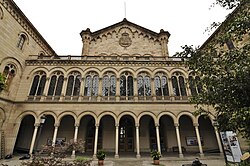
University of Barcelona in Barcelona, Spain
一方、ギリシャでは2024年まで私立の学位授与機関が認められていませんでした。
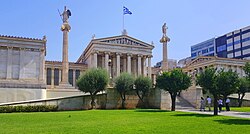
Academy of Athens in Athens, Greece

イギリスでは、政府からのブロックグラント(一括交付金)を受ける機関が公的機関として扱われますが、2012年以降、直接的な政府資金は減少傾向にあります。
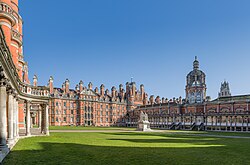
Royal Holloway, University of London in Surrey, England

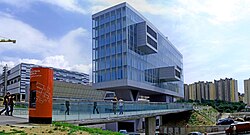
その他の欧州の公立大学として、クロアチアのスプリト大学

University of Split in Spilt, Croatia
、デンマークの南デンマーク大学
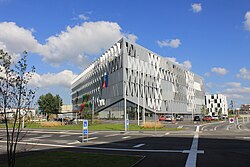
University of Southern Denmark in Kolding, Denmark
、アイルランドのゴールウェイ大学
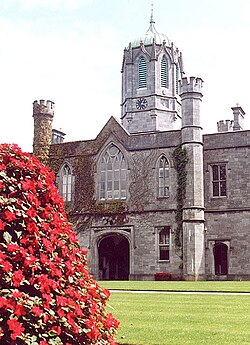
University of Galway in Galway, Ireland
、イタリアのミラノ工科大学
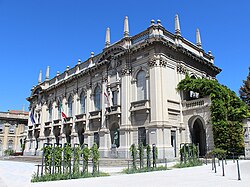
Polytechnic University of Milan in Milan, Italy
、ポーランドのヴロツワフ大学
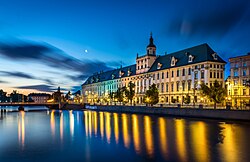
University of Wrocław in Wrocław, Poland
、ポルトガルのコインブラ大学
University of Coimbra in Coimbra, Portugal
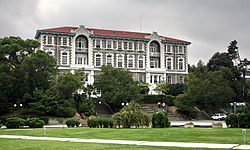
、トルコのボアズィチ大学
Boğaziçi University in Istanbul, Turkey
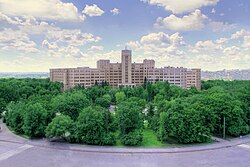
、ウクライナのハルキウ国立大学
Constructivist House of Projects, National University of Kharkiv
などが挙げられます。

北米・オセアニア・アフリカの展開

米国では、州政府が運営し補助金で成り立つ州立大学が主流です。1862年のモリル土地付与法により、農業や機械芸術に特化した大学の設立が促進されました。ジョージア大学やノースカロライナ大学チャペルヒル校が最古の公立大学とされています。

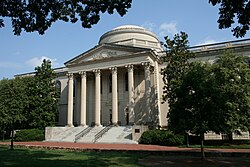
Old College at the University of Georgia in Athens, Georgia, United States
University of North Carolina in Chapel Hill, North Carolina, United States

しかし、近年は州の予算配分比率が低下しており、カリフォルニア大学バークレー校のような名門校であっても、私的寄付や学費への依存を強めています。
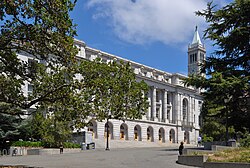
University of California, Berkeley in Berkeley, California, United States

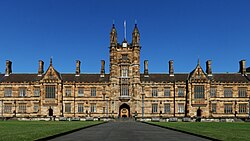
University of Sydney in Sydney

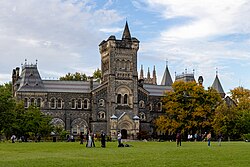
カナダのトロント大学

The University of Toronto in Ontario, Canada
やメキシコの国立自治大学
National Autonomous University of Mexico in Mexico City, Mexico
も、北米における重要な公立教育機関です。

オセアニアでは、ニュージーランドの全8大学が公立であり、最古のオタゴ大学を中心に体制が整備されています。
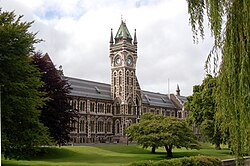
University of Otago in Dunedin, New Zealand
オーストラリアでは、かつての技術学院が大学に昇格した「オーストラリア・テクノロジー・ネットワーク」などの公立大学グループが活躍しています。

アフリカでは、エジプトのアル=アズハル大学が970年創立という世界最古級の歴史を持ち、後に公立大学となりました。
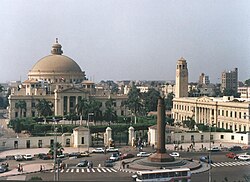

Cairo University in Giza, Egypt
そのほか、カイロ大学などの政府補助金による大学が展開しています。南アフリカのヨハネスブルグ大学
University of Johannesburg in Johannesburg, South Africa
なども地域の高等教育を支えています。

南米では、アルゼンチンのブエノスアイレス大学

School of Law of the University of Buenos Aires in Buenos Aires, Argentina
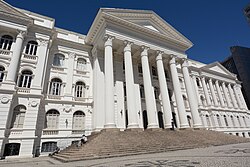
、ブラジルのパラナ連邦大学
Federal University of Paraná, in Curitiba, Brazil
、チリ大学
Universidad de Chile in Santiago, Chile
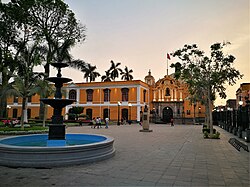
、ペルーのサンマルコス国立大学
National University of San Marcos in Lima, Peru
などが主要な公立機関として機能しています。

世界各国の公立大学概要まとめ

以下に、主要な地域における公立大学の特徴をまとめます。

地域別公立大学の傾向
地域 主な特徴 代表的な制度・傾向
アジア 国家主導の急速な拡大 大規模な学生数(インド)や自律的運営(シンガポール)
ヨーロッパ 歴史的伝統と多様な学費制度 低学費の維持(セルビア)や私立認可の遅れ(ギリシャ)
北米 州政府による運営と土地付与法 州内・州外で学費に差を設ける傾向(米国)
オセアニア 公立中心の体制 全大学が公立(ニュージーランド)

Frequently Asked Questions

公立大学と私立大学の根本的な違いは何ですか?

主な違いは所有権と資金源です。公立大学は政府や地方自治体が所有し、公的資金(税金など)による助成を受けて運営されます。一方、私立大学は民間企業や非営利団体によって所有・運営されます。

公立大学の学費は常に安いのでしょうか?

一般的に私立大学よりは低く設定されていますが、国や地域によって異なります。例えば米国では、州外からの学生には高い学費を課す仕組みがあります。また、近年は政府予算の削減により学費が上昇している地域もあります。

「国立大学」と「公立大学」は同じ意味ですか?

国によって定義が異なります。広義にはどちらも公的資金で運営される「公立」に含まれますが、フィリピンのように、特定の大学を「国立大学」として他の州立・公立大学と区別しているケースもあります。

公立大学は政府の完全なコントロール下にあるのでしょうか?

程度は異なります。シンガポールの自律的公立大学のように運営の独立性が高いケースもあれば、ロシアのように政府が直接管理するケースもあります。また、イギリスのように、公的資金を受けていても一定の自律性を持つ形態も存在します。

なぜ米国では州立大学に「土地付与法」という仕組みがあったのですか?

1862年のモリル土地付与法は、連邦政府が州に土地を提供し、その売却益を大学の資金に充てることで、特に農業や機械芸術といった実用的な学問を普及させることを目的としていたためです。

References

  1. In principle, any university can leave the regulated fees system at any time by not accepting public funding; for most universities (those not incorporated as higher education corporations), this would also remove their status as public authorities. In "OFFA and £6000–9000 tuition fees", OxCHEPS Occasional Paper No. 39 (February 21, 2011), Farrington Dennis and David Palfreyman write, "...any university which does not want funding from HEFCE can, as a private corporation, charge whatever tuition fees it likes (exactly as does, say, the University of Buckingham or BPP University College). Under existing legislation and outside of the influence of the HEFCE-funding mechanism upon universities, the Government can no more control university tuition fees than it can dictate the price of socks in Marks & Spencer. Universities are not part of the State. They are not part of the public sector; Government has no reserve powers of intervention even in a failing institution.
  2. Scotland may also pay for a fifth year of undergraduate study if a student needs to repeat a year or decides to change their course of study. This is known as false-start funding.
  3. these are applicable, in slightly different forms, to both public and private institutions
  4. the and the
  5. , the , , and
  6. All other institutions in the university sector before 1992, except for the , which is constituted as a

📸 フォトギャラリー

With over three million students, Indira Gandhi National Open University in Delhi, India, is one of the largest public universities in the world.[1]
Cairo University in Giza, Egypt
University of Johannesburg in Johannesburg, South Africa
University of Barishal in Barishal, Bangladesh
Peking University in Beijing, China
Jawaharlal Nehru University in Delhi, India
Sebelas Maret University in Surakarta, Indonesia
University of Tehran in Tehran, Iran
Tokyo Metropolitan University in Tokyo, Japan
Manas University in Bishkek, Kyrgyzstan
Tribhuwan University in Kirtipur, Kathmandu, Nepal
University of Peshawar in Peshawar, Pakistan
University of the Philippines Diliman in Quezon City, Philippines
Singapore University of Technology and Design in Singapore
South Eastern University in Oluvil, Sri Lanka
University of Taipei in Taipei, Taiwan
Chulalongkorn University in Bangkok, Thailand
University of Vienna in Vienna, Austria
Ghent University in Ghent, Belgium
University of Split in Spilt, Croatia
University of Southern Denmark in Kolding, Denmark
Sorbonne University in Paris, France
Academy of Athens in Athens, Greece
University of Galway in Galway, Ireland
Polytechnic University of Milan in Milan, Italy
University of Groningen in Groningen, Netherlands
University of Wrocław in Wrocław, Poland
University of Coimbra in Coimbra, Portugal
Moscow State University in Moscow, Russia
University of Barcelona in Barcelona, Spain
Boğaziçi University in Istanbul, Turkey
Constructivist House of Projects, National University of Kharkiv
Royal Holloway, University of London in Surrey, England
The University of Glasgow founded in 1451 (Glasgow, Scotland)
Swansea University in Swansea, Wales
The University of Toronto in Ontario, Canada
National Autonomous University of Mexico in Mexico City, Mexico
Old College at the University of Georgia in Athens, Georgia, United States
University of North Carolina in Chapel Hill, North Carolina, United States
University of California, Berkeley in Berkeley, California, United States
University of Sydney in Sydney
University of Otago in Dunedin, New Zealand
School of Law of the University of Buenos Aires in Buenos Aires, Argentina
Federal University of Paraná, in Curitiba, Brazil
Universidad de Chile in Santiago, Chile
National University of San Marcos in Lima, Peru