2世紀のローマ帝国支配下のエジプト・アレクサンドリアで活躍したプトレマイオス(Claudius Ptolemy)は、天文学、地理学、数学、そして占星術に至るまで、多岐にわたる分野で後世に決定的な影響を与えた百科全書的な学者です。彼の著作は、中世からルネサンス期に至るまで、宇宙と地球の構造を理解するための絶対的な権威として君臨し続けました。
プトレマイオスという名は、当時のエジプトを統治していたプトレマイオス朝の王族と同じであるため、しばしば混同されますが、彼は科学的な知見を体系化した研究者として知られています。
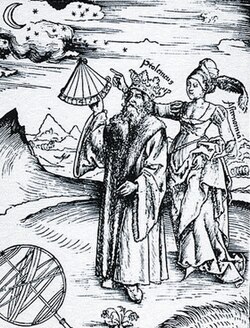
Key Facts
- 活動拠点: ローマ帝国時代のエジプト、アレクサンドリア。
- 主要業績: 天動説を体系化した『アルマゲスト』、世界地図の基礎を築いた『地理学』の執筆。
- 科学的貢献: 周転円やエカント(等分点)を用いた惑星運動のモデル化、緯度・経度による地点表記の導入。
- 多才な研究: 音楽理論(ハーモニクス)や視覚心理学(光学)、占星術にも精通。
- 歴史的評価: 長らく権威とされたが、近代では観測データの信憑性について議論がある。
宇宙の構造を定義した天文学
プトレマイオスの最大の功績は、地球を中心とした宇宙モデル(天動説)を数学的に精緻化したことです。彼は、惑星が単純な円軌道ではなく、小さな円(周転円)を描きながら大きな円(導円)に沿って移動するという複雑なモデルを構築し、惑星の逆行現象などを説明しようとしました。
彼の主著『アルマゲスト』は、天体の位置を計算するための膨大なデータと理論をまとめたものであり、アラビア語に翻訳されてイスラム圏に伝わり、後にヨーロッパへ再導入されました。
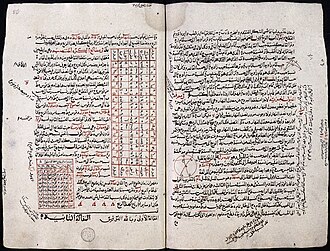
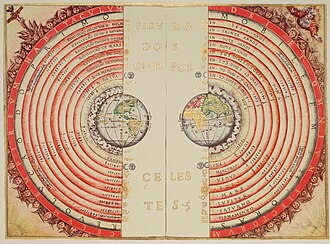
また、後年の著作『惑星仮説』では、宇宙を入れ子状の球体として捉える物理的なモデルを提示しました。彼は太陽までの距離を地球半径の約1,210倍、恒星の球体までの距離を地球半径の20,000倍と推定しましたが、これは現代の数値とは大きく異なります。
世界を座標で捉えた地理学
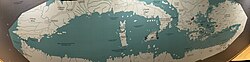
地理学の分野において、プトレマイオスがもたらした革新は「座標系」の導入です。彼は、地球上のあらゆる地点を緯度と経度で特定できると考え、約8,000もの地名をリスト化した膨大なデータベースを構築しました。
当時の緯度の測定には、現代のような角度ではなく、夏至の日の長さ(クリマタ)を用いる手法を好んで使用していました。彼の地図製作術は、15世紀のルネサンス期に再発見され、大航海時代の探検家たちに大きな影響を与えました。
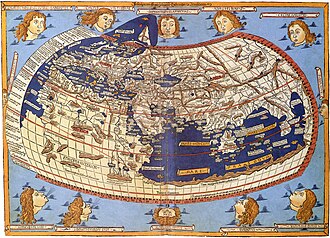
彼の地図は、当時の既知の世界(エキュメネ)を網羅しようとした野心的な試みであり、ヨーロッパから北アフリカ、アジアまでをカバーしていました。
数学・音楽・光学へのアプローチ
プトレマイオスの知的好奇心は天文学に留まりませんでした。数学においては「プトレマイオスの定理」や「プトレマイオスの不等式」として知られる幾何学的な成果を残し、弦の長さをまとめた表(弦表)を作成して天体計算に利用しました。
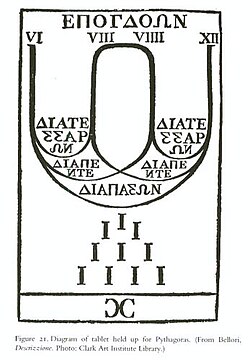
音楽理論を扱った『ハーモニクス』では、ピタゴラス的な調律法を検討し、数学的な美しさと聴覚的な調和の関係を追求しました。
さらに、視覚の仕組みを論じた『光学』や、天体の配置が人間に与える影響を説いた占星術の教科書『テトラビブロス』など、人間と宇宙の関わりを多角的に分析しました。
現代における再評価と論争
長らく「科学の父」の一人とされてきたプトレマイオスですが、20世紀に入り、その観測データの正確性に疑問が投げかけられました。特にロバート・R・ニュートンなどの研究者は、プトレマイオスが自らの理論に適合させるために、過去のデータを改ざんしたり、架空の観測値を捏造したりしたと主張しています。
例えば、彼が「細心の注意を払って測定した」と記した秋分の日の記録が、実際の天文学的な計算と大きく乖離していることが指摘されており、一部の学者からは「科学史上、最も成功した詐欺師」という厳しい評価を受けることもあります。
プトレマイオスの主要業績まとめ
| 分野 | 主要著作・概念 | 主な内容・影響 |
|---|---|---|
| 天文学 | アルマゲスト / 惑星仮説 | 天動説の体系化、周転円とエカントによる惑星運動の記述 |
| 地理学 | 地理学 (Geographia) | 緯度・経度による座標系の導入、8,000地点のカタログ化 |
| 数学 | プトレマイオスの定理 / 弦表 | 円に内接する四角形の辺の長さに関する定理、三角法の先駆け |
| 占星術 | テトラビブロス | 天体と運命の相関を論じた古典的な占星術の教科書 |
| 音楽・光学 | ハーモニクス / 光学 | 音階の数学的分析、視覚知覚と屈折の理論 |
Frequently Asked Questions
プトレマイオスはどのような宇宙観を持っていましたか?
彼は地球が宇宙の中心に静止し、太陽や月、惑星がその周囲を円軌道で回っているという「天動説」を支持していました。惑星の不規則な動きを説明するために、小さな円(周転円)を組み合わせた複雑な幾何学モデルを用いています。
地理学における彼の最大の功績は何ですか?
地球上の地点を緯度と経度という数値的な座標で管理する手法を確立したことです。これにより、主観的な旅人の報告ではなく、数学的な根拠に基づいた世界地図の作成が可能になりました。
なぜ現代になって「捏造」が疑われているのですか?
現代の天文学的計算を用いて彼の観測データを検証したところ、理論に都合よく調整された不自然な数値が多く見つかったためです。特に秋分の日の記録など、実際の天体現象と矛盾するデータが指摘されています。
プトレマイオスの定理とはどのようなものですか?
円に内接する四角形において、「対辺の積の和が対角線の積に等しい」という幾何学的な性質を示す定理です。これは天文学における弦の計算にも応用されました。
彼の著作はどのように後世に伝わりましたか?
ギリシャ語で書かれた著作は、まずアラビア語に翻訳されてイスラム黄金時代の学者たちに受け継がれました。その後、中世ヨーロッパでラテン語に再翻訳されることで、ルネサンス期の科学革命へと繋がる基礎となりました。
References
- Since no contemporary depictions or descriptions of Ptolemy are known to have existed, later artists' impressions are unlikely to have reproduced his appearance accurately.
- see the .
- "The only place mentioned in any of Ptolemy's observations is Alexandria, and there is no reason to suppose that he ever lived anywhere else. The statement by Theodore Meliteniotes that he was born in Ptolemais Hermiou (in Upper Egypt) could be correct, but it is late (c. 1360) and unsupported." — Toomer & Jones (2018)
-
"But what we really want to know is to what extent the Alexandrian mathematicians of the period from the 1st to the 5th centuries were Greek. Certainly, all of them wrote in Greek and were part of the Greek intellectual community of Alexandria. Most modern studies conclude that the Greek community coexisted" ...
📸 フォトギャラリー