私たちの文明を支える基盤である金属は、特有の光沢や導電性、強度を持ち、古代から現代に至るまで道具や建築、そして最先端テクノロジーに不可欠な素材として利用されてきました。周期表の大部分を占めるこれらの元素は、単なる物質以上の多様な物理的・化学的性質を備えています。
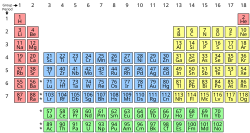
金属の正体を知るには、まず周期表における位置付けを理解することが重要です。アルカリ金属や遷移金属など、グループごとに異なる特性を持ちながら、共通して高い電子移動性を有しています。
Key Facts
- 密度の多様性:最軽量のリチウム(0.534 g/cm³)から最重量のオスミウム(22.59 g/cm³)まで幅広く分布している。
- 優れた伝導性:銀が最も高い電気伝導性を持ち、一般的に加熱すると伝導性は低下する(プルトニウムなどの例外あり)。
- 結晶構造:体心立方格子、面心立方格子、六方最密充填構造などの規則的な原子配列を持つ。
- 合金の進化:単一元素では得られない強度や耐食性を実現するため、複数の元素を組み合わせた合金が開発されている。
- 資源の循環:経済成長に伴い需要が増大しており、採掘だけでなくリサイクルによる資源確保が重要となっている。
金属の物理的・構造的特性
密度と分類
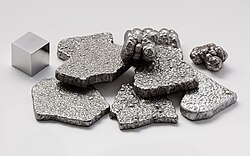
金属の密度は元素によって大きく異なります。商業的に重要な軽金属であるマグネシウム(1.7 g/cm³)、アルミニウム(2.7 g/cm³)、チタン(4.5 g/cm³)は、鉄(7.9 g/cm³)や銅(8.9 g/cm³)などの構造用金属に比べて大幅に軽く、航空宇宙産業などで重宝されています。
原子の配列と結晶構造
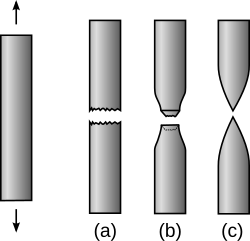
金属の強さや柔軟性は、原子がどのように並んでいるかという結晶構造に依存します。例えば、クロムやタングステンは体心立方構造を、金や銅は面心立方構造を、そして亜鉛やコバルトは六方最密充填構造をとります。これらの構造の違いが、材料の延性や脆性に影響を与えます。
電気的・熱的性質
金属の最大の特徴の一つは、自由電子による高い電気伝導性です。銀が最高値を記録し、マンガンが比較的低い値を示します。通常、温度が上がると原子の熱振動が激しくなり、電子の流れが妨げられるため伝導性は低下しますが、プルトニウムのような超ウラン元素では、相対論的相互作用などの複雑な要因により、加熱時に伝導性が上昇するという特異な挙動が見られます。

合金と新素材の開発
伝統的な合金から機能性材料へ
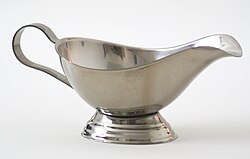
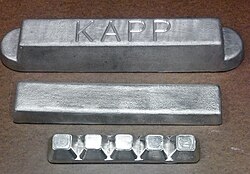
単一の金属に他の元素を加えることで、性質を劇的に変化させたものが合金です。例えば、鉄にクロムやニッケルを加えたステンレス鋼は優れた耐食性を持ち、錫、アンチモン、銅を混ぜたバビットメタルは摩擦を軽減する軸受として利用されます。
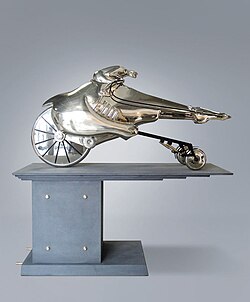
先端材料:超合金と準結晶
現代の工学では、極限環境に耐えうる「超合金」や、従来の結晶学では不可能とされていた対称性を持つ「準結晶」などが開発されています。また、金属的な性質を持つポリマー(導電性高分子)などのハイブリッド材料も登場しています。
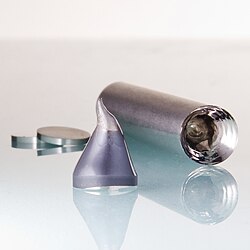
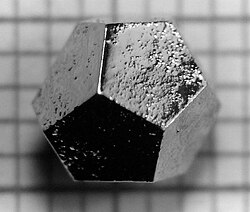
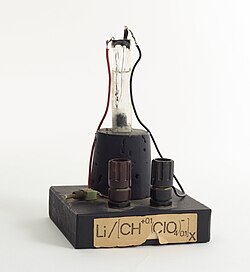
![Several of the conducting polymers[57]](/images/99/7d/997dd0cc542f79aec87b5e7d0cbdd589fb01541a58245818ae5c6d478a36d001.webp)
MAX相材料の可能性
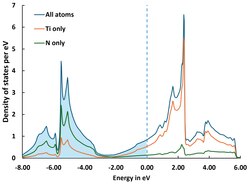
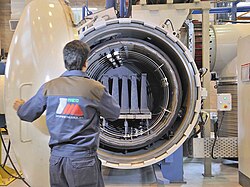
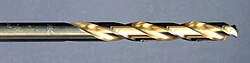
遷移金属(M)、Aグループ元素(A)、および炭素や窒素(X)からなる「MAX相」と呼ばれる合金は、金属の高い導電性とセラミックスの耐熱性を併せ持っています。耐熱衝撃性や加工性に優れ、原子力発電所の部品や高温加熱素子への応用が期待されています。
金属の歴史と発見の歩み
古代から中世まで
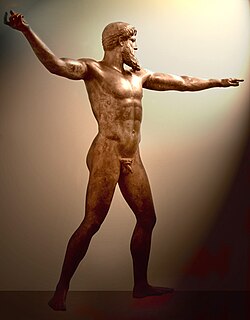
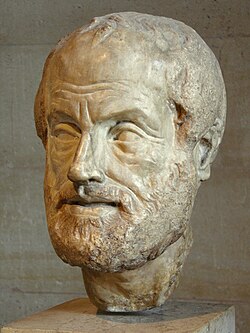
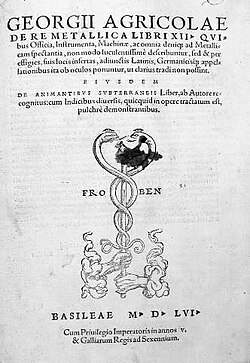
人類は古くから金、銀、銅などの自然金属性金属を利用してきました。アリストテレスは地中の物質を金属と鉱物に分類し、その後、中世にはアルベルトゥス・マグヌスによるヒ素の単離(1250年頃)や、インドでの亜鉛の抽出(1300年頃)など、化学的な分離技術が進歩しました。
近代の化学革命と工業化
19世紀に入ると、アルミニウムの工業的生産法が確立され、宝飾品から航空機の機体まで幅広く普及しました。また、ウランの発見や放射能の解明は、後の核物理学の発展へと繋がりました。
現代の元素合成
第二次世界大戦後、マンハッタン計画などの影響で、ネプツニウムやプルトニウムといった超ウラン元素の合成が進みました。現在では、118番のオガネソンまで多くの人工的な放射性金属が合成されています。
金属の特性まとめ
| 分類 | 代表的な元素 | 主な特徴 |
|---|---|---|
| 軽金属 | Al, Mg, Ti | 低密度で強度が高く、航空宇宙分野に最適 |
| 貴金属 | Au, Pt, Ag | 化学的に安定(不活性)で、装飾や電子接点に使用 |
| 遷移金属 | Fe, Cu, Ni | 多様な酸化状態を持ち、構造材や触媒として汎用 |
| 超ウラン元素 | Pu, Am, Cm | すべて放射性であり、人工的に合成されることが多い |
Frequently Asked Questions
金属と非金属の決定的な違いは何ですか?
最も大きな違いは電子の挙動にあります。金属は自由電子を持っており、これが高い電気伝導性と熱伝導性、そして特有の金属光沢を生み出しています。また、多くの金属は叩いて伸ばせる「延性」や「展性」を持っています。
なぜアルミニウムはかつて金よりも貴重だったのですか?
アルミニウムは自然界に豊富に存在しますが、酸化物から純粋な金属として取り出すには非常に高度な電気分解技術が必要だったためです。1886年に工業的な生産法が確立されるまで、抽出コストが極めて高く、希少価値がありました。
「重金属」とは具体的にどのようなものを指しますか?
一般的に密度が比較的高い金属を指します。これには単一の元素だけでなく、複数の元素からなる合金も含まれます。産業利用される一方で、一部の重金属は生物に蓄積し毒性を示すことがあります。
ステンレス鋼が錆びにくいのはなぜですか?
鉄にクロムを添加することで、金属表面に非常に薄く強固な酸化クロムの皮膜(不動態皮膜)が形成されるためです。この皮膜が酸素や水の侵入を防ぎ、内部の鉄が腐食するのを遮断しています。
準結晶とは普通の金属と何が違うのですか?
通常の金属結晶は、原子が規則的に繰り返される周期的な構造を持っています。一方、準結晶は「秩序はあるが周期性がない」という特殊な構造を持っており、これにより摩擦係数の低下や硬度の向上といった独自の特性が現れます。
References
- Trace elements having an abundance equalling or much less than one part per trillion (namely , , , , , , , , and ) are not shown.
- In some cases, for example in the presence of or in a , the subject nuclei may experience neutron loss or proton gain resulting in the production of (comparatively rare) .
- The ejection of matter when two neutron stars collide is attributed to the interaction of their , possible crustal disruption, and shock heating (which is what happens if you floor the accelerator in car when the engine is cold).
- Iron, cobalt, nickel, and tin are also siderophiles from a whole of Earth perspective.
- Another life-enabling role for iron is as a key constituent of , which enables the transportation of oxygen from the lungs to the rest of the body.
- is an alloy consisting primarily of copper, commonly with about 12% tin and often with the addition of other metals (such as aluminium, manganese, nickel, or zinc) and sometimes non-metals or metalloids such as arsenic, phosphorus, or silicon.
- In Damascus, Syria, blade-smiths forged knives and swords with a distinctive surface pattern composed of swirling patterns of light-etched regions on a nearly black background. These blades had legendary cutting abilities. was sourced from India, and contained one or more carbide-forming elements, such as V, Mo, Cr, Mn, and Nb. Modern analysis of these weapons has shown that these elements supported the catalytic formation of carbon nanotubes, which in turn promoted the formation of (Fe3C) nanowires. The malleability of the carbon nanotubes offset the brittle nature of the cementite, and endowed the resulting steel with a unique combination of strength and flexibility. Knowledge of how to make what came to called died out in the eighteenth century possibly due to exhausting ore sources with the right combination of impurities. The techniques involved were not rediscovered until 2009.
- In ancient times, lead was regarded as the father of all metals.
- , a later writer, added the third principle of salt, carrying the nonvolatile and incombustible properties, in his . These theories retained the four classical elements as underlying the composition of sulfur, mercury, and salt.
📸 フォトギャラリー