キリスト教のプロテスタント諸派の中でも、独自の統治形態と厳格な神学的伝統を持つのが長老教会(Presbyterianism)です。この伝統は、16世紀の宗教改革の流れを汲む「改革派」の精神に基づき、聖書の権威と神の主権を最大限に尊重する信仰体系を築き上げました。
主要な事実(Key Facts)
- 神学的基盤:ジョン・カルヴァンの神学を継承し、神の絶対的な主権と予定説を重視する。
- 統治形態:聖職者のみならず、信徒から選出された「長老」が教会運営に参画する代表制を採用。
- 発祥と普及:スコットランドのジョン・ノックスによって確立され、その後北米、アジア、アフリカへ拡大。
- 聖礼典:伝統的に「洗礼」と「聖餐」の2つの聖礼のみを認める。
- 重要文書:ウェストミンスター信仰告白などの標準的な教義文書を指針とする。
長老教会の成り立ちと神学的ルーツ
長老教会の根源は、スイスのジュネーヴで活動したジョン・カルヴァンの神学にあります。カルヴァンは、神の絶対的な主権と、救われる者が神によってあらかじめ決められているという「予定説」を体系化しました。この思想は、単なる個人の信仰に留まらず、社会や政治のあり方にも大きな影響を与えました。
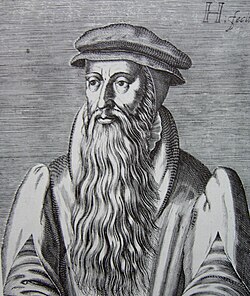
この改革派の精神をスコットランドに持ち込み、制度として定着させたのがジョン・ノックスです。彼はスコットランド宗教改革の指導者となり、王権よりも神の権威を優先する教会体制を構築しました。
また、長老教会の象徴としてよく用いられるのが「燃える柴」です。これはモーセの物語に由来し、「燃えているが消費されない」というラテン語のモットーと共に、困難の中でも絶えない信仰の情熱を表しています。
![The burning bush, a common symbol used by Presbyterian churches, used by the Presbyterian Church in Ireland.[1] The Latin inscription underneath translates as "burning but flourishing". Alternative versions of the motto are also used, such as "Nec Tamen Consumebatur" (yet not consumed).](/images/cc/e3/cce35cd5950d64898477442600e3e7ae94f0d9d554b84b9ebd4b9fc5b51c87f2.webp)
教会統治と礼拝の特質
長老教会の最大の特徴は、その名称の由来でもある「長老(Presbyter)」による統治にあります。一部の権力者に権限が集中するのではなく、会衆から選ばれた長老たちが合議制で教会を運営します。この民主的な構造は、後の近代民主主義の発展にも寄与したと言われています。
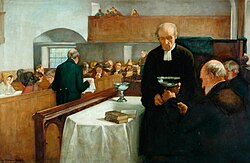
礼拝においては、聖書の教えを正しく伝えることが最優先されます。そのため、装飾を排した簡素な建築様式が好まれる傾向にあり、説教が礼拝の中心となります。また、聖餐(せいさん)の儀式では、特別な祭壇ではなく、共同体の食卓を象徴する「聖餐卓」が用いられることが一般的です。
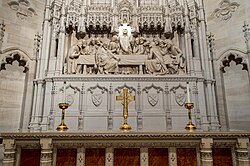
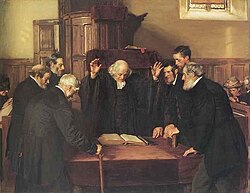
歴史的な礼拝の風景としては、19世紀の教理問答(カテキゼーション)や、厳格な聖餐の儀式などが挙げられ、信仰の正しさを論理的に学ぶ伝統が根付いています。
世界への広がりと地域的展開
スコットランドで確立された長老教会は、移民や宣教活動を通じて世界中に広がりました。特に北米では、初期の植民地時代から強い影響力を持ち、アメリカの精神的・政治的基盤の一部となりました。アメリカ国内では、伝統的な様式から近代的な建築まで、多様な教会堂が建てられています。
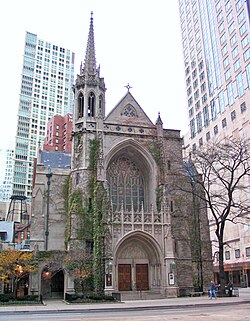
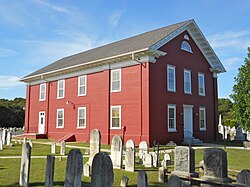
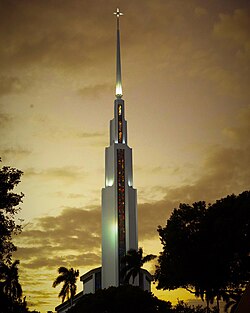
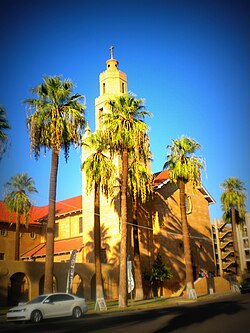
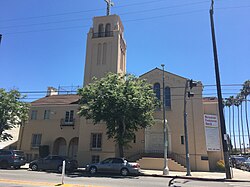
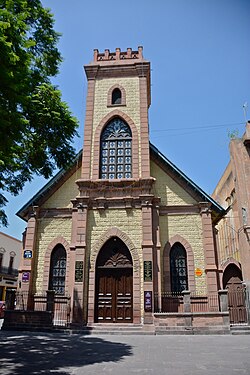
また、カナダやラテンアメリカ、アフリカ、アジアでも展開しています。特に韓国では、プロテスタントの中で最大かつ最も影響力のある教派となっており、数多くの教会が設立されています。メキシコでも大規模な長老教会組織が存在し、地域社会に深く根ざしています。
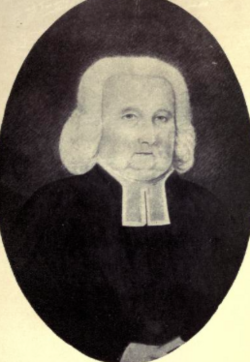
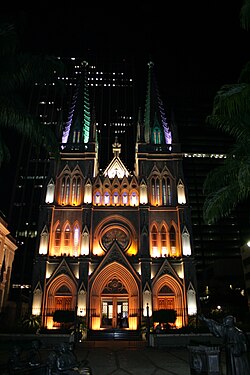
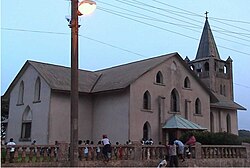
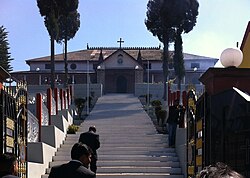
オセアニア地域においても、オーストラリアやニュージーランドで重要な地位を占めており、植民地時代からの歴史的な分派と統合を繰り返しながら発展してきました。

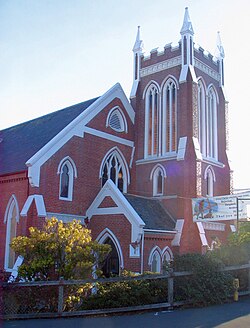
建築と象徴的遺産
長老教会の建築は、時代や地域によって異なりますが、共通して「神の言葉」を聴くための空間設計がなされています。スコットランドのアイオナ修道院のような古代の精神を継承するものから、シカゴやピッツバーグにある壮麗な大聖堂のような建築まで多岐にわたります。
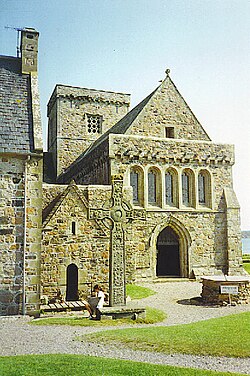
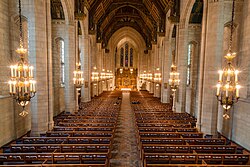
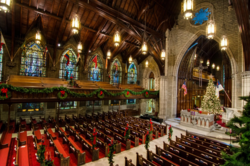
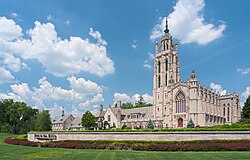
また、視覚的な象徴として、ケルト十字や独自の長老教会用十字架が用いられることもあり、地域の文化と信仰が融合した形態を見せています。
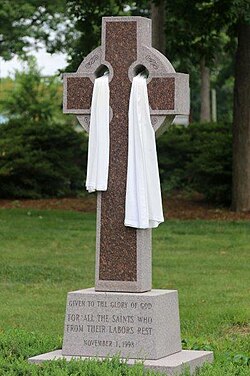
![A Presbyterian Cross, used by the National Cemetery Administration, a division of the U.S. Department of Veterans Affairs[26]](/images/44/91/449179408acecb730f60a93c90dbff7f13ccd7ebc8510dbc5698de290cfb96c7.webp)
教会の内部では、長老の叙任式などの儀礼が行われ、共同体としての結束と責任が継承されてきました。
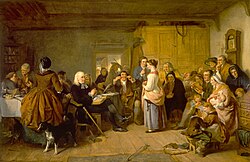
一方で、歴史の中には国家の弾圧を受け、山奥などで秘密裏に礼拝を行った「コベナンターズ(契約者)」のような、信仰の自由を求めた激動の時代もありました。
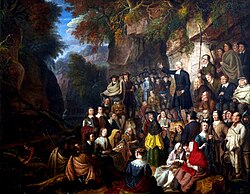
これらの歴史的変遷は、単なる宗教的な分派ではなく、信仰と政治、そして個人の自由を巡る闘争の歴史でもありました。
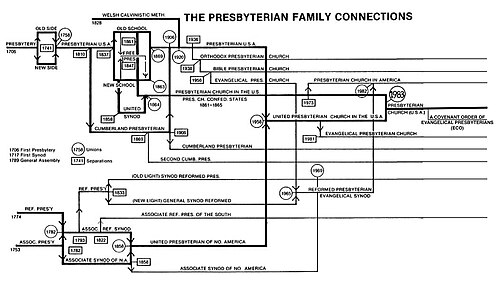
長老教会の概要まとめ
| 項目 | 内容 |
|---|---|
| 主要な神学者 | ジョン・カルヴァン、ジョン・ノックス、B.B.ウォフィールドなど |
| 統治システム | 長老制(代表制・合議制) |
| 核心的な教義 | 神の主権、予定説、聖書の絶対的権威 |
| 認められている聖礼 | 洗礼、聖餐(2つのみ) |
| 主要な展開地域 | スコットランド、韓国、アメリカ、カナダ、アフリカ、メキシコ |
よくある質問(FAQ)
長老教会と他のプロテスタント教会の違いは何ですか?
最大の違いは「教会統治」にあります。多くの教会が司教などの階級制(エピスコパシー)や、個々の会衆の独立(コングレゲーショナリズム)を採用しているのに対し、長老教会は選出された長老による代表制(プレズビテリー)を採用しています。
「予定説」とは具体的にどのような考え方ですか?
人間が自分の努力や善行によって救われるのではなく、誰が救われるかはあらかじめ神によって決定されているという考え方です。これは人間の傲慢さを排し、救いが完全に神の恩寵によるものであることを強調するものです。
長老教会ではどのような礼拝が行われますか?
聖書の朗読と、それに基づく論理的で深い説教が中心となります。伝統的に華美な装飾を避け、神への集中を妨げない簡素な環境での礼拝を重視します。
世界で最も信者が多い地域はどこですか?
現代において非常に強い影響力を持っているのは韓国です。プロテスタント人口の多くを長老教会が占めており、社会的に大きな役割を果たしています。また、メキシコやアメリカでも大規模なコミュニティが存在します。
洗礼についてどのような考えを持っていますか?
長老教会では伝統的に、信仰告白をした成人だけでなく、乳幼児への洗礼も行います。これは、神の契約が親から子へと受け継がれるという考えに基づいています。
References
- "Burning Bush | Presbyterian Church Ireland". Retrieved 16 June 2013.
{{}}: CS1 maint: deprecated archival service () - "What Is Presbyterianism?". Ligonier Ministries. Retrieved 27 February 2024.
- (2002). Christ's Churches Purely Reformed: A Social History of Calvinism. New Haven: . p. xiv. .
- Strange, Alan D. (15 September 2019). Imputation of the Active Obedience of Christ in the Westminster Standards. Reformation Heritage Books. .
Westminster Standards are to operate as constitutional documents within our judicatories, serving as the doctrinal standards to which Presbyterian churches bind themselves and to which they hold their office bearers doctrinally accountable.
- "Protestant Religion and Presbyterian Church Act 1707". The National Archives. United Kingdom. Archived from the original on 21 August 2019. Retrieved 19 October 2011.
- "Presbyterianism".
- Fairchild, Mary (25 April 2019). "Who Are Presbyterians and What Do They Believe?". Learn Religions. Archived from the original on 8 July 2020. Retrieved 14 September 2020.
- "Church of Scotland | History & Facts | Britannica". www.britannica.com. 3 May 2025. Retrieved 2 June 2025.
- Englund-Krieger, Mark J. (2015). The Presbyterian Mission Enterprise: From Heathen to The Partner. Wipf and Stock Publishers. pp. 40–41. . Archived from the original on 29 April 2016. Retrieved 19 February 2016.
- Atkins, Gareth (1 August 2016). Making and Remaking Saints in Nineteenth-Century Britain. Manchester University Press. p. 104. .
For many Presbyterian evangelicals in Scotland, the 'achievements of the Reformation represented the return to a native or national tradition, the rejection of an alien tyranny that had suppressed ... Scotland's true character as a Presbyterian nation enjoying the benefits of civil and religious liberty'. What they had in mind was the mission established by Columba at Iona and the subsequent spread of Christianity through the Culdees of the seventh to eleventh centuries. For Presbyterian scholars in the nineteenth century, these communities of clergy who differed in organisation and ethos from later monastic orders were further evidence of the similarity between early Christianity in Ireland and Scotland and later Presbyterianism. This interpretation of the character of the Celtic Church was an important aspect of Presbyterian identity in global terms. At the first meeting in 1877 of the Alliance of the Reformed Churches holding the Presbyterian System (later the World Alliance of Reformed Churches), Peter Lorimer (1812–79), a Presbyterian professor in London, noted 'that the early Church of St. Patrick, Columba, and Columbanus, was far more nearly allied in its fundamental principles of order and discipline to the Presbyterian than to the Episcopalian Churches of modern times'.
📸 フォトギャラリー