Side-by-side images of a trench dug by Phoenix's robotic arm, showing the sublimation of material – three whitish clumps in the lower left corner of the trench – presumed to be water ice, over the course of four days (Sol 20 to Sol 24).
← ホームへ戻る
フェニックス火星着陸機NASA水氷火星北極

フェニックス火星着陸機北極圏の氷と生命の痕跡を追った旅

🗓 2026年8月11日

火星の北極圏という過酷な環境に降り立ち、かつて、あるいは現在そこに水が存在したかを探ったのがNASAのフェニックス(Phoenix)です。このミッションは、単なる地質調査にとどまらず、微生物などの生命が生存可能な環境(ハビタビリティ)があるかを検証することを主目的としていました。

フェニックスは移動能力を持たない固定式の着陸機でしたが、高度な分析装置とロボットアームを備えており、火星の土壌を直接採取して化学分析を行うという重要な役割を担いました。
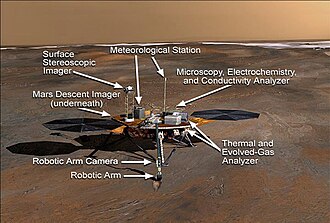
A labeled look at NASA's Phoenix Mars lander.

Key Facts

  • ミッション目的:火星北極圏における水氷の確認と、生命生存可能性の調査。
  • 着陸地点:火星北極の「グリーンバレー(Green Valley)」。
  • 最大の成果:地表直下に水氷が存在することを直接的に証明した。
  • 運用期間:計画では90ソル(火星日)だったが、実際には157ソルまで活動を継続。
  • 主要発見:土壌から過塩素酸塩(パークローレート)を検出。

ミッションの概要と機体仕様

2007年8月4日にデルタIIロケットで打ち上げられたフェニックスは、コスト削減のために過去のミッションで開発された技術や機器を再利用して設計されました。機体重量は打ち上げ時に670kg、着陸時には350kgとなっており、太陽電池パネルとニッケル水素電池によって電力を供給していました。
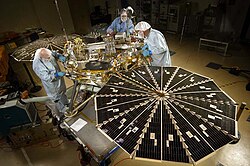
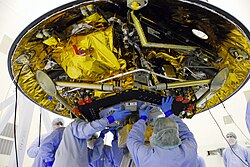
Phoenix during testing in September 2006
Phoenix Mars Lander being worked on by NASA engineers. The planned operational life of the Phoenix lander was 90 Martian days. Each Martian day is 40 minutes longer than an Earth Day.

他の火星探査機と比較すると、フェニックスは移動できない分、特定の地点を深く掘り下げて分析することに特化した設計となっていました。
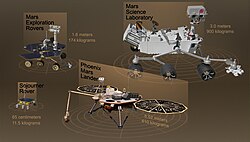
A comparison of sizes for the Sojourner rover, the Mars Exploration Rovers, the Phoenix lander and the Mars Science Laboratory.

主要スペックまとめ

フェニックス着陸機の基本仕様
項目 詳細
運用機関 NASA (JPL / アリゾナ大学)
打ち上げ日 2007年8月4日
着陸日 2008年5月25日
電源 太陽電池アレイ / NiH2バッテリー (450W)
最終通信日 2008年11月2日

科学探査の要:搭載インストゥルメント

フェニックスの核心は、地表のサンプルを採取し、分析するための高度な科学ペイロードにありました。特にロボットアームは、土壌を掘り起こして分析装置へ運ぶための不可欠なツールでした。

The robotic digging arm. Left: at landing, with covering in place. Right: the next day, with covering pushed aside.

地質・化学分析装置

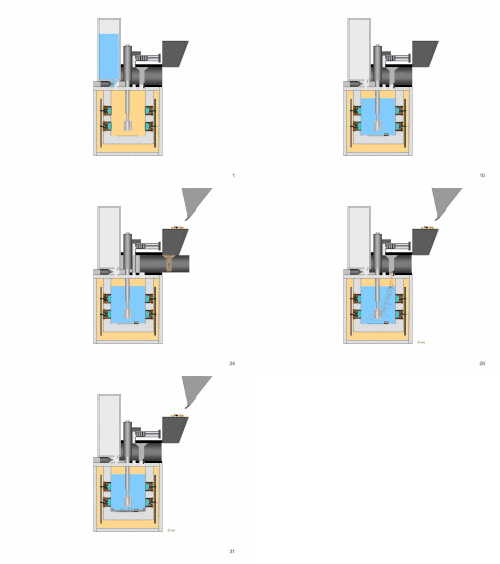
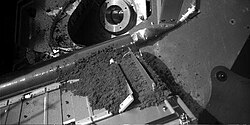
土壌の組成を調べるため、熱および放出ガス分析計(TEGA)が搭載されました。これにより、土壌を加熱して放出されるガスを分析し、化学成分を特定しました。また、MECA(顕微鏡・電気化学・導電率分析計)を用いて、土壌の微細構造や電気的な特性、化学的な反応を調査しました。
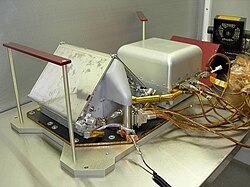
Thermal and Evolved Gas Analyzer
Martian soil being delivered to TEGA
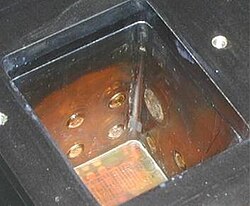
A prototype wet chemistry beaker showing some of the electrochemistry sensors on the sides of the beaker.
Illustration of how the wet chemistry lab onboard Phoenix mixes a Martian soil sample with water

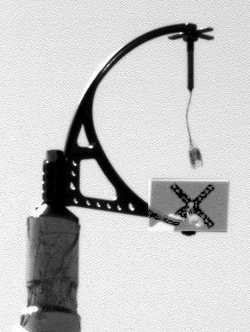
さらに、熱・電気導電率プローブ(TECP)を用いて、地中の温度分布や導電性を測定し、氷の存在を推測しました。
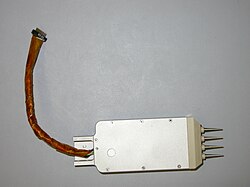
The Thermal and Electrical Conductivity Probe (TECP) with four metal sensing needles mounted in a plastic head.

画像・気象観測装置

表面ステレオイメージャー(SSI)や火星降下イメージャー(MARDI)により、着陸地点の詳細な地形や降下時の様子を記録しました。また、カナダ宇宙庁が開発した気象観測ステーション(MET)は、風速や風向、気温などの気象データを収集し、火星の気候サイクルを解明する手がかりを提供しました。
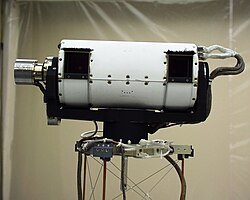

Surface Stereo Imager (SSI) built by the University of Arizona.
Mars Descent Imager built by Malin Space Science Systems.
Meteorological Station (MET) built by the Canadian Space Agency.
Phoenix deployed and then imaged the MET weather mast that holds the wind-strength and direction-measuring tell-tale at a height of 2.3 m. This enhanced image shows wind from the northeast on Sol 3.

ミッションのハイライトと科学的成果

フェニックスの最大の功績は、水氷の直接的な発見です。ロボットアームで掘った溝の中で、白い塊が時間の経過とともに昇華(固体から気体へ変化)する様子が観察され、これが水氷であることが確認されました。
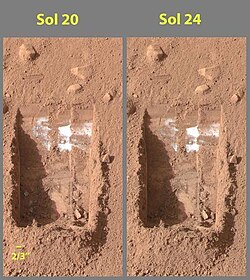
Side-by-side images of a trench dug by Phoenix's robotic arm, showing the sublimation of material – three whitish clumps in the lower left corner of the trench – presumed to be water ice, over the course of four days (Sol 20 to Sol 24).

また、土壌分析の結果、過塩素酸塩(パークローレート)という塩類が検出されました。これは火星の土壌化学において重要な発見であり、水の凍結点を下げ、液体としての水を存在させやすくする性質を持っています。

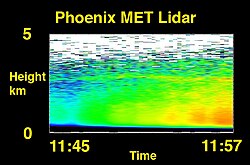
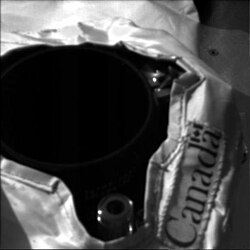
気象観測では、日々の最低気温の変動や、リダー(Lidar:光検出・距離測定)を用いた大気中の塵の挙動の観測が行われました。これにより、火星の北極圏における複雑な気象システムが明らかになりました。
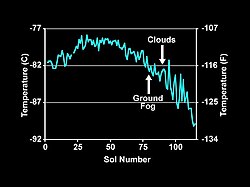
Plot of the minimum daily temperature measured by Phoenix
First operation of lidar on Mars; telescope (black tube) and laser window (smaller opening in foreground) can be seen.
Contour plot of second lidar operation. The colors show evolution of dust passing overhead with time (red/orange: more dust, blue/green: less dust)
Lidar operating (thin vertical beam at center right).

地表の観察では、永久凍土に見られる熱収縮割れ目ポリゴン(多角形の亀裂)が確認され、過去に氷が凍結・融解を繰り返していた証拠が得られました。
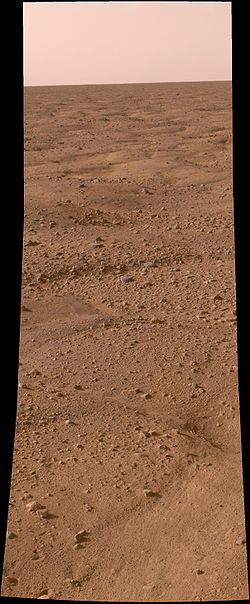
Approximate-color photomosaic of thermal contraction crack polygons in Martian permafrost.

ミッションの終焉と遺産

地球から見た軌道上の旅を経て火星に到達したフェニックスでしたが、火星の冬が訪れるとともに太陽光発電量が低下し、ついにはヒーターが停止して動作不能となりました。
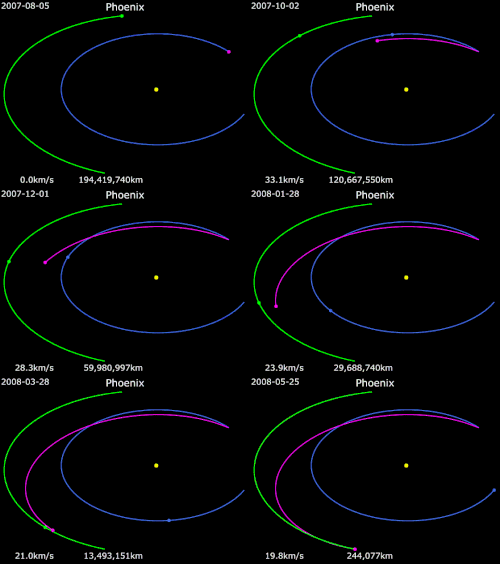
Animation of Phoenix's trajectory from August 5, 2007, to May 25, 2008 Phoenix · Sun · Earth · Mars

2008年11月2日に最後の通信が行われ、その後2010年に正式にミッション終了が宣言されました。しかし、フェニックスが残したデータは、その後のキュリオシティやパーサヴィアランスといった後継機による探査の基礎となりました。

Phoenix lander – before/after 10 years (animation; December 21, 2017)[103]

また、ミッションの記念として、火星に「フェニックスDVD」という形式の記録が残されたことも特筆すべき点です。
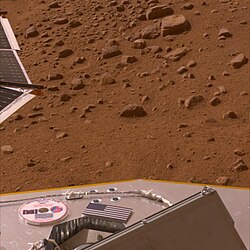
The "Phoenix DVD" on Mars.

(以下、提供された画像プレースホルダーの完結)

ภาพประกอบบทความ
ภาพประกอบบทความ
ภาพประกอบบทความ

Frequently Asked Questions

フェニックスが発見した「水氷」はどのようにして確認されましたか?

ロボットアームで地表を掘削した際、白い塊が観察されました。数日かけてその塊が消えていく(昇華する)様子をカメラで捉えたことで、それが水氷であると結論付けられました。

過塩素酸塩(パークローレート)の発見にはどのような意味がありますか?

この塩類は水の凝固点を下げるため、極寒の火星においても液体状の水が存在しうる可能性を示唆しています。これは生命の生存可能性を考える上で非常に重要な化学的特性です。

なぜフェニックスは移動できなかったのですか?

フェニックスは「ランダー(着陸機)」であり、ローバー(探査車)とは設計思想が異なります。移動する代わりに、その場に留まって深く掘削し、精密な化学分析を行うことに特化していたためです。

ミッションが終了した直接的な原因は何ですか?

火星の冬による日照量の減少です。太陽電池による電力供給が不足し、機体内部の温度を維持するためのヒーターが停止したことで、電子機器が凍結し通信が途絶えました。

フェニックスは生命体を発見しましたか?

直接的な生命体の発見には至りませんでしたが、水氷の存在や土壌の化学組成を明らかにすることで、微生物などの極限環境微生物が生存しうる環境があることを示しました。

References

  1. "Phoenix Launch Mission to the Martian Polar North" (PDF). (published August 2007). July 5, 2007. Archived (PDF) from the original on January 22, 2023. Retrieved December 6, 2018.
  2. Nelson, Jon (ed.). "Phoenix". . Archived from the original on February 19, 2014. Retrieved February 2, 2014.
  3. "The Cost of NASA's Phoenix Mission to Mars". . Archived from the original on September 25, 2023. Retrieved December 2, 2020.
  4. Webster, Guy; Brown, Dwayne (May 25, 2008). "NASA's Phoenix Spacecraft Reports Good Health After Mars Landing" (Press release). Pasadena, Ca.: . 2008-82. Archived from the original on January 10, 2024. Retrieved May 26, 2008.
  5. Peter Smith (2008). "Snow On Mars!". . Archived from the original on December 17, 2008.
  6. Amos, Jonathan (November 10, 2008). "Probe ends historic Mars mission". . Archived from the original on January 23, 2023. Retrieved November 10, 2008.
  7. Ian O'Neill (May 17, 2010). "Dear Phoenix lander, will you raise from the dead?". Discovery. Archived from the original on May 20, 2010.
  8. Beatty, J. Kelly (September 5, 2008). "Phoenix Surpasses 90-Day Mileston". SkyandTelescope.com. Archived from the original on December 6, 2021. Retrieved August 1, 2012.
  9. David, Leonard (February 1, 2007). "Phoenix Lander Readied For Mars Exploration". . Archived from the original on September 27, 2023. Retrieved February 12, 2023.
  10. "The Phoenix Mars Mission with Dr. Deborah Bass". Futures in Biotech podcast. Episode 24. September 19, 2007.

📸 フォトギャラリー

Side-by-side images of a trench dug by Phoenix's robotic arm, showing the sublimation of material – three whitish clumps in the lower left corner of the trench – presumed to be water ice, over the course of four days (Sol 20 to Sol 24).
A comparison of sizes for the Sojourner rover, the Mars Exploration Rovers, the Phoenix lander and the Mars Science Laboratory.
A labeled look at NASA's Phoenix Mars lander.
Phoenix during testing in September 2006
Phoenix Mars Lander being worked on by NASA engineers. The planned operational life of the Phoenix lander was 90 Martian days. Each Martian day is 40 minutes longer than an Earth Day.
The robotic digging arm. Left: at landing, with covering in place. Right: the next day, with covering pushed aside.
Surface Stereo Imager (SSI) built by the University of Arizona.
Thermal and Evolved Gas Analyzer
Martian soil being delivered to TEGA
Mars Descent Imager built by Malin Space Science Systems.
A prototype wet chemistry beaker showing some of the electrochemistry sensors on the sides of the beaker.
Illustration of how the wet chemistry lab onboard Phoenix mixes a Martian soil sample with water
The Thermal and Electrical Conductivity Probe (TECP) with four metal sensing needles mounted in a plastic head.
Meteorological Station (MET) built by the Canadian Space Agency.
Phoenix deployed and then imaged the MET weather mast that holds the wind-strength and direction-measuring tell-tale at a height of 2.3 m. This enhanced image shows wind from the northeast on Sol 3.
Plot of the minimum daily temperature measured by Phoenix
First operation of lidar on Mars; telescope (black tube) and laser window (smaller opening in foreground) can be seen.
Contour plot of second lidar operation. The colors show evolution of dust passing overhead with time (red/orange: more dust, blue/green: less dust)
Lidar operating (thin vertical beam at center right).
Animation of Phoenix's trajectory from August 5, 2007, to May 25, 2008 Phoenix · Sun · Earth · Mars
Approximate-color photomosaic of thermal contraction crack polygons in Martian permafrost.
Phoenix lander – before/after 10 years (animation; December 21, 2017)[103]
The "Phoenix DVD" on Mars.
ภาพประกอบบทความ
ภาพประกอบบทความ
ภาพประกอบบทความ