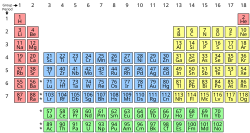
私たちの世界を形作るあらゆる物質は、化学元素と呼ばれる基本的な構成単位から成り立っています。これらの元素を、原子番号や化学的性質に基づいて体系的に並べたものが「周期表」です。周期表は単なるリストではなく、元素の性質が周期的に繰り返される法則性を示しており、化学や物理学における最も重要なツールの一つとなっています。
現代の周期表は、水素(H)から始まり、最新のオガネソン(Og)まで、合計118個の元素で構成されています。これらは自然界に存在する天然元素と、加速器などの高度な技術によって合成された人工元素に分けられます。
Key Facts
- 元素の総数: 現在、原子番号1から118までの元素が確認されている。
- 天然元素と人工元素: 94個の元素が天然に存在し、それ以降の超ウラン元素などは人工的に合成されている。
- 同位体の存在: 多くの元素は、陽子数は同じだが中性子数が異なる「同位体」を持つ。
- 宇宙の主成分: 宇宙全体の質量で最も多いのは水素であり、次いでヘリウムが続く。
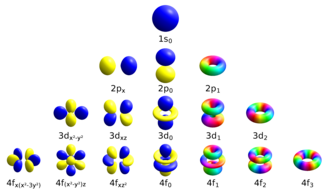
- 周期性の根拠: 元素の性質は、電子配置(電子軌道)によって決定される。
元素の分類と周期表の構造
周期表は、横方向の周期(Period)と縦方向の族(Group)によって整理されています。同じ族に属する元素は、外側の電子配置が似ているため、化学的に類似した挙動を示す傾向があります。
主要なグループ分け
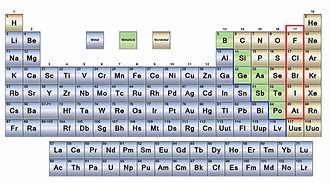
元素はその物理的・化学的特性により、大きく以下の3つに分類されます。
- 金属: アルカリ金属、アルカリ土類金属、遷移金属、ポスト遷移金属、ランタノイド、アクチノイドなどが含まれます。
- 非金属: ハロゲンや希ガスなどが含まれ、金属とは対照的な性質を持ちます。
- 準金属: 金属と非金属の中間的な性質を持つ元素です。
また、電子がどの軌道に入っているかによって、sブロック、pブロック、dブロック、fブロックという区分で整理されることもあります。これは量子力学的な電子配置に基づいた分類です。
物理的特性と傾向
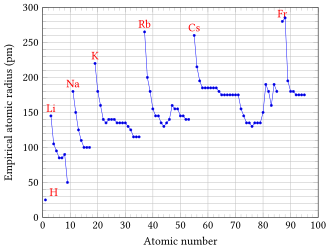
周期表上では、原子半径や電気陰性度、イオン化エネルギーなどの数値が一定の傾向(周期性)を持って変化します。例えば、原子番号が増えるにつれて原子半径がどのように変化するかは、元素の反応性を理解する鍵となります。
原子核の性質と同位体
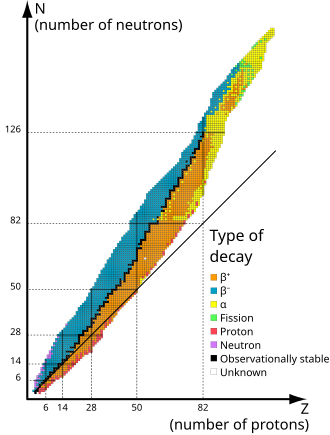
元素の正体は原子核にある陽子の数(原子番号)で決まりますが、中性子の数によって同位体(Isotope)が生じます。質量数(陽子数+中性子数)が異なる同位体は、化学的性質はほぼ同じですが、物理的な質量や安定性が異なります。
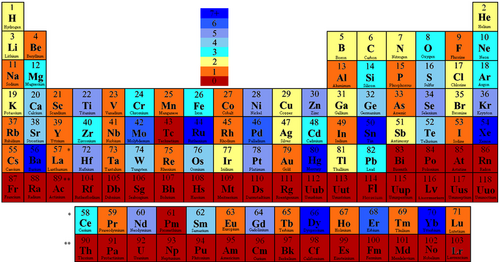
安定した同位体を持つ元素もあれば、放射性崩壊を起こして別の元素に変化する不安定な核種もあります。特にスズ(Sn)は、単一の元素として最多の10個の安定同位体を持つことで知られています。
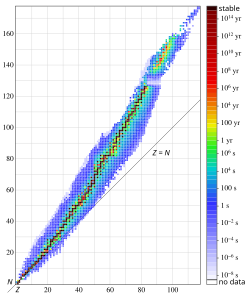
原子核の安定性は、陽子と中性子の比率や、特定の数(魔法数)によって決まります。また、核結合エネルギーは鉄(Fe)やニッケル(Ni)付近でピークに達し、これが宇宙における元素の安定性に大きく影響しています。
![Nuclear binding energy versus mass number for common nuclides, illustrating how the binding energy peaks with isotopes of iron and nickel.[60]](/images/96/b6/96b65b7ea4921c891696d6a81e22cbd78353de4d9c9096ee62f8ac2c68d4e252.webp)
同位体の分布は元素によって異なり、単一の安定同位体しか持たない「単核種元素」も存在します。
元素の起源と宇宙における分布
宇宙に存在する元素は、すべてが一度に作られたわけではありません。ビッグバン直後に水素やヘリウムが生成され、その後、恒星内部での核融合(アルファプロセスなど)によって、硫黄までの比較的軽い元素が作られました。
鉄よりも重い元素は、超新星爆発などの激しいイベントに伴う中性子捕獲反応(rプロセスやsプロセス)によって生成され、宇宙空間に散布されました。
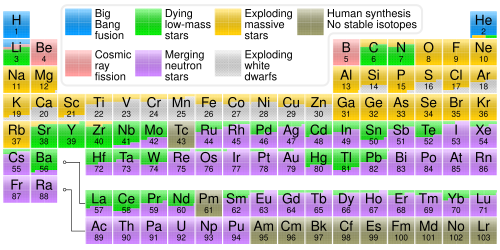
太陽系における元素の存在量は、原子番号が偶数の元素の方が奇数のものより多いという「オド・ハーキンスの法則」に従う傾向があります。また、全体として重い元素ほど存在量が減少します。
![The chemical elements ordered in the periodic table, as shown in the 32-column format[clarification needed]](/images/f6/3e/f63ea623081ef1bd7c8e83d5dc475a380d7d97254a7aab1a5372108911b40ad0.png)
![Plot of element abundances in the Solar System.[127] The two general trends are: (1) an alternation of abundance in elements as they have even or odd atomic numbers (the Oddo–Harkins rule), and (2) a decrease in abundance as elements become heavier.](/images/21/75/21759c1fcf1d4732824599e2e6555b621d05d7a31bab5ee45bd3e5f9c113a731.webp)
なお、宇宙の全エネルギー・質量のうち、私たちが知る「原子」で構成された物質はごく一部であり、大部分はダークマターやダークエネルギーで占められていると考えられています。
![Estimated distribution of dark matter and dark energy in the universe. Only the fraction of the mass and energy labeled "atoms" is composed of elements.[113]](/images/a9/8c/a98c21d1f1c45ff3450317235c7b5fe4686cf2f7f70d172cc9cc1c24c3bc3188.jpg)
周期表の歴史と発展
元素の概念は古くからありましたが、体系的な整理が始まったのは17世紀のロバート・ボイルやアイザック・ワッツらの時代に遡ります。その後、1808年にはジョン・ダルトンが原子量に基づくリストを作成しました。
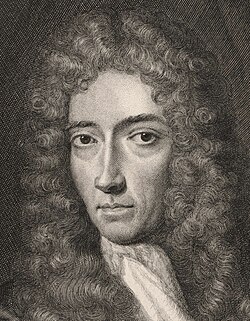
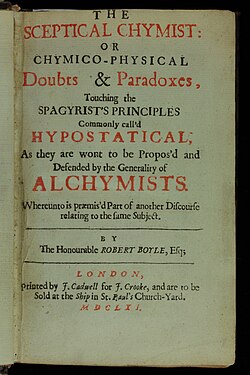
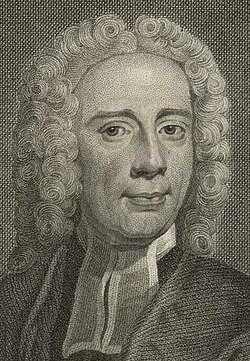
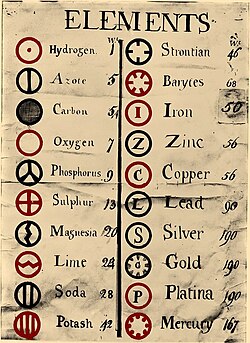
最大の転換点は1869年、ドミトリ・メンデレーエフによる周期表の提案です。彼は原子量と化学的性質の類似性に着目し、未発見の元素が存在することを予言して空白を残した表を作成しました。

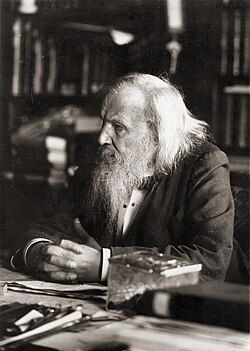
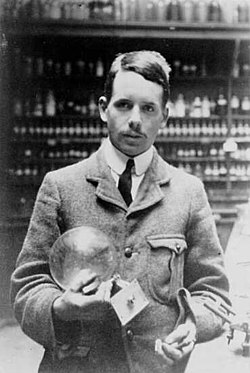
その後、ヘンリー・モーゼリーがX線研究を通じて「原子番号(陽子数)」こそが周期性の本質であることを突き止め、現代の周期表の基礎が確立されました。
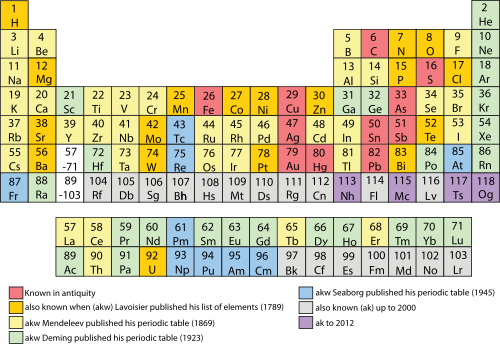
発見の歴史を辿ると、古代から知られていた金や銀などの元素から、19世紀末に急速に発見された工業材料(アルミニウムやタングステンなど)、そして20世紀以降の人工的な超ウラン元素へと広がっています。
元素の多様な形態と特性
同じ元素であっても、原子の結合方式によって異なる物理的性質を持つ同素体(Allotrope)が存在します。例えば炭素(C)は、ダイヤモンドやグラファイトなど、全く異なる構造を持つ形態を取ります。
![Three of the eight carbon allotropes[89]](/images/4e/b5/4eb5c95269ce2d3579931fb6e34135e438c72da86739e4cd7d9590cca109c711.png)
また、温度や圧力などの環境条件によって、物質の状態(相)が変化します。水素(H)の場合、極めて高い圧力下では金属状態になると理論的に予測されており、木星のような巨大惑星の内部で起こっていると考えられています。
![Phase diagram of hydrogen, showing the element state for different combinations of temperature and pressure. Theoretically, at a sufficiently high pressure (such as the interior of Jupiter), hydrogen becomes metallic.[80]](/images/95/6a/956a5b93106951c4b0f8c4dedfa62b072a1b901b786226920a8bb21a3a1da7ac.webp)
元素の名前の由来は多岐にわたり、地名や人名、あるいはその性質から名付けられたものが多くあります。
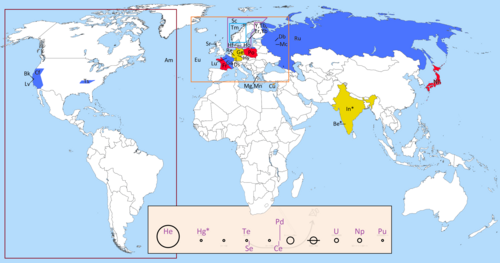
元素の基本データまとめ
| 元素名 | 質量比 (ppm) | 主な特徴 |
|---|---|---|
| 水素 (H) | 739,000 | 宇宙で最も豊富に存在する最軽量元素 |
| ヘリウム (He) | 240,000 | 希ガスであり、恒星の核融合で生成される |
| 酸素 (O) | 10,400 | 生命維持に不可欠な反応性の高い非金属 |
| 炭素 (C) | 4,600 | 有機化合物の骨格となる重要な元素 |
| 鉄 (Fe) | 1,090 | 核結合エネルギーが非常に高く安定した金属 |
Frequently Asked Questions
周期表の「周期」とは何を意味していますか?
周期とは、原子番号順に元素を並べた際に、化学的性質が似た元素が一定の間隔で繰り返し現れることを指します。これは、電子が入るエネルギー準位(電子殻)が一杯になると次の行に移り、再び外側の電子配置が似た状態から始まるためです。
同位体は何が違うのでしょうか?
同位体は、同じ元素(陽子数が同じ)でありながら、原子核に含まれる中性子の数が異なる原子のことです。そのため、化学的な反応性はほぼ同じですが、質量が異なるため、物理的な性質や放射能の有無に違いが出ます。
人工元素とはどのようにして作られるのですか?
天然に存在しない重い元素は、粒子加速器などを用いて、既存の原子核に別の原子核や粒子を高速で衝突させ、核融合させることで合成されます。これにより、原子番号118までの元素が作成されました。
なぜ鉄(Fe)が宇宙で重要な意味を持つのですか?
鉄は原子核の結合エネルギーが非常に高く、極めて安定した元素だからです。恒星内部の核融合は鉄までで止まり、それより重い元素を作るには超新星爆発のような莫大なエネルギーを伴う現象が必要になります。
同素体と同位体の違いは何ですか?
同位体は「原子核の中身(中性子数)」が異なることで生じる違いですが、同素体は「原子同士の結びつき方(構造)」が異なることで生じる違いです。例えば、炭素のダイヤモンドとグラファイトは同素体の関係にあります。
References
- Kragh, Helge (2000). "Conceptual Changes in Chemistry: The Notion of a Chemical Element, ca. 1900-1925". Studies in History and Philosophy of Science Part B: Studies in History and Philosophy of Modern Physics. 31 (4): 435. :2000SHPMP..31..435K. :10.1016/S1355-2198(00)00025-3.
- , , 5th ed. (the "Gold Book") (2025). Online version: (2006–) "Chemical Element". :10.1351/goldbook.C01022
- According to Russian-language sources, these are properties of chemical elements properly said, i.e. of kinds of atom. See: Врублевский, А. И. (2009). Химия: базовый школьный курс (in Russian). Минск: Юнипресс. pp. 11–12. .
- Bolz, Ray E.; Tuve, George L. (2019). CRC Handbook of Tables for Applied Engineering Science (2nd ed.). CRC Press. pp. 425–426. .
- According to Russian-language sources, these are properties of substances, including simple substances, i.e. substances consisting of a single element. They may depend on temperature and pressure and also depend on an . See: Врублевский, А. И. (2009). Химия: базовый школьный курс (in Russian). Минск: Юнипресс. pp. 11–12. .
- Schwerdtfeger, P.; et al. (2020). "The periodic table and the physics that drives it". Nature Reviews Chemistry. 4 (7): 359–380. :10.1038/s41570-020-0195-y. :10138/323849. 37127952.
- Aguirre, Jaime (2024). Periodic Table of the Universe: Symphony of Matter. Cambridge Scholars Publishing. pp. 24–25. .
- See the timeline on p.10 in Oganessian, Yu. Ts.; Utyonkov, V.; Lobanov, Yu.; Abdullin, F.; Polyakov, A.; Sagaidak, R.; Shirokovsky, I.; Tsyganov, Yu. (2006). "Evidence for Dark Matter" (PDF). Physical Review C. 74 (4) 044602. :2006PhRvC..74d4602O. :10.1103/PhysRevC.74.044602. Archived (PDF) from the original on 13 February 2021. Retrieved 8 October 2007.
- "The Universe Adventure Hydrogen and Helium". Lawrence Berkeley National Laboratory U.S. Department of Energy. 2005. Archived from the original on 21 September 2013.
- astro.soton.ac.uk (3 January 2001). "Formation of the light elements". University of Southampton. Archived from the original on 21 September 2013.
📸 フォトギャラリー